Hey there! If you’re a proud cat parent like myself, I’m sure you’ve wondered at some point whether cat trees are truly essential for your furry friend. Well, let me tell you, the answer might surprise you! In this article, we’ll explore the reasons why cat trees can make a world of difference in your feline companion’s life, providing them with not only a cozy spot to relax but also an opportunity for endless entertainment and exercise. So, let’s dive right in and discover why cat trees might just be the purr-fect addition to your home!
Benefits of Cat Trees
Provides Vertical Space
Cat trees are a valuable addition to any cat owner’s home because they provide vertical space for your furry friend to explore. Cats have a natural instinct to climb and perch in high places, and a cat tree allows them to satisfy this need in a safe and controlled environment. Having access to vertical space not only enriches your cat’s environment but also contributes to their overall well-being.
Promotes Exercise
One of the key benefits of cat trees is that they promote exercise for your feline companion. Cats are natural hunters and need regular physical activity to stay healthy and happy. By having a cat tree, your cat can engage in activities such as climbing, jumping, and even running back and forth between different levels. The opportunity for physical exercise not only helps prevent weight gain but also keeps their muscles and joints strong.
Fulfills Natural Instincts
Cats have a strong natural instinct to scratch and mark their territory. Unfortunately, this can sometimes lead to destructive behavior on your furniture or walls. However, with a cat tree, you can provide your furry friend with designated scratching surfaces. Many cat trees come with built-in scratching posts or surfaces made of sisal rope, which cats find irresistible. Fulfilling their natural instincts in a designated area helps redirect their scratching behavior and saves your furniture from potential damage.
Reduces Boredom and Stress
Cats can get easily bored, especially when left alone for long periods. This boredom may lead to destructive behavior or increased stress levels. However, a cat tree can help alleviate these issues. With multiple levels, hideaway areas, and hanging toys, a cat tree provides entertainment and mental stimulation for your feline friend. It becomes their own personal playground, keeping them occupied and entertained, even when you’re not around. This helps reduce boredom and stress, ultimately leading to a happier and healthier cat.
Protects Your Furniture
As mentioned earlier, cats have a natural instinct to scratch, which can cause damage to your furniture. By providing a cat tree with scratching surfaces, you can redirect their urge to scratch onto the designated areas. Not only does this protect your furniture from scratches, but it also saves you the frustration and cost of having to repair or replace damaged items. Investing in a cat tree proves to be a cost-effective solution in the long run, as it helps preserve the condition of your furniture.
Factors to Consider When Buying a Cat Tree
Size and Stability
When buying a cat tree, it’s important to consider the size and stability of the structure. Cats prefer cat trees that are tall enough for them to climb and jump comfortably. Ensure that the perches are adequately sized, allowing your cat to rest or sleep comfortably. Additionally, stability is crucial to prevent any accidents or toppling over. Look for cat trees with a sturdy base and secure construction to ensure the safety of your furry friend.
Number and Variety of Perches
The number and variety of perches on a cat tree are important considerations. Cats enjoy having options and different levels to explore. Look for a cat tree that offers multiple perches at varying heights, so your cat can choose their preferred spot. Different perches may also have different features such as cozy beds, hammocks, or padded platforms, providing a variety of comfortable resting places for your cat.
Quality of Materials
When it comes to cat trees, durability is key. Invest in a cat tree made from high-quality materials that can withstand your cat’s playfulness and scratching habits. Sturdy materials such as solid wood or thick particleboard provide better stability and durability compared to flimsy materials. Additionally, ensure that any fabric covering the perches is durable and can withstand regular wear and tear.
Ease of Assembly
Consider the ease of assembly when purchasing a cat tree. Look for options that come with clear instructions and all the necessary hardware. Some cat trees may require basic tools for assembly, so keep that in mind before making a purchase. If you’re not particularly handy, you may want to opt for a cat tree with straightforward assembly instructions or even consider buying a pre-assembled one to save time and effort.
Placement in Your Home
Before deciding which cat tree to buy, consider where you will place it in your home. Cats need a quiet and comfortable environment, so choose a location that is away from any excessive noise or activity. Additionally, ensure that the cat tree will fit in the allotted space and that there is enough room for your cat to move around comfortably. Consider placing the cat tree near a window, as cats enjoy observing the outside world and basking in the sun’s warmth.
Popular Cat Tree Features
Multiple Levels
One of the most popular features of cat trees is the inclusion of multiple levels. Cats enjoy climbing and perching at different heights, and a multi-level cat tree provides them with the perfect opportunity to do so. With varying platforms or perches, cats can switch between levels, finding their ideal spot for relaxation or play. This feature not only adds complexity to their environment but also mimics their natural instinct to seek high ground.
Scratching Surfaces
Cat trees often come with built-in scratching surfaces, such as posts or pads covered in sisal rope or carpet material. These surfaces serve as a dedicated area for your cat to scratch, fulfilling their natural instinct while simultaneously protecting your furniture. By incorporating scratching surfaces into the cat tree, you are providing your cat with an appropriate outlet for their scratching behavior.
Hanging Toys
Some cat trees come equipped with hanging toys, adding an extra element of fun and stimulation for your cat. These toys can range from dangling feathers or strings to interactive toys that encourage play. Not only do they provide entertainment, but they also encourage physical activity, promoting exercise and keeping your cat mentally engaged.
Hideaway Areas
Cats enjoy having cozy and secluded spaces where they can retreat and relax. Cat trees often include hideaway areas, such as enclosed boxes or cozy hammocks, providing a sense of security and privacy for your feline friend. These hideaway areas offer a perfect spot for napping or observing their surroundings from a comfortable and protected space.
Sisal Rope Posts
Sisal rope posts are a popular feature found on many cat trees. Cats are drawn to the texture of sisal rope, making these posts irresistible for scratching. Having sisal rope posts incorporated into a cat tree not only gives your cat a designated scratching area but also adds visual appeal to the overall structure. Sisal rope posts are durable and can withstand repeated scratching, ensuring their longevity.
Cat Tree Styles
Floor-to-Ceiling
Floor-to-ceiling cat trees are a popular style that maximizes vertical space in your home. These cat trees typically feature tall structures that extend from the floor to the ceiling, providing ample climbing and perching opportunities for your cat. The adjustable height feature allows you to customize the tree’s size and fit it perfectly in any room. Floor-to-ceiling cat trees are a great option if you have limited floor space but want to offer your cat a wide variety of vertical spaces.
Wall-Mounted
Wall-mounted cat trees are an excellent space-saving solution for smaller homes or apartments. These trees are designed to be mounted on a wall, providing vertical space without taking up valuable floor space. Wall-mounted cat trees often feature perches or shelves at different heights, allowing your cat to climb and rest comfortably. These cat trees blend seamlessly into your home decor and make efficient use of unused wall space.
Corner Units
Corner units are specially designed cat trees that fit snugly into the corners of a room. These tree-like structures have multi-level perches and scratching posts, offering cats plenty of climbing opportunities in a compact space. Corner units are a practical choice for those who want to optimize the available space in their homes while providing their cats with vertical space and entertainment.
Tree-Like Designs
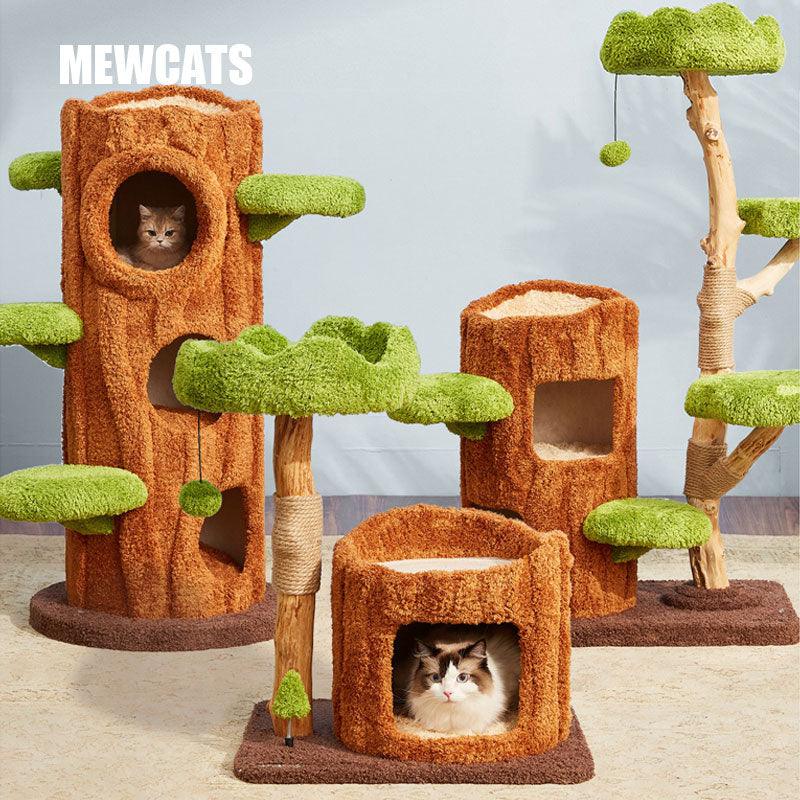
For cat owners who want a cat tree that resembles a natural tree, there are tree-like designs available. These cat trees mimic the appearance of a tree trunk and branches, with perches attached at different heights. This style provides a visually appealing and natural-looking option for your cat to climb and relax. Tree-like cat trees often blend seamlessly into your home decor, adding a touch of nature to your living space.
Compact Condo
Compact condo cat trees are ideal for small spaces or for those who prefer a more minimalist design. These cat trees feature a compact and simple design, often with a single perch or hiding spot. Despite their small size, compact condo cat trees still offer an elevated space for your cat to perch and observe their surroundings. These trees are perfect for apartments or rooms where space is limited.
Options for Small Spaces
Space-Saving Designs
When you have limited space, it’s important to choose cat trees with space-saving designs. Look for compact structures that make optimal use of vertical space, such as wall-mounted cat trees or corner units. These designs allow your cat to have the benefits of a cat tree without taking up valuable floor space. Additionally, consider cat trees with sleek and minimalist designs that blend seamlessly into your home decor.
Modular and Stackable Cat Trees
Modular and stackable cat trees are another great option for small spaces. These cat trees consist of individual components that can be stacked or rearranged to create a customized cat tree. The modular design allows you to add or remove components based on your available space and your cat’s preferences. This flexibility is particularly advantageous for small spaces, as you can adapt the cat tree to fit in different corners or against walls.
Window Perches
If you have limited space indoors, consider investing in a window perch for your cat. Window perches are specifically designed to attach to windows, providing a comfortable vantage point for your cat to observe the outside world. With a window perch, your cat can enjoy the benefits of vertical space without taking up any floor space. It’s an excellent option for small apartments or homes with limited indoor space.
Cat Shelves
Cat shelves are another space-saving alternative for small spaces. These shelves can be installed on walls at different heights, creating an opportunity for your cat to climb, perch, and explore. Cat shelves make use of the vertical space in your home while also providing a comfortable and secure space for your cat to rest. They are a practical option for those who want to provide their cats with vertical space without sacrificing floor space.
How to Encourage Cats to Use a Cat Tree
Placing Treats or Catnip on the Tree
One way to encourage your cat to use a cat tree is by placing treats or catnip on the various perches or hiding spots. The enticing scent will attract your cat’s attention and spark their curiosity. By associating positive experiences with the cat tree, your cat will be more inclined to explore and use it regularly. It may take some time and repetition, but eventually, your cat will begin to see the cat tree as an appealing and rewarding space.
Using Positive Reinforcement
Positive reinforcement can be a powerful tool in encouraging your cat to use a cat tree. Whenever you see your cat exploring or using the cat tree, praise them and offer rewards such as treats or affection. This positive reinforcement helps establish a positive association between the cat tree and your cat’s behavior. It reinforces the idea that using the cat tree is a desirable and rewarding activity, encouraging your cat to continue using it in the future.
Introducing Cats to the Tree Gradually
If your cat is hesitant or unfamiliar with the cat tree, it’s essential to introduce them to it gradually. Start by placing the cat tree in a low-traffic area of your home and allow your cat to explore it at their own pace. You can encourage them to climb or perch by placing treats or toys on the different levels. As your cat becomes more comfortable with the cat tree, gradually move it to a more prominent location. Patience and a gentle approach are key to helping your cat feel at ease with their new environment.
Creating a Cozy Environment
To make the cat tree more inviting, you can create a cozy environment by adding soft blankets or cushions to the perches. The comfortable and plush surfaces will entice your cat to rest and relax on the tree. Additionally, consider placing the cat tree near a window with a view, as cats enjoy observing the outside world. By making the cat tree a cozy and visually stimulating space, you increase the likelihood that your cat will use it regularly.
Alternatives to Cat Trees
Cat Condos and Playhouses
Cat condos and playhouses are alternative options to cat trees that provide similar benefits. These structures often feature multiple levels, scratching surfaces, and hiding spots. However, they are typically larger and offer a more extensive play area for your cat. Cat condos and playhouses are ideal for households with multiple cats or those who want to create a dedicated play space for their feline companions.
Cat Scratching Posts
If space is limited, and you’re mainly looking for a scratching solution, cat scratching posts are an excellent alternative to full-sized cat trees. These posts are designed solely for scratching and come in various sizes and materials. They provide cats with a designated area to fulfill their scratching instincts without taking up as much space as a cat tree. Place the scratching post in an accessible and visible location to encourage your cat to use it regularly.
Cat Wall Shelves
Cat wall shelves offer a unique alternative to traditional cat trees. These shelves can be mounted on walls at different heights, allowing cats to climb and perch. They provide an opportunity for cats to explore their vertical space while also serving as a functional and visually appealing addition to your home decor. Cat wall shelves are a great option for those who want to offer vertical space to their cat while saving valuable floor space.
Cat Furniture and Climbing Trees
Cat furniture and climbing trees are larger-scale alternatives to cat trees. These structures can range from intricate outdoor enclosures to indoor climbing gyms. Cat furniture often includes multi-level platforms, scratching surfaces, and various interactive features, offering a comprehensive play and relaxation area for your cat. Keep in mind that these alternatives require more space, both indoors and outdoors, so ensure that you have adequate room before considering them.
Budget-Friendly Options
DIY Cat Trees
If you’re looking for a budget-friendly option, consider building your own cat tree. There are plenty of DIY resources available online that provide step-by-step instructions and materials lists. By building your own cat tree, you have full control over the design, size, and materials used. You can customize it to suit your cat’s specific needs and preferences while also saving money compared to purchasing a pre-made cat tree.
Using Existing Furniture as Cat Perches
Another budget-friendly option is to repurpose existing furniture as cat perches. Cats are naturally attracted to high surfaces, so you can utilize bookshelves, window sills, or even sturdy tables as elevated resting spaces for your cat. Ensure that the furniture is stable and safe for your cat to use. By utilizing existing furniture, you can provide your cat with vertical space without spending extra money on dedicated cat trees or perches.
Cardboard Boxes and Tubes
Believe it or not, cardboard boxes and tubes can serve as cost-effective and temporary cat perches or hiding spots. Cats are known to be drawn to enclosed spaces, and cardboard provides them with a cozy and safe environment. Simply cut holes in the boxes or tubes to create entry and exit points for your cat. Arrange them in different heights or configurations to mimic the levels of a cat tree. This DIY option allows you to create a cat-friendly space using items you already have at home.
DIY Cat Wall Shelves
If you prefer a minimalist option, DIY cat wall shelves are a great choice. With some wooden planks, brackets, and screws, you can create your own custom cat wall shelves. Mount the shelves on the wall at various heights to provide your cat with vertical space and perching options. DIY cat wall shelves not only offer a budget-friendly alternative but also allow you to showcase your creativity and craftsmanship.
Conclusion
Cat trees are a valuable addition to any cat owner’s home. They provide numerous benefits, including vertical space, exercise promotion, fulfillment of natural instincts, reduction of boredom and stress, and protection of your furniture. When buying a cat tree, consider factors such as size and stability, number and variety of perches, quality of materials, ease of assembly, and placement in your home. Popular cat tree features include multiple levels, scratching surfaces, hanging toys, hideaway areas, and sisal rope posts. Cat tree styles vary from floor-to-ceiling to wall-mounted, corner units, tree-like designs, and compact condos. If you have limited space, explore options such as space-saving designs, modular and stackable cat trees, window perches, and cat shelves. To encourage cats to use a cat tree, consider placing treats or catnip, using positive reinforcement, introducing cats gradually, and creating a cozy environment. If a cat tree doesn’t suit your needs, alternatives include cat condos and playhouses, cat scratching posts, cat wall shelves, and cat furniture and climbing trees. Budget-friendly options include DIY cat trees, repurposing existing furniture, cardboard boxes and tubes, and DIY cat wall shelves. Ultimately, the goal is to enhance your cat’s quality of life by considering their needs and preferences when choosing a cat tree or alternative option.