If you’re a cat owner, you understand the joy that comes with seeing your furry friend explore and play on their beloved cat tree. However, like any piece of furniture, cat trees are subject to wear and tear over time. That’s why cat tree monitoring for wear and tear is crucial to ensure the safety and longevity of your cat’s favorite spot. In this article, we will explore the importance of monitoring your cat tree, the signs of wear and tear to look out for, and simple maintenance tips to keep your feline companion’s play area in top shape. So, let’s dive into the world of cat tree monitoring and ensure your cat’s tree remains a safe and enjoyable haven for years to come!
What is a cat tree?
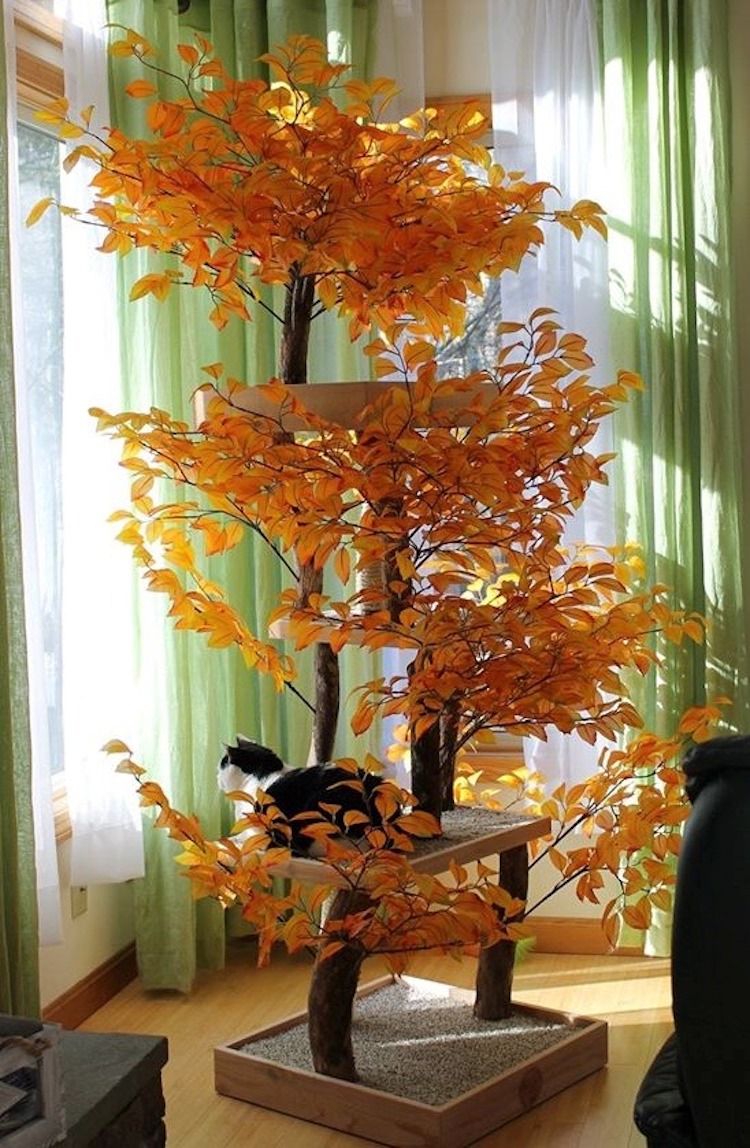
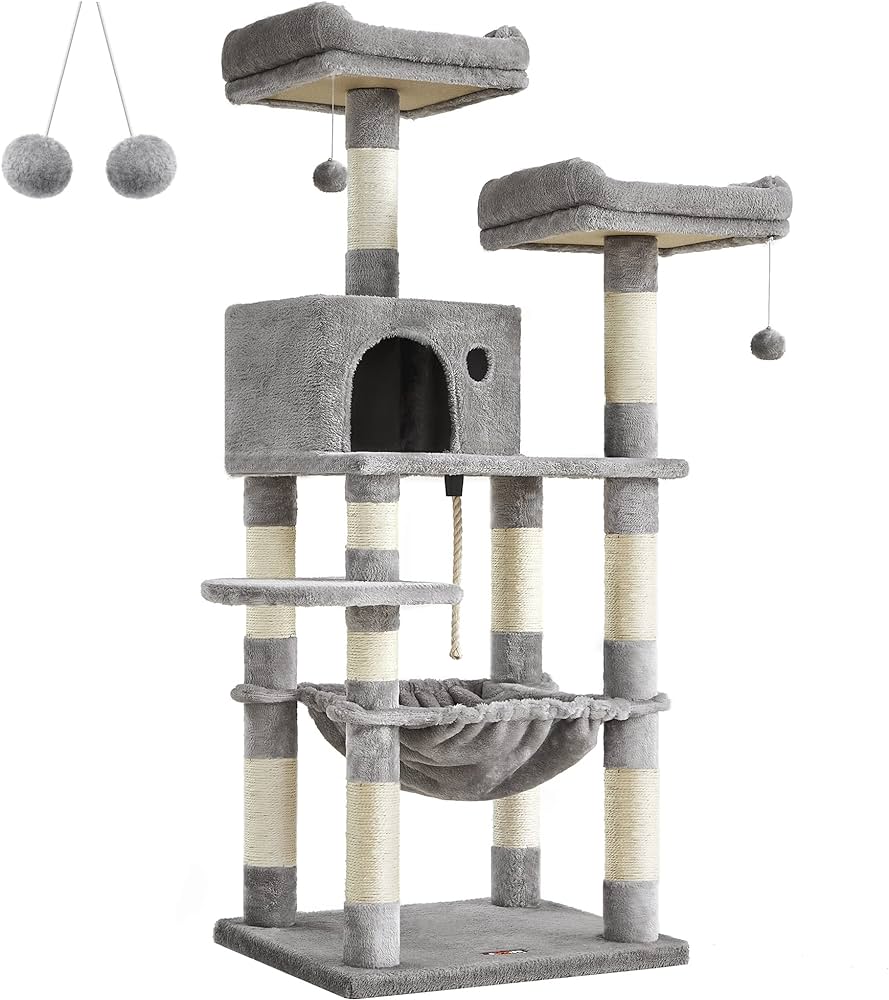
A cat tree, also known as a cat tower or cat condo, is a piece of furniture designed specifically for cats. It serves as a climbing structure and provides various levels and platforms for cats to play, sleep, and observe their surroundings. Cat trees are typically made of sturdy materials such as wood, carpet, and sisal rope, and may include features like scratching posts, perches, tunnels, and toys. They are a popular choice for cat owners, as they provide a vertical space for cats to exercise and satisfy their natural instincts.
Definition of a cat tree
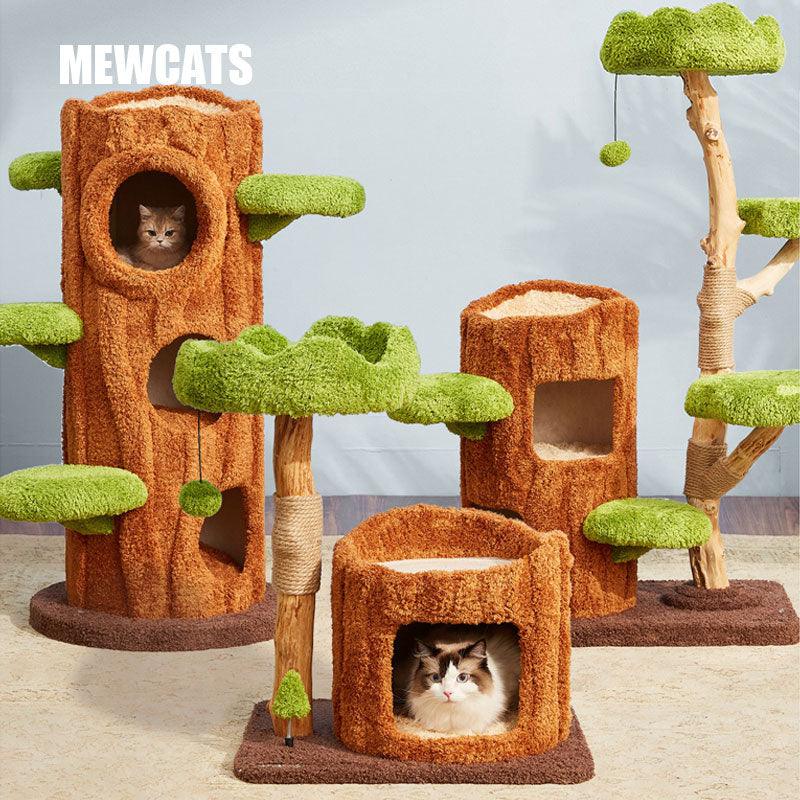
A cat tree is a vertical structure that offers multiple levels, platforms, and amenities for cats. It usually consists of one or more scratching posts, sleeping areas, perches, and toys. Cat trees vary in size and design, ranging from small and compact options suitable for single cats to large and elaborate ones that can accommodate multiple cats. They are designed to mimic a cat’s natural environment, providing them with opportunities to climb, scratch, perch, and hide. Cat trees can be purchased from pet stores, online retailers, or even made at home using DIY materials.
Types of cat trees
Cat trees come in various shapes, sizes, and styles to cater to different cats’ preferences and available space. Here are some common types of cat trees:
-
Classic cat tree: This type typically features multiple levels, platforms, scratching posts, and sleeping areas. It is suitable for cats of all ages and activity levels.
-
Condo cat tree: Condo cat trees have enclosed spaces or cubbies where cats can retreat and feel secure. They often have scratching posts and perches as well.
-
Wall-mounted cat tree: Instead of occupying floor space, these cat trees are mounted on walls. They consist of shelves, perches, and climbing steps, providing a vertical playground for cats.
-
Modular cat tree: Modular cat trees consist of separate components that can be rearranged and combined in different ways to create a customized play area for cats.
-
Outdoor cat tree: Designed for outdoor use, these cat trees are made from weather-resistant materials and often have built-in shelters or enclosed spaces to protect cats from the elements.
When choosing a cat tree, consider your cat’s size, age, and activity level, as well as your available space and design preferences. It’s important to select a cat tree that can accommodate your cat’s needs and provide a safe and stimulating environment for them.
Why is monitoring for wear and tear important?
Regularly monitoring your cat tree for wear and tear is essential for several reasons. It helps prevent accidents and injuries, maintains the cat tree’s stability, and avoids damage to household items.
Preventing accidents and injuries
Over time, cat trees may develop weak spots, loose joints, or damaged parts. If these issues go unnoticed, they can pose a risk to your cat’s safety. For example, a loose platform could collapse under your cat’s weight, causing them to fall and potentially injure themselves. By monitoring your cat tree for wear and tear, you can identify and address any potential hazards before they lead to accidents or injuries.
Maintaining the cat tree’s stability
Cats are active and agile creatures, and they can put a lot of stress on their play structures. Regular monitoring allows you to check for any signs of instability, such as wobbling platforms or loose connections. By addressing these issues promptly, you can reinforce the stability of the cat tree and ensure that it can withstand your cat’s activities without toppling over or collapsing.
Avoiding damage to household items
When a cat tree is in a state of disrepair, cats may seek alternative surfaces to scratch or climb, such as furniture, curtains, or carpets. This can result in damage to your household items and costly repairs or replacements. By monitoring and maintaining your cat tree, you provide your cat with a suitable outlet for their scratching and climbing needs, reducing the likelihood of them damaging other belongings.
Signs of wear and tear to look out for
Regularly inspecting your cat tree allows you to identify signs of wear and tear that may require attention or repairs. Here are some common signs to look out for:
Loose or wobbly platforms
Check if any of the platforms on your cat tree are loose or wobbly. This could indicate weakened connections or damaged fittings. Gently shake the cat tree and observe if any components move more than they should. If you notice any instability, it’s important to address it promptly to prevent accidents.
Scratched or frayed fabric
Inspect the fabric covering of your cat tree for any signs of scratching or fraying. Cats naturally use their claws to scratch surfaces, and over time, the fabric can wear down or tear. Excessive damage to the fabric may compromise the overall integrity of the cat tree and require repairs or replacement.
Broken or missing parts
Check all the components of your cat tree, including perches, platforms, scratching posts, and toys, for any broken or missing parts. Look for signs of splintering wood, bent metal, or detached elements. Broken or missing parts can make the cat tree unsafe for your cat and may need to be repaired or replaced.
How to monitor your cat tree
Regular monitoring of your cat tree is crucial for maintaining its condition and ensuring your cat’s safety. Here are some steps you can take to effectively monitor your cat tree:
Regular visual inspection
Set aside some time every few weeks to visually inspect your cat tree. Look for any signs of wear and tear, including loose components, frayed fabric, or damaged parts. Take note of any areas that require attention or repairs.
Checking the stability
Test the stability of the cat tree by giving it a gentle shake or pressing down on different components. Ensure that the cat tree remains sturdy and secure. If you notice any wobbling or instability, investigate and address the underlying cause before it worsens.
Examining fabric and materials
Carefully examine the fabric covering and materials of the cat tree, paying attention to any signs of damage or excessive wear. Check for frayed fabric, unraveling threads, or holes that may compromise the structure. Additionally, inspect other materials, such as wood or metal, for any cracks, splinters, or rust.
Assessing scratching posts and toys
Inspect the scratching posts and toys attached to the cat tree. Make sure they are securely fastened and in good condition. Look for signs of excessive wear, such as shredded sisal rope or detached toys. Replace or repair any damaged or worn-out scratching posts or toys as needed.
By regularly monitoring your cat tree, you can stay proactive in maintaining its condition and addressing any issues before they escalate.
Tips for extending the lifespan of your cat tree
To ensure your cat tree lasts as long as possible and remains in good condition, follow these tips:
Proper assembly and installation
When setting up your cat tree, carefully follow the manufacturer’s assembly instructions to ensure it is structurally sound. Use the provided hardware and tighten all connections securely. If your cat tree requires wall mounting, ensure it is securely attached to prevent accidents. Taking the time to properly assemble and install the cat tree will contribute to its longevity.
Regular cleaning and maintenance
Keep your cat tree clean by regularly dusting or vacuuming it to remove loose hair and debris. If the fabric covering is removable, follow the manufacturer’s instructions for cleaning. Regular maintenance helps prevent the accumulation of dirt and grime, keeping the cat tree in better condition for longer.
Providing alternative scratching surfaces
To reduce the wear and tear on your cat tree’s scratching posts, provide your cat with alternative scratching surfaces. This can include dedicated scratching posts, cardboard scratchers, or sisal mats. By offering additional options, you can distribute the scratching behavior and minimize damage to the cat tree.
Trimming your cat’s nails
Regularly trimming your cat’s nails can help prevent excessive scratching damage to the cat tree’s fabric and other materials. Shorter nails are less likely to catch and shred fabric, reducing wear and tear. Consult with your veterinarian or a professional groomer for guidance on how to safely trim your cat’s nails.
Replacing worn-out parts
As your cat tree ages, certain components may become worn out or damaged beyond repair. Instead of replacing the entire cat tree, consider replacing individual parts, such as scratching posts or fabric coverings. Many manufacturers offer replacement parts, allowing you to extend the lifespan of your cat tree without the need for a complete replacement.
Common causes of wear and tear on cat trees
Several factors contribute to the wear and tear experienced by cat trees. Understanding these common causes can help you address them more effectively:
Frequent use by multiple cats
Cat trees that are used by multiple cats are subject to increased wear and tear. More cats mean more activity, scratching, and climbing, which can lead to faster deterioration of the cat tree. If you have multiple cats, consider investing in a more durable and sturdy cat tree that can handle their combined weight and activity levels.
Excessive scratching
Cats have a natural instinct to scratch, both for claw maintenance and marking territory. While scratching is a healthy behavior, it can cause significant wear and tear on the cat tree’s fabric coverings. Providing alternative scratching surfaces and regular nail trims can help minimize the damage caused by excessive scratching.
Playing rough or jumping from high platforms
Cats love to play and jump, and they may engage in rough play or leap from high platforms on the cat tree. These activities can put a strain on the cat tree’s structure and components, potentially leading to accelerated wear and tear. Monitoring your cats’ play behavior and setting limits can help prevent excessive stress on the cat tree.
Choosing a high-quality and durable cat tree
Selecting a high-quality and durable cat tree is essential for long-term satisfaction and safety. Consider the following factors when choosing a cat tree:
Researching different brands and models
Take the time to research various brands and models of cat trees before making a purchase. Look for reputable manufacturers known for producing high-quality and durable products. Read customer reviews and testimonials to gain insights into the overall satisfaction and durability of specific cat trees.
Reading customer reviews
Customer reviews can provide valuable information about the durability and longevity of a cat tree. Look for reviews from customers who have had the cat tree for an extended period and inquire about its performance over time. Pay attention to any recurring issues or concerns mentioned in the reviews.
Examining materials and construction
Inspect the materials used in the construction of the cat tree. Opt for sturdy materials such as solid wood or thick particle board for the frame and base. Ensure that the fabric covering is made from durable materials that can withstand scratching and rough play. Additionally, examine the overall construction of the cat tree to ensure it is solid and well-built.
Considering the number of cats it can accommodate
If you have multiple cats or plan to expand your furry family in the future, choose a cat tree that can comfortably accommodate all your cats. Check the weight and size limitations provided by the manufacturer to ensure the cat tree can handle the combined activity levels and weight of your cats.
Benefits of monitoring your cat tree for wear and tear
Regularly monitoring your cat tree for wear and tear offers several benefits:
Ensuring the safety of your cats
By identifying and addressing any potential hazards or instability, you can help prevent accidents or injuries to your cats. A well-maintained cat tree ensures a safe and secure environment for your feline companions to play, climb, and rest.
Prolonging the lifespan of the cat tree
Regular maintenance and timely repairs can extend the lifespan of your cat tree. By addressing wear and tear issues promptly, you can prevent them from escalating and causing further damage to the cat tree’s structure.
Saving money on replacements
Proactive monitoring and maintenance of your cat tree can help avoid the need for frequent replacements. By addressing small issues before they worsen, you can save money in the long run by avoiding the cost of purchasing a new cat tree.
Maintaining a visually appealing environment
A well-maintained cat tree adds to the overall aesthetics of your home. Regular monitoring and repairs ensure that the cat tree remains visually appealing, enhancing the overall ambiance of your living space.
Conclusion
Regular monitoring for wear and tear is crucial for maintaining the safety and longevity of your cat tree. It helps prevent accidents and injuries, maintains the stability of the cat tree, and avoids damage to household items. By following the tips provided and taking proactive steps to address any issues, you can ensure that your cat tree remains a sturdy and enjoyable space for your cats. Remember to research and choose a high-quality cat tree that suits your cats’ needs and monitor it regularly to provide a safe and stimulating environment for your feline companions.