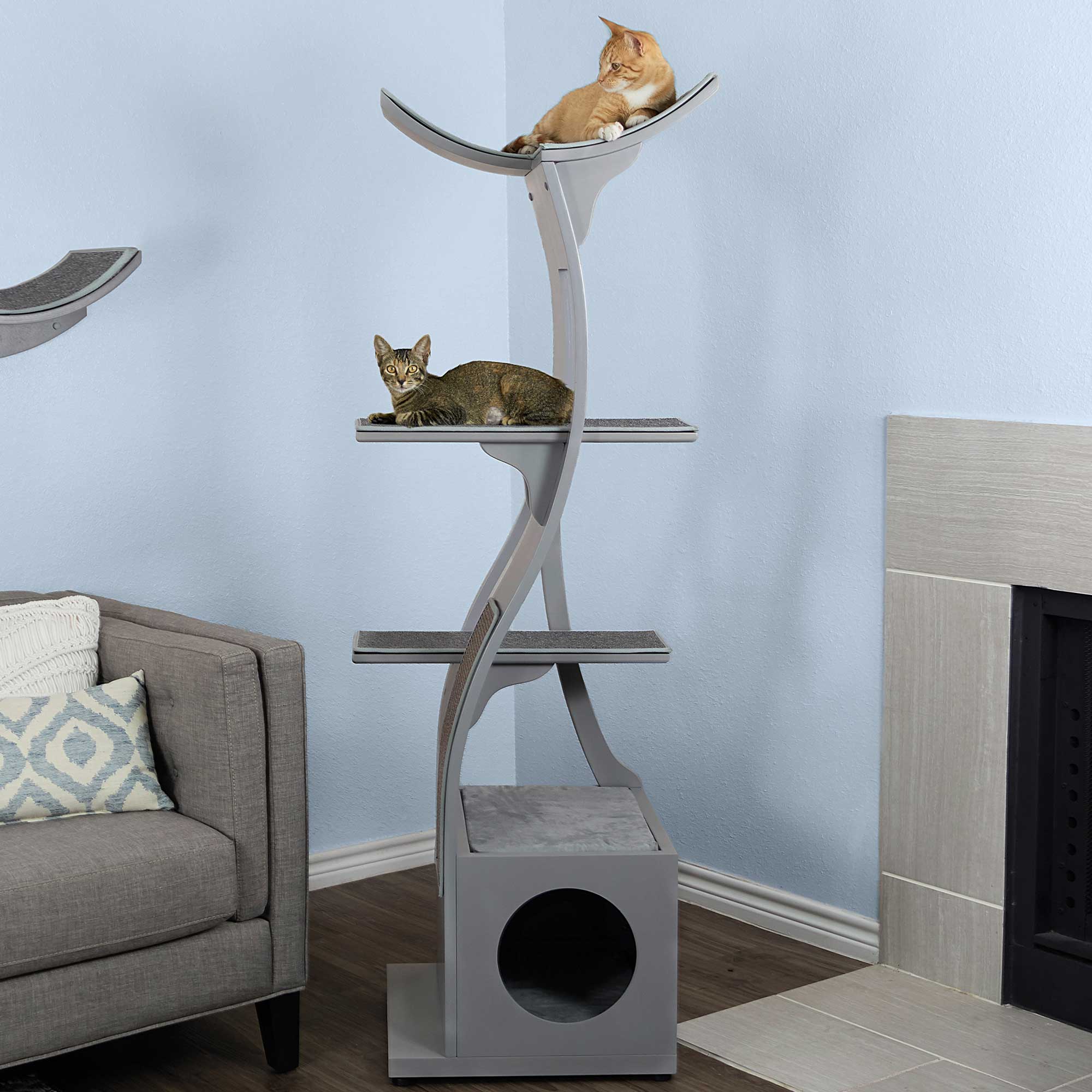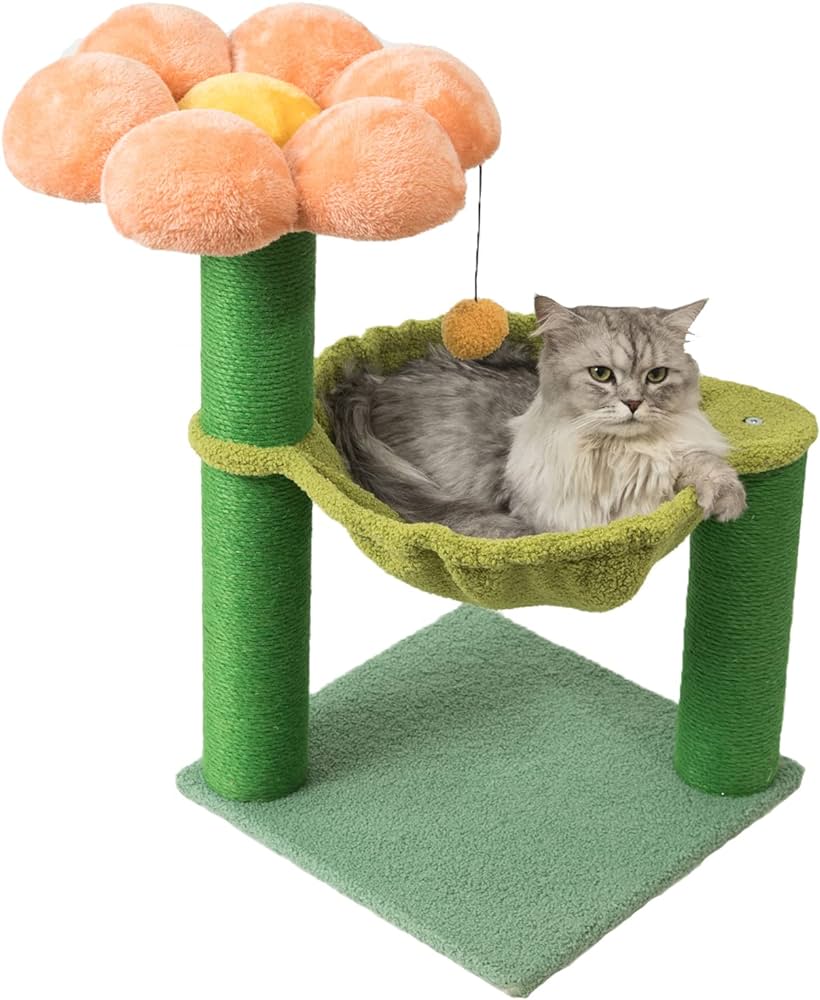
If you’ve recently purchased a new cat tree for your feline friend, you may be wondering how to encourage them to actually use it. Well, look no further! In this article, we will explore the power of positive reinforcement and rewards when it comes to getting your cat to embrace their new furniture. Whether your goal is to keep them entertained, prevent them from scratching your furniture, or simply provide them with a cozy spot to relax, we’ve got you covered. So, let’s dive into the world of cat trees and discover how to make them irresistible to your beloved pet.
This image is property of pixabay.com.
Rewarding with Treats
Using treats as a positive reinforcement
When it comes to training your cat to use a new cat tree, one effective method is to use treats as a positive reinforcement. Cats are naturally motivated by food, so utilizing treats can help incentivize them to engage with the tree. By offering a tasty treat each time your cat uses the tree, you are reinforcing the behavior and encouraging them to continue using it.
Choosing healthy treats
While using treats as a reward, it’s important to choose healthy options for your cat. Opt for treats that are specifically designed for feline consumption and avoid those with excessive fillers or artificial ingredients. This not only ensures that your cat is receiving proper nutrition, but also helps maintain their overall health and well-being. Treats made from real meat or fish are often a great choice, as they appeal to a cat’s natural carnivorous instincts.
Gradually reducing treat rewards
Once your cat has become accustomed to using the cat tree, it’s important to gradually reduce the frequency of treat rewards. This helps prevent dependency on treats and encourages your cat to continue using the tree even without the immediate reward. Start by offering treats every other time your cat uses the tree, then gradually decrease the frequency to once in a while. This way, your cat will still feel rewarded for their behavior, but will eventually rely less on treats and more on the pleasure of using the tree itself.
Verbal Praise and Affection
Using verbal praise as a reward
In addition to treats, verbal praise can be a powerful tool to reinforce your cat’s behavior on the cat tree. Cats are highly attuned to our voices and respond positively to verbal encouragement. Use a warm and cheerful tone of voice, and say things like “Good job!” or “What a clever kitty!” when your cat climbs or scratches on the tree. This positive reinforcement will make your cat feel appreciated and motivate them to continue engaging with the tree.
Providing affection as a reward
Cats thrive on affection, and offering it as a reward can further reinforce their use of the cat tree. After your cat successfully uses the tree, spend some quality time together. Pet them, give them gentle scratches behind the ears, or simply curl up with them on a nearby couch. This physical affection not only strengthens your bond with your cat, but also creates positive associations with their interactions on the cat tree.
Using a consistent tone of voice
Consistency is key when using verbal praise and affection as rewards. Make sure to use the same tone of voice and phrases consistently each time your cat utilizes the cat tree. This consistency helps your cat understand that their actions are being acknowledged and rewarded. It also makes the training process more clear and effective, as your cat learns to associate your tone of voice with positive reinforcement.
This image is property of pixabay.com.
Playtime Rewards
Using playtime as a reward
Playtime can be a fantastic reward for your cat’s use of the new cat tree. Cats are naturally playful creatures, and engaging in interactive play sessions can be a highly stimulating and enjoyable experience for them. After your cat uses the tree, set aside some dedicated playtime where you use toys that your cat loves. Engage them in activities like chasing a feather wand, playing with a laser pointer, or batting at a toy mouse. By associating playtime with their use of the cat tree, you are encouraging them to continue utilizing it.
Incorporating interactive toys
To make playtime even more rewarding, consider incorporating interactive toys that can be attached to or near the cat tree. Toys such as dangling strings, hanging balls, or crinkly tunnels can pique your cat’s curiosity and encourage them to explore and utilize the tree. These interactive toys not only provide mental and physical stimulation, but also serve as additional rewards for your cat’s interactions with the tree.
Creating a designated play area
To enhance the reward system, create a designated play area near the cat tree. This area should be equipped with toys, scratching posts, and other cat-friendly attractions. By designating this space specifically for play, you are reinforcing the positive association between playtime and the cat tree. It also provides a convenient location for your cat to engage in activities and rewards them for using the tree by offering a fun and stimulating environment.
Scratching Posts as Rewards
Encouraging cat tree use with scratching posts
If your cat is particularly fond of scratching, you can use scratching posts as an additional reward for using the cat tree. Place scratching posts near the tree and encourage your cat to use them after they have climbed or played on the tree. Scratching is a natural behavior for cats, and providing designated scratching areas can redirect their attention away from your furniture and onto the cat tree. By rewarding their use of the tree with a scratching post, you are reinforcing the desired behavior and satisfying their scratching instincts.
Using catnip to attract cats to the tree
To further entice your cat to use the cat tree, consider incorporating catnip. Catnip is an herb that cats are highly attracted to, and its intoxicating effect can be a powerful motivator for them to engage with the tree. Sprinkle some catnip on the levels or platforms of the tree to attract your cat’s attention. This fragrant reward not only makes the tree more appealing, but also stimulates your cat’s senses and encourages them to explore and use it.
Rewarding with a temporary scratching post
For cats who are especially motivated by scratching, consider introducing a temporary scratching post as a special reward. This can be a smaller, portable scratching post that can be placed near the cat tree. Each time your cat successfully uses the tree, bring out the temporary scratching post and let them enjoy a satisfying scratch. This additional reward reinforces their interaction with the tree and provides extra stimulation for their scratching needs.
This image is property of pixabay.com.
Interactive Feeder as a Reward
Using puzzle feeders to reward cat tree use
Another unique way to reward your cat for using the tree is by using an interactive feeder. Puzzle feeders are specially designed feeding devices that require your cat to solve a puzzle or manipulate the feeder to access their food. After your cat uses the cat tree, place their meal or some treats in the puzzle feeder and let them enjoy the challenge. This not only rewards their use of the tree, but also provides mental stimulation and keeps them entertained.
Providing mental stimulation while eating
In addition to puzzle feeders, there are other ways to provide mental stimulation while your cat is eating and using the cat tree. One option is to scatter their kibble or small treats throughout the tree, encouraging them to explore different parts and platforms to find their food. This engages their natural hunting instincts and rewards their curiosity and exploration. Another option is to use treat-dispensing toys that require your cat to interact and problem-solve in order to access their food. These mental challenges provide a rewarding experience and enrich your cat’s mealtime.
Choosing an appropriate interactive feeder
When selecting an interactive feeder, consider your cat’s size, age, and skill level. Start with simpler designs and gradually increase the difficulty as your cat becomes more proficient. There are various types of interactive feeders available, such as maze feeders, puzzle balls, and slow feeders. Choose one that suits your cat’s preferences and abilities, ensuring that the feeder is safe, durable, and easy to clean. By providing appropriate mental stimulation through interactive feeders, you can reward your cat for using the cat tree while also promoting their cognitive development.
Creating a Cozy Environment
Adding soft blankets or cushions
To enhance the appeal of the cat tree and reward your cat for using it, consider adding soft blankets or cushions to create a cozy environment. Cats are naturally drawn to comfortable and plush surfaces, so providing a soft resting spot on the tree can be highly rewarding for them. Choose blankets or cushions that are washable and easy to maintain, and make sure they fit securely on the platforms or levels of the tree. The addition of these cozy accessories not only provides a comfortable reward for your cat, but also enhances their overall relaxation and enjoyment of the tree.
Introducing familiar scents
Cats have a highly developed sense of smell, and introducing familiar scents to the cat tree can make it more appealing and rewarding. Rub a soft cloth or towel on areas where your cat likes to sleep or on their favorite blanket, then rub the cloth onto the surfaces of the tree. This transfers the scent onto the tree, creating a familiar and reassuring environment for your cat. The presence of these familiar scents helps your cat associate the tree with positive experiences and rewards, making them more likely to use it.
Ensuring the cat tree is placed in a comfortable area
The location of the cat tree plays a significant role in creating a cozy environment and rewarding your cat’s use of it. Place the tree in an area that your cat already finds comfortable, such as a sunny spot or near a window with a view. Cats enjoy being able to observe their surroundings, so positioning the tree where they can see the outside world or other interesting activities can be highly rewarding for them. Avoid placing the tree in high-traffic areas or in noisy spots, as these may deter your cat from using it. By selecting the right location, you not only create a cozy environment, but also maximize the rewards associated with the cat tree.
Visual Encouragement
Using toys or objects near the cat tree
Another way to reward and encourage your cat to use the cat tree is by placing toys or appealing objects near it. Cats are naturally curious and instinctively attracted to moving objects, so having toys nearby can capture their attention and motivate them to explore and interact with the tree. Place a few favorite toys, catnip-filled mice, or even a jingly ball in close proximity to the tree. This visual stimulation and invitation to play rewards your cat for using the tree and helps maintain their interest and engagement.
Placing the cat tree near a window
Cats are notorious for their love of sunbathing and bird-watching, so positioning the cat tree near a window can be a highly rewarding experience for them. By providing a view of the outside world, you are offering your cat constant visual stimulation, which can be a reward in itself. They can enjoy watching birds fly by, squirrels playing, or simply bask in the warmth of the sun’s rays. This proximity to nature and the ever-changing scenery will undoubtedly reward your cat and make their experience on the tree even more enjoyable.
Utilizing visual cues to attract the cat
Using visual cues can be an effective way to attract and reward your cat’s use of the new cat tree. One example is to hang a favorite toy or a feather teaser from the topmost platform, gently swaying in the air. This visually enticing display encourages your cat to climb and explore the tree, enticing them with a potential reward. Another option is to attach a dangling string or ribbon on one of the platforms, mimicking the movement of prey and appealing to their hunting instincts. By utilizing visual cues, you are actively engaging your cat and rewarding their curiosity and playfulness.
Gradual Introduction and Rewards
Introducing the cat tree slowly
When introducing a new cat tree to your feline friend, it’s important to take a gradual approach. Cats can be cautious or hesitant when faced with unfamiliar objects, so give them time to adjust and explore the tree at their own pace. Start by placing the tree in a room where your cat spends a lot of time, but away from any potential stressors. Allow your cat to investigate the tree at their own leisure, showing support and encouragement without forcing them to interact with it. This gentle introduction sets the foundation for a positive and rewarding experience with the cat tree.
Rewarding small steps towards using the tree
During the initial introduction phase, reward your cat for any small steps towards using the tree. This can include approaching the tree, sniffing or investigating it, or even just sitting nearby. Offer treats, verbal praise, or affection each time your cat engages in these behaviors, reinforcing their positive associations with the tree. By rewarding small steps, you are gradually building your cat’s confidence and encouraging them to take further action in using the tree.
Building positive associations with the tree
Building positive associations between your cat and the cat tree is crucial for successful training. Provided your cat is comfortable exploring the tree, make sure to reward their use of it consistently. Offer praise, treats, or playtime whenever your cat climbs, scratches, or spends time on the tree. Additionally, consider incorporating your cat’s favorite activities or treats while they are on the tree to reinforce positive associations. By consistently rewarding your cat’s interactions with the tree, you are creating a positive and rewarding experience that will encourage continued use.
Clicker Training
Using a clicker to mark desired behaviors
Clicker training is a popular method that uses a handheld clicker to mark desired behaviors. The clicker produces a distinct sound that is associated with the rewarding action, signaling to the cat that they have performed the behavior correctly. When your cat climbs, scratches, or interacts with the tree in the desired way, click the clicker and follow it up with a reward such as treats or affection. This clear and consistent communication helps your cat understand what behaviors are being rewarded and reinforces their use of the cat tree.
Pairing the clicker with a reward
When using a clicker, it’s essential to pair it with a reward to facilitate the learning process. After clicking the clicker to mark the desired behavior, immediately follow it up with a reward such as a treat or praise. This creates an association between the click sound and the subsequent reward, helping your cat understand that the click signifies a job well done. Over time, your cat will come to anticipate and seek out the clicker as an indicator of a forthcoming reward, making the training process more efficient and enjoyable.
Gradually fading out the need for the clicker
As your cat becomes more proficient in using the cat tree, you can gradually fade out the use of the clicker. Start by decreasing the frequency of clicker use and relying more on verbal cues and rewards. Eventually, your cat will have built a strong association between the desired behaviors and the rewards themselves, making the clicker unnecessary. This fade-out process should be done gradually to ensure that your cat doesn’t lose motivation or become confused. By gradually fading out the clicker, you are encouraging your cat to internalize the desired behaviors and rely on their own positive associations.
Monitoring and Adjusting Rewards
Evaluating the effectiveness of rewards
Throughout the training process, it’s important to regularly evaluate the effectiveness of the rewards you are using. Pay attention to your cat’s response and behavior. If your cat is not motivated by a particular reward, it may be necessary to switch to a different type of reward that better aligns with their preferences. Additionally, keep in mind that cats’ preferences can change over time, so what may have been rewarding initially may no longer be as enticing. By monitoring your cat’s response to rewards, you can make necessary adjustments to ensure that the training remains effective and engaging for your feline companion.
Modifying the rewards as needed
As you continue training your cat to use the cat tree, be open to modifying the rewards as needed. Every cat is unique and what may be enticing for one cat may not be for another. If you find that your cat is becoming less motivated by a particular reward, try switching to a different type of treat, toy, or form of affection. Experiment with different options to find what truly rewards and motivates your cat’s behavior on the tree. Tailoring the rewards to your cat’s preferences will optimize their training experience and increase the likelihood of success.
Maintaining a consistent reward system
Consistency is key when it comes to rewarding your cat for using the cat tree. Establish a clear reward system and stick to it throughout the training process. This means consistently offering the same type of reward (whether it be treats, praise, playtime, or affection) for the desired behaviors. Additionally, be consistent in the timing of the rewards. Give the reward immediately after your cat engages with the tree to ensure they make the positive association. By maintaining a consistent reward system, you provide clear expectations for your cat and enhance the effectiveness of the training process.