If you’ve ever wondered whether your feline friend could use a little more joy in their lives, then the concept of cat trees might just be the key to unlocking their ultimate happiness. These towering structures not only serve as a playground for our whiskered companions but also provide them with a space to indulge in their instincts and explore their surroundings. The question of whether cat trees truly make cats happier is an intriguing one, and we’re here to delve into the topic and uncover the secrets behind these purr-fect additions to our homes. So, grab a cup of coffee, settle in, and let’s explore the fascinating world of cat trees and the joy they might bring to your furry companion.
Physical and Mental Stimulation
Provides Physical Exercise
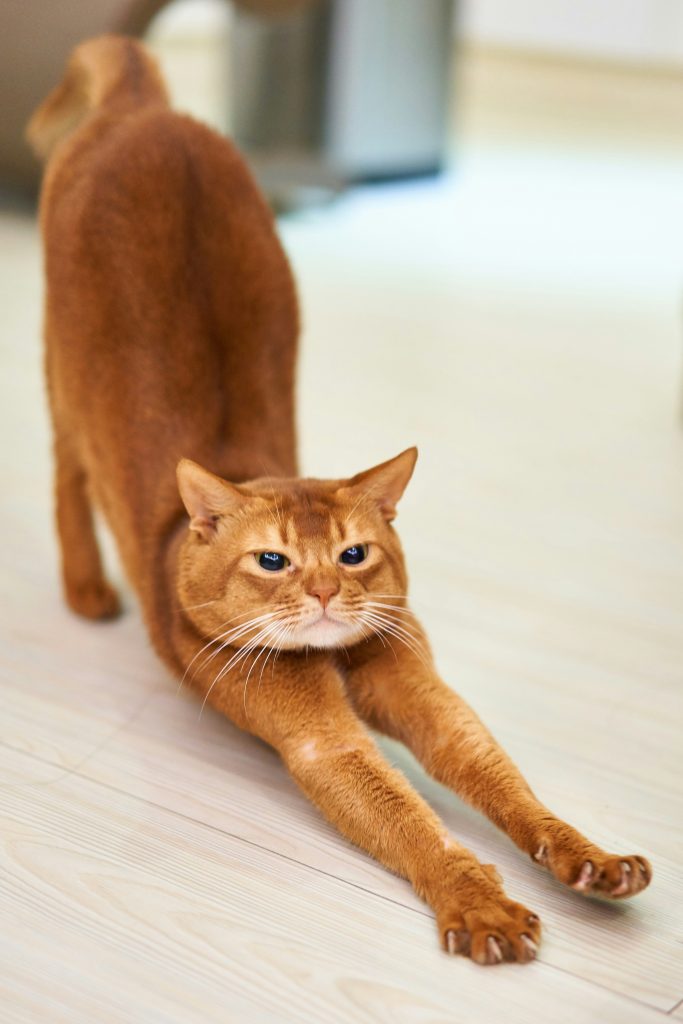
A cat tree can significantly contribute to your cat’s physical exercise. With platforms at different heights, your cat can leap, climb, and explore, providing them with the opportunity to stretch their muscles and get their heart rate up. Regular physical activity helps to prevent obesity and maintain a healthy weight for your feline friend.
Promotes Climbing and Jumping
Cats are natural climbers and jumpers, and a cat tree offers them the perfect outlet for these behaviors. By providing multiple levels and platforms, your cat can engage in their instinctual desire to climb and jump, promoting a sense of agility and physical prowess. This promotes overall muscle strength and coordination, keeping your cat fit both mentally and physically.
Offers Perches for Elevated Views
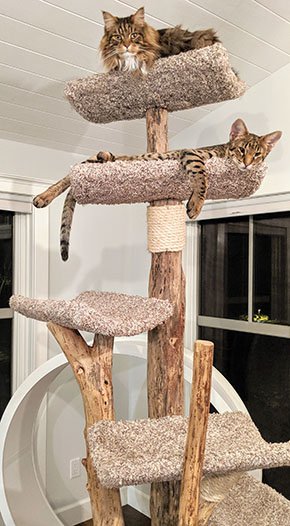
Cats enjoy having a high vantage point from which they can survey their surroundings. A cat tree provides elevated perches that allow your furry companion to indulge in their innate curiosity and observe their environment comfortably. This sense of height and overview contributes to a cat’s mental stimulation, making them feel more secure and in control of their territory.
Encourages Scratching Behavior
Cats have an instinctual need to scratch, which helps them keep their claws healthy and maintained. Providing a cat tree with scratching posts or surfaces encourages your cat to satisfy this natural behavior without damaging your furniture or belongings. It not only keeps their claws in great shape but also provides mental satisfaction, enhancing their overall well-being.
Sense of Territory and Ownership
Creates a Vertical Territory
Cats have a strong sense of territoriality, and a cat tree can help them establish their vertical territory. By claiming different levels and perches on the tree, your cat feels a sense of ownership and control over their designated space. This vertical territory helps cats establish boundaries and reduces the likelihood of territorial conflicts with other cats or animals in the household.
Offers Multiple Levels for Cats to Claim
A cat tree with various levels provides opportunities for multiple cats to claim their own spots. With different platforms and perches, cats can establish hierarchy and individual space, reducing tension and potential conflicts. Multiple levels also allow cats to comfortably rest or observe their surroundings without feeling crowded or overwhelmed.
Provides Private Spaces for Rest and Hide
Cats often seek out quiet and cozy areas where they can retreat for some alone time. A cat tree typically includes platforms, cubbies, or enclosed spaces that provide your feline companion with private, secluded areas for rest or hiding. These spaces become their safe havens, reducing stress and giving them the freedom to recharge in a relaxed and secure environment.
Prevents Conflict Between Cats
Just like humans, cats can occasionally face conflicts or disagreements. A cat tree offers each cat a personalized space and a chance to escape potential conflict situations. By providing separate levels or hiding spots, you can minimize tension and promote a harmonious living environment for multiple cats in your home.
Environmental Enrichment
Provides Entertainment and Play Opportunities
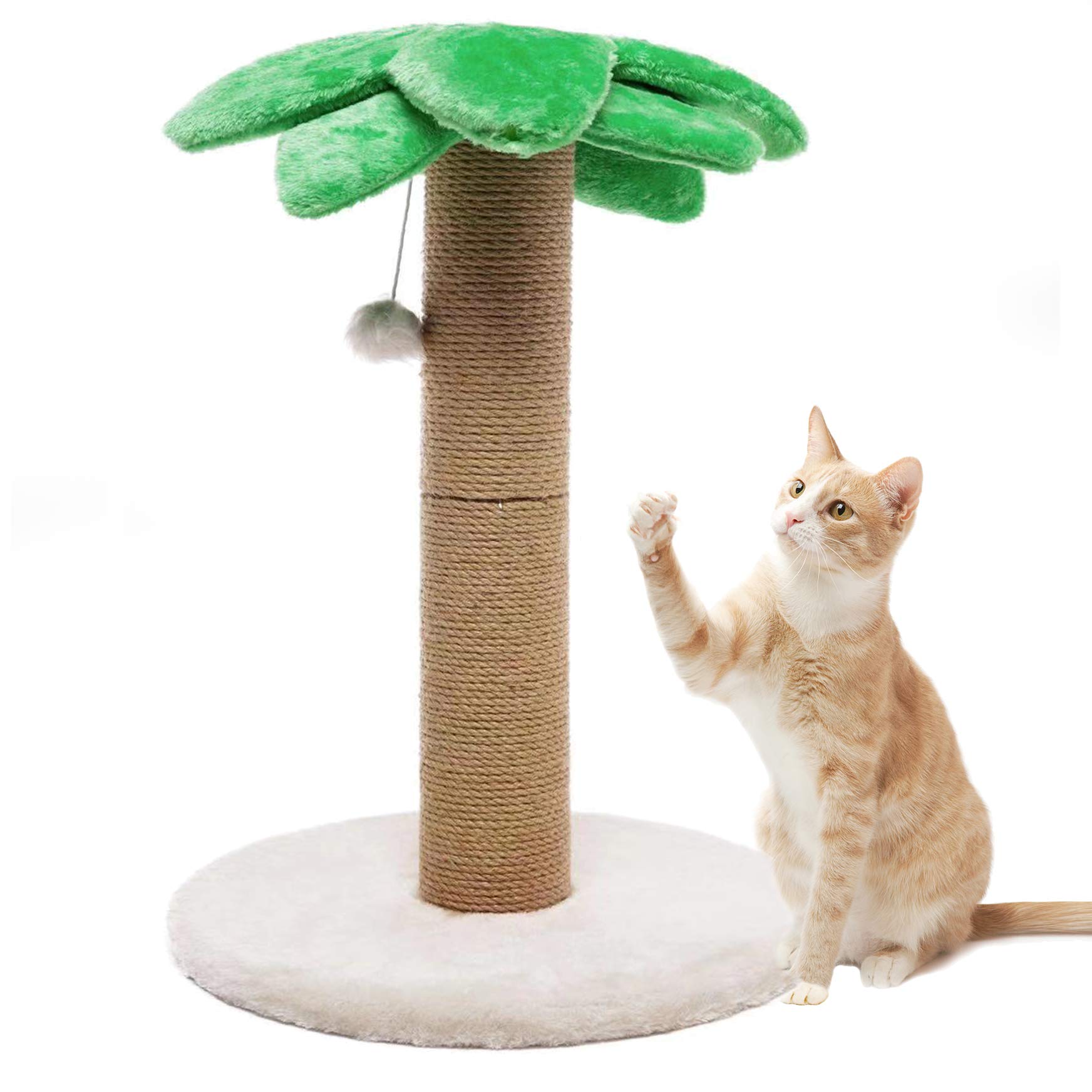
A cat tree is not just a piece of furniture; it’s a source of entertainment and play for your cat. With dangling toys, hanging ropes, or interactive elements, a cat tree stimulates your cat’s natural curiosity and playful instincts. It provides them with a dedicated space where they can engage in active play, keeping them mentally and physically stimulated throughout the day.
Offers Exploration and Adventure
Cats have an innate desire to explore their surroundings. A cat tree with different levels, perches, and hideaways enables your feline friend to engage in thrilling adventures and navigate their own mini jungle. It gives them the opportunity to satisfy their curiosity, discover new perspectives, and keep their minds sharp and engaged.
Stimulates Natural Hunting Instincts
Cats are natural predators, and their hunting instincts play a vital role in their mental well-being. A cat tree can be equipped with toys, feathers, or other interactive elements that simulate prey. By engaging with these toys and objects, your cat can tap into their natural hunting skills, providing mental stimulation and satisfying their primal instincts.
Reduces Boredom and Anxiety
Indoor cats, in particular, are prone to boredom and anxiety due to limited environmental stimulation. A cat tree offers them a variety of activities, spaces, and stimuli to engage with, reducing the chances of boredom and associated behavioral problems, such as excessive meowing or destructive behavior. The mental and physical engagement provided by a cat tree can alleviate anxiety and promote a happier, more balanced cat.
Health and Well-being
Promotes Healthy Exercise and Weight Management
Regular physical exercise is crucial for maintaining a cat’s overall health and weight. A cat tree encourages jumping, climbing, and exploring, providing your cat with the opportunity to burn calories and keep their muscles toned. Engaging in physical activity on a cat tree helps prevent obesity and promotes a healthy weight management system for your feline companion.
Helps to Maintain Good Joint and Muscle Health
As cats age, they may experience joint stiffness or muscle weakness. A cat tree’s various levels and platforms encourage your cat to engage in natural movements, which helps maintain good joint and muscle health. Jumping, climbing, and stretching on a cat tree can keep your cat’s joints supple and their muscles strong, ensuring they stay active and mobile throughout their lives.
Reduces Stress and Supports Mental Health
Cats, like humans, can experience stress and anxiety. A cat tree provides a safe and secure space where your feline friend can retreat to when they need some downtime or relaxation. The elevated perches and private hideaways offer a sense of security, which can reduce stress levels and promote mental well-being. A cat tree serves as a sanctuary, allowing your cat to escape from any potential stressors in their environment.
Provides a Safe Space for Cats to Retreat
Cats are instinctively cautious creatures and appreciate having a safe space they can retreat to when they feel threatened or overwhelmed. A cat tree provides elevated platforms or enclosed spaces that offer a sense of safety and security. It becomes a sanctuary for your cat, providing them with a personal space they can call their own, particularly in multi-pet households.
Alternatives and Considerations
Other Enrichment Options for Cats
While cat trees offer numerous benefits, they may not be suitable for every cat or every living situation. It’s essential to consider alternative enrichment options, such as window perches, puzzle toys, or interactive feeder toys, to keep your cat mentally stimulated and engaged.
Choosing the Right Cat Tree
When selecting a cat tree, it’s crucial to consider your cat’s size, age, and activity level. Choose a cat tree that is sturdy and stable to ensure your cat’s safety. Look for materials that are easy to clean and maintain. Consider the size of your living space and opt for a cat tree that fits seamlessly into your home environment.
Placement and Size Consideration
Where you place the cat tree is also essential. Cats often prefer being near windows or in areas with a view of their surroundings. Additionally, consider placing the cat tree in a location where your cat spends most of their time, such as the living room or near their favorite scratching spots. Ensure sufficient space around the cat tree for your cat to move around comfortably.
Considering Individual Cat Preferences
Every cat is unique, and their preferences may vary. Observe your cat’s behavior and preferences to determine what type of cat tree they would enjoy. Some cats may prefer higher platforms, while others may enjoy snuggling in enclosed spaces. By considering your cat’s individual preferences, you can provide them with a cat tree that meets their specific needs and enhances their overall happiness.
In conclusion, cat trees play a crucial role in providing physical and mental stimulation for our feline friends. By offering exercise opportunities, supporting their sense of territory and ownership, enriching their environment, and promoting their health and well-being, cat trees can indeed make cats happier. Choosing the right cat tree, considering individual cat preferences, and exploring other enrichment options can further enhance the benefits and ensure a harmonious living environment for both you and your beloved feline companion.