If you’re constantly seeking ways to unwind and find solace from the demands of daily life, then stress relief and relaxation might be closer than you think. Allow yourself to be whisked away to a world of tranquility and joy with a simple solution: cat trees. These feline-friendly structures not only provide a cozy spot for your beloved pet, but they can also serve as a source of relaxation and stress relief for you too. Discover how the enchanting world of cat trees can bring a little more serenity into your life.
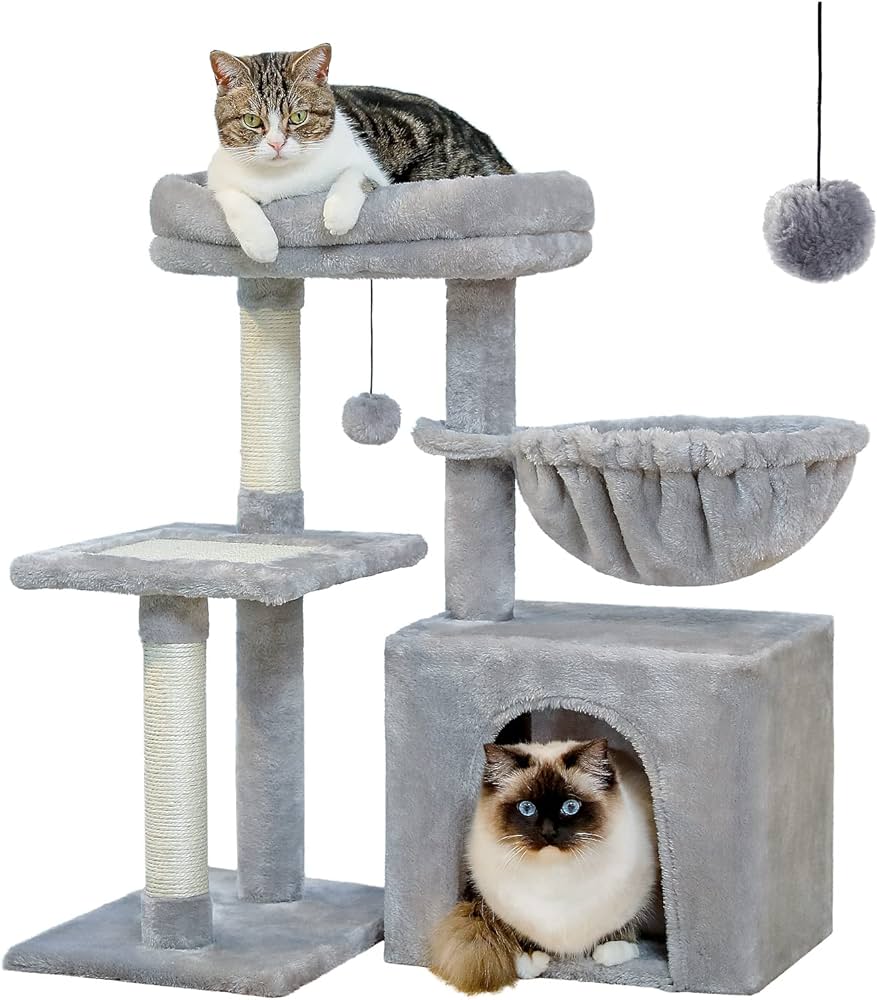
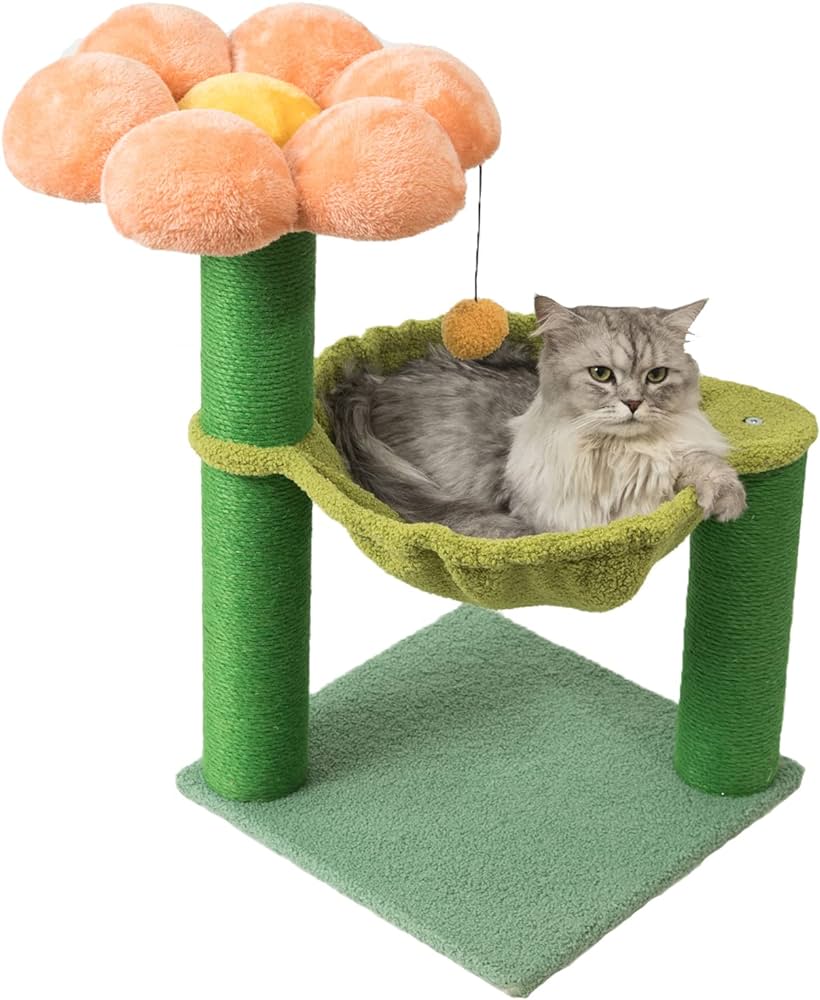
This image is property of cattree.uk.
Benefits of Cat Trees for Stress Relief and Relaxation
Cat trees provide a multitude of benefits for both cats and their owners when it comes to stress relief and relaxation. Here are some of the key advantages:
Physical stimulation and exercise
Cat trees offer various levels, scratching surfaces, and perching opportunities that encourage your cat to climb, jump, and play. This physical activity helps to keep your cat fit and healthy, burning off excess energy and preventing weight gain. Regular exercise provided by a cat tree can also help reduce behavioral problems and channel your cat’s natural instincts in a positive way.
Mental stimulation and enrichment
In addition to physical exercise, cat trees provide mental stimulation and enrichment for your feline friend. The different levels, platforms, and toys on the tree offer opportunities for exploration, problem-solving, and entertainment. This mental stimulation is crucial for cats’ overall well-being and can help prevent boredom, which is often a source of stress and anxiety for cats.
Climbing and perching opportunities
Cats are natural climbers and love to be in elevated positions. Cat trees provide multiple levels and platforms for your cat to climb, jump, and perch on. This allows them to fulfill their instinctual need for vertical space and gives them a sense of security, as they can observe their surroundings from a higher vantage point. Climbing and perching also provide cats with a cozy and comfortable spot to relax and nap, contributing to their overall stress relief.
Safe and secure space for cats
Cat trees offer a safe and secure space for cats to retreat to when they need some privacy or alone time. With cozy hideout cubbies and tunnels, cats can have a designated area all to themselves where they can relax, de-stress, and recharge. This dedicated space can be especially beneficial in multi-cat households or in environments where there are other stressors or potential conflicts.
Reduced anxiety and stress levels
By providing a cat tree, you are creating an environment that promotes relaxation and reduces stress for your cat. The combination of physical stimulation, mental enrichment, climbing opportunities, and a safe space all contribute to lowering anxiety levels. When cats have an outlet for their natural behaviors and can retreat to a secure space, they are less likely to exhibit stress-related behaviors, such as scratching furniture, excessive grooming, or aggression.
Factors to Consider When Choosing a Cat Tree
When selecting a cat tree, there are several important factors to keep in mind to ensure that it meets the needs of both you and your cat:
Size and stability
Consider the size and stability of the cat tree to ensure that it can safely accommodate your cat’s size and weight. A sturdy and stable cat tree is essential to prevent accidents or falls, especially for larger cats or multiple cats using the tree simultaneously. Ensuring that the cat tree is the appropriate size for your space is also important to fit comfortably within your home.
Multiple levels and platforms
Look for a cat tree that offers multiple levels and platforms for your cat to climb, jump, and perch on. The more levels and platforms, the more opportunities for your cat to engage in different activities and find their preferred spots for relaxation. Different levels and platforms also help to cater to multiple cats if you have a multi-cat household.
Scratching posts and surfaces
Cat trees should have scratching posts or surfaces incorporated into their design. Scratching is a natural behavior for cats, and having a designated area for them to fulfill this behavior helps prevent them from damaging your furniture or carpets. Look for cat trees with durable and sisal-wrapped scratching posts to entice your cat to use them.
Toys and interactive features
Consider cat trees that come with built-in toys or interactive features. These features can provide additional mental stimulation and entertainment for your cat. Toys such as hanging toys, teasers, or catnip-infused elements can keep your cat engaged and active, further contributing to stress relief and relaxation.
Material and construction quality
Ensure that the cat tree is made of high-quality materials and is well-constructed. This is important for both the safety and durability of the tree. Look for cat trees that use non-toxic materials and have strong and stable constructions, especially for taller or floor-to-ceiling cat trees.
Modularity and customization options
Some cat trees offer modular or customizable options, allowing you to adjust or add components to suit your cat’s preferences and your home’s layout. This flexibility can be advantageous if you have limited space or specific requirements for your cat tree.
By considering these factors, you can select a cat tree that meets your cat’s needs for stress relief and relaxation while also fitting seamlessly into your home.
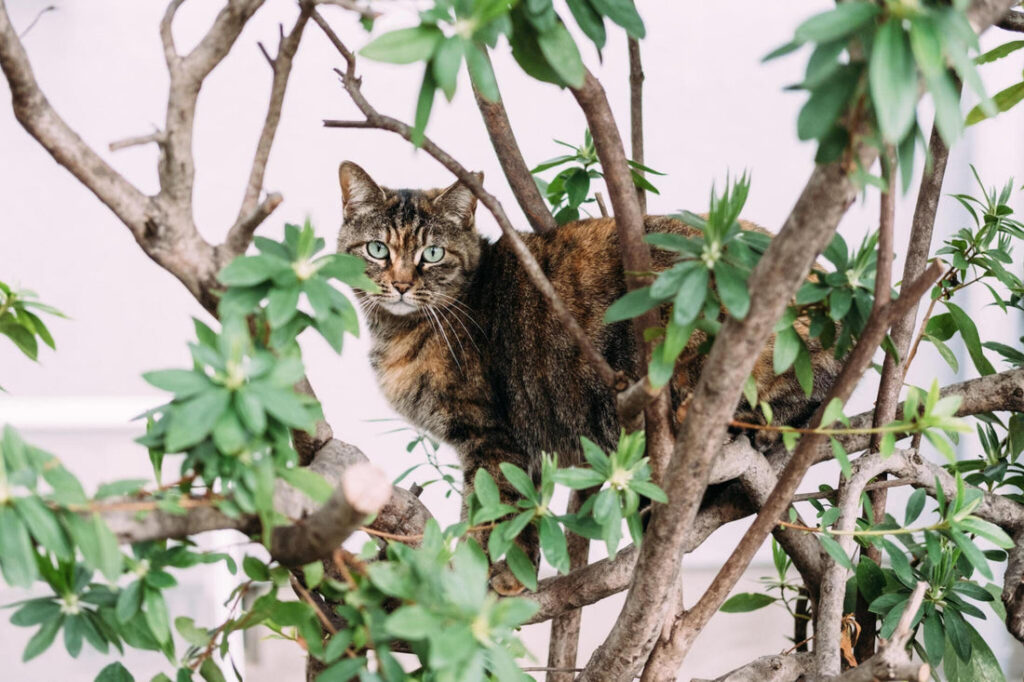
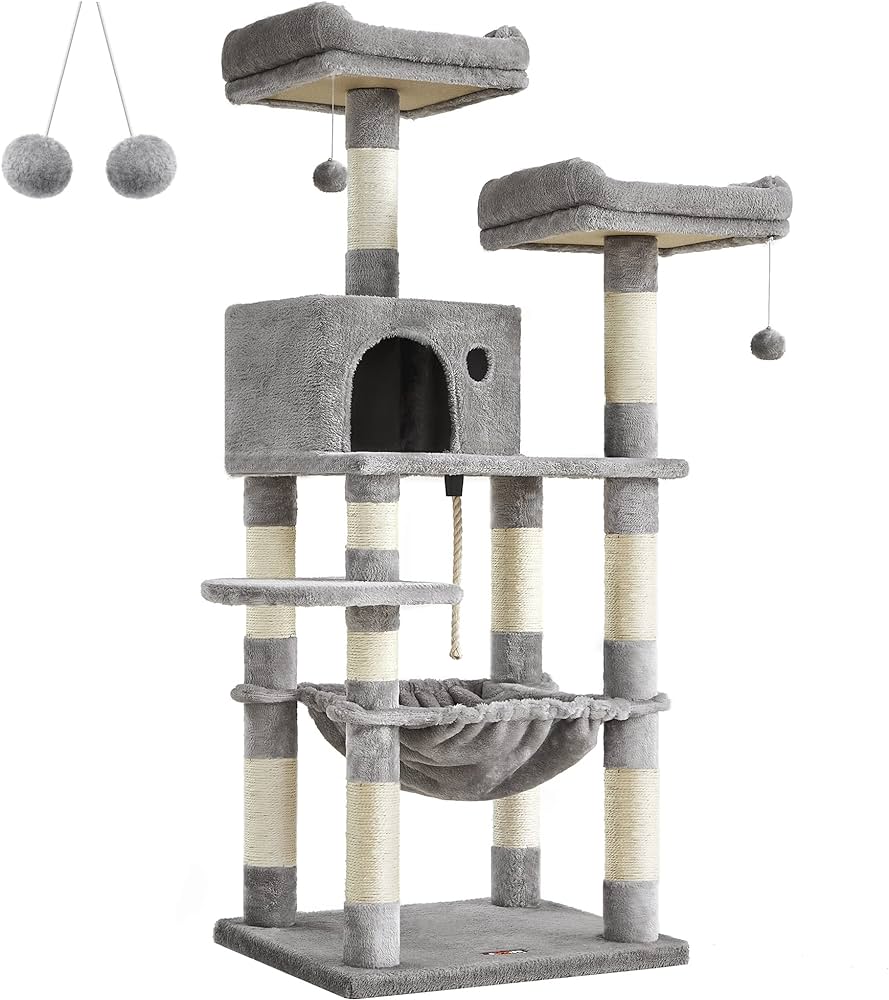
This image is property of cattreehaven.com.au.
Different Types of Cat Trees
When it comes to cat trees, there are various types available to cater to different preferences and living situations. Here are some popular types of cat trees you can choose from:
Floor-to-ceiling cat trees
Floor-to-ceiling cat trees are tall structures that utilize the vertical space in your home. They can extend from the floor to the ceiling, providing your cat with ample climbing and perching opportunities. These cat trees are ideal for homes with limited floor space or for cats that enjoy being up high.
Wall-mounted cat trees
Wall-mounted cat trees are designed to be attached to walls, providing a space-saving alternative to traditional cat trees. These cat trees can be customized to fit your available wall space and can include various platforms, perches, and scratching surfaces. Wall-mounted cat trees are perfect for maximizing vertical space and giving your cat a dedicated area to climb and relax.
Window perches and shelves
Window perches and shelves are cat trees specifically designed to be mounted on windowsills or attached to windows. These cat trees allow your cat to observe the outside world, bask in the sunlight, and take in the view. Window perches and shelves are great additions for cats that love watching birds or outdoor activities.
Outdoor cat trees
Outdoor cat trees are designed for use in outdoor spaces, such as patios, balconies, or gardens. These cat trees are made with weather-resistant materials and provide cats with a safe and stimulating environment outdoors. Outdoor cat trees allow your cat to enjoy fresh air, explore nature, and experience the benefits of outdoor enrichment.
Hammock-style cat trees
Hammock-style cat trees feature hammock-like platforms or beds, providing your cat with a cozy and comfortable spot to relax and nap. These cat trees are perfect for cats that prefer lounging and sleeping in a suspended or elevated position. The gentle swaying motion of the hammock can also be soothing and calming for your cat.
Corner cat trees
Corner cat trees are designed to fit seamlessly into the corners of your home, utilizing otherwise unused space. These cat trees often have a triangular or L-shaped design, making them a space-saving option. Corner cat trees still offer multiple levels and perches for climbing and relaxation, despite their compact size.
Compact and space-saving cat trees
For those with limited space or smaller living areas, compact and space-saving cat trees are ideal. These cat trees are designed to be smaller in size but still provide the necessary features for your cat’s stress relief and relaxation. They are often more vertical, utilizing height rather than extensive width.
By considering the specific needs and preferences of your cat, as well as the available space in your home, you can choose the type of cat tree that best suits your requirements.
Placement and Placement Tips for Cat Trees
Finding the right location for your cat tree is crucial for your cat’s enjoyment and utilization of the tree. Here are some placement tips to consider:
Choosing a suitable location
Select a suitable location in your home where the cat tree can be easily accessible to your cat. Consider areas that are frequented by your cat or near their favorite resting spots. It’s important to choose a location where the cat tree can be integrated into your living space without causing any hindrance.
Consideration of cat’s preferences
Observe your cat’s behavior and preferences to determine the best location for the cat tree. Some cats prefer to have their cat tree near a window with a view, while others may prefer a quieter area away from high-traffic areas. By considering your cat’s natural inclinations, you can choose a location that appeals to them.
Avoiding high-traffic areas
Although you want the cat tree to be easily accessible to your cat, it’s important to avoid placing it in high-traffic areas of your home. Cats prefer quieter areas where they can relax and feel safe. Placing the cat tree in a calm and less busy spot can create a peaceful and enjoyable environment for your cat.
Providing access to windows or outdoor views
If possible, position the cat tree near a window or where your cat can have a view of the outdoors. Cats enjoy watching birds, squirrels, or any other outdoor activities, and having access to a window or outdoor view can provide them with additional entertainment and mental stimulation.
Ensuring stability and security
Make sure to place the cat tree on a stable and secure surface. This will prevent any wobbling or tipping over, ensuring the safety of your cat while they are using the tree. If the cat tree is taller or floor-to-ceiling, consider attaching it to the wall or ceiling for added stability.
Creating a multi-level cat tree arrangement
If you have multiple cat trees or a cat tree with multiple levels, consider arranging them in a way that creates a vertical space for your cat. By placing the cat trees at different heights, you can encourage your cat to explore and move between them, creating a dynamic and engaging environment.
By following these placement tips, you can ensure that your cat tree is in an optimal location that promotes your cat’s comfort, relaxation, and enjoyment.

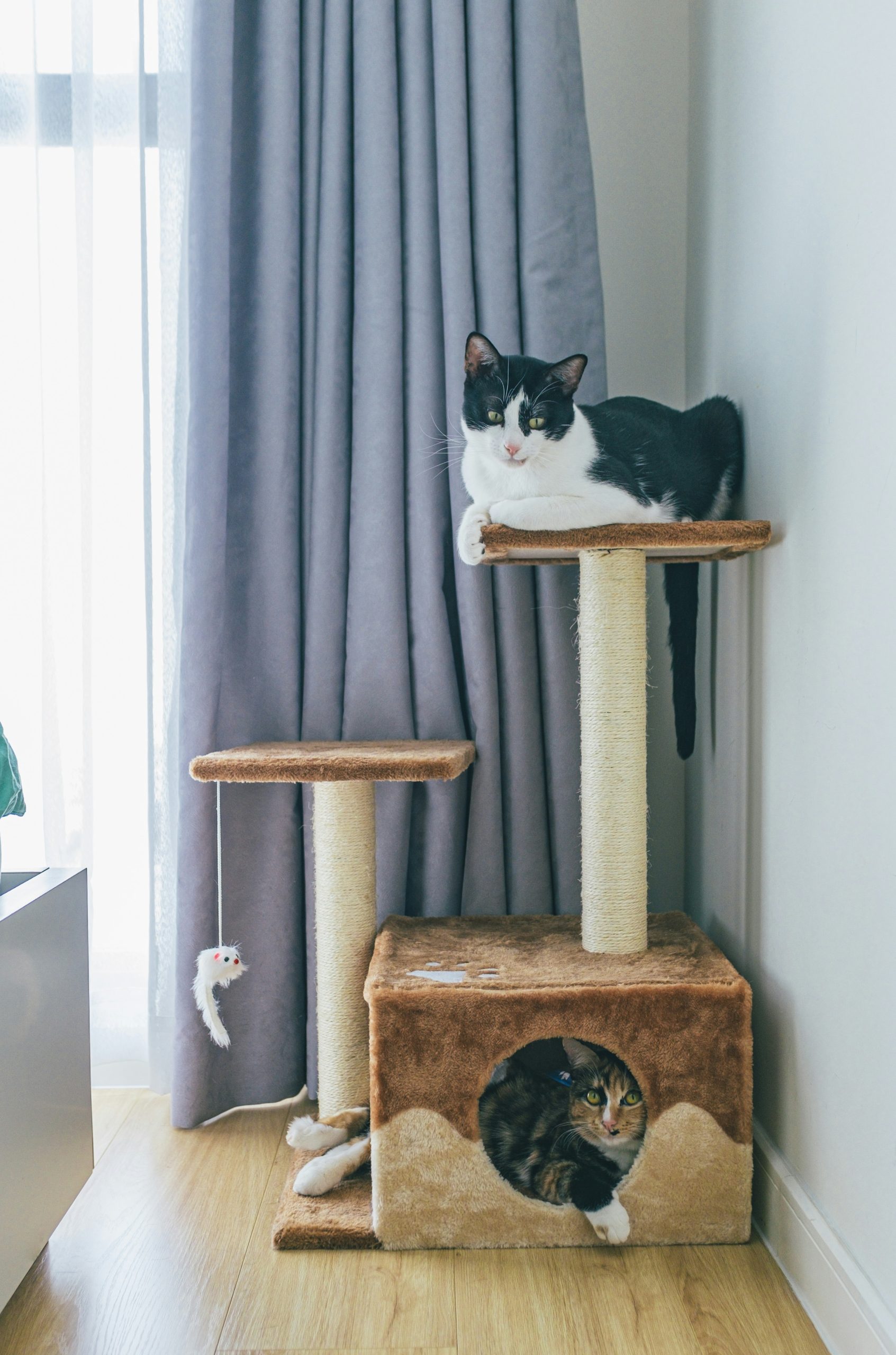
This image is property of cattree.uk.
Training and Encouraging Cat Tree Use
Introducing your cat to a new cat tree and encouraging their usage may require some training and positive reinforcement. Here are some tips to help you with the process:
Introducing the cat tree gradually
When you first bring the cat tree home, introduce it to your cat gradually. Place it in a familiar area and allow your cat to explore it at their own pace. You can sprinkle some catnip or use treats to entice your cat to approach the tree. Let your cat approach and investigate the tree on their own terms.
Using positive reinforcement
Reward your cat with praises, treats, and affection every time they use the cat tree or show interest in it. Positive reinforcement helps to associate the cat tree with positive experiences and encourages your cat to use it regularly. Be patient and consistent with your rewards to reinforce the desired behavior.
Placing treats and toys on the cat tree
Initially, you can place treats or toys on the different levels or perches of the cat tree to attract your cat’s attention. This will entice them to climb and explore the tree, associating it with rewards and fun. As your cat becomes more familiar with the tree, they will be more motivated to use it without additional incentives.
Playing and interacting with the cat on the tree
Engage your cat in play sessions on the cat tree to make it a fun and enjoyable experience for them. Use interactive toys, such as feather wands or laser pointers, to encourage your cat to climb, jump, and chase. Playing with your cat on the tree will further strengthen the positive association with the tree and promote its regular usage.
Ensuring comfort and accessibility
Make sure that the cat tree is comfortable and accessible for your cat. Place soft and cozy bedding on the perches or in the hideout cubbies to create inviting resting spots. Ensure that there are no obstructions or barriers preventing your cat from accessing the different levels or perches, as this may discourage them from using the tree.
Monitoring and addressing any anxieties or difficulties
Observe your cat’s behavior and body language while using the cat tree. If you notice any signs of anxiety or difficulty, such as reluctance to climb or excessive stress, address these issues promptly. It may be necessary to modify the cat tree or provide additional support, such as adding ramps or steps, to make it more accessible and comfortable for your cat.
With patience, positive reinforcement, and gradual introduction, your cat will begin to enjoy and utilize the cat tree regularly, promoting stress relief and relaxation.
DIY Cat Trees: Building Your Own
If you’re feeling creative or want a cat tree that suits your specific requirements, building a DIY cat tree can be a rewarding and cost-effective option. Here are some considerations for building your own cat tree:
Choosing suitable materials
Select materials that are safe, durable, and cat-friendly. Ensure that the materials you choose are non-toxic and free from harmful chemicals. Opt for sturdy materials for the base and structural components, such as plywood or solid wood. For the scratching posts, use sisal rope or sisal fabric to provide optimal scratching surfaces.
Designing a sturdy and functional structure
Plan your cat tree design to be structurally sound and stable. Consider the weight and size of your cat when designing the dimensions and strength of the tree. Include a solid base and ensure that the platforms and perches are securely attached. Incorporate multiple levels, scratching posts, and various resting spots to provide a versatile and engaging environment.
Incorporating scratching posts and perches
Integrate scratching posts at suitable heights and locations within your DIY cat tree. Cats require vertical and horizontal scratching surfaces, so incorporate both for their satisfaction. Place perches or platforms at different levels to provide climbing and lounging opportunities. Consider adding soft bedding or cushions to create comfortable resting areas.
Adding interactive elements
Make your DIY cat tree more engaging by adding interactive elements. Incorporate hanging toys, feathers, or other toys that your cat can play with. Include tunnels, hideout cubbies, or shelves for added exploration and fun. The more interactive features you add, the more entertained and mentally stimulated your cat will be.
Safety considerations for DIY cat trees
Ensure the safety of your DIY cat tree by securely fastening all components and ensuring that there are no sharp edges or loose parts. Regularly inspect the tree for any wear and tear and promptly replace or repair any damaged areas. If attaching the cat tree to a wall or ceiling, use appropriate hardware and ensure it is properly secured.
Cost-effective and customizable options
Building your own cat tree allows for customization to fit your specific needs and budget. It also provides the opportunity to save money compared to purchasing a pre-made cat tree. With DIY cat trees, you have the flexibility to design and create a unique structure that meets all your cat’s requirements for stress relief and relaxation.
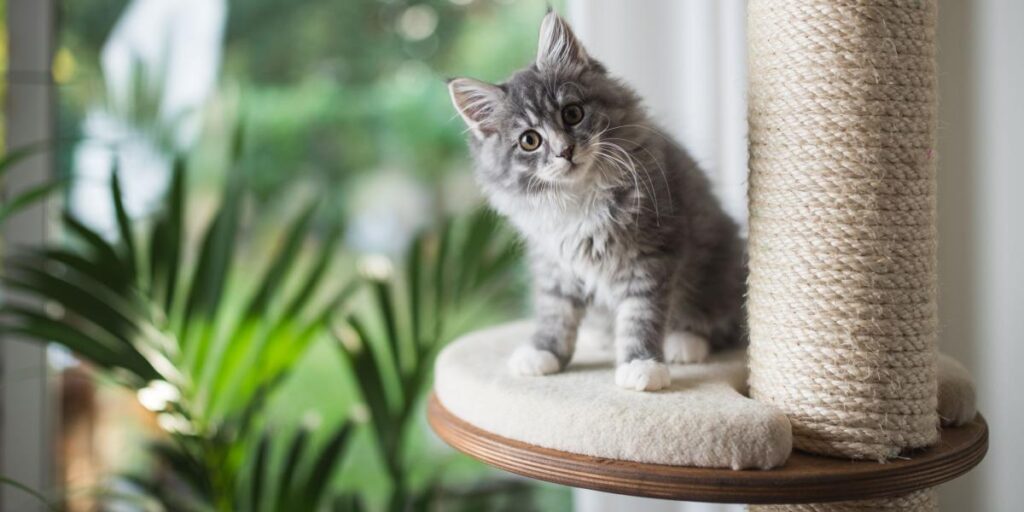
This image is property of cats.com.
Additional Accessories for Cat Trees
Enhance your cat tree with additional accessories to further enrich your cat’s experience. Here are some accessories you can consider:
Hanging toys and teasers
Attach hanging toys or teasers to your cat tree to provide additional play opportunities. These toys can encourage your cat to jump, swat, and pounce, keeping them physically and mentally engaged.
Catnip-infused elements
Catnip is known to have a calming and relaxing effect on cats. Incorporate catnip-infused elements, such as cushions, toys, or scratching surfaces, into your cat tree to enhance your cat’s relaxation.
Cozy and comfortable bedding
Ensure that your cat tree has soft and comfortable bedding or cushions for your cat to rest on. Cozy and plush surfaces provide a relaxing and inviting environment for your cat.
Hideout cubbies and tunnels
If your cat enjoys hiding or observing their surroundings from a concealed spot, consider adding hideout cubbies or tunnels to your cat tree. These additional features provide a sense of security and privacy for your cat.
Cat-friendly plants for decoration
Add some greenery to your cat tree by incorporating cat-friendly plants. Certain plants, such as cat grass or catnip, can provide sensory stimulation and add a natural touch to the cat tree.
Grooming brushes and scratching pads
Attach grooming brushes or scratching pads to your cat tree to fulfill your cat’s grooming and scratching needs. These accessories can promote self-grooming and provide additional outlets for scratching behavior.
By accessorizing your cat tree, you can create an even more enticing and enjoyable environment for your cat, promoting their relaxation and well-being.
Tips for Maintaining Cat Trees
To ensure the longevity and cleanliness of your cat tree, regular maintenance is essential. Here are some tips for maintaining your cat tree:
Regular cleaning and sanitization
Regularly clean and sanitize your cat tree to prevent the build-up of dirt, hair, or bacteria. Remove any loose debris or fur from the surfaces and use pet-friendly cleaners to sanitize the tree. Follow the manufacturer’s instructions or recommended cleaning guidelines for specific materials.
Trimming and replacing scratching surfaces
Monitor the condition of the scratching surfaces on your cat tree. Trim or replace any worn-out or frayed scratching posts or surfaces to ensure their effectiveness and prevent your cat from using inappropriate alternatives.
Inspecting for any damages or instability
Regularly inspect your cat tree for any damages or signs of instability. Check for loose or wobbly connections, broken platforms, or any other potential hazards. Promptly address and repair any damages to maintain the safety and stability of the cat tree.
Replacing worn-out or broken components
If any components of your cat tree become excessively worn-out or break, replace them with suitable replacements. This could include replacing frayed sisal rope, replacing worn-out cushions, or reinforcing weakened connections.
Monitoring for wear and tear
Keep an eye out for any general wear and tear on your cat tree, especially in high-traffic areas or frequently used surfaces. Regular monitoring allows you to address any issues before they become significant problems or safety concerns.
Providing regular preventive maintenance
Conduct regular maintenance routines, such as retightening screws, reinforcing connections, or oiling any moving parts. This preventive maintenance ensures that your cat tree remains sturdy, secure, and functional for your cat’s stress relief and relaxation.
By maintaining your cat tree, you can prolong its lifespan and ensure that it continues to provide a safe and enjoyable environment for your cat.

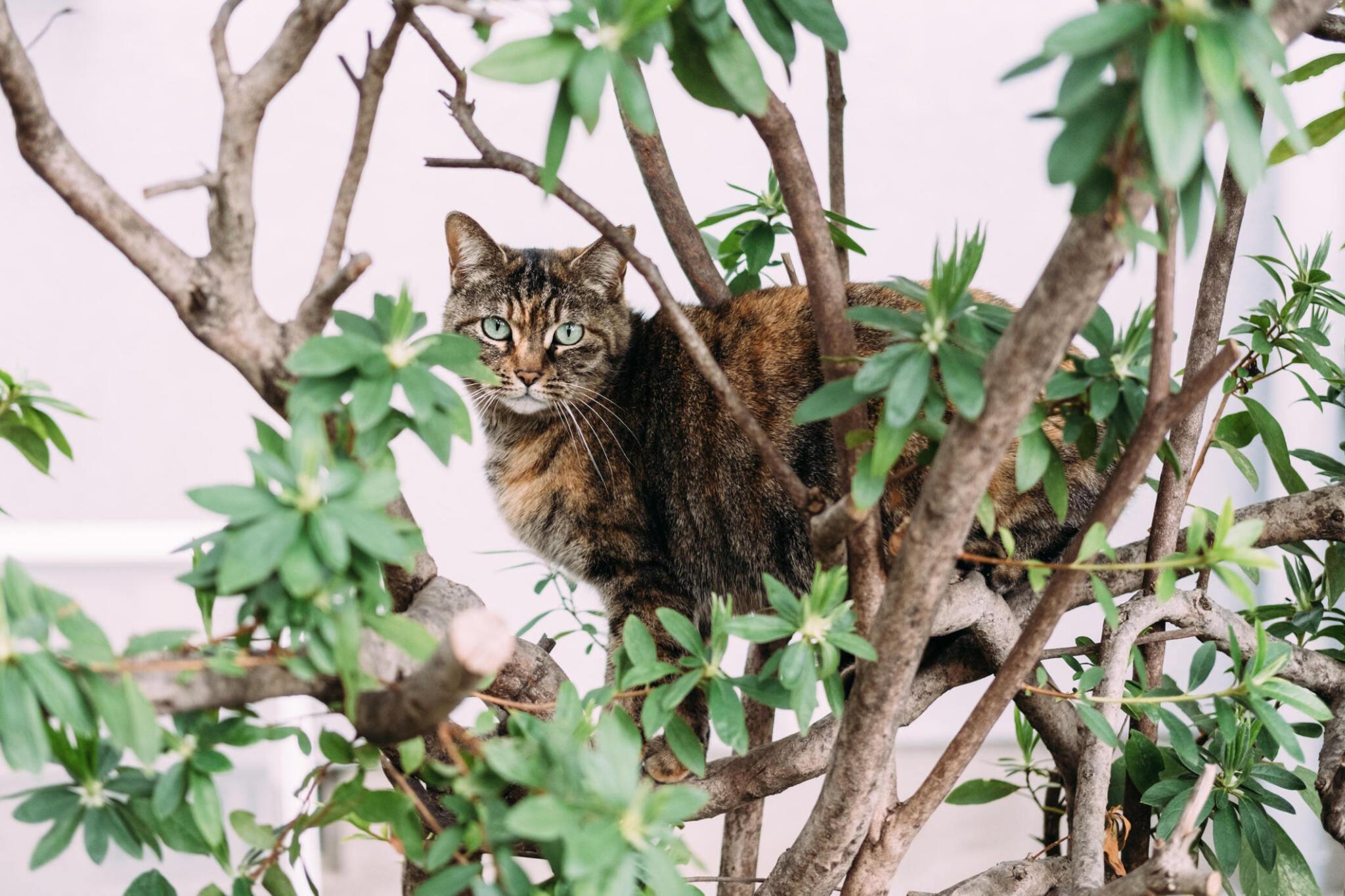
This image is property of media.zenfs.com.
Cat Tree Safety Measures
When selecting and using a cat tree, it’s important to consider safety measures to protect the well-being of your cat. Here are some key safety considerations:
Choosing non-toxic materials
Ensure that the materials used in the cat tree are non-toxic and safe for your cat. Avoid materials that may contain harmful chemicals or substances that could pose a risk to your cat’s health.
Avoiding small detachable parts
Choose a cat tree that doesn’t have small or easily detachable parts. Small parts can be a choking hazard or may cause injury if swallowed. It’s important to select a cat tree that is designed with safety in mind.
Ensuring stability and weight capacity
Prioritize stability and weight capacity when selecting or building a cat tree. Ensure that the tree can safely accommodate the weight and size of your cat. An unstable or flimsy cat tree can result in accidents or injuries.
Securing wall-mounted cat trees properly
If using a wall-mounted cat tree, ensure that it is properly secured to the wall. Use appropriate wall anchors, brackets, or other hardware to ensure stability and prevent accidents or injuries.
Keeping cat tree away from potential hazards
Position the cat tree away from potential hazards or dangerous areas. Keep it away from electrical cords, heating vents, or other objects that may present risks to your cat’s safety.
Supervising cats when using the cat tree
While cats generally enjoy their own space, it’s important to supervise them when they are using the cat tree, especially in the initial stages. This allows you to observe their behavior, ensure their safety, and address any issues or difficulties promptly.
By considering these safety measures, you can create a safe and secure environment for your cat when using a cat tree.
Cats With Unique Needs: Adaptive Cat Trees
Not all cats have the same needs or abilities. Some cats may require adaptive cat trees to accommodate their unique characteristics or limitations. Here are some considerations for cats with specific needs:
Cat trees for senior or arthritic cats
Senior cats or those with arthritis may require cat trees with lower platforms and ramps for easier access. Cat trees with ramps or steps provide a gentle incline and reduce the strain on joints, allowing senior or arthritic cats to still enjoy the benefits of a cat tree.
Cat trees for overweight or obese cats
For overweight or obese cats, it’s crucial to choose cat trees with sturdy construction and wide platforms to support their weight. It may be beneficial to consider floor-to-ceiling cat trees that offer multiple levels for exercise and climbing, helping overweight cats shed excess pounds.
Cat trees for shy or anxious cats
Shy or anxious cats may prefer cat trees with more enclosed hideout cubbies or platforms. These provide a safe and secure retreat, allowing shy cats to observe their surroundings without feeling exposed. Including soft bedding or cushions in the hideout areas can make them even more appealing to shy or anxious cats.
Cat trees for special needs or disabled cats
Cats with special needs or disabilities may require customized cat trees that cater to their individual requirements. This could include providing lower perches, ramps, or other adaptations to accommodate limited mobility or specific disabilities. Consulting with a veterinarian or animal behaviorist can help guide you in creating an adaptive cat tree for your special needs cat.
Height and accessibility considerations
Consider the height and accessibility of the cat tree when accommodating different needs. For cats with limited mobility or disabilities, cat trees with lower perches or those positioned at a comfortable height can provide inclusivity and accessibility for all cats.
Seeking professional advice for specific cases
It’s important to seek professional advice from veterinarians or animal behaviorists when dealing with cats with unique needs. They can provide specialized guidance and recommendations based on your cat’s specific condition or requirements.
By considering the unique needs of your cat and making adaptations to the cat tree, you can ensure that all cats, regardless of their individual circumstances, can benefit from stress relief and relaxation.
In conclusion, cat trees provide numerous benefits for stress relief and relaxation for both cats and their owners. From physical and mental stimulation to climbing opportunities and a safe space, cat trees offer a holistic solution for reducing anxiety and stress levels in cats. When choosing a cat tree, consider factors such as size, stability, multiple levels, scratching posts, toys, material quality, and customization options. Different types of cat trees are available to suit various preferences and living situations, including floor-to-ceiling, wall-mounted, window perches, outdoor, hammock-style, corner, and compact cat trees. Proper placement, training, and encouragement are important for cat tree use, and DIY cat trees can be a cost-effective and customizable option. Additional accessories, maintenance, safety measures, and adaptive cat trees can further enhance the benefits of cat trees for stress relief and relaxation. By understanding your cat’s unique needs and providing them with a suitable cat tree, you can create a harmonious and calming environment for your furry friend.