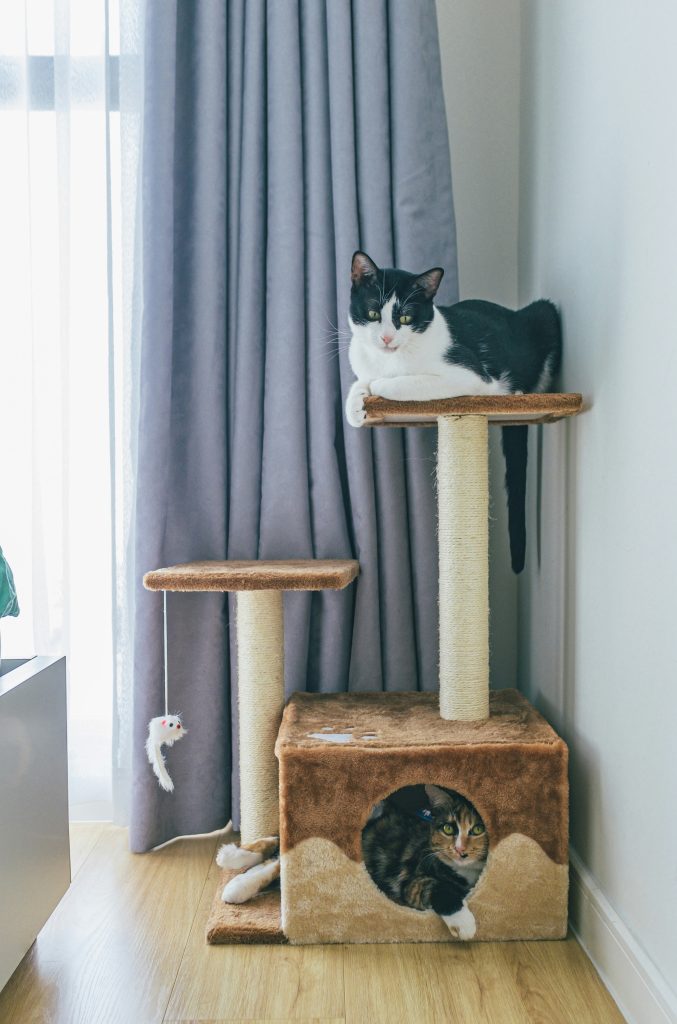
If you’re a cat owner, you’ve probably wondered at some point if a cat tree is actually beneficial for your feline companion. Well, the answer might surprise you! A cat tree can provide a whole array of benefits for your furry friend, from promoting exercise and mental stimulation to providing a safe and elevated space for them to observe their surroundings. In this article, we’ll explore the reasons why a cat tree can be a fantastic addition to your home and discuss how it can enhance your cat’s overall well-being and happiness. So, let’s dive into the world of cat trees and discover why they are indeed good for our beloved cats!
Benefits of a cat tree
Physical exercise
A cat tree provides an excellent opportunity for your feline friend to engage in physical exercise. Climbing, jumping, and playing on the various levels and platforms of a cat tree can help to keep them active and maintain a healthy weight. This is especially important for indoor cats who may not have access to outdoor spaces to explore and roam.
Mental stimulation
In addition to physical exercise, a cat tree also offers mental stimulation for your cat. The different heights, platforms, and hiding spots on a cat tree can provide an enriching environment for them to explore and engage their natural curiosity. This mental stimulation can help prevent boredom and behavioral issues that may arise from a lack of mental stimulation.
Promotes healthy stretching and scratching
Cats have a natural instinct to stretch and scratch, and a cat tree provides the perfect outlet for these behaviors. The vertical scratching posts and sisal-covered surfaces of a cat tree allow cats to engage in healthy scratching while also providing them with a designated area to satisfy their need to stretch and flex their muscles. This can help prevent damage to your furniture and carpets.
Provides a safe high vantage point
Cats are known for their love of heights, and a cat tree offers the perfect opportunity for them to indulge in this behavior. Being in an elevated position not only satisfies their natural inclination but can also help them feel safe and secure. From their perch on a cat tree, they can observe their surroundings, keep an eye on potential prey or threats, and have a sense of control over their environment.
Types of cat trees
Floor-to-ceiling cat trees
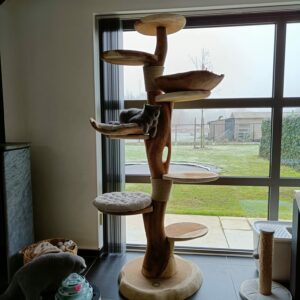
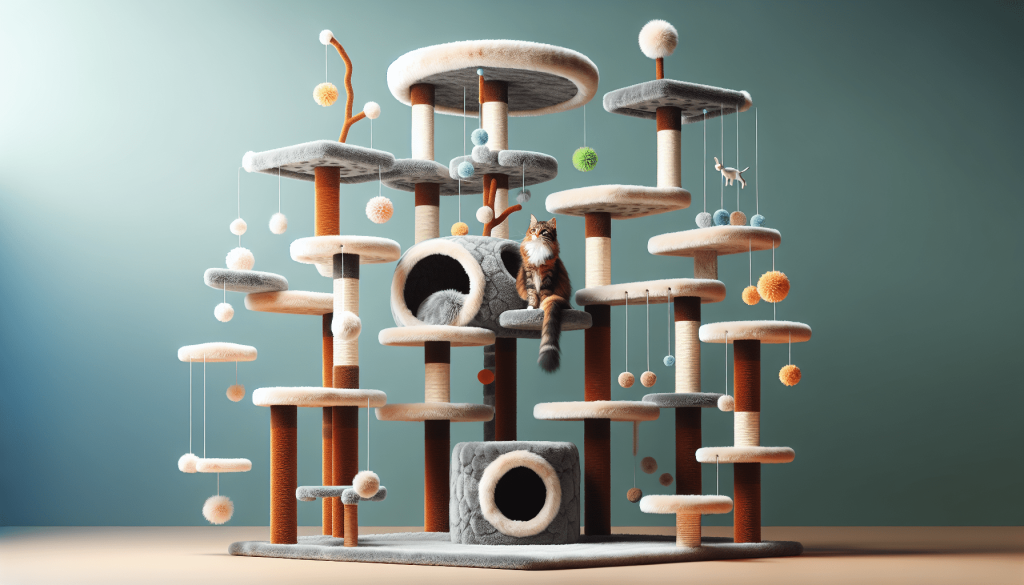
Floor-to-ceiling cat trees are a popular choice for owners who want to maximize vertical space. These tall structures often have multiple levels and platforms, giving cats plenty of opportunities to climb, jump, and play. The adjustable height feature allows the cat tree to fit in various room sizes and can be secured to ensure stability.
Free-standing cat trees
Free-standing cat trees are standalone structures that do not require any mounting or installation. They typically consist of a sturdy base, scratching posts, and platforms at various heights. Free-standing cat trees are ideal for owners who don’t want to make any permanent changes to their homes or move the cat tree around frequently.
Wall-mounted cat trees
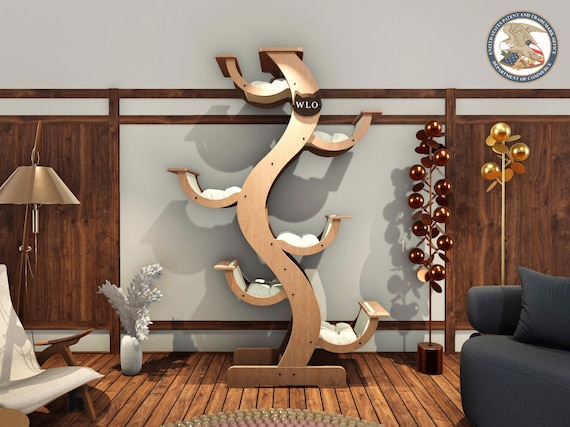
Wall-mounted cat trees are a space-saving option that can be attached to walls or other vertical surfaces. These cat trees often feature ramps, perches, and climbing walls that allow cats to navigate and explore different heights. Wall-mounted cat trees are perfect for small spaces where floor space may be limited.
Cat condos
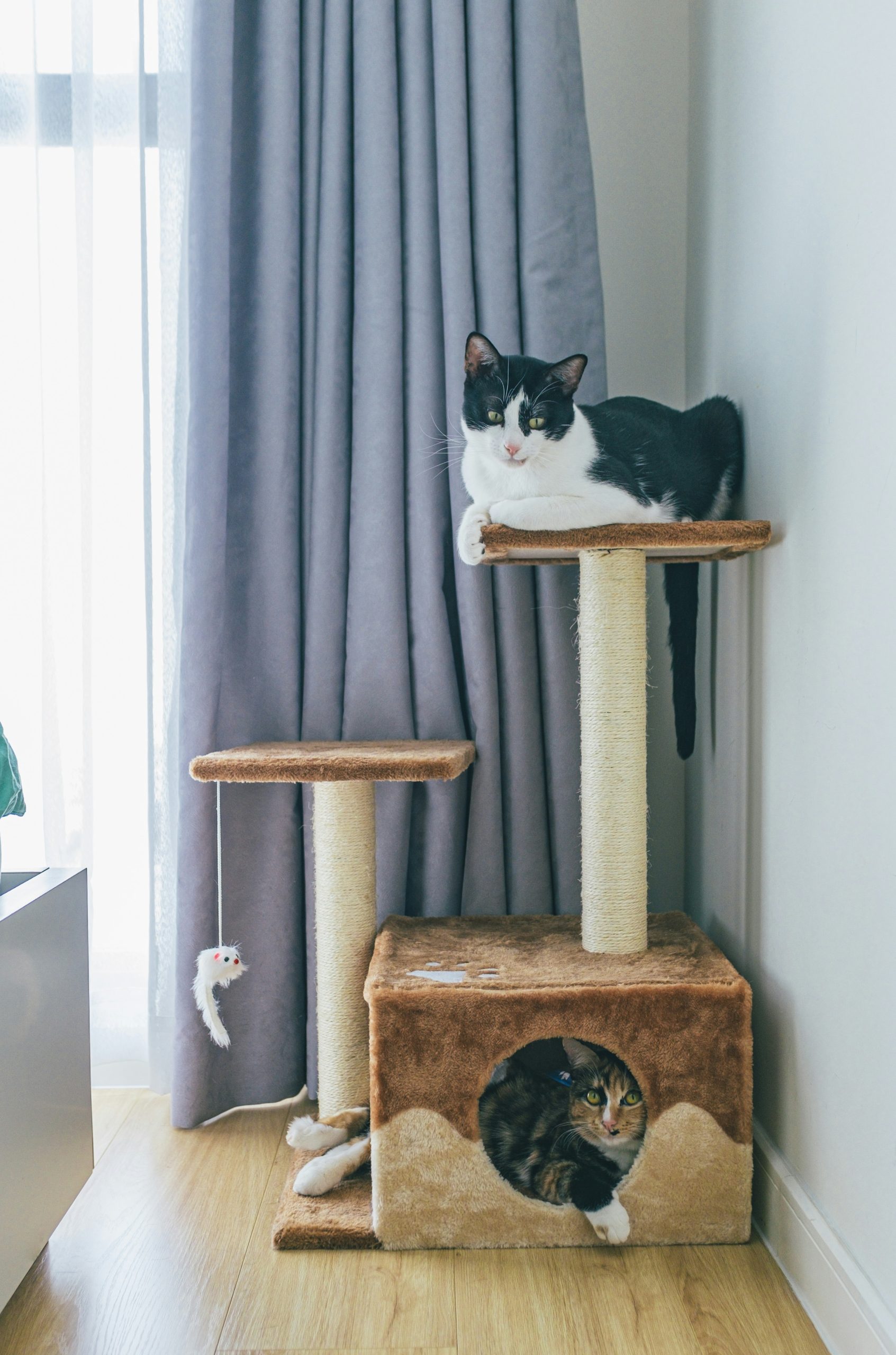
Cat condos are cat trees that are designed like miniature houses or apartments. They often feature enclosed spaces, such as caves or cubbies, where cats can retreat for privacy or take a nap. Cat condos usually have multiple levels and scratching posts, providing cats with both vertical and horizontal spaces to play and relax.
Choosing the right cat tree
Consider your cat’s size and age
When choosing a cat tree, it’s essential to consider your cat’s size and age. Kittens, for example, may benefit from a cat tree with lower platforms and ramps to accommodate their smaller size. On the other hand, larger cats may require sturdier and more spacious cat trees to support their weight and allow them to move comfortably.
Evaluate the stability and quality
The stability and quality of a cat tree are crucial factors to consider. Look for a cat tree made from sturdy materials, such as solid wood or high-quality plywood, that can withstand the weight and movements of your cat. Additionally, check that the cat tree has a stable base or can be secured to a wall or ceiling to ensure it won’t topple over during playtime.
Determine the number and placement of platforms
Consider the number and placement of platforms on a cat tree based on your cat’s preferences and behavior. Cats who enjoy climbing and perching may appreciate a cat tree with multiple platforms and levels. Additionally, observe your cat’s favorite spots in the house and try to replicate similar heights and positions on the cat tree to increase their likelihood of using it.
Consider the materials and durability
Pay attention to the materials used in the construction of the cat tree. Opt for materials that are durable and easy to clean, such as sisal rope for scratching posts and soft fabric or carpet for platforms and perches. Avoid materials that may cause allergies or discomfort for your cat, such as chemically-treated fabrics or rough surfaces.
Training your cat to use the cat tree
Place treats or toys on the platforms
To encourage your cat to use the cat tree, you can place treats or their favorite toys on the different platforms. This will entice them to explore and climb the tree in search of rewards. Gradually increase the height and difficulty of the treats or toys to keep them engaged and motivated to continue using the cat tree.
Use verbal cues and positive reinforcement
When training your cat to use the cat tree, use verbal cues such as “up” or “tree” to associate the action with the location. Whenever your cat successfully climbs or uses the cat tree, praise them with verbal affirmations and rewards such as treats or affection. Positive reinforcement will help reinforce the desired behavior and make using the cat tree a positive and rewarding experience for your cat.
Gradually introduce your cat to the tree
Some cats may be hesitant or skeptical about using a new cat tree. To help them become comfortable, gradually introduce them to the tree by placing it in a familiar and accessible location. Allow them to approach and investigate the tree at their own pace, rewarding them with treats and praise when they show interest or use it. Patience is key during this process as some cats may take longer to warm up to the new addition.
Redirect inappropriate scratching behavior
If your cat continues to scratch your furniture or other inappropriate surfaces despite having a cat tree, redirect their behavior by gently redirecting them to the cat tree’s scratching posts. Encourage them to use the posts by rubbing them with catnip or dangling toys nearby. Consistency and positive reinforcement will help reinforce the appropriate scratching behavior on the cat tree and discourage them from damaging your furniture.
Cat tree maintenance
Regularly clean and vacuum the cat tree
To maintain a clean and hygienic cat tree, it’s important to regularly clean and vacuum it. Use a brush or vacuum attachment to remove any loose fur, dirt, or debris from the scratching posts, platforms, and perches. Wipe down surfaces with a pet-safe cleaner, and launder any removable fabric coverings according to the manufacturer’s instructions.
Replace worn-out or damaged parts
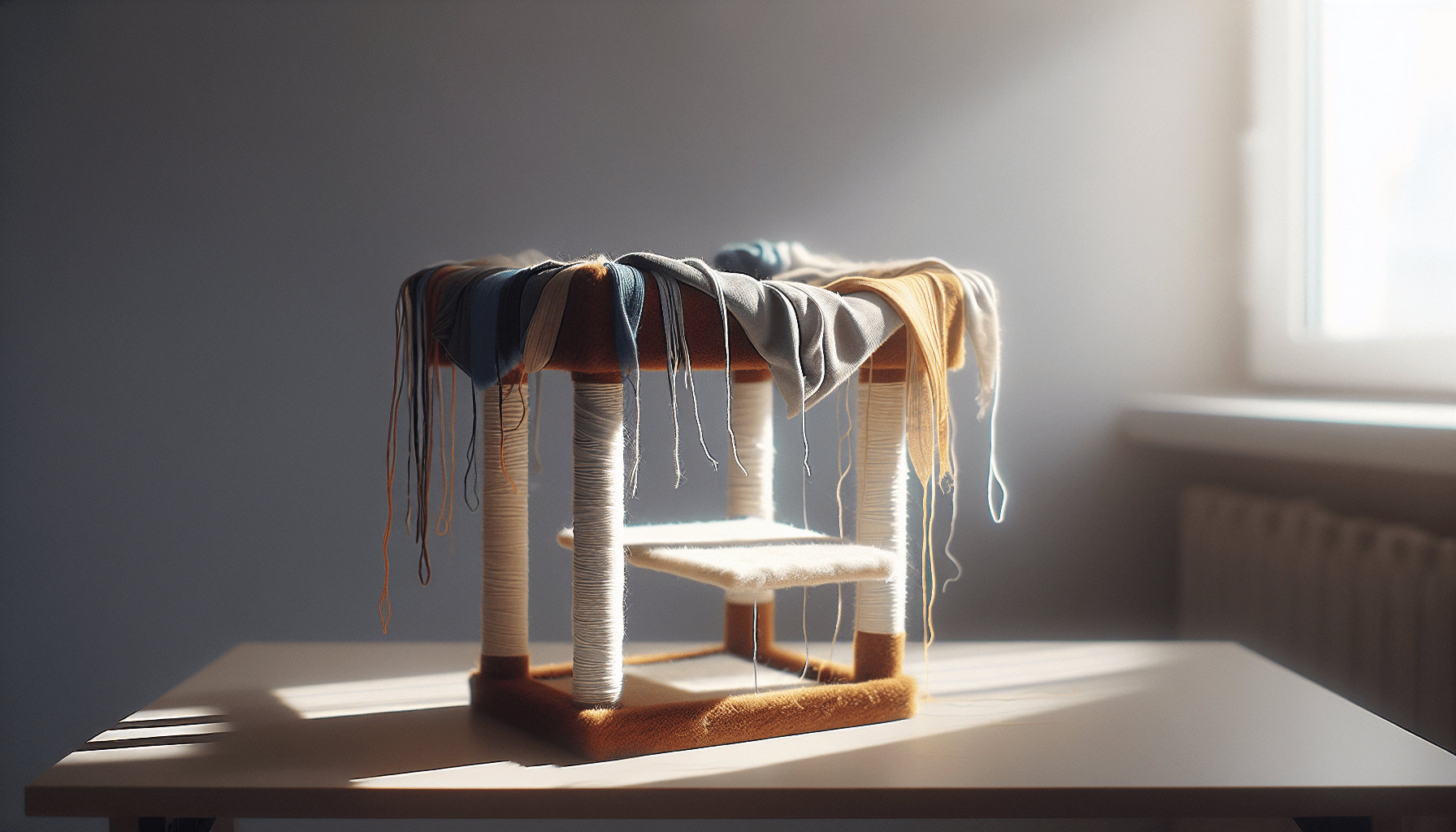
Over time, certain parts of a cat tree may become worn-out or damaged due to regular use. Inspect the scratching posts, platforms, and perches for signs of wear and tear, such as frayed sisal or loose screws. Replace any worn-out or damaged parts promptly to ensure the cat tree remains safe and functional for your cat.
Check for loose screws or instability
Regularly check the stability of the cat tree by examining the screws and connections. Tighten any loose screws or bolts to prevent the cat tree from becoming unstable during use. If you notice any significant instability or wobbling, consider reinforcing the cat tree’s stability by securing it to a wall or ceiling using brackets or anchors.
Provide alternative scratching surfaces
While a cat tree provides an ideal scratching surface for your cat, it’s also essential to provide alternative scratching surfaces throughout your home. This can help prevent your cat from solely relying on the cat tree for scratching and alleviate any excessive wear and tear it may experience. Scratching posts, boards, or mats placed in different areas of your home can give your cat options and help satisfy their scratching needs.
Alternatives to a cat tree
Scratching posts and boards
Scratching posts and boards are standalone alternatives or complementary additions to a cat tree. These provide cats with a designated area to scratch and stretch their muscles. Scratching posts and boards come in various shapes and sizes, allowing you to choose the option that best suits your cat’s preferences and your home’s layout.
Window perches and shelves
Window perches and shelves can serve as an alternative to a cat tree’s elevated platforms. These installations attach directly to windowsills or walls, allowing cats to enjoy a high vantage point while observing the outside world. Window perches and shelves are particularly useful for cats who love bird-watching or enjoying the warmth of the sun.
Steps and ramps
For senior or less agile cats, steps and ramps can provide easier access to higher surfaces. These additions can be placed near furniture or other elevated areas, making it easier for your cat to climb up and down without exerting excessive effort or risking injury. Steps and ramps are especially beneficial for cats with mobility issues or joint pain.
Cat tunnels and hammocks
Cat tunnels and hammocks are interactive and stimulating alternatives to a traditional cat tree. Tunnels provide hiding spots and encourage play, while hammocks offer a cozy resting spot. These additions can be used independently or in conjunction with a cat tree to provide a diversified and engaging environment for your cat.
Common concerns about cat trees
Limited space in small homes
If you have limited space in your home, you may be concerned about the size and footprint of a cat tree. However, there are various compact and space-saving options available, such as wall-mounted cat trees or smaller-sized cat condos. These alternatives allow you to provide vertical spaces for your cat without taking up excessive floor space.
Multiple cats sharing one cat tree
If you have multiple cats, you may worry about whether they can comfortably share a cat tree. Look for cat trees with multiple levels, platforms, and perches to accommodate several cats simultaneously. Observing your cats’ interactions and preferences can help determine if additional cat trees or alternative options are needed to ensure harmony and access to vertical spaces for all.
Allergies to carpet or other materials
If you or a family member has allergies to carpet or certain materials commonly found on cat trees, there are alternatives available. Look for cat trees made with hypoallergenic materials, such as natural fabrics or synthetic fibers that do not trigger allergic reactions. It’s important to prioritize your health and ensure everyone in your household can coexist comfortably with the cat tree.
Cats not using the cat tree
It can be frustrating when your cat doesn’t show interest in using the cat tree, especially after investing in one. In such cases, consider reassessing the cat tree’s placement and ensuring it is in a location that is easily accessible and appealing to your cat. Adjust the height and arrangement of platforms, and use positive reinforcement and enticing toys or treats to encourage your cat to explore and use the cat tree.
DIY vs. store-bought cat trees
Advantages of DIY cat trees
DIY cat trees offer the advantage of customization, allowing you to design a cat tree that perfectly suits your cat’s preferences and your aesthetic preferences. Additionally, DIY cat trees can be a budget-friendly option, as you can repurpose materials or find affordable alternatives for construction. Building a cat tree from scratch also provides a fulfilling and creative project for cat owners.
Considerations for store-bought cat trees
Store-bought cat trees offer convenience and a wide range of options to choose from. These cat trees are pre-designed and built, saving you time and effort. However, it’s important to carefully consider the quality, durability, and suitability of store-bought cat trees for your cat’s needs. Reading customer reviews and seeking expert recommendations can help ensure you select a cat tree that meets your expectations.
Cost comparison
The cost of a cat tree can vary depending on various factors such as size, materials used, and additional features. DIY cat trees often offer a more affordable option, as you can control the cost by selecting budget-friendly materials and repurposing household items. Store-bought cat trees may range from budget-friendly options to higher-end, more expensive models. Consider your budget and the value you place on customization and convenience when deciding between DIY or store-bought cat trees.
Customization options
When it comes to customization, DIY cat trees offer endless possibilities. You can choose the height, layout, materials, and even add custom features such as built-in scratching posts or hiding spots. Store-bought cat trees may have limited customization options, but many brands offer a variety of styles, colors, and features to choose from, allowing you to find a cat tree that suits your cat’s needs and your home’s decor.
Reviews and recommendations
Top-rated cat trees in the market
There are several top-rated cat trees available in the market that have received positive reviews from cat owners. Some popular options include the Go Pet Club Cat Tree, the Armarkat Cat Tree, and the MidWest Homes for Pets Cat Tree. These cat trees are praised for their sturdiness, durability, and variety of features that cater to cats of all sizes and personalities.
Customer reviews and testimonials
Customer reviews and testimonials can provide valuable insights into the functionality and quality of cat trees. Reading reviews from other cat owners who have purchased and used specific cat trees can help you make an informed decision. Look for feedback on stability, ease of assembly, durability, and overall satisfaction with the product to determine if a cat tree is the right choice for you and your cat.
Expert opinions and recommendations
Seeking expert opinions and recommendations from veterinarians, cat behaviorists, or experienced cat owners can offer valuable guidance when choosing a cat tree. These experts can provide insights into the specific needs and preferences of cats, as well as recommendations for cat tree brands and models that have proven to be reliable, safe, and suited to a cat’s natural instincts.
Choosing the best cat tree for your specific needs
When choosing a cat tree, it’s important to consider your specific needs and the needs of your cat. Evaluate factors such as available space, your cat’s size and personality, and any specific requirements or preferences you may have. By considering these factors and utilizing the information from reviews, testimonials, and expert recommendations, you can select the best cat tree that will provide your cat with ample physical and mental stimulation while complementing your home’s aesthetics.
Conclusion
A cat tree can offer numerous benefits for cats, including physical exercise, mental stimulation, and a safe high vantage point. With various types and customization options available, there is a cat tree to suit every cat and home. By considering factors such as your cat’s size and age, stability and quality, platforms and placement, and materials and durability, you can choose the right cat tree for your feline friend. Training your cat to use the cat tree and ensuring proper maintenance will further enhance their experience. If a cat tree isn’t feasible, alternatives such as scratching posts, window perches, or steps and ramps can provide similar benefits. Addressing common concerns, understanding the advantages and considerations of DIY and store-bought cat trees, and seeking reviews and recommendations will guide you towards the best cat tree for your specific needs. Ultimately, investing in a cat tree will enrich your cat’s life and provide them with a dedicated space to play, climb, scratch, and relax.