Are you a cat owner looking to add some purr-sonality to your feline friend’s life? Look no further! In this article, we’ll explore the delightful world of customizing cat trees. Whether you want to enhance your cat’s comfort, create a unique design, or simply add some fun features, customizing a cat tree allows you to create a personalized space that both you and your beloved pet will adore. From stylish fabric choices to DIY accessories, get ready to unleash your creativity and make your cat’s dreams come true! Let’s dive into the exciting world of customizing a cat tree and discover how to create a purr-fect oasis for your four-legged companion.
Choosing the Right Cat Tree
When it comes to choosing the right cat tree for your furry friend, there are a few factors to consider. First and foremost, you’ll want to take into account your cat’s size. Larger cats will require a sturdier and more spacious cat tree, while smaller cats may be content with something more compact.
Next, think about your cat’s activity level. If your cat is a little ball of energy, you’ll want to choose a cat tree that offers plenty of opportunities for climbing, jumping, and exploring. On the other hand, if your cat is more laid-back, a cat tree with cozy sleeping spots may be the perfect choice.
Another important consideration is the available space in your home. Measure the area where you plan to place the cat tree to ensure it will fit comfortably without being obtrusive. Keep in mind that cats appreciate having a cat tree in a location where they can observe their surroundings and feel secure.
Lastly, if you have multiple cats in your household, you’ll want to select a cat tree that can accommodate them all. Look for one with multiple levels, perches, and scratching areas to ensure there’s enough space for all your feline friends to enjoy.
Determining the Materials
Choosing the right materials for your cat tree is essential to ensure its durability and longevity. When it comes to the frame material, options such as wood, PVC, or metal are popular choices. Each material has its own benefits, so consider what will work best for your cat and your home.
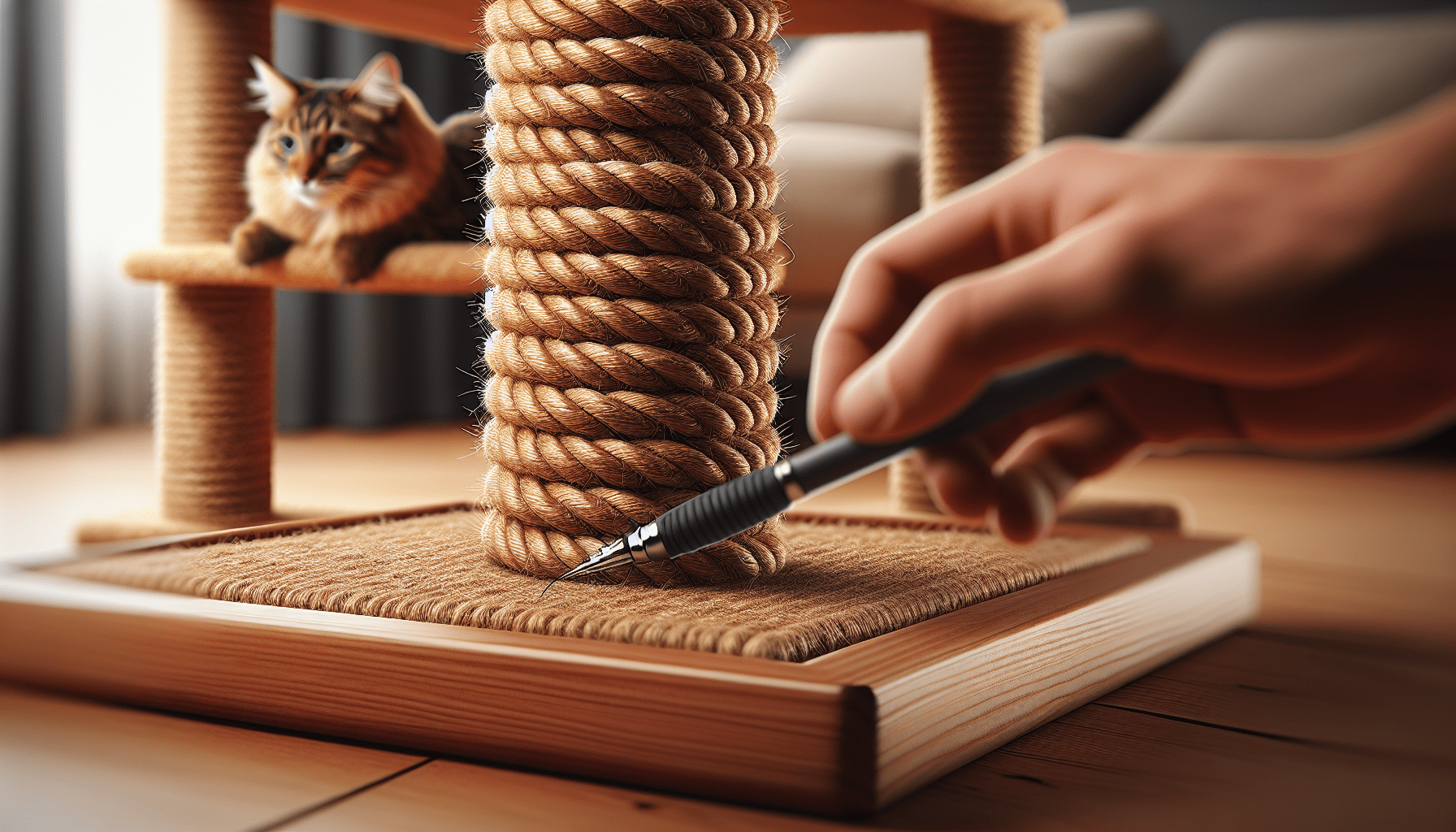
For the scratching surface, sisal rope is a common and highly recommended option. It provides an ideal texture for cats to scratch and helps fulfill their natural instincts. Other alternatives include sisal fabric, carpet, or even corrugated cardboard. Consider your cat’s preferences and choose accordingly.
When it comes to the covering material, there are plenty of options to choose from. Soft and plush materials like faux fur or velvet can provide a cozy and comfortable surface for your cat to rest on. However, keep in mind that some cats may have preferences for certain textures, so if your cat has shown a preference for a specific material, it’s worth taking that into account.
Adding Personalized Features
Once you’ve chosen the basic structure and materials for your cat tree, it’s time to add personalized features to make it truly unique for your cat.
Incorporating additional scratching areas can help prevent your cat from scratching furniture or other household items. Consider adding sisal-wrapped posts or surfaces in various locations on the cat tree to encourage healthy scratching habits.
Adding interactive toys and accessories can provide mental stimulation and entertainment for your cat. Consider attaching toys, hanging ropes, or small balls to the cat tree for your feline friend to swat and play with.
Including cozy sleeping spots is essential for any cat tree. Cats love to relax and nap in elevated areas, so provide comfortable and secure perches or hammocks where your cat can curl up and snooze.
Customizing climbing routes can make the cat tree more fun and challenging for your cat. Consider adding ramps, ladders, or different levels of platforms to create a varied and engaging climbing experience.
Integrating perches and lookout points at different heights can give your cat a sense of security and a place to observe their surroundings. Cats love to have a high vantage point, so adding perches at different levels can greatly enhance their satisfaction with the cat tree.
Optimizing the Cat Tree’s Stability
Making sure your cat tree is stable and secure is an important factor to consider for your cat’s safety and enjoyment.
Ensuring a sturdy base is crucial, especially for larger and more active cats. Choose a cat tree with a wide and solid base that will prevent tipping or wobbling, even during rough play.
Adding stability to the different levels of the cat tree is also important. Look for cat trees with reinforced platforms or posts that are securely attached to the main structure. This will prevent any unnecessary movement or instability when your cat jumps or climbs.
Securing the cat tree to a wall is an additional safety measure that can provide extra stability. Use brackets or straps to attach the cat tree to the wall, ensuring it remains in place even during energetic play sessions.
Designing for Aesthetics
While functionality and safety are important, it’s also essential to consider the aesthetics of the cat tree. After all, you want it to blend seamlessly with your home decor.
Choosing a color scheme that matches your home is a great way to ensure the cat tree doesn’t stand out like a sore thumb. Consider neutral colors or patterns that will seamlessly integrate with your existing furniture and decor.
Adding decorative elements can further enhance the visual appeal of the cat tree. Consider adding cushions, pillows, or decorative accents that match your home’s style. This will not only make the cat tree look more appealing, but also provide additional comfort for your cat.
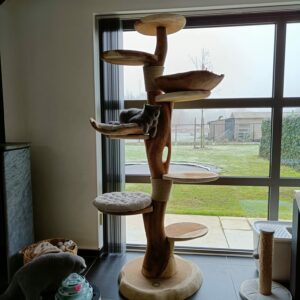
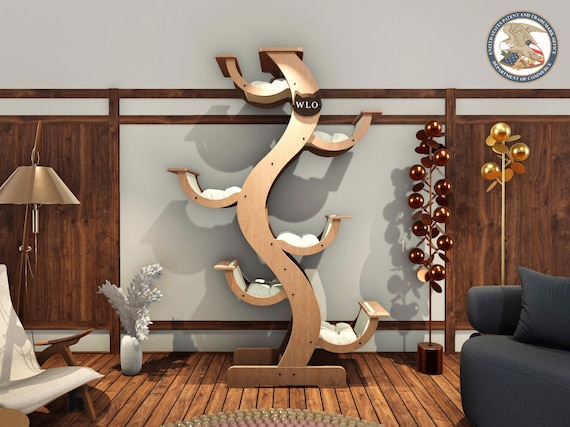
Considering different styles and shapes is another way to customize the cat tree to your preferences. From modern and minimalist designs to more traditional or whimsical styles, there are cat trees available to suit every taste.
Considering Safety Measures
Safety should always be a top priority when customizing a cat tree for your feline friend. Taking a few precautions will ensure a safe and secure environment for your cat.
Avoiding small detachable parts is important to prevent any choking hazards. Choose a cat tree that doesn’t have any small, easily detachable components that your cat could swallow or get stuck in their throats.
Ensuring the cat tree is made from non-toxic materials is crucial. Cats are curious creatures and may lick or chew on the surfaces of the tree. Make sure all materials used in the construction of the cat tree are safe for your cat to come into contact with.
Checking for any sharp edges is essential to prevent any injuries to your cat. Run your hands along all surfaces of the cat tree to ensure there are no rough or sharp edges that could potentially harm your cat’s delicate paws or skin.
Budget-Friendly Customization Ideas
Customizing a cat tree doesn’t have to break the bank. With a little creativity and resourcefulness, you can create a unique and personalized cat tree on a budget.
Using DIY materials is a cost-effective way to customize your cat tree. Consider using sisal rope or fabric to wrap the scratching surfaces, or repurpose old blankets or cushions for cozy sleeping spots.
Repurposing existing items can also save you money while adding a touch of creativity to your cat tree. For example, you can attach empty cardboard boxes or baskets to the cat tree to create additional hiding spots or resting areas.
Exploring affordable cat tree accessories is another great way to customize your cat tree without spending a fortune. Look for affordable toys, hanging ropes, or even small baskets that can be attached to the cat tree to add extra functionality and entertainment for your cat.
Maintenance and Cleaning
Regular maintenance and cleaning are important to keep your cat tree in optimal condition and ensure a healthy environment for your cat.
Regularly inspect and tighten screws to prevent any parts of the cat tree from becoming loose or unstable. This will help prolong the lifespan of the cat tree and prevent any accidents or injuries.
Keeping the scratching surfaces clean is essential to maintain their effectiveness. Use a brush or vacuum cleaner to remove any loose threads or debris from the scratching areas. This will encourage your cat to continue using the cat tree for scratching and minimize the damage to your furniture.
Vacuuming or brushing off fur and debris is necessary to keep the cat tree clean and hygienic. Cats can shed a lot of fur, so regular cleaning will help keep the cat tree looking fresh and tidy.
Washing removable covers, if applicable, is important to keep them clean and free from odors. Follow the manufacturer’s instructions for washing and maintain the covers to ensure they remain in good condition.
Integration with Home Decor
Integrating the cat tree with your existing furniture and decor is essential to avoid it sticking out like a sore thumb.
Blending the cat tree with existing furniture can be achieved by choosing a design and color scheme that complements the rest of the room. If you have wooden furniture, opt for a cat tree with a wooden frame or choose neutral colors that won’t clash with your existing decor.
Using complementary colors and patterns can also help the cat tree blend seamlessly with your home decor. Consider using fabrics or materials in similar shades or patterns to the rest of your furniture for a cohesive look.
Positioning the cat tree strategically is another way to integrate it into your home decor. Place it near a window or in a corner where it won’t obstruct the flow of the room. By positioning it thoughtfully, you can ensure the cat tree becomes an integral part of your home’s overall aesthetic.
Seeking Inspiration and Ideas
If you’re feeling overwhelmed or unsure about customizing your cat tree, there are plenty of resources available to help you get inspired.
Browsing online cat tree galleries can provide you with a wealth of ideas and inspiration. Many websites showcase unique and creative cat trees that can spark your creativity and help you envision what’s possible for your own customization project.
Exploring social media platforms, such as Instagram or Pinterest, can also offer a plethora of custom cat tree designs. You can find photos shared by other cat owners, as well as tips and tricks on how to create your own personalized cat tree.
Visiting pet stores and specialized cat furniture shops is another fantastic way to gather ideas. Seeing the cat trees in person and speaking with knowledgeable staff members can help you visualize different options and find inspiration for your own customization project.
If you want to take customization to the next level, consider consulting with professional cat tree designers. These experts can provide personalized advice and guidance to help you design and create a cat tree that perfectly suits your cat’s needs and your aesthetic preferences.
In conclusion, customizing a cat tree allows you to create a personalized and enriching environment for your feline friend. By considering your cat’s size, activity level, available space, and the number of cats in your household, you can select the perfect cat tree. From choosing the right materials and adding personalized features to optimizing stability and integrating with home decor, there are various factors to consider when customizing a cat tree. By following safety measures, exploring budget-friendly options, and ensuring regular maintenance and cleaning, you can create a safe and enjoyable space for your cat. Seek inspiration from online galleries, social media, pet stores, and professional designers to spark your creativity and design a cat tree that both you and your cat will love.