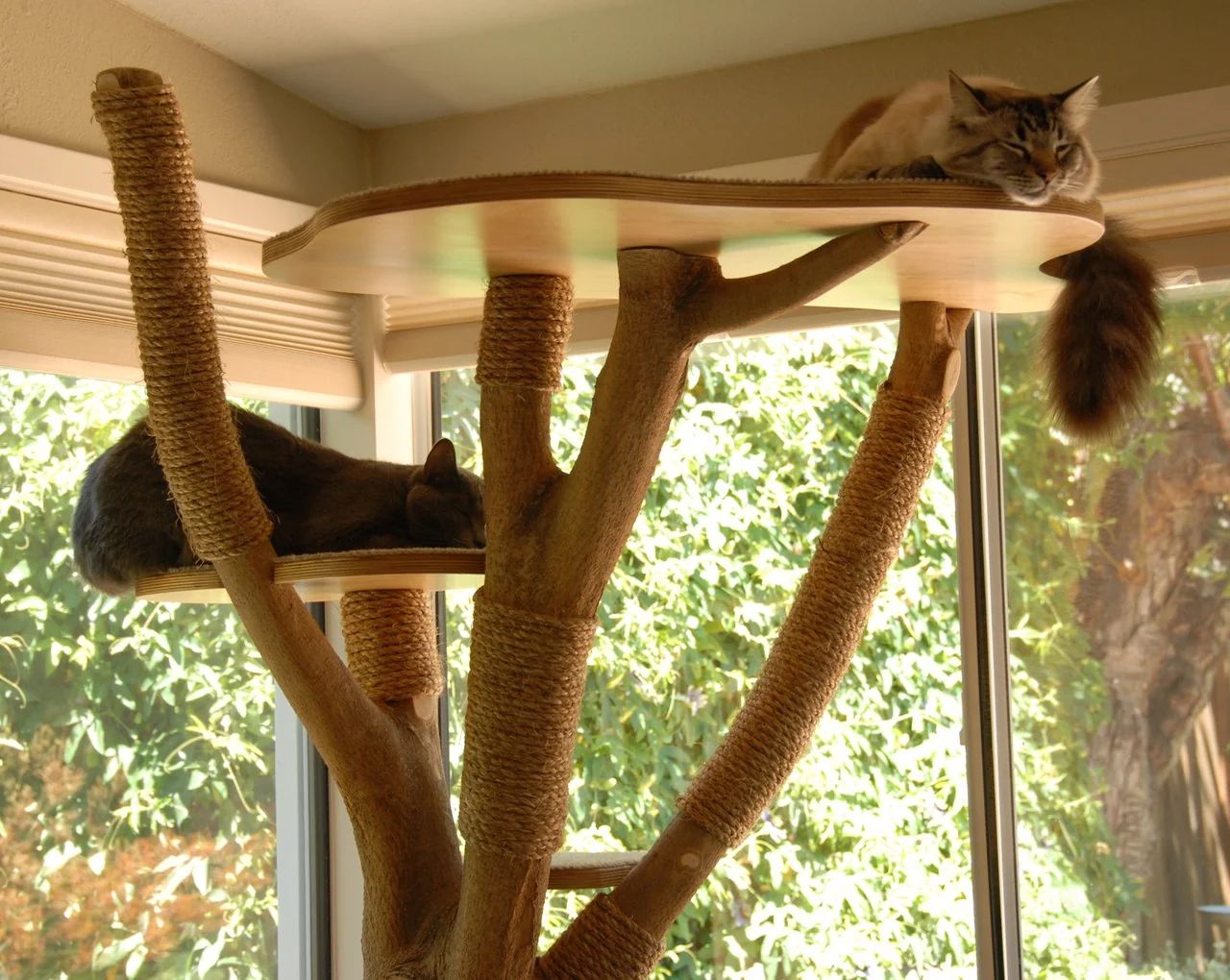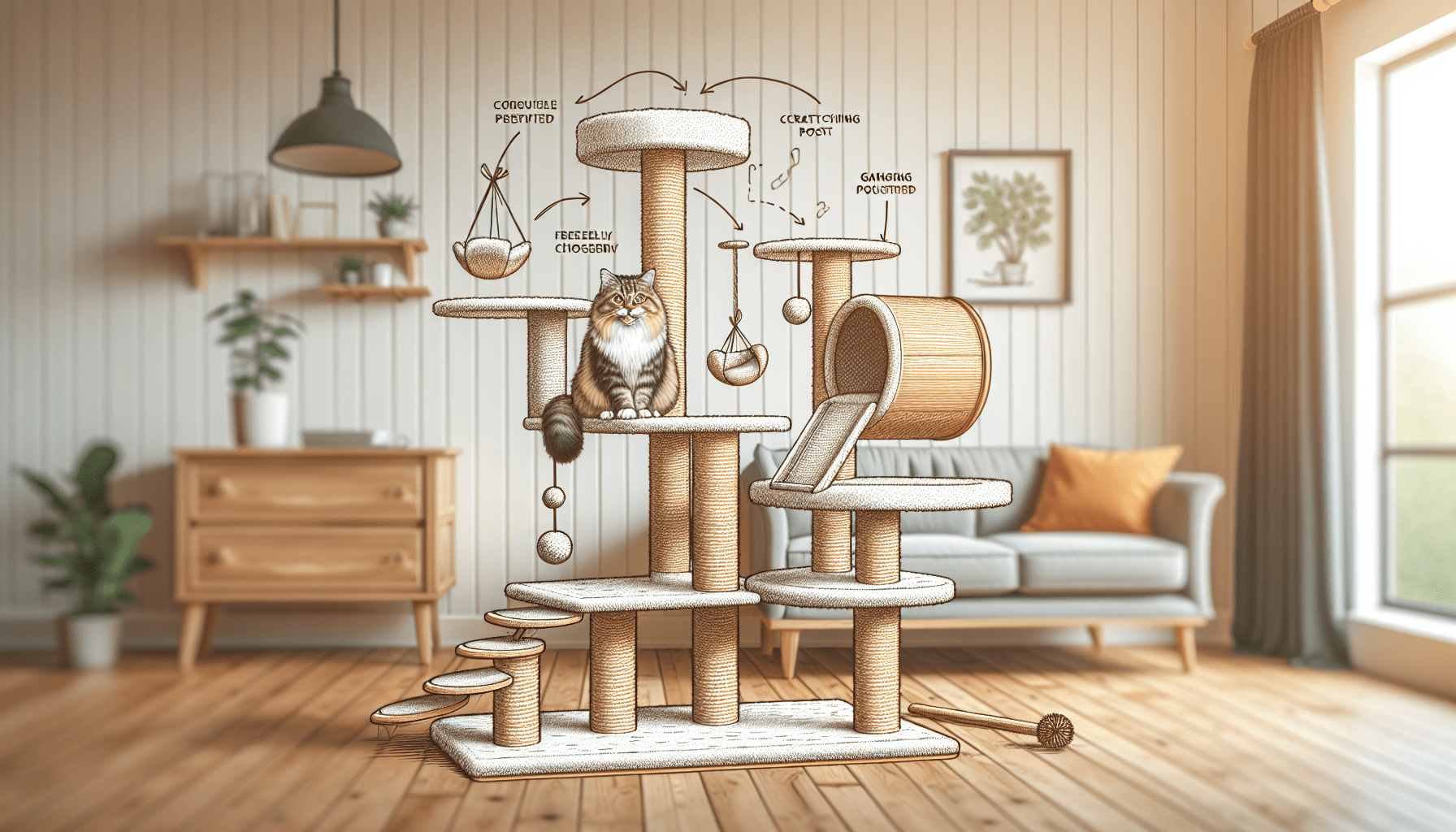
Have you ever wanted to create a special space for your furry friend to play, climb, and relax? Look no further! In this article, you will find all the information you need to build a basic cat tree. Whether you’re a seasoned DIY enthusiast or a newcomer to the world of crafts, this step-by-step guide will help you create a wonderful and personalized cat tree that your feline companion will adore. From selecting the right materials to adding exciting features, get ready to embark on a fun and rewarding project that will bring both you and your cat endless joy. So put on your creative hat and let’s get started!
Materials Needed
To build a cat tree, you will need the following materials:
Plywood
Plywood will serve as the foundation for your cat tree. It should be thick and sturdy to ensure stability and withstand the weight of your cat. Choose a size that suits the dimensions of your desired cat tree.
Carpet or Sisal Rope
Carpet or sisal rope will be used to cover the plywood and provide a comfortable surface for your cat to scratch and climb on. Opt for a durable material that can withstand your cat’s vigorous scratching.
Wood Screws
Wood screws are essential for securing the different components of your cat tree together. They should be long enough to penetrate the plywood and create a strong bond between the various parts.
Staple Gun
A staple gun will be used to attach the carpet or sisal rope to the plywood and other structures of the cat tree. Look for a high-quality staple gun that can securely fasten the materials together.
Wood Glue
Wood glue is an optional but helpful tool that can provide additional stability to your cat tree. Use it to reinforce the connections between the different components and ensure a sturdy structure.
Now that you have gathered the necessary materials, you can move on to designing your cat tree.
Designing the Cat Tree
Decide on the Height and Size
Before you start building, determine the height and size of your cat tree. Consider the available space in your home and the preferences of your cat. Cats love to climb and observe their surroundings, so a taller cat tree with multiple levels can provide ample opportunities for exploration.
Plan the Number of Platforms and Perches
Think about how many platforms and perches you want to incorporate into your cat tree. These will serve as resting spots for your cat and a place to observe the environment. Consider placing them at different heights to create variety and keep your cat entertained.
Consider Including Scratching Posts or Toys
To encourage healthy scratching and mental stimulation, you may want to include scratching posts or toys in your cat tree. Scratching posts can be covered with sisal rope or carpet, while toys can be attached to platforms or suspended from the cat tree. These additions will provide extra entertainment for your furry friend.
Ensure Stability and Structural Support
As you design your cat tree, prioritize stability and structural support. Cats can be quite active, and a wobbly or flimsy cat tree can be unsafe. Ensure that the base is wide and sturdy, and consider adding extra support to critical joints. Your cat’s safety should always be your top priority.
With the design phase complete, it’s time to start building!
Preparing the Base
Cut the Plywood to Size
Using a saw, carefully cut the plywood to the desired size for the base of your cat tree. Make sure the dimensions are suitable for the space you have allocated for the cat tree.
Sand the Edges and Surface
To prevent any splinters or rough edges, lightly sand the cut edges and surface of the plywood. This will ensure a smooth finish and reduce the risk of any discomfort for your cat.
Attach the Carpet or Sisal Rope to the Plywood
Using a staple gun, securely attach the carpet or sisal rope to cover the plywood. Begin by stapling one edge of the material to the underside of the plywood, then stretch it tightly across the surface, and staple the opposite edge. Continue along the sides, folding the excess material neatly and stapling it in place. The covered plywood will serve as the stable and comfortable base for your cat tree.
Now that the base is prepared, it’s time to construct the platforms and perches.
Constructing the Platforms and Perches
Cut the Plywood to the Desired Shape
Using your saw, cut the plywood into the desired shapes for the platforms and perches. You can opt for rectangular, circular, or even unique shapes to add visual interest to your cat tree. Make sure to sand the edges and surface of each piece for a smooth finish.
Attach the Carpet or Sisal Rope to the Platforms and Perches
Similar to how you covered the plywood base, attach the carpet or sisal rope to the platforms and perches using a staple gun. Ensure that the material is securely fastened, providing a comfortable and durable surface for your cat to perch and play on.
If you have chosen to include scratching posts or toys, let’s move on to that step.
Adding Scratching Posts or Toys
Purchase or Create Scratching Posts
You can either purchase ready-made scratching posts or create your own using materials such as sisal rope or carpet remnants. Ensure that the height and thickness of the scratching posts are suitable for your cat’s size and scratching habits.
Attach the Scratching Posts Securely
Using wood screws or the appropriate attachment method, securely fasten the scratching posts to the base or platforms of your cat tree. Be sure to position them in a way that encourages your cat to engage with them naturally.
Incorporate Toys or Hanging Elements for Entertainment
To make your cat tree even more engaging, consider attaching toys or hanging elements at various levels. This will provide mental stimulation and opportunities for play. Ensure that the toys are securely attached and do not pose any choking hazards.
After all the components are ready, it’s time to put them together and assemble your cat tree.
Assembling the Cat Tree
Attach the Platforms and Perches to the Base
Using wood screws, carefully attach the platforms and perches to the base of your cat tree. Make sure to align them securely and evenly distribute the weight to ensure stability.
Secure All Connections with Wood Screws
To ensure a sturdy and safe cat tree, secure all connections using wood screws. Check each joint and fasten them tightly, taking extra care to reinforce critical areas.
Utilize Wood Glue for Added Stability
For additional stability, consider using wood glue to reinforce the connections between the different components of your cat tree. Apply a small amount of wood glue to each joint before tightening the wood screws. The glue will dry and create a strong bond, making your cat tree even more secure.
With the main structure complete, it’s time to focus on providing comfort zones for your cat.
Providing Comfort Zones
Include Soft Cushions or Beds
To make your cat tree cozy, consider adding soft cushions or beds to the platforms and perches. Cats love to curl up in comfortable spots, and having plush surfaces will entice them to spend more time on their new tree.
Ensure Easy Access to Each Level
Make sure that your cat can easily navigate the different levels of the cat tree. Incorporate ramps or steps to allow for smooth transitions. Cats appreciate accessibility and will enjoy exploring their tree more if they can move around effortlessly.
Consider Placing a Cozy Hideaway on One of the Platforms
Create a cozy hideaway for your cat by adding a small enclosed space on one of the platforms or perches. This can be a covered box or a cushioned tunnel, providing a safe and snug spot for your cat to relax or take a nap.
Now that your cat tree is comfortable, let’s move on to covering and finishing touches.
Covering and Finishing
Staple Carpet or Sisal Rope to Cover Exposed Plywood
To give your cat tree a polished look, use a staple gun to attach carpet or sisal rope to cover any exposed plywood. This will not only enhance the aesthetic appeal but also provide additional scratching surfaces for your cat.
Trim Excess Material for a Neat Appearance
To achieve a clean and tidy look, carefully trim any excess carpet or sisal rope. Use sharp scissors or a utility knife to cut away any extraneous material, making sure the edges are neat and free from loose fibers.
Add Decorative Elements If Desired
If you want to add a personal touch to your cat tree, consider incorporating decorative elements such as hanging toys, feathers, or colorful fabric accents. These can enhance the visual appeal and create an inviting environment for your cat.
Now that your cat tree is complete, it’s essential to ensure its safety before introducing it to your furry friend.
Checking for Safety
Ensure All Connections Are Secure
Before allowing your cat to climb and play on the tree, double-check that all connections are secure. Tighten any loose screws, check for any signs of damage, and make sure the structure is stable.
Check for Any Sharp Edges or Loose Parts
Run your hand along all edges of the cat tree to ensure there are no sharp or rough areas that could potentially harm your cat. Additionally, check for any loose parts or materials that could pose a choking hazard.
Test Stability by Gently Shaking the Cat Tree
Give the cat tree a gentle shake to test its stability. A well-constructed cat tree should remain sturdy and not wobble excessively. If you notice any instability, reinforce the connections or make adjustments as necessary.
Once you have ensured the safety of the cat tree, it’s time to introduce your cat to their new play and rest area.
Introducing Your Cat to the Tree
Place Treats or Toys on Different Levels to Entice Them
Encourage your cat to explore the cat tree by placing treats or toys on different levels. This will tempt them to climb and investigate their new domain, making the experience more rewarding and enjoyable.
Encourage Exploration with Positive Reinforcement
When your cat shows interest in the cat tree, offer positive reinforcement to encourage further exploration. Praise your cat, provide treats, and give them gentle pets to create a positive association with their new space.
Monitor Their Interaction Initially to Ensure Safety
During the initial introduction, closely monitor your cat’s interaction with the cat tree. Watch for any signs of discomfort or potential hazards. Gradually increase their access to the tree as they become more familiar and comfortable with it.
By following these steps, you can create a safe and engaging cat tree that will provide endless entertainment and comfort for your feline friend. Enjoy watching your cat climb, scratch, and lounge on their new homemade cat tree!