Thinking about getting a cat tree for your furry friend but unsure where to start? Look no further! In this article, we will guide you through the process of evaluating the available space in your home to ensure you choose the perfect cat tree for your feline companion. With tips and tricks on measuring, assessing your cat’s preferences, and considering your home’s layout, you’ll be well-equipped to create a purrfectly cozy and enjoyable space for your cat to climb, scratch, and relax. So, let’s dive right in and make your kitty’s dreams come true!

This image is property of pixabay.com.
Determining the Available Space
When selecting a cat tree for your home, the first step is to measure the dimensions of the room where you plan to place it. This will help you determine the appropriate size and shape of the cat tree that will fit comfortably and not clutter the space. Take note of the height, width, and depth of the area you have available.
Additionally, consider other furniture and obstructions that may affect the placement of the cat tree. Ensure that there is enough space around the tree for your cat to move freely and for you to clean and maintain the furniture effectively. Take into account any shelves, windowsills, or other structures that your cat may already be using for climbing and consider whether the cat tree will complement or replace these.
Once you have these measurements and considerations in mind, you can decide on the placement of the cat tree in your home. Consider both your cat’s preferences and the flow of the space to determine the ideal location.
Considering the Size of the Cat Tree
Choosing the right size of the cat tree is crucial to ensure your cat’s comfort and safety. Measure the available space in your home and select a cat tree that fits within those dimensions. Consider the height of the ceiling if you opt for a vertical cat tree to ensure it will not be too tall for the room.
Another crucial factor in determining the size of the cat tree is the weight capacity. Different cat trees have various weight limitations, so it’s essential to select one that will safely support your cat’s weight.
By considering the available space and the size of your cat, you can choose a cat tree that will fit perfectly in your home and provide a comfortable and engaging space for your feline friend.

This image is property of pixabay.com.
Assessing Your Cat’s Behavior
Understanding your cat’s behavior is key to selecting the right cat tree. Observe your cat’s climbing and jumping habits to determine the height and complexity of the tree they would enjoy. Some cats may prefer shorter trees with more horizontal surfaces for lounging and playing, while others may be avid climbers and require taller trees with multiple levels and perches.
Consider the number of cats in your home as well. If you have multiple cats, they may need a cat tree with more space and features to accommodate their needs and avoid any territorial disputes.
Additionally, take into account your cat’s age and size. Kittens and younger cats may benefit from cat trees with lower platforms and ramps for easier access, while older cats may require trees with lower levels or even stairs to help them navigate without too much strain.
By considering your cat’s behavior, age, and size, you can choose a cat tree that is tailored to their specific needs and preferences.
Determining the Features and Design
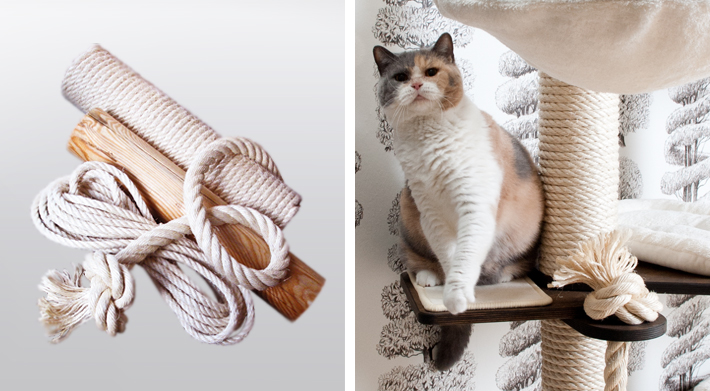
The features and design of a cat tree play a significant role in its appeal and functionality. Evaluate the scratching surfaces and toys on the cat tree to ensure they will entice your cat to use it and satisfy their natural instincts. Look for durable and replaceable scratching posts or mats that will withstand regular use.
Consider the number and type of perches as well. Cats enjoy having various levels and surfaces to perch and observe their surroundings. Look for cat trees that offer multiple platforms, hammocks, or enclosed spaces for your cat to relax and feel secure.
Additionally, decide on the materials and colors that match your home decor. Cat trees come in various materials such as wood, carpet, sisal, or faux fur. Choose a material that is durable and easy to clean, considering your cat’s potential scratching and shedding habits.
By evaluating the features and design of the cat tree, you can choose a furniture piece that not only provides entertainment for your cat but also complements the aesthetic of your home.

This image is property of pixabay.com.
Considering the Accessibility
When selecting a cat tree, it’s essential to ensure that it is easily accessible for your feline friend. Determine the ease of climbing and jumping on the cat tree, especially if your cat has mobility issues or is particularly young or old. Look for cat trees with ramps or stairs that can assist cats with limited mobility to reach different levels.
For shy or introverted cats, consider cat trees with hiding spots or enclosed areas where they can retreat and feel secure. These spaces can provide a sense of safety and solitude for cats who prefer more privacy.
By considering the accessibility of the cat tree, you can ensure that it will be a welcoming and inviting space for your cat to explore and enjoy.
Assessing the Stability and Durability
To ensure the safety and longevity of the cat tree, it’s crucial to assess its stability and durability. Check the construction and materials of the cat tree to ensure it is well-built and can withstand your cat’s activity level.
Ensure that the cat tree has a stable base or can be secured to a wall for added stability, especially if you have a larger or more active cat. This will prevent the tree from wobbling or tipping over, keeping your cat safe during play and exploration.
Additionally, consider the weight and activity level of your cat. If you have a particularly large or energetic cat, opt for a sturdy cat tree with thicker poles and reinforced platforms to withstand their movements.
By assessing the stability and durability of the cat tree, you can select a piece of furniture that will withstand the test of time and provide a safe and enjoyable space for your cat.
Understanding the Maintenance Requirements
Maintaining a cat tree is essential to ensure its cleanliness and longevity. Evaluate the ease of cleaning the cat tree before making a purchase. Look for materials that are easy to wipe or vacuum, such as machine-washable fabrics or removable and washable cushions.
Consider the durability of the materials against scratching and wear. Cats naturally use cat trees for scratching, so choose materials that can withstand regular clawing and won’t fray or deteriorate quickly.
Additionally, check if replacement parts or additional accessories are available for the cat tree. Over time, some components may wear out or get damaged, and having the option to replace or repair parts can extend the life of your cat tree.
By understanding the maintenance requirements of the cat tree, you can select one that is easy to clean and maintain, ensuring a hygienic and long-lasting piece of furniture for your cat.
Considering the Budget
When choosing a cat tree, it’s important to set a budget based on your financial capabilities. Determine how much you are willing to spend and search for cat trees within that price range.
Compare prices and quality of different brands, taking note of any discounts or promotions available. Keep in mind that cheaper options may be made from lower-quality materials and may not have the same durability or stability as higher-priced alternatives.
Decide on the features that are worth investing in based on your cat’s needs and your personal preferences. It may be worth splurging on a more robust and feature-rich cat tree if your cat is highly active and in need of additional stimulation.
By considering your budget and the overall value and quality of the cat tree, you can make a well-informed decision that meets both your financial constraints and your cat’s needs.
Reading Customer Reviews and Recommendations
Before purchasing a cat tree, it’s advisable to read customer reviews and recommendations to gain insights from other cat owners. Research online for reviews and ratings of different cat trees, paying attention to the overall satisfaction of customers and any potential issues or concerns they may have encountered.
Read recommendations from other cat owners who may have similar home spaces or cat behaviors. They can offer valuable insights into the suitability of specific cat trees for your pet.
By considering the experiences of other customers and their recommendations, you can make an informed decision and choose a cat tree that has a track record of meeting the expectations of pet owners.
Seeking Professional Advice
If you’re still unsure about which cat tree is best for your home and your cat, it may be helpful to seek professional advice. Consult with a veterinarian or cat behaviorist who can provide insights into your cat’s specific needs and preferences.
Ask for recommendations from pet supply stores that specialize in cat furniture. Their expertise and knowledge can guide you towards the most suitable options for your cat and your home.
Consider professional installation options if needed. Some cat trees may require additional support or anchoring to ensure stability, and professionals can assist with the proper installation.
By seeking professional advice, you can ensure that you make the best possible choice for your cat’s well-being and happiness.
In conclusion, selecting the right cat tree for your home involves various considerations. By determining the available space, considering the size of the cat tree, assessing your cat’s behavior, determining the features and design, considering the accessibility, assessing stability and durability, understanding the maintenance requirements, considering the budget, reading customer reviews and recommendations, and seeking professional advice, you can make an informed decision that provides your cat with a comfortable, engaging, and safe space to climb, play, and relax. Remember to prioritize your cat’s needs and preferences, as well as the practicality and aesthetics that fit your home.