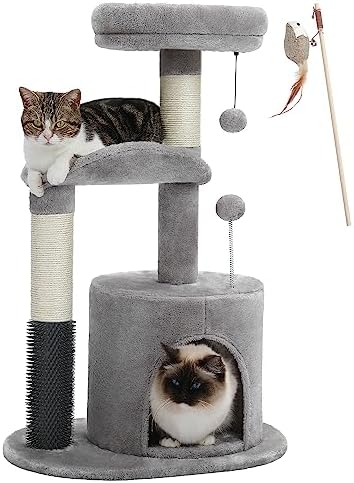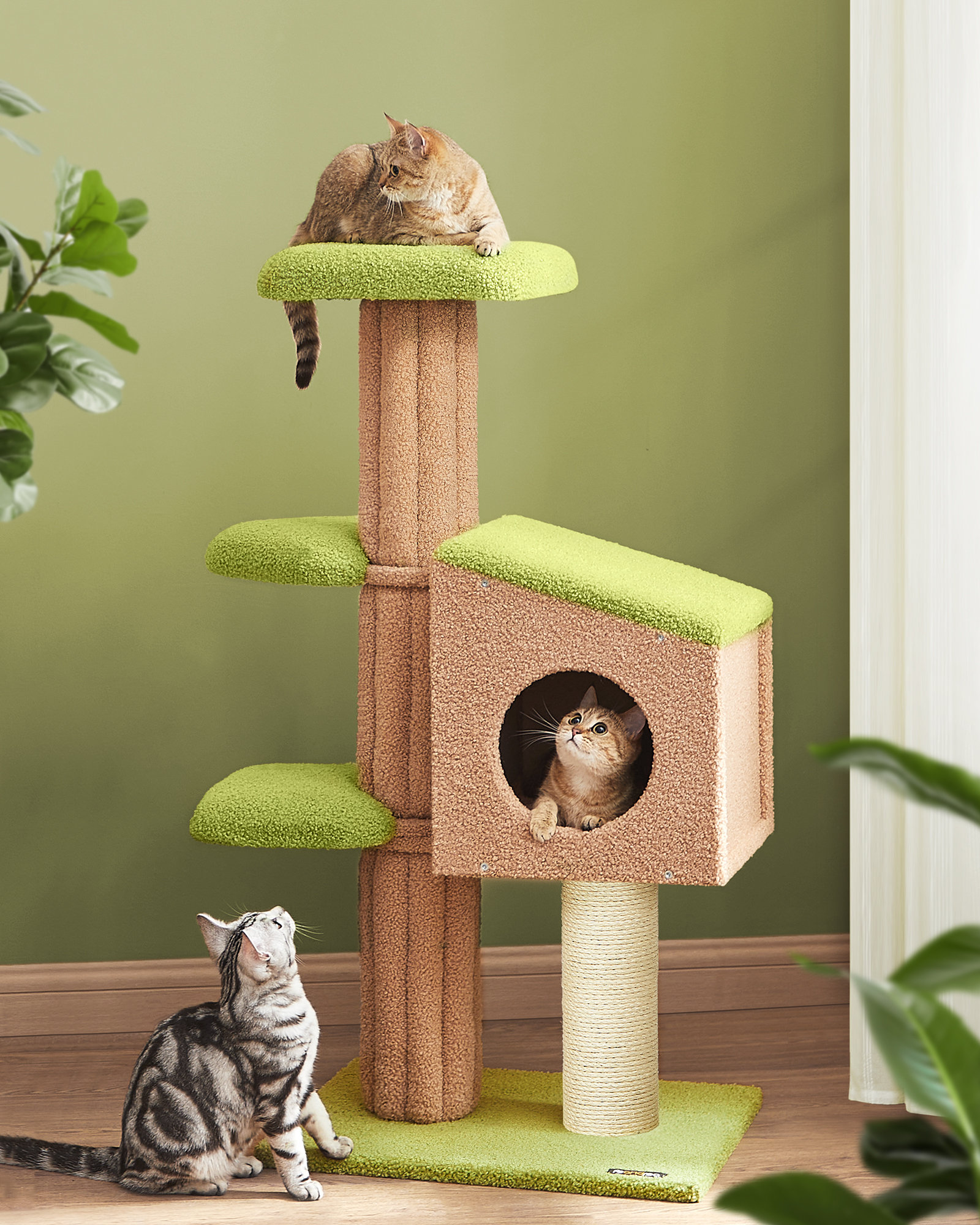
Have you ever wondered how to keep your feline friend entertained and engaged? Look no further than Sisal Rope Cat Trees! This article provides a comprehensive overview of these amazing creations, designed specifically for the enjoyment of our furry companions. Whether it’s climbing, scratching, or just lounging, Sisal Rope Cat Trees offer a perfect combination of fun and relaxation. Dive into the world of these innovative feline playgrounds and discover the endless possibilities they provide for your beloved pet.
Benefits of Sisal Rope Cat Trees
Durable and long-lasting
Sisal rope cat trees are known for their durability and long-lasting nature. The sisal material used to cover the tree’s structure is tough and resistant to scratching, ensuring that it can withstand the constant use of even the most active cats. Unlike other materials that can easily tear or fray, sisal rope is designed to hold up against the sharp claws of your feline friend, making it an excellent choice for a cat tree.
Provides a scratching outlet for cats
One of the primary benefits of sisal rope cat trees is that they provide a dedicated scratching outlet for cats. Cats have a natural instinct to scratch, and having a designated space to fulfill this need can prevent them from damaging your furniture, curtains, or other household items. The rough texture of sisal rope is perfect for satisfying a cat’s urge to scratch, ensuring they have a place to do so without causing any harm.
Promotes exercise and stimulation
Cats need regular exercise and mental stimulation to maintain their health and well-being. Sisal rope cat trees offer multiple levels, perches, and platforms that encourage cats to climb, jump, and explore. By providing them with a vertical playground, you’re promoting physical activity and mental stimulation, which is crucial for their overall happiness and fitness.
Ideal for multiple cats
If you have multiple cats in your household, a sisal rope cat tree is an excellent investment. These trees often feature multiple perches and hiding spots, allowing each cat to have their own space to relax and observe their surroundings. Additionally, the height and varying levels of the cat tree provide opportunities for cats to establish their hierarchy and territory, reducing potential conflicts between feline companions.
Blends well with home decor
Sisal rope cat trees are not only functional but also aesthetically pleasing. The natural tones of the sisal rope blend well with various home decors, making them a seamless addition to any room. Whether you have a modern, rustic, or eclectic interior design, a sisal rope cat tree can fit right in without disrupting the overall aesthetic of your home.
Features to Consider
Size and height
When choosing a sisal rope cat tree, it’s essential to consider the size and height that would best suit your feline friends. Evaluate the available space in your home where you plan to place the cat tree. Measure the height of the ceilings to ensure the tree will fit comfortably without obstructing any walkways or furniture. Cats love to climb and perch in high places, so opting for a taller cat tree will provide them with ample vertical space for their enjoyment.
Material quality
The quality of the materials used in the construction of the cat tree is crucial for its durability and stability. Look for cat trees that use high-quality wood or engineered wood as the structure’s base. The platforms and perches should be made of sturdy materials such as particleboard, plywood, or solid wood. Additionally, ensure that the sisal rope used to cover the structure is of good quality and tightly woven.
Stability and sturdiness
A stable and sturdy cat tree is essential for the safety of your cats. Check for reinforced joints and platforms that can support the weight of your pets. The base of the cat tree should be wide enough to prevent tipping, especially if you have larger or more active cats. The stability of the cat tree will ensure that it can withstand the playful antics and acrobatics of your furry friends without the risk of toppling over.
Number and type of perches
Consider the number and type of perches offered by the cat tree. Cats love to have different levels and resting spots to choose from. Look for cat trees that offer a variety of perches, including flat platforms, hammocks, and cozy beds. This variety allows your cats to find their preferred spot for lounging, napping, and observing their surroundings.
Sisal rope thickness and coverage
The thickness and coverage of the sisal rope are important factors to consider when selecting a cat tree. Thicker sisal rope tends to be more durable and resistant to wear and tear. Look for cat trees with sisal rope that covers a significant portion of the structure, particularly in areas where cats are more likely to scratch. The more coverage there is, the longer the cat tree will last.
Incorporation of other cat-friendly features
Some cat trees come with additional features that enhance your cat’s overall experience. Look for cat trees that include hiding spots, tunnels, or cubbies for your cats to retreat to when they want some privacy. Toys or dangling ropes can provide entertainment and mental stimulation for your cats. The more cat-friendly features a cat tree has, the more enjoyment and satisfaction it will bring to your feline companions.
Different Designs Available
Basic sisal rope cat tree
A basic sisal rope cat tree typically consists of a single structure with one or two perches. This design is perfect for smaller spaces or for cat owners who are looking for a simple and straightforward cat tree solution. Despite its simplicity, a basic sisal rope cat tree still provides ample scratching opportunities and a cozy spot for your cats to relax.
Multi-level cat tree with sisal rope
A multi-level cat tree with sisal rope is designed to maximize vertical space and provide multiple perching options for your cats. These cat trees often have several platforms at varying heights, connected by ramps or steps. The sisal rope is wrapped around the structure, offering plenty of scratching surfaces for your cats. This design is great for households with multiple cats or active felines who enjoy climbing and exploring.
Sisal rope cat tree with hiding spots
For cats who crave privacy and enjoy hiding away, a sisal rope cat tree with hiding spots is an ideal choice. These cat trees typically feature cubbies or enclosed areas where cats can retreat to for some alone time. The sisal rope serves as both a scratching surface and a decorative element, adding texture and visual appeal to the tree while fulfilling your cat’s need to scratch.
Sisal rope cat tree with built-in toys
To keep your cats entertained and engaged, consider a sisal rope cat tree with built-in toys. These cat trees often come with dangling ropes, hanging balls, or other interactive elements that can capture your cat’s attention and provide hours of play. The sisal rope covering the structure ensures that your cats can scratch and claw at the tree without damaging other parts of your home.
Sisal rope cat tree with scratching posts
If your cats are particularly fond of scratching, a cat tree with built-in scratching posts is a fantastic option. These cat trees have vertical poles wrapped in sisal rope, offering cats the perfect surface to fulfill their scratching needs. The scratching posts are usually placed at different heights and angles, providing various scratching options for your furry friends.
Choosing the Right Size
Consider available space in your home
Before purchasing a sisal rope cat tree, take into account the available space in your home. Measure the area where you plan to place the cat tree, ensuring that it fits comfortably without causing any obstructions. Consider the layout of the room and how the cat tree may affect the flow of foot traffic.
Take into account the number of cats in your household
The number of cats in your household is an essential factor to consider when choosing the right size of a cat tree. If you have multiple cats, ensure that the cat tree you select can accommodate them all comfortably. Look for cat trees with multiple perches or hiding spots, allowing each cat to have their own space.
Opt for taller cat trees for vertical space utilization
Cats love heights, so opting for a taller cat tree allows them to utilize vertical space in your home. Look for cat trees that have multiple levels or platforms, giving your cats ample opportunities for climbing and perching. Taller cat trees also provide more scratching surface area, which is beneficial if you have multiple cats.
Choose wider bases to ensure stability
A wider base is crucial for ensuring the stability and safety of the cat tree. Cats can be quite active and may engage in rough play or acrobatic feats while on the tree. To prevent tipping, choose cat trees with wider bases, as they provide a more solid and stable foundation.
Quality and Durability
Examine the construction materials
When assessing the quality and durability of a sisal rope cat tree, pay close attention to the construction materials used. The base and platforms should be made of high-quality wood or engineered wood that can withstand the weight of your cats. Avoid cat trees with flimsy or cheap materials that may break or warp over time.
Check for reinforced joints and sturdy platforms
Inspect the joints and platforms of the cat tree to ensure that they are reinforced and well-constructed. Look for screws, bolts, or other sturdy fasteners that hold the tree together. Additionally, the platforms should be thick and solid, able to accommodate your cats without sagging or wobbling.
Read customer reviews for insights on durability
Before making a purchase, take the time to read customer reviews and ratings of the cat tree. Look for feedback on the durability and longevity of the product. Real-life experiences from other cat owners can provide valuable insights into how well the cat tree holds up over time.
Look for cat trees made with high-quality sisal rope
The sisal rope used to cover the cat tree should also be of high quality. Look for thicker sisal rope that is tightly woven, as it will be more durable and resistant to unraveling. Cheaper alternatives may fray easily, requiring frequent replacements.
Health and Safety Considerations
Avoid cat trees with sharp edges or small parts
When considering the health and safety of your cats, it’s important to steer clear of cat trees with sharp edges or small parts that could pose a choking hazard. Ensure that the design of the cat tree is safe and free of any potential dangers that could harm your cats.
Ensure the cat tree is made with non-toxic materials
Cat trees should be made with non-toxic materials to prevent any harm to your cats. Cats may groom themselves or nibble on various parts of the cat tree, so it’s essential that all materials used are safe for them to come into contact with.
Check if the cat tree is stable and won’t tip over easily
The stability of the cat tree is paramount to the safety of your cats. Ensure that the tree is designed to be stable and won’t tip over easily, even with the most energetic cats jumping on and off it. A sturdy base and robust construction are essential features to keep in mind.
Verify that the sisal rope is securely attached to the structure
The sisal rope should be securely attached to the cat tree’s structure to prevent it from unraveling or detaching. Cats will scratch vigorously, and if the sisal rope becomes loose, it may pose a hazard for your cats. Verify that the stitching or fastening method used for the sisal rope is strong and reliable.
DIY Sisal Rope Cat Tree
Gather necessary materials and tools
If you enjoy crafting and want a personalized cat tree, you can consider making your own DIY sisal rope cat tree. Gather all the necessary materials, including wood planks or plywood, sisal rope, screws, a drill, a saw, and other tools required for construction. Having everything prepared beforehand will make the process smoother and more efficient.
Create a design plan
Before starting the construction, create a design plan for your DIY sisal rope cat tree. Determine the height, number of levels or platforms, and additional features you want to incorporate. Sketch out the design or use a software program to visualize the final product.
Measure and cut the appropriate lengths of wood
Measure and cut the wood planks or plywood to the desired lengths based on your design plan. Ensure that all pieces are cut accurately to fit together securely. Sand any rough edges to prevent splinters and create a smooth surface for your cats.
Attach the wooden pieces to form the structure
Using screws and a drill, assemble the wooden pieces according to your design plan. Follow the appropriate sequence to ensure the stability and sturdiness of the structure. Reinforce the joints with additional screws if necessary.
Wrap the sisal rope tightly around the desired areas
Starting from the bottom of the structure, wrap the sisal rope tightly around the desired areas where you want scratching surfaces. Use a staple gun or strong adhesive to secure the sisal rope in place. Ensure that the rope is tightly wound with no loose ends or gaps.
Add other features such as perches, hiding spots, and toys
Once the basic structure and sisal rope covering are in place, you can add additional features to enhance your DIY cat tree. Install perches, hiding spots, or even attach toys or dangling ropes to entertain your cats. Get creative and consider your cat’s preferences and needs when adding these features.
Ensure the stability and safety of the DIY cat tree
Before introducing your cats to the DIY sisal rope cat tree, double-check the stability and safety of the entire structure. Perform stability tests by pushing and shaking the tree to ensure it can withstand the weight and movements of your cats. Make any necessary adjustments or reinforcements to ensure the safety and enjoyment of your feline companions.
Finding the Perfect Sisal Rope Cat Tree
Research different brands and models
When searching for the perfect sisal rope cat tree, start by conducting thorough research on different brands and models available in the market. Look for reputable manufacturers known for producing high-quality cat trees. Read product descriptions and specifications to determine which ones align with your specific requirements.
Read customer reviews and ratings
Customer reviews and ratings can provide valuable insights into the pros and cons of different cat trees. Take the time to read through feedback from other cat owners who have purchased and used the cat trees you are considering. Look for common themes and experiences to gauge the overall satisfaction of customers.
Consider your cat’s preferences and needs
Your cat’s preferences and needs should be a top consideration when choosing a sisal rope cat tree. Take note of their behavior and habits to determine the features that would best suit them. If your cat enjoys climbing or perching in high places, opt for a taller tree with multiple levels. If they prefer privacy, look for a tree with hiding spots or enclosed areas.
Take into account your budget
Set a budget for your cat tree purchase and consider options within that range. While high-quality cat trees may come with a higher price tag, they often offer better durability and longevity, making them a worthwhile investment. However, there are also budget-friendly options available that can still provide a satisfactory experience for your cats.
Compare prices and features
Once you have narrowed down your options based on your cat’s preferences and your budget, compare prices and features of the remaining cat trees. Look for any additional features or benefits that make one cat tree stand out from the others. Consider the value for money each option offers.
Purchase from reputable retailers or manufacturers
To ensure a positive buying experience and a quality product, purchase your sisal rope cat tree from reputable retailers or manufacturers. Look for well-established pet supply stores or online platforms with positive reviews and a good reputation for customer service. Avoid purchasing from unknown or unreliable sources to avoid counterfeit or subpar products.
Maintaining and Cleaning Sisal Rope Cat Trees
Regularly inspect the cat tree for wear and tear
To maintain the longevity and safety of your sisal rope cat tree, it’s important to regularly inspect it for any signs of wear and tear. Check for frayed or loose sisal rope, loose screws or bolts, and any damage to the wooden structure. Address any issues promptly to prevent further deterioration.
Trim loose sisal rope ends to prevent unraveling
If you notice any loose ends or frayed areas of the sisal rope, trim them to prevent unraveling. Use sharp scissors or a utility knife to carefully cut away the damaged portions. Ensure that the remaining sisal rope is securely attached to the cat tree.
Vacuum or brush off accumulated cat hair and debris
Cat trees, especially those with fabric or cushioned parts, can accumulate cat hair and debris over time. Regularly vacuum or use a soft brush to remove any loose hair or debris from the surfaces of the cat tree. This will help keep it clean and maintain its overall appearance.
Use cat-friendly detergents to clean any fabric or cushioned parts
If your cat tree has fabric or cushioned parts that require cleaning, use cat-friendly detergents specifically formulated for pet products. Follow the manufacturer’s instructions for cleaning and ensure that the fabric is thoroughly rinsed and dried before allowing your cats back onto the tree.
Avoid using harsh chemicals that may harm your cat
When cleaning your sisal rope cat tree, avoid using harsh chemicals or cleaning agents that may be toxic to your cats. Stick to gentle, non-toxic options to ensure the safety of your feline companions. Always read the labels of cleaning products to ensure they are pet-safe.
Conclusion
Sisal rope cat trees offer numerous benefits for both cats and their owners. They are durable, provide a dedicated scratching outlet, promote exercise and mental stimulation, and are ideal for households with multiple cats. Additionally, cat trees with sisal rope blend seamlessly with home decor, making them a visually appealing addition to any room.
When choosing a cat tree, consider the size, material quality, stability, and the number of perches it offers. Pay attention to the thickness and coverage of the sisal rope and look for cat trees that incorporate other cat-friendly features such as hiding spots or built-in toys.
DIY sisal rope cat trees are a great option for crafty individuals who want to customize a tree for their cats. However, it’s important to ensure the stability and safety of the DIY cat tree before introducing your cats to it.
Finding the perfect sisal rope cat tree requires thorough research, reading customer reviews, and considering your cat’s preferences and needs. Comparing prices and features will help you make an informed decision, and purchasing from reputable retailers or manufacturers guarantees a quality product.
Regular maintenance and cleaning, including inspecting for wear and tear, trimming loose sisal rope ends, and keeping the cat tree clean, will prolong its lifespan and ensure the health and safety of your cats.
In conclusion, sisal rope cat trees are not only functional but also provide a source of entertainment and stimulation for your cats. By investing in a high-quality cat tree and maintaining it well, you can provide your feline friends with a safe and enjoyable space that will keep them happy and active for years to come.