If you’re a cat owner, chances are you’ve heard of cat trees. These delightful structures offer a variety of platforms, scratching posts, and cozy hideaways, providing endless entertainment and comfort for your feline friend. But have you ever wondered about the materials used in the construction of these incredible cat havens? From sturdy wood to durable sisal rope, this article explores the diverse range of materials utilized in the creation of cat trees, ensuring that your furry companion has a safe and enjoyable space to climb and play.
Wood
Wood is a popular choice of material when it comes to building cat trees due to its durability and natural aesthetic. There are various types of wood commonly used in cat tree construction, including solid wood, plywood, and composite wood.
Solid Wood
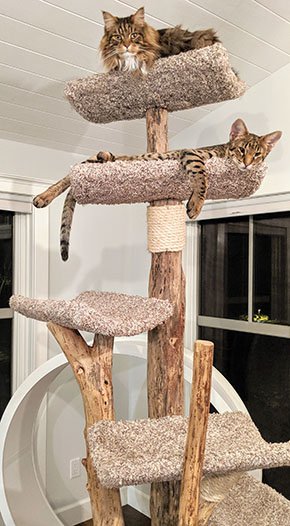
Solid wood is a timeless and sturdy option for cat trees. It offers excellent stability and can withstand the weight and activity of multiple cats. Depending on the type of wood used, such as pine or cedar, solid wood can provide a beautiful natural finish. It is important to choose solid wood that is tough and scratch-resistant, as cats love to use their claws on their cat trees.
Plywood
Plywood is another type of wood commonly used in cat tree construction. It is made by gluing multiple layers of wood veneers together, creating a strong and durable material. Plywood is known for its resistance to warping and cracking, making it an excellent choice for cat trees that will be subjected to frequent scratching, climbing, and jumping. This type of wood is also often used in the construction of platforms and scratching posts, providing stability and strength.
Composite Wood
Composite wood, also referred to as engineered wood, is a versatile and cost-effective option for cat trees. It is made by combining wood fibers or particles with a synthetic resin binder, resulting in a material that is both durable and eco-friendly. Composite wood is often used for the base or structure of cat trees, offering stability and support. Additionally, it can be finished with various veneers to give it a more polished appearance.
Carpet
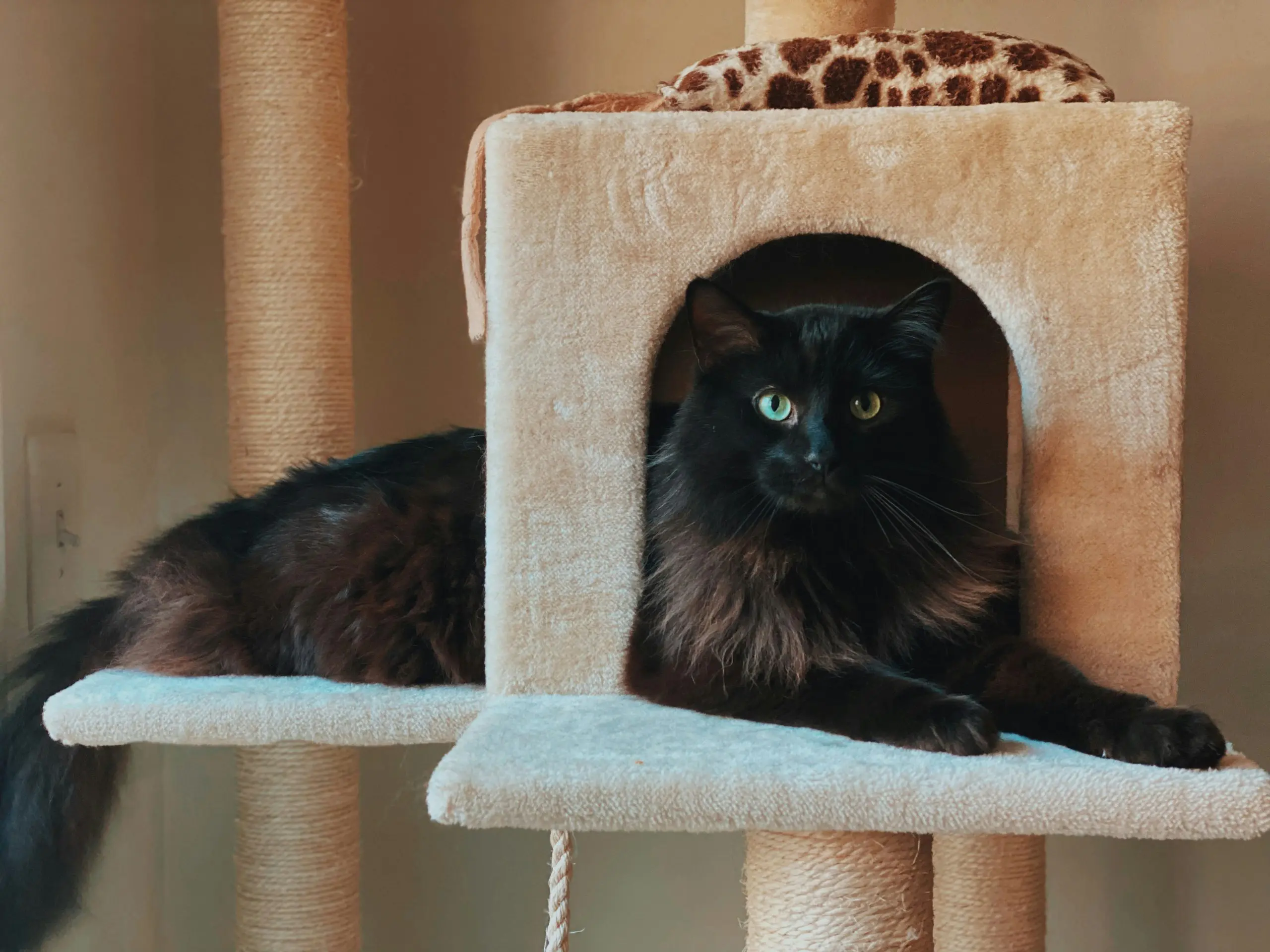
Carpet is a popular choice for covering the platforms, ramps, and perches of cat trees. It provides a soft and comfortable surface for cats to rest and play on, while also offering traction for their claws. There are different types of carpet commonly used in cat tree construction, including sisal carpet and plush carpet.
Sisal Carpet
Sisal carpet is made from the natural fibers of the sisal plant. It is extremely durable and resistant to scratching, making it an excellent choice for cat trees. Sisal carpet provides a rough texture that encourages cats to scratch, preventing them from damaging other areas of your home. It is also known for its natural aesthetic and can complement various styles of cat trees.
Plush Carpet
Plush carpet, also known as cut pile carpet, is a soft and luxurious option for cat trees. It offers a comfortable surface for cats to lounge and sleep on, providing them with a cozy retreat. Plush carpet is often used in combination with sisal carpet or other materials, creating a multi-textured cat tree that appeals to cats’ natural instincts. It is important to choose plush carpet that is easy to clean and resistant to stains, as cat trees can become dirty over time.
Rope
Rope is another essential material used in cat tree construction, particularly for scratching posts and climbing elements. It provides a textured surface that cats love to sink their claws into, allowing them to satisfy their natural scratching instinct. There are different types of rope commonly used in cat trees, including sisal rope, hemp rope, and jute rope.
Sisal Rope
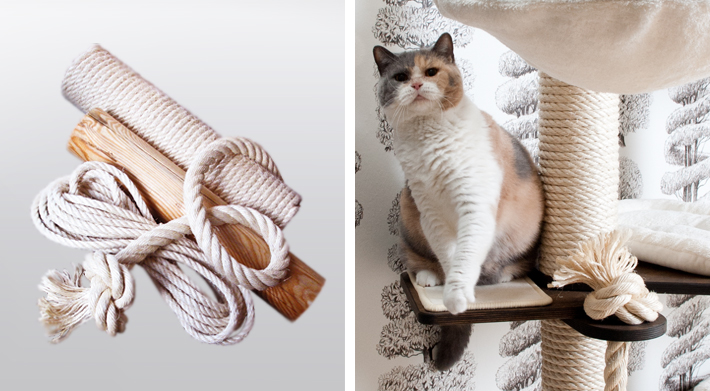
Sisal rope is made from the fibers of the sisal plant and is widely used in cat trees due to its durability and natural texture. It is resistant to fraying and can withstand the repeated scratching of cats. Sisal rope provides excellent grip for cats’ claws, allowing them to stretch and condition their nails effectively. It is often wrapped tightly around scratching posts, providing a sturdy and long-lasting surface for cats to scratch on.
Hemp Rope
Hemp rope is an eco-friendly alternative for cat tree construction. It is made from the fibers of the hemp plant, which are known for their strength and durability. Hemp rope provides a rough and textured surface that cats enjoy scratching, helping to maintain healthy nails. It is important to choose hemp rope that is thick and tightly wound around scratching posts, ensuring its longevity and providing a satisfying scratching experience for cats.
Jute Rope
Jute rope is a natural fiber derived from the jute plant. It is a strong and versatile material that is commonly used in cat trees. Jute rope offers a rough texture that cats find appealing, encouraging them to engage in healthy scratching behavior. It is often used to wrap scratching posts or as a decorative element in cat tree design. Jute rope is resistant to fraying and provides excellent grip for cats’ claws, making it a durable and practical choice.
Fabric
Fabric is an important component of cat trees, providing comfort and softness for cats to relax and unwind. There are different types of fabric commonly used in cat tree construction, including faux fur, velvet, and microfiber.
Faux Fur
Faux fur is a luxurious and cozy fabric often used in cat tree construction. It mimics the appearance and feel of real animal fur, providing a plush and comfortable surface for cats to nap and play on. Faux fur is known for its warmth and softness, creating a soothing environment for cats. It is often used to cover perches, platforms, and bedding areas, giving cats a cozy spot to curl up and enjoy their surroundings.
Velvet
Velvet is a versatile fabric that adds an elegant touch to cat trees. It is known for its smooth and lustrous texture, creating a visually appealing surface for cats to lounge on. Velvet provides a comfortable and soft resting place for cats, making it a popular choice for cats who love to relax and unwind. It is often used for covering cushions, bedding areas, and any other surfaces where cats spend time.
Microfiber
Microfiber is a synthetic fabric that is both durable and easy to clean. It offers excellent stain resistance and is resistant to fraying, making it a practical choice for cat tree construction. Microfiber provides a soft and smooth surface for cats to rest and nap on, ensuring their comfort and relaxation. This type of fabric is often used for covering cushions, perches, and other areas where cats seek comfort.
Foam
Foam plays a crucial role in providing comfort and support in cat tree construction. It is used in various components, including cushions, bedding areas, and climbing elements. There are different types of foam commonly used, such as high-density foam and memory foam.
High-Density Foam
High-density foam is a dense and supportive material often used in cat tree construction. It provides excellent stability for platforms and perches, ensuring cats can rest and play comfortably. High-density foam helps distribute weight evenly, preventing any sagging or sinking over time. It offers long-lasting resilience and can withstand the daily use and activity of cats.
Memory Foam
Memory foam is known for its ability to contour to the body’s shape and provide customized support. It is a popular choice for cat tree construction, especially in bedding areas and cushions. Memory foam offers exceptional comfort and pressure relief, allowing cats to relax and sleep peacefully. It also helps alleviate joint pain and provides added support for cats with mobility issues.
Plastic
Plastic is a versatile material used in various components of cat trees, including bases, connectors, and accessories. It offers durability and functionality while also being easy to clean. There are different types of plastic commonly used, including polypropylene, ABS plastic, and PVC.
Polypropylene
Polypropylene is a lightweight and durable plastic often used in cat tree construction. It is resistant to moisture and weather conditions, making it suitable for outdoor cat trees or areas with high humidity. Polypropylene provides excellent strength and stability, ensuring the integrity of the cat tree structure. It is also easy to clean, allowing for hassle-free maintenance.
ABS Plastic
ABS plastic is a strong and impact-resistant material commonly used in cat trees. It offers excellent durability and can withstand the energetic play of cats. ABS plastic is known for its smooth and polished finish, providing a sleek and modern look to cat tree designs. It is often used in the construction of connectors and accessories, ensuring their reliability and longevity.
PVC
PVC, or polyvinyl chloride, is a versatile plastic that is both durable and affordable. It is commonly used in cat tree construction for its strength and resistance to wear and tear. PVC is known for its lightweight nature and flexibility, allowing for easy assembly and customization of cat trees. It is often used for bases and connectors, providing stability and support.
Metal
Metal components are essential in cat tree construction, providing strength and stability. Different types of metal are used, including steel, wrought iron, and aluminum.
Steel
Steel is a strong and durable metal often used in cat tree construction. It offers excellent stability and can withstand the weight and activity of multiple cats. Steel components, such as frames and connectors, provide structural integrity to cat trees. Steel is resistant to rust and corrosion, ensuring the longevity of the cat tree even in humid environments.
Wrought Iron
Wrought iron is a classic and elegant choice for cat tree construction. It combines the strength and durability of metal with intricate and decorative designs. Wrought iron components, such as posts and perches, can add a touch of sophistication to cat trees. It offers excellent stability and can withstand the playful antics of cats.
Aluminum
Aluminum is a lightweight and versatile metal often used in cat tree construction. It offers excellent strength and stability while being easy to handle and assemble. Aluminum components, such as frames and platforms, provide a sturdy base for cat trees. Aluminum is resistant to rust and corrosion, ensuring the longevity of the cat tree even in outdoor or humid environments.
Cardboard
Cardboard is a budget-friendly and eco-friendly option for cat tree construction. It is lightweight and can be easily shaped and assembled. There are different types of cardboard commonly used in cat trees, including corrugated cardboard and recycled cardboard.
Corrugated Cardboard
Corrugated cardboard is a durable and sturdy material often used in cat tree construction. It consists of multiple layers of cardboard with a wavy inner layer, providing strength and stability. Corrugated cardboard is resistant to scratching, making it an ideal surface for cats to sharpen their claws. It can be easily replaced when worn out, prolonging the lifespan of the cat tree.
Recycled Cardboard
Recycled cardboard is an eco-friendly option for cat tree construction. It utilizes materials that have been repurposed, reducing waste and promoting sustainability. Recycled cardboard can be just as durable and sturdy as other types of cardboard, offering a cost-effective solution for cat owners. It provides a textured surface for cats to scratch and can be easily replaced when necessary.
Ramps and Platforms
Ramps and platforms are essential components of cat trees, providing cats with opportunities for climbing, jumping, and perching. Different materials are used to create durable and comfortable surfaces for cats to navigate.
Wooden Ramps
Wooden ramps offer a natural and sturdy option for cat tree construction. They can be made from solid wood, plywood, or composite wood, providing stability and support. Wooden ramps are often covered with carpet or fabric to enhance traction and comfort for cats. They allow cats to transition between different levels of the cat tree easily and create an engaging vertical space for play and exploration.
Carpeted Platforms
Carpeted platforms provide a soft and comfortable surface for cats to rest and play on. They are often made from wood or other sturdy materials and covered with carpet to enhance comfort and traction. Carpeted platforms are designed to be spacious and stable, allowing multiple cats to lounge and relax at the same time. The carpet helps prevent slipping and provides a cozy retreat for cats.
Fabric-Covered Ramps
Fabric-covered ramps offer a softer and more luxurious alternative to traditional ramps. They are often made from wood or other sturdy materials and covered with fabric, such as faux fur or microfiber. Fabric-covered ramps provide a comfortable and inviting surface for cats to climb and explore. The fabric adds an extra layer of comfort and can match the overall aesthetic of the cat tree.
Accessories
Accessories are the finishing touches that make cat trees even more exciting and enriching for cats. They provide additional stimulation and entertainment, ensuring that cats have a variety of activities to engage in.
Hanging Toys
Hanging toys are a popular accessory for cat trees. They can be attached to platforms, perches, or scratching posts, providing cats with interactive play opportunities. Hanging toys can encourage exercise and mental stimulation, keeping cats entertained for hours. They can be made from various materials, such as plush, sisal, or plastic, offering different textures and sounds to attract cats’ attention.
Scratching Posts
Scratching posts are essential accessories for cat trees, as they allow cats to satisfy their natural scratching instincts. They provide a designated surface for cats to scratch, helping them keep their claws healthy and preventing them from damaging other furniture in the home. Scratching posts can be made from different materials, such as sisal rope or carpet, to provide a variety of textures for cats to enjoy. They can be positioned at various heights and angles to cater to different scratching preferences.
Hiding Spots
Hiding spots are cozy and enclosed spaces that provide cats with a sense of security and privacy. They can be in the form of enclosed condos, cubbies, or tunnels attached to the cat tree. Hiding spots offer a safe retreat for cats to rest and observe their surroundings, reducing stress and anxiety. They can be lined with plush fabric or carpet for added comfort, creating a warm and inviting space for cats to relax in.
In conclusion, cat trees are constructed using a variety of materials, each serving a specific purpose. Wood provides durability and a natural aesthetic, while carpet offers comfort and traction. Rope satisfies cats’ scratching instincts, and fabric provides softness for resting areas. Foam ensures comfort and support, plastic adds durability and functionality, and metal components offer strength and stability. Cardboard is a budget-friendly option, while ramps and platforms create climbing and perching opportunities. Accessories like hanging toys, scratching posts, and hiding spots enhance cats’ enjoyment and enrichment. By considering the materials used in cat trees, you can choose the best option that meets your cat’s needs and preferences.