If you adore your feline friend and want to provide them with the ultimate kitty haven, then cat trees are an absolute must-have. These towering play structures not only offer entertainment and exercise opportunities for your furry companion but also create vertical spaces for them to explore and relax. However, it’s crucial to consider the safety aspects when choosing a cat tree, ensuring that it’s not only an enjoyable addition but also a secure one. From sturdy construction to suitable materials, this article will guide you through the essential safety considerations for cat trees, ensuring that your fur baby can climb, scratch, and lounge to their heart’s content without any worries.
Construction Materials
When it comes to selecting a cat tree, it’s important to consider the materials used in its construction to ensure it is safe for your furry friend. Scratch-resistant materials are essential to ensure the longevity of the cat tree. Look for materials such as sturdy wood or heavy-duty cardboard that can withstand your cat’s scratching instincts without easily wearing down.
Furthermore, opt for cat trees made from non-toxic materials. Cats love to explore with their mouths, so it’s crucial to choose a tree that is free from harmful chemicals or dyes that could potentially harm your cat if ingested. By selecting non-toxic materials, you can provide a safe environment for your feline companion to enjoy their new play and rest area.
In addition to scratch-resistant and non-toxic materials, look for cat trees that are sturdy in their construction. A well-built cat tree with a sturdy frame will provide stability and prevent it from wobbling or tipping over. This is particularly important if you have multiple cats or a large cat that may exert more force on the tree. Sturdy materials, such as solid wood or durable metal, will ensure the longevity and safety of the cat tree.
Lastly, it is essential to avoid cat trees with small detachable parts. Cats are curious creatures and may attempt to play with or chew on these parts, which can pose a choking hazard or be swallowed, leading to potential health issues. Opt for cat trees without small detachable parts to eliminate this risk and ensure your cat’s safety.
Stability and Weight Capacity
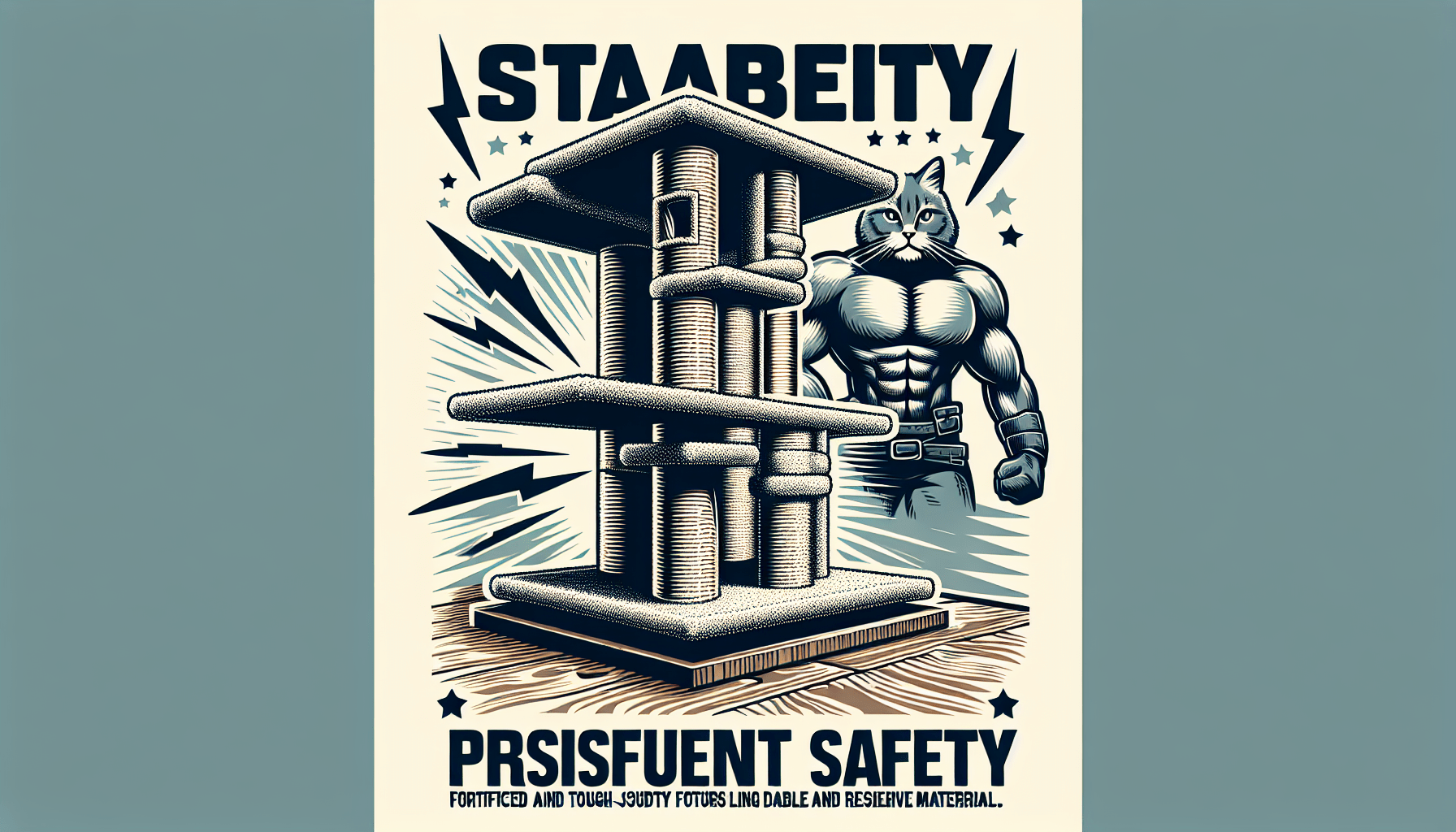
A stable cat tree is crucial to ensure the safety and comfort of your cat while using it. Look for cat trees with a wide and sturdy base. A broad base provides stability to prevent the tree from tipping over, especially when your cat jumps or climbs on it. Additionally, a sturdy base will prevent the tree from wobbling, providing your cat with a secure and reliable surface to play and rest on.
Strong and secure joints are another important feature to consider when looking for a stable cat tree. Cat trees with reinforced joints will prevent any wobbling or shaking, even when your cat is playing or climbing vigorously. The joints should be durable and able to withstand your cat’s weight and movements.
When selecting a cat tree, consider its weight capacity. Different cat trees have varying weight limits, and it is crucial to choose one that can support the weight of your cat. It is advisable to select a cat tree with a weight capacity higher than your cat’s weight to ensure stability and avoid any potential accidents.
Height and Stability
The height of the cat tree is an important factor to consider when it comes to stability. A taller cat tree may provide more opportunities for your cat to climb, explore, and look down from higher vantage points. However, it is essential to ensure that the height of the tree does not compromise its stability.
To enhance stability, place the cat tree near walls or corners. This way, the surrounding structures can provide additional support and stability to the tree. When positioned against a wall or corner, the cat tree becomes less likely to sway or topple over, especially when your cat is actively using it.
In some cases, it may be advisable to secure the cat tree to walls or ceilings. This can be achieved through various methods such as brackets, screws, or tension rods. By securely attaching the cat tree to a stable surface, you provide an extra layer of stability, ensuring your cat’s safety even during energetic play sessions.
Platform and Perch Durability
The platforms and perches of a cat tree should be designed with durability in mind. Look for thick and robust platforms that can withstand your cat’s jumps, pounces, and rough play. These platforms should be able to support the weight of your cat without warping or collapsing.
Durable and non-slip materials are essential for the platforms and perches of a cat tree. Cats love to climb and jump, so it’s important that the surfaces of the platforms offer sufficient traction to prevent slipping or sliding. Materials such as carpet, faux fur, or sisal rope can provide the necessary grip for your cat to confidently navigate the cat tree.
Additionally, ensure that the platforms and perches are securely attached to the cat tree. Loose or unstable platforms can pose a safety hazard for your cat, potentially leading to falls or injuries. Look for cat trees with platforms that are firmly fastened to the frame, providing a stable and secure surface for your cat to relax and play on.
Scratching Posts and Sisal Rope
For many cats, scratching is a natural instinct that serves various purposes, including stretching, marking territory, and keeping their claws healthy. When choosing a cat tree, it’s important to consider the quality and design of the scratching posts.
Opt for cat trees with sturdy and tall scratching posts. A robust scratching post can withstand your cat’s scratching habits without tipping over or becoming loose. Look for materials such as sisal rope, which is known for its durability and ability to withstand repeated scratching.
Pay attention to the quality of the sisal rope used in the scratching posts. Low-quality materials may fray or become loose quickly, rendering the scratching post ineffective and potentially creating choking hazards if your cat ingests the loose fibers. High-quality sisal rope will withstand your cat’s scratching and maintain its structure, providing a safe and satisfying scratching surface.
Furthermore, ensure that the scratching posts do not have any sharp edges or protrusions that could potentially harm your cat. Smooth and rounded edges are safer for your cat, reducing the risk of accidental injuries during play or scratching sessions.
Lastly, consider the number of scratching posts available on the cat tree. Cats appreciate having multiple scratching options, and having an adequate number of scratching posts will help satisfy your cat’s natural instincts and prevent them from using other furniture as scratching surfaces.
Hanging Toys and Accessories
Cat trees often come with additional hanging toys and accessories to enhance your cat’s play experience. When selecting a cat tree, it is crucial to prioritize safety when it comes to these add-ons.
Ensure that the toys and accessories are made from safe and non-toxic materials. Cats are known for their curiosity and tendency to explore objects with their mouths, so it’s essential to choose toys that won’t pose any health risks if chewed or ingested.
Additionally, avoid cat trees with small detachable parts on the toys and accessories. These parts can be a choking hazard if your cat accidentally swallows them. Select toys and accessories that are securely attached to the cat tree, eliminating the risk of them becoming loose during play.
It’s also important to regularly inspect the toys and accessories for any signs of wear and tear. Replace any damaged or worn-out toys to prevent potential hazards, such as small parts becoming loose and posing a choking risk.
Avoidance of Climb Hazards
To ensure the safety of your cat, it’s crucial to avoid any climb hazards when selecting a cat tree. Avoid cat trees with narrow gaps or holes between platforms or perches that may trap or injure your cat. Cats can easily get stuck or injured in tight spaces, so it’s important to choose a cat tree with appropriately spaced platforms and perches.
Minimize horizontal or vertical spacing between platforms and perches. Large gaps can cause your cat to lose balance or slip, potentially leading to falls and injuries. It’s important to choose a cat tree with platforms and perches positioned at suitable intervals to ensure your cat can comfortably navigate the structure without any hazards.
Secure perches and platforms also play a significant role in preventing climb hazards. Ensure that all components of the cat tree, including perches and platforms, are firmly fastened and do not wobble or become loose. This will minimize the risk of your cat encountering unstable surfaces while climbing or playing.
Ease of Cleaning
A cat tree that is easy to clean is beneficial for both you and your cat. Look for cat trees with removable and washable covers. Cats may shed fur, leave dander, or even have accidents on the cat tree, so having removable covers will make it easier to keep the tree clean and hygienic.
In addition to removable covers, smooth and non-absorbent surfaces are desirable features for easy cleaning. Non-absorbent surfaces, such as laminated wood or metal, can be easily wiped clean to maintain a sanitary environment for your cat.
Regular cleaning not only ensures your cat’s health and well-being but also helps prolong the lifespan of the cat tree by preventing the buildup of dirt, grime, and odor.
Overall Design and Stability
Consider the overall design of the cat tree when making your selection. A balanced and symmetrical design will not only enhance the aesthetic appeal of the cat tree but also contribute to its stability.
Avoid cat trees with sharp edges or corners that could potentially injure your cat during play or climbing. Smooth and rounded edges are safer, reducing the risk of accidental injuries.
Additionally, consider the avoidance of tipping hazards when choosing a cat tree. Select a tree with a sturdy and well-constructed base that prevents it from tipping over, even during vigorous play or climbing sessions by your cat.
Manufacturer’s Instructions and Certification
When purchasing a cat tree, it is important to carefully follow the manufacturer’s assembly guidelines. Ensure that all components are securely attached and that you have correctly assembled the tree according to the provided instructions. This will help guarantee the stability and safety of the cat tree.
Look for cat trees that have safety certifications. These certifications indicate that the product has been tested and meets specific safety standards. Choosing a cat tree with recognized certifications provides peace of mind, knowing that the tree has undergone rigorous testing to ensure its safety for your cat.
Furthermore, prioritize cat trees that comply with industry safety standards. These standards are put in place to ensure the quality and safety of pet products. By selecting a cat tree that meets these standards, you can be confident that you are providing a safe environment for your cat.
In conclusion, when selecting a cat tree, it is essential to consider various safety considerations. From construction materials and stability to height and design, each factor contributes to providing a safe and enjoyable environment for your feline companion. By carefully evaluating each aspect and following the recommended guidelines, you can choose a cat tree that prioritizes safety and ensures the well-being of your beloved cat.