Imagine having a cozy spot high above the ground where you can doze off, undisturbed by the hustle and bustle below. Now, picture your feline friend experiencing the same luxury. The question that lingers on the minds of cat owners everywhere is: do cats truly sleep in cat towers? This article will unveil the truth behind this captivating mystery, shedding light on feline behavior and providing insights into the benefits of these whimsical structures. Prepare to embark on a journey to unravel the secret lives of your furry companions and uncover the allure of cat towers.
Cat Towers: A Popular Choice for Cat Sleep
Cat towers have become increasingly popular among cat owners as a preferred choice for their feline friends’ sleep. These specially designed structures offer a variety of features that attract cats, creating a cozy and elevated sleeping environment that aligns with their natural instincts. By understanding cats’ sleep patterns and preferences, as well as the advantages of cat towers for sleep, cat owners can provide their furry companions with a comfortable and secure space for rest.
Features of Cat Towers that Attract Cats
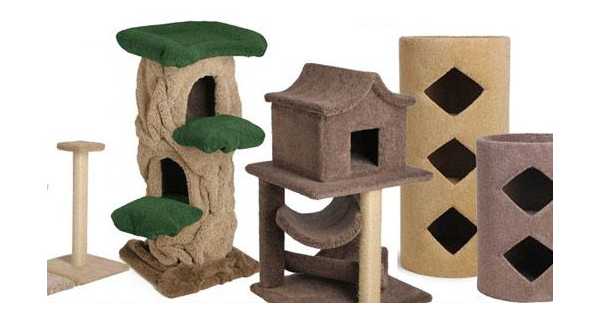
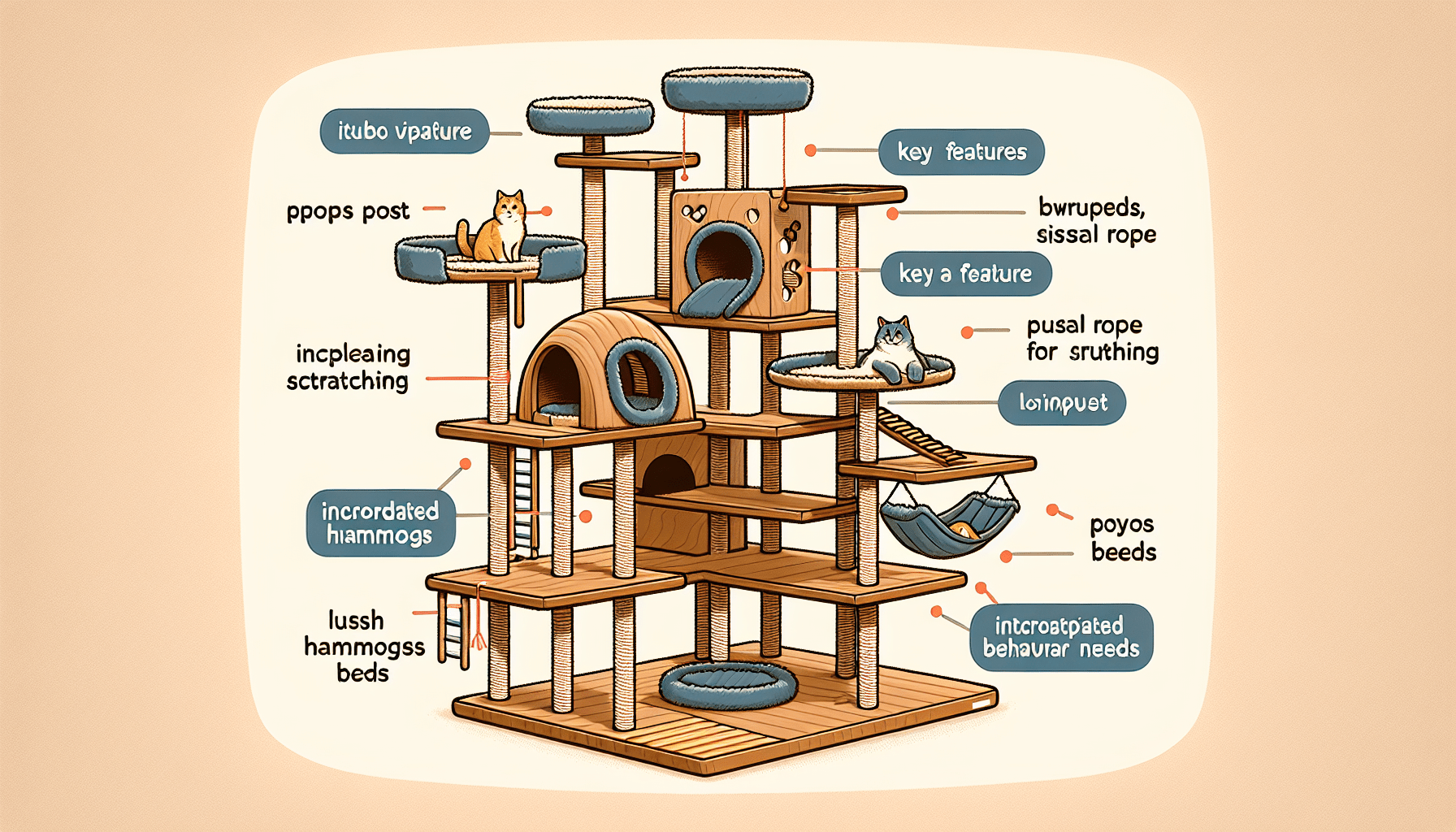
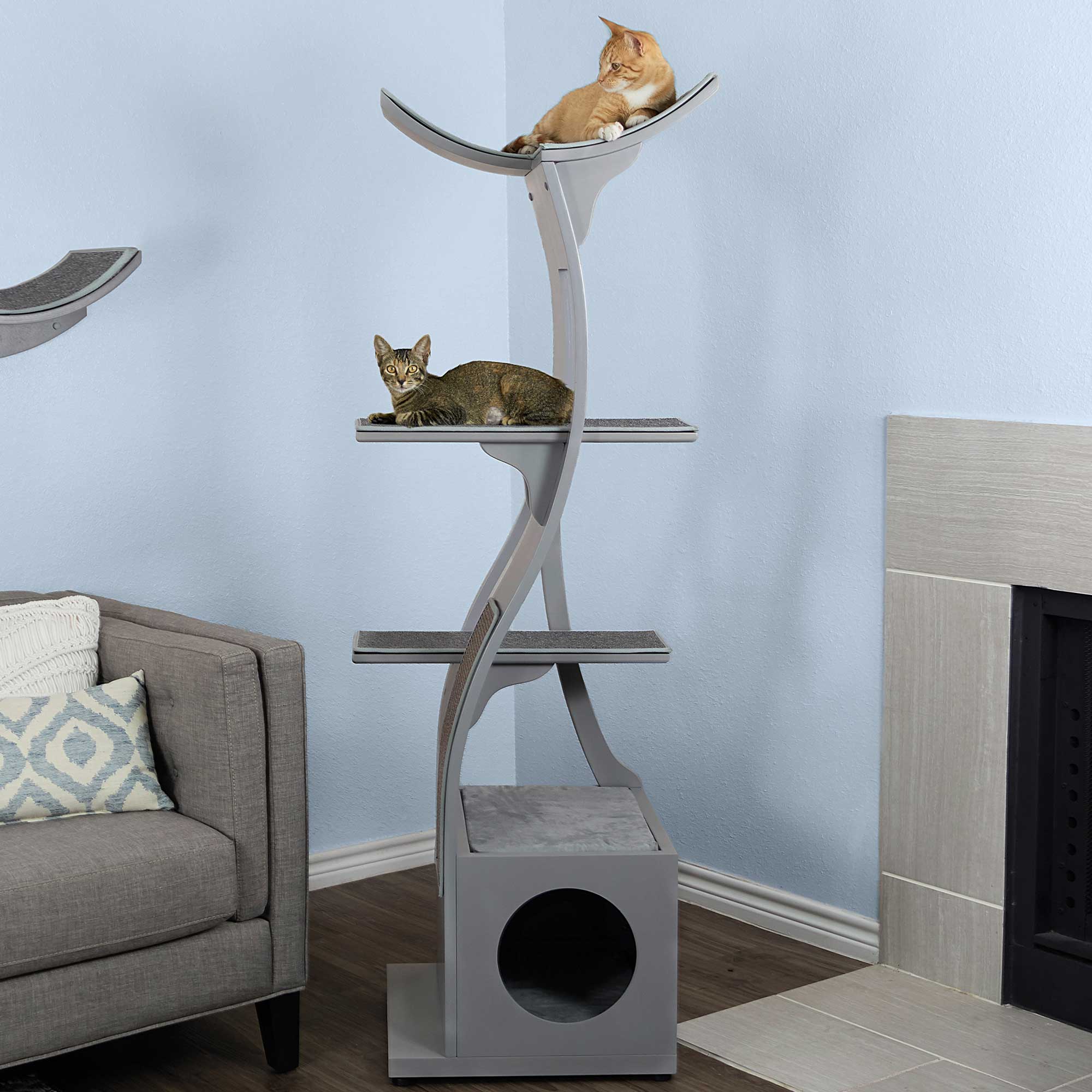
Cat towers are designed with features specifically tailored to attract cats. These structures often include multiple levels and platforms, providing cats with a variety of heights to explore and sleep on. Cats, being naturally inclined to spend time in elevated positions, are drawn to these towers as they mimic the heights they would typically seek in the wild. Additionally, cat towers often incorporate scratching posts and toys, giving cats an opportunity to engage in natural behaviors while also providing entertainment during their waking hours.
Creating a Cozy Sleeping Environment in Cat Towers
To ensure that cats find their cat towers inviting for sleep, it is essential to create a cozy sleeping environment within these structures. Adding soft and comfortable bedding, such as plush blankets or pillows, can make the cat tower a desirable place for rest. Some cat owners even use heated pads during colder months to provide extra warmth and comfort for their cats. By making the sleeping area within the cat tower appealing and comfortable, it increases the likelihood that cats will choose this space for their snoozing needs.
Benefits of Cats Sleeping in Cat Towers
Cat towers offer several benefits when it comes to cats’ sleep. Firstly, these structures provide a safe and secure space for cats to rest. With elevated perches and enclosed cubbies, cat towers give cats a sense of protection and privacy, which can be crucial for their overall well-being. Additionally, sleeping in cat towers can help reduce stress and anxiety in cats. The elevated position allows them to observe their surroundings from a safe vantage point, providing a sense of control and security. This can be particularly helpful in multi-pet households or in environments with noise and commotion.
Understanding Cats’ Sleep Patterns
Before delving into the benefits and features of cat towers for sleep, it is important to understand cats’ sleep patterns. By gaining insight into their natural sleep habits, the duration of their sleep, and the factors that influence their sleep patterns, it becomes easier to meet their specific sleep needs.
Cats’ Natural Sleep Habits
Cats are crepuscular animals, meaning they are most active during dawn and dusk. Their sleep patterns are driven by their evolutionary instincts as predators, as these times provide optimal conditions for hunting. When not actively hunting, cats tend to sleep throughout the day in smaller, shorter bursts. Their natural sleep habits involve alternating between periods of light sleep, deep sleep, and short episodes of REM sleep, which is associated with dreaming.
Duration of Cats’ Sleep
On average, cats sleep for around 12 to 16 hours a day, with some cats sleeping even longer. However, their sleep patterns can vary based on several factors, such as age, health, and individual preferences. Kittens and older cats tend to sleep more than adult cats, as they require additional rest for growth and recovery. It is essential for cat owners to recognize and respect their cats’ need for ample sleep, providing them with peaceful and undisturbed environments for their snoozing sessions.
Factors Affecting Cats’ Sleep Patterns
Various factors can influence a cat’s sleep patterns. Comfort, security, and the availability of suitable sleep spaces impact a cat’s ability to achieve deep and uninterrupted sleep. Environmental factors, such as noise levels, temperature, and lighting, can also impact cats’ sleep quality. Understanding and addressing these factors can contribute to cats having restful sleep, promoting their overall health and well-being.
Cats’ Preference for Elevated Sleeping Spots
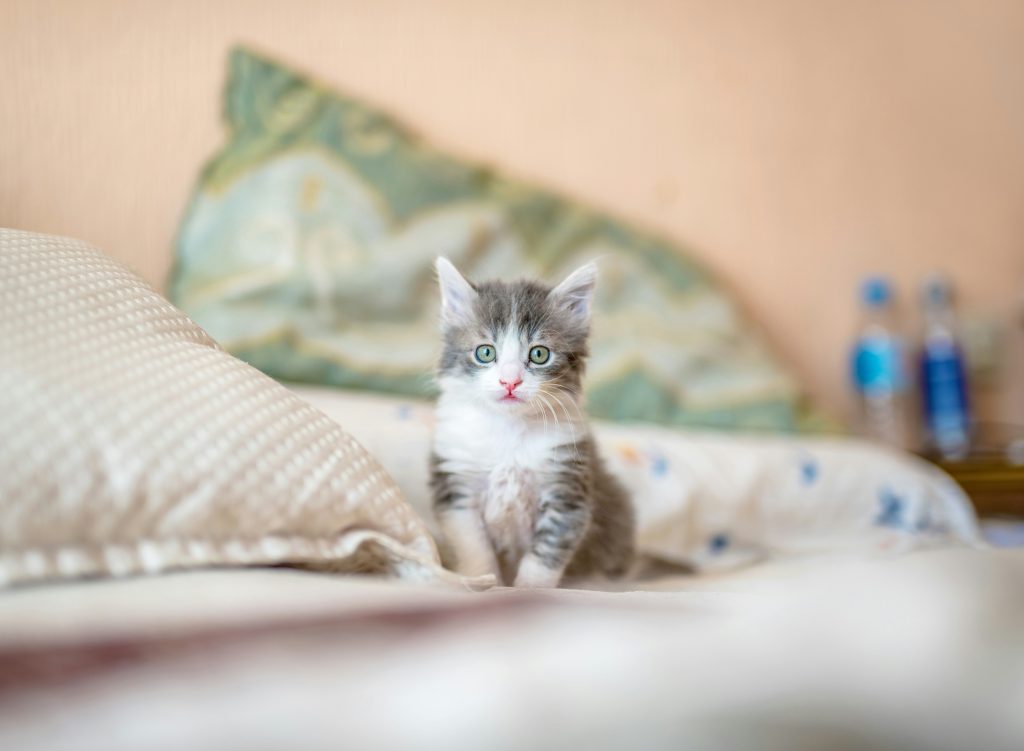
Cats possess a natural inclination towards elevated sleeping spots. This preference stems from their instinctual need for heights and serves various purposes that directly relate to their survival and overall satisfaction.
Cats’ Instinctual Need for Heights
In the wild, cats are skilled climbers and utilize heights to their advantage. By seeking elevated positions, cats can observe their surroundings more effectively, detecting both threats and potential prey. The instinct to be in higher places enables them to maintain a sense of control and security in their environment, ultimately reducing stress and anxiety.
Why Cats Prefer Elevated Sleeping Areas
Cats’ preference for elevated sleeping areas can be attributed to their desire for safety, comfort, and relaxation. Being above ground level gives them a sense of security, as it reduces the likelihood of surprise attacks from predators. Elevated spots also provide cats with better visibility and the opportunity to monitor their surroundings, allowing them to remain vigilant even while asleep. The elevated positions also enable cats to regulate their body temperature more efficiently, as heat rises and cold drafts are minimized.
Purposes of Elevated Sleeping Spots for Cats
Elevated sleeping spots serve multiple purposes for cats. These spots provide them with a sense of territory, allowing them to establish their presence in their living environment. Additionally, elevated perches offer cats a safe and undisturbed retreat where they can relax and recharge. Being able to escape from potential stressors or social interactions can contribute to their overall well-being.
Advantages of Cat Towers for Sleep
Cat towers offer numerous advantages when it comes to providing cats with a dedicated sleep space. These structures cater to cats’ innate preferences and instincts, ultimately promoting better sleep and overall happiness.
Providing a Safe and Secure Space
Cat towers provide a safe and secure space for cats to sleep. The elevated perches and enclosed sleeping areas offer a sense of protection and privacy, allowing cats to feel secure while they rest. This can be particularly beneficial in households with multiple pets or in busy environments where cats may need a retreat to avoid interactions that cause stress or anxiety.
Offering Privacy and Solitude
Cats are known for their independent nature, and cat towers can cater to their need for privacy and solitude. The various levels and platforms in a cat tower provide options for cats to choose the spot that best suits their preference at any given time. Whether they prefer an open perch or a concealed cubby, cat towers offer versatile options for cats to find their preferred sleeping spot.
Reducing Stress and Anxiety
Sleeping in a cat tower can help reduce stress and anxiety in cats. The elevated position allows them to observe their surroundings from a safe vantage point, providing a sense of control and security. Furthermore, having a dedicated sleeping area that is separate from other activities in the household can contribute to a calmer sleeping environment. This separation helps cats associate their cat tower with rest and relaxation, leading to better sleep quality and overall well-being.
Choosing the Right Cat Tower
Choosing the right cat tower for your furry friend is essential to ensure their comfort and satisfaction. Considering factors such as your cat’s size and preferences, as well as evaluating the quality and stability of cat towers, can help you make an informed decision.
Considering Your Cat’s Size and Preferences
When selecting a cat tower, it is crucial to consider your cat’s size and preferences. Cats come in various sizes, and a cat tower that is too small may not provide enough space for comfortable sleep. Additionally, observing your cat’s behavior and preferences can guide you in choosing the design and features of the cat tower. Some cats may prefer open perches for better visibility, while others may prefer enclosed cubbies for a sense of security. Taking these factors into account ensures that the cat tower meets your cat’s needs.
Evaluating the Quality and Stability of Cat Towers
Quality and stability are key factors when choosing a cat tower. Look for a well-built structure made from sturdy materials that can withstand your cat’s movements and activities. Ensure that the cat tower has a stable base and is not prone to wobbling or tipping over. Taking the time to research and read reviews can help you identify reputable brands and manufacturers that prioritize durability and safety.
Selecting Suitable Features for Sleep
Consider the features that are most important for your cat’s sleep needs. Does your cat prefer a cozy and enclosed sleeping area, or does your cat enjoy lounging on open perches? Are scratching posts or toys essential to keep your cat entertained? Choosing a cat tower with the features that align with your cat’s preferences ensures that the structure will be more attractive for sleep.
Training Cats to Use Cat Towers for Sleep
Introducing your cat to a cat tower and encouraging its use for sleep can be achieved through gradual acclimation, positive reinforcement techniques, and creating a comfortable and attractive sleeping spot within the tower.
Introducing the Cat Tower Gradually
When introducing a cat tower, it is important to do so gradually. Start by placing the cat tower in a familiar and accessible location within your home, allowing your cat to explore it at their own pace. Cats are naturally curious and will likely begin to investigate the new structure on their own. Encouraging exploration through play and treats can help create positive associations with the cat tower.
Using Positive Reinforcement Techniques
Positive reinforcement is key to training cats to use the cat tower for sleep. Each time your cat ventures onto the cat tower or shows interest in it, reward them with verbal praise, treats, or playtime. By associating positive experiences with the cat tower, your cat will begin to recognize it as a desirable place to rest. Offering treats or toys specifically in the cat tower can further reinforce the behavior of using it for sleep.
Creating a Comfortable and Attractive Sleeping Spot
Make the sleeping area within the cat tower comfortable and attractive for your cat. Provide soft bedding, such as blankets or pillows, to create a cozy spot. You can even add some of your cat’s familiar scents, such as a blanket they typically sleep on, to make the area more appealing. Placing treats or toys near the sleeping spot can also encourage your cat to explore and use the cat tower for sleep.
Alternative Sleeping Spaces for Cats
While cat towers are popular and beneficial for sleep, it is important to provide cats with alternative sleeping options to cater to their individual preferences. Some cats may enjoy sleeping in a traditional cat bed or on a comfortable piece of furniture, while others may prefer unique hiding spots or even window perches. Offering a variety of sleeping spaces can allow your cat to choose the spot that best suits their mood and comfort at any given time.
Other Types of Cat Furniture
Besides cat towers, there are a variety of cat furniture options that can serve as alternative sleeping spaces. Cat shelves or wall-mounted perches provide cats with elevated spots similar to those offered by cat towers. Cat hammocks or beds placed in sunny areas near windows can offer a relaxing and cozy sleeping environment. The variety of cat furniture available allows cat owners to cater to their cats’ individual sleep preferences.
Understanding Cats’ Individual Preferences
As every cat has its unique personality and preferences, understanding your cat’s individual sleeping preferences is essential. Observe where your cat naturally chooses to sleep and the type of surfaces they find most comfortable. Some cats may prefer soft and plush surfaces, while others may enjoy the coolness of tile or hardwood floors. By recognizing your cat’s preferences, you can provide suitable sleeping spots throughout your home to accommodate their needs.
Providing Multiple Sleeping Options
To ensure your cat’s satisfaction, it is crucial to provide multiple sleeping options. This allows cats to choose the spot that best suits their mood or comfort level at any given time. By having a variety of sleeping spaces available, you cater to your cat’s instinctual need for choice and control over their sleep environment. Whether it’s a cat tower, a traditional cat bed, or a cozy corner in a quiet room, providing multiple options enables your cat to find their perfect sleeping spot.
Addressing Challenges in Encouraging Cat Tower Sleep
Some cats may initially ignore or reject cat towers for sleep, presenting challenges for cat owners. By investigating potential health or discomfort issues, trying different locations or designs, and implementing patient training techniques, these challenges can be overcome.
Cats Ignoring or Rejecting Cat Towers for Sleep
If your cat ignores or rejects the cat tower for sleep, it is essential to investigate the underlying reasons. Cats may avoid the cat tower if they find it uncomfortable, if it does not meet their preferences, or if they associate negative experiences with it. Ensure that the cat tower is properly cushioned and that the sleeping area is inviting and attractive. Experimenting with different bedding materials, scents, or elevated spots within the tower may make it more appealing to your cat.
Investigating Potential Health or Discomfort Issues
Health issues or discomfort may be contributing factors to a cat’s rejection of a cat tower for sleep. Cats may avoid elevated spots if they are experiencing joint pain or a medical condition that affects their mobility. It is crucial to rule out any health issues by consulting with a veterinarian. If discomfort proves to be a problem, providing additional support or cushioning in the cat tower can make it more comfortable and appealing.
Trying Different Location or Design
Sometimes, a cat’s hesitation to use a cat tower for sleep may be due to the location or design of the structure. Cats may prefer quiet and secluded areas for sleep, so consider moving the cat tower to a more peaceful part of your home. Additionally, cats may have specific preferences regarding the design of the cat tower, such as the level of openness or the type of bedding provided. Experimenting with different designs or modifications can help overcome any initial aversion to the cat tower.
Common Misconceptions about Cat Towers and Sleep
There are some common misconceptions about cat towers and their purpose in a cat’s life. Addressing these misconceptions helps to provide a clearer understanding of the benefits of cat towers for sleep.
All Cats Will Automatically Sleep in Cat Towers
While many cats are naturally inclined to sleep in elevated positions, it is not guaranteed that all cats will automatically choose to sleep in cat towers. Each cat has its own unique preferences and sleep patterns. It is essential to observe and understand your cat’s individual needs and provide suitable sleeping options that align with their preferences.
Cat Towers Are Only for Entertainment or Exercise
While cat towers do offer entertainment and exercise opportunities, they also serve as important sleep spots for cats. The elevated perches and enclosed cubbies provide cats with a dedicated space for rest and relaxation. Cat towers are designed to cater to cats’ natural instincts and preferences for elevated sleeping spots, making them highly suitable for sleep activities.
Cat Towers Are Limited to Indoor Use
Cat towers are commonly associated with indoor use, but they can also provide benefits for cats that have access to outdoor spaces. For indoor-outdoor cats, cat towers positioned near windows or on enclosed outdoor areas can serve as a resting spot that allows them to enjoy the benefits of an elevated position in a controlled and safe environment.
Conclusion
Understanding cats’ sleep preferences and selecting suitable sleeping options are crucial for a cat’s overall well-being. Cat towers have become a popular choice among cat owners due to their ability to meet cats’ natural instincts and preferences for elevated sleeping spots. By incorporating features that attract cats, creating a cozy sleeping environment, and providing a safe and secure space, cat towers contribute to better sleep quality, reduced stress, and increased comfort for cats. While cat towers offer numerous benefits, it is important to recognize the individuality of cats and provide alternative sleeping options to cater to their specific preferences. By considering factors such as your cat’s size, preferences, and the quality of the cat tower, you can choose the right structure to meet your cat’s sleep needs. With the proper training and patience, cats can be encouraged to embrace their cat towers as their go-to sleep solution.