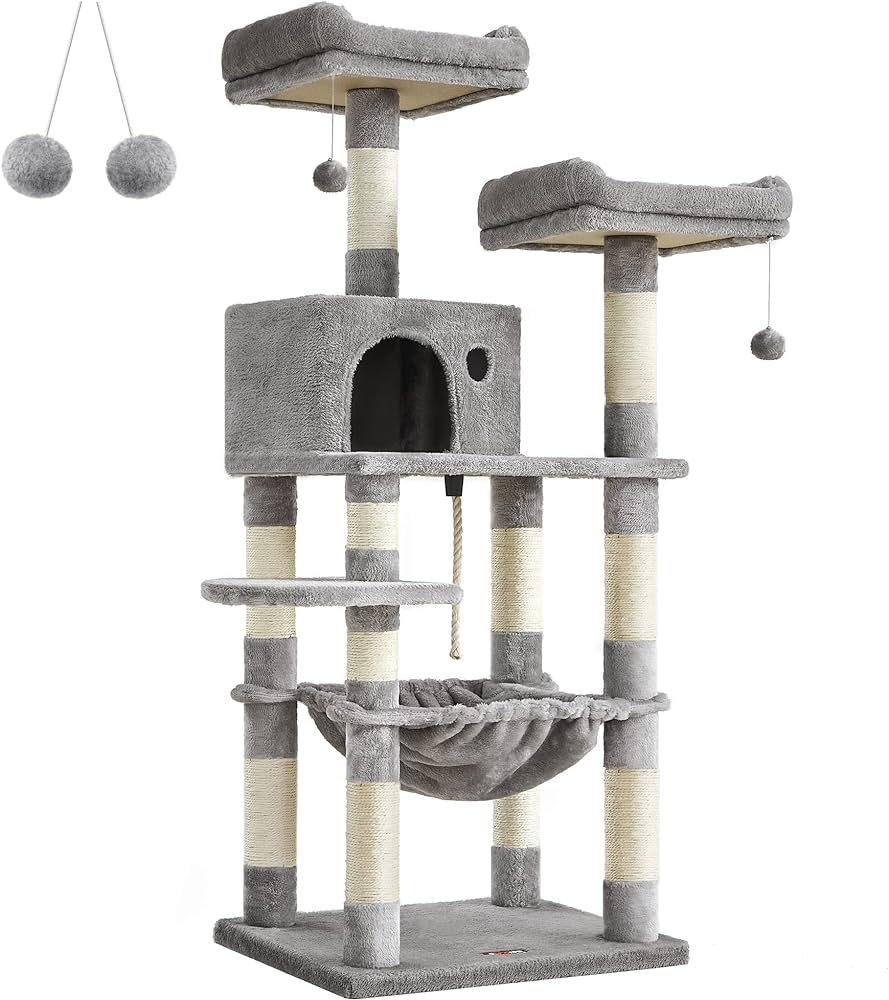
If you’ve ever owned a cat, you know how they can effortlessly turn any surface into their personal playground. From the couch to the curtains, there’s no limit to their adventurous spirit. That’s where the concept of cat trees comes in. These specially designed structures offer the perfect opportunity for our feline friends to climb, scratch, and explore to their heart’s content. But have you ever wondered about the stability and secure installation of these cat trees? In this article, we’ll shed some light on this important aspect of cat ownership, ensuring that your furry companion can enjoy their vertical world in a safe and secure manner.
This image is property of Amazon.com.
Importance of Cat Tree Stability
When it comes to choosing a cat tree for your feline friend, stability should be at the top of your list of priorities. A stable cat tree is not only essential for preventing accidents and injuries, but it also ensures the longevity of the cat tree itself. Additionally, a stable cat tree promotes trust and confidence in your cats, providing them with a secure and comfortable space to explore and relax. In this article, we will delve into the importance of cat tree stability, discuss how to choose a stable cat tree, provide step-by-step installation instructions, and offer tips for regular inspections and maintenance.
Preventing Accidents and Injuries
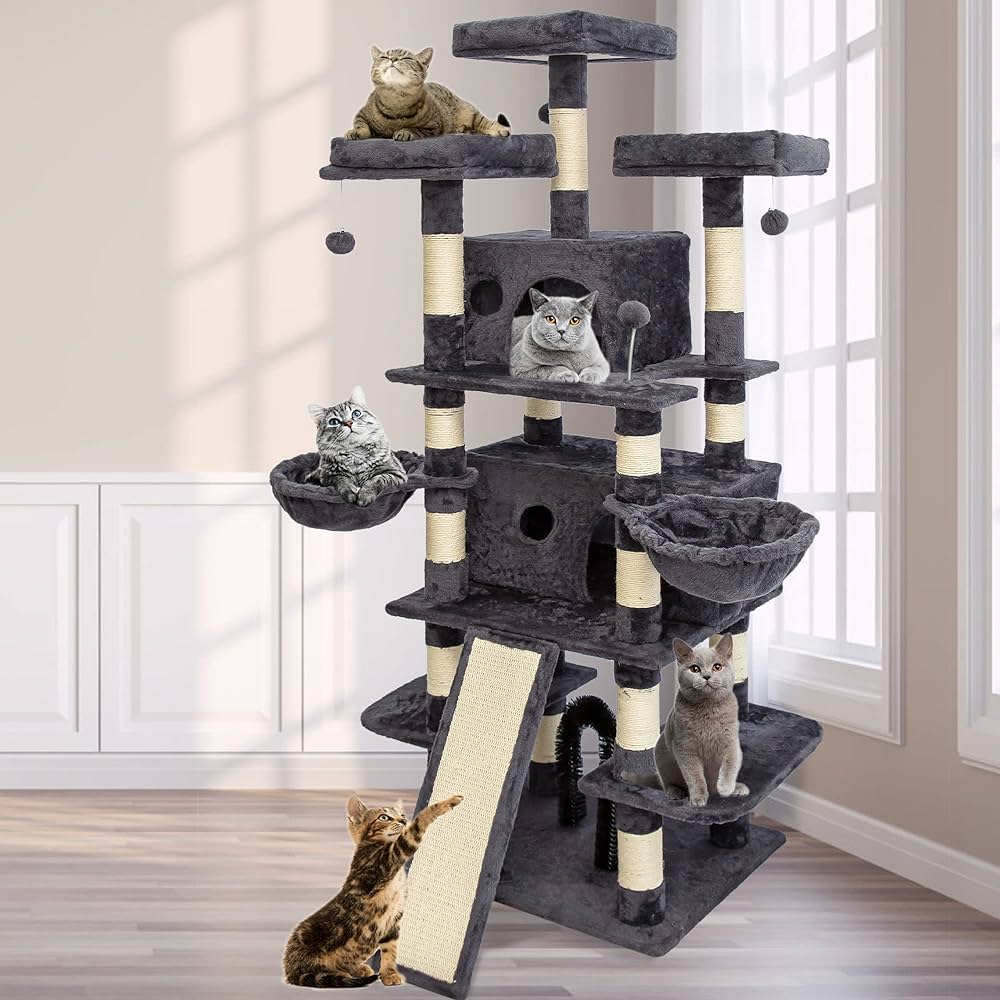
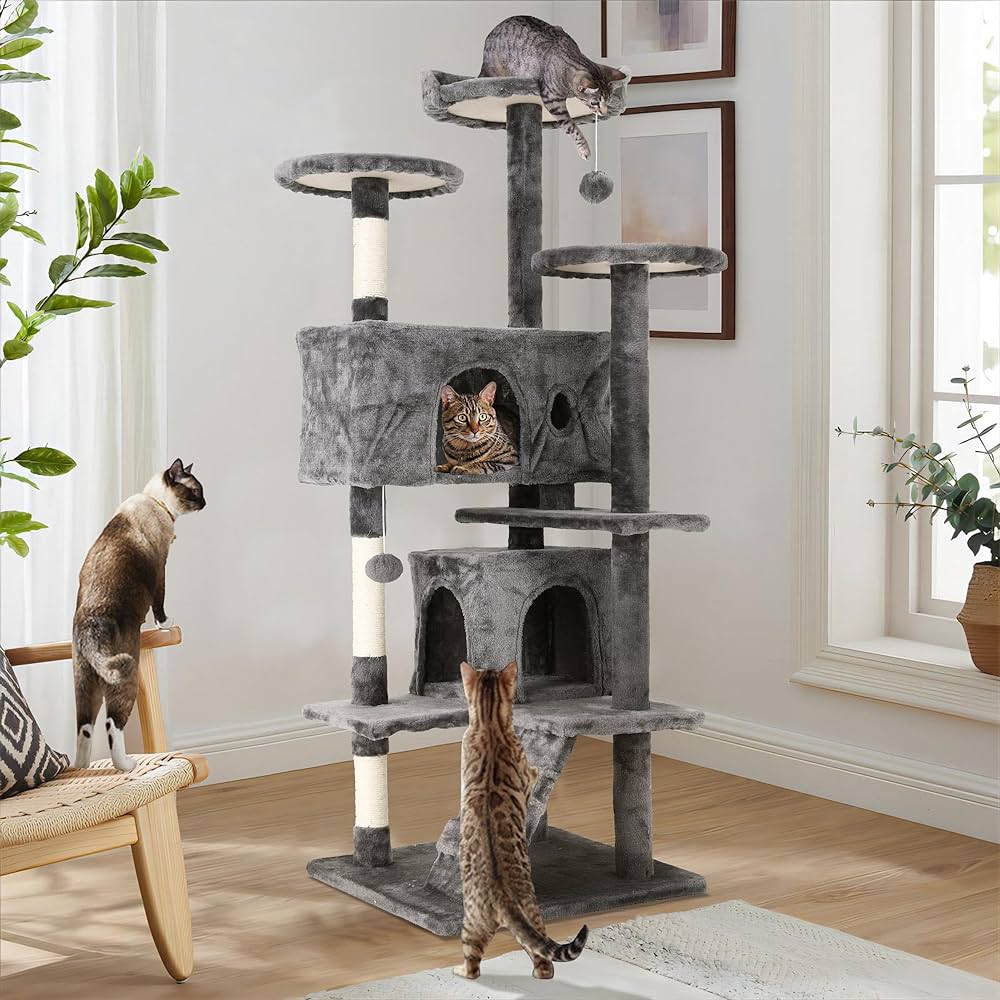
One of the primary reasons why cat tree stability is crucial is to prevent accidents and injuries. Cats are known for their agile and acrobatic nature, and they love to explore and climb. A stable cat tree ensures that your cats can climb, jump, and play without the risk of the tree tipping over or collapsing. A wobbly or unstable cat tree can be dangerous, causing your cats to fall and potentially sustain injuries. By investing in a stable cat tree, you can provide a safe and secure environment for your feline companions.
This image is property of Amazon.com.
Ensuring Longevity of the Cat Tree
Another significant benefit of a stable cat tree is that it ensures the longevity of the furniture itself. Cats are notorious for their scratching habits, and an unstable cat tree will likely suffer from excessive wear and tear due to constant movement and shaking. A stable cat tree, on the other hand, can withstand the energetic play and scratching of your cats, ensuring that it remains in good condition for a longer period. By choosing a stable cat tree, you are making a wise investment that will stand the test of time.
Promoting Trust and Confidence in Cats
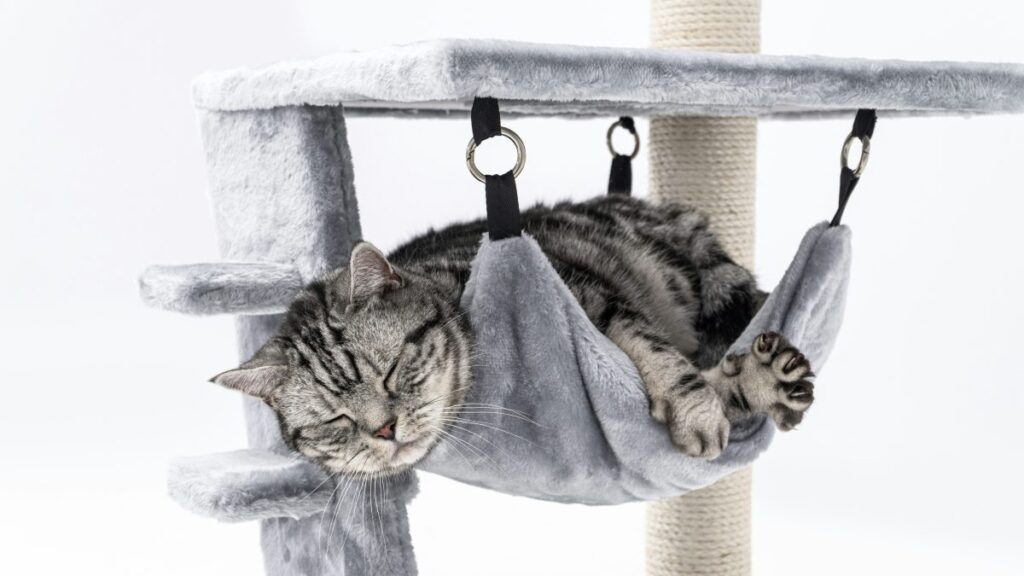
Cats are naturally cautious animals, and they rely on a sense of security to feel comfortable in their environment. A stable cat tree provides a sense of stability and reliability for your feline companions, promoting trust and confidence in them. When your cats feel secure in their elevated space, they are more likely to relax, explore, and exhibit their natural behaviors. This confidence can have a positive impact on their overall well-being and can help reduce anxiety or stress-related behaviors. So, by prioritizing cat tree stability, you are not only ensuring their physical safety but also their emotional comfort.
This image is property of www.comfortedkitty.com.
Choosing a Stable Cat Tree
Now that we understand the importance of cat tree stability, let’s discuss how to choose a stable cat tree. Several factors contribute to the stability of a cat tree, and considering these factors will help you make an informed decision.
Consider the Materials Used
The first aspect to consider is the quality of materials used in the construction of the cat tree. Look for sturdy materials such as solid wood, thick and durable sisal rope, and high-quality upholstery fabric. Avoid flimsy materials or weak connectors that may compromise the stability of the cat tree.
Check the Base and Platform Design
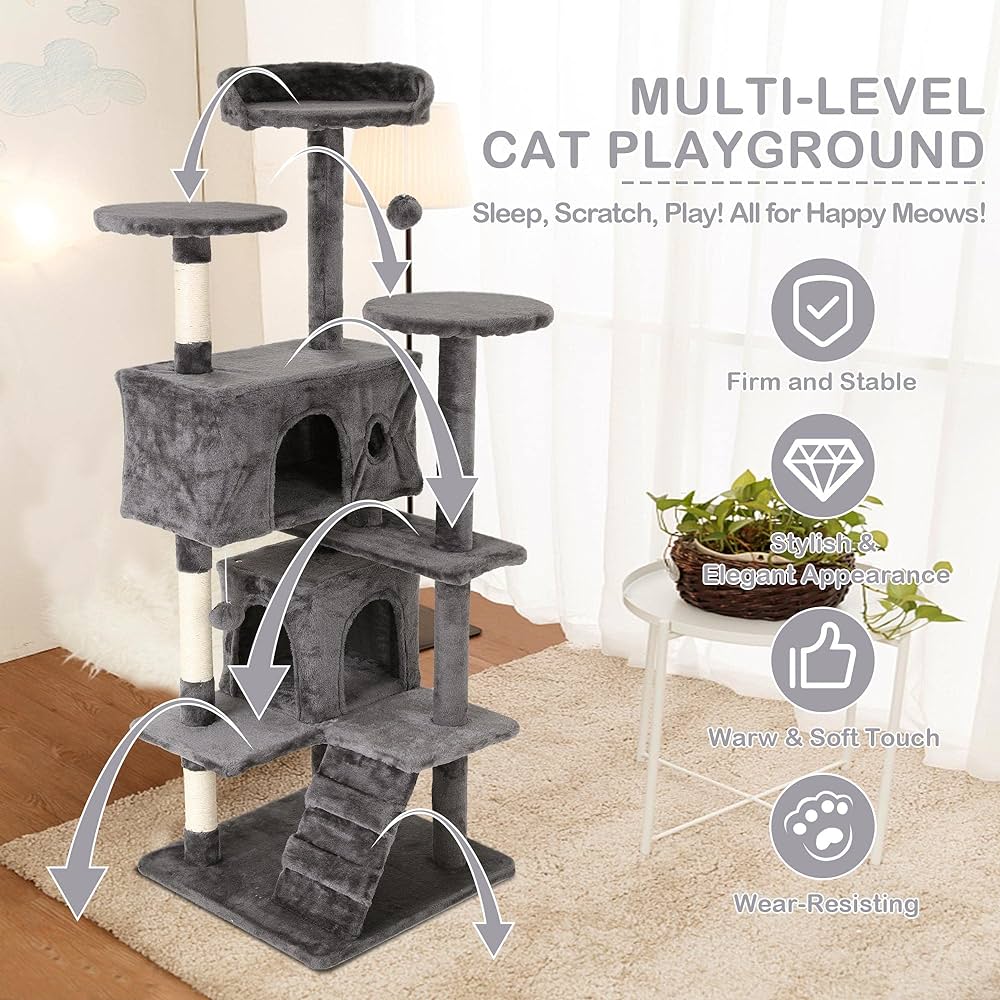
The base and platform design of a cat tree play a crucial role in its stability. A wide and heavy base provides a solid foundation for the tree and prevents it from tipping over. Look for cat trees with wide and stable platforms that can accommodate the weight and movements of your cats without wobbling or shaking.
Look for Secure Attachment Methods
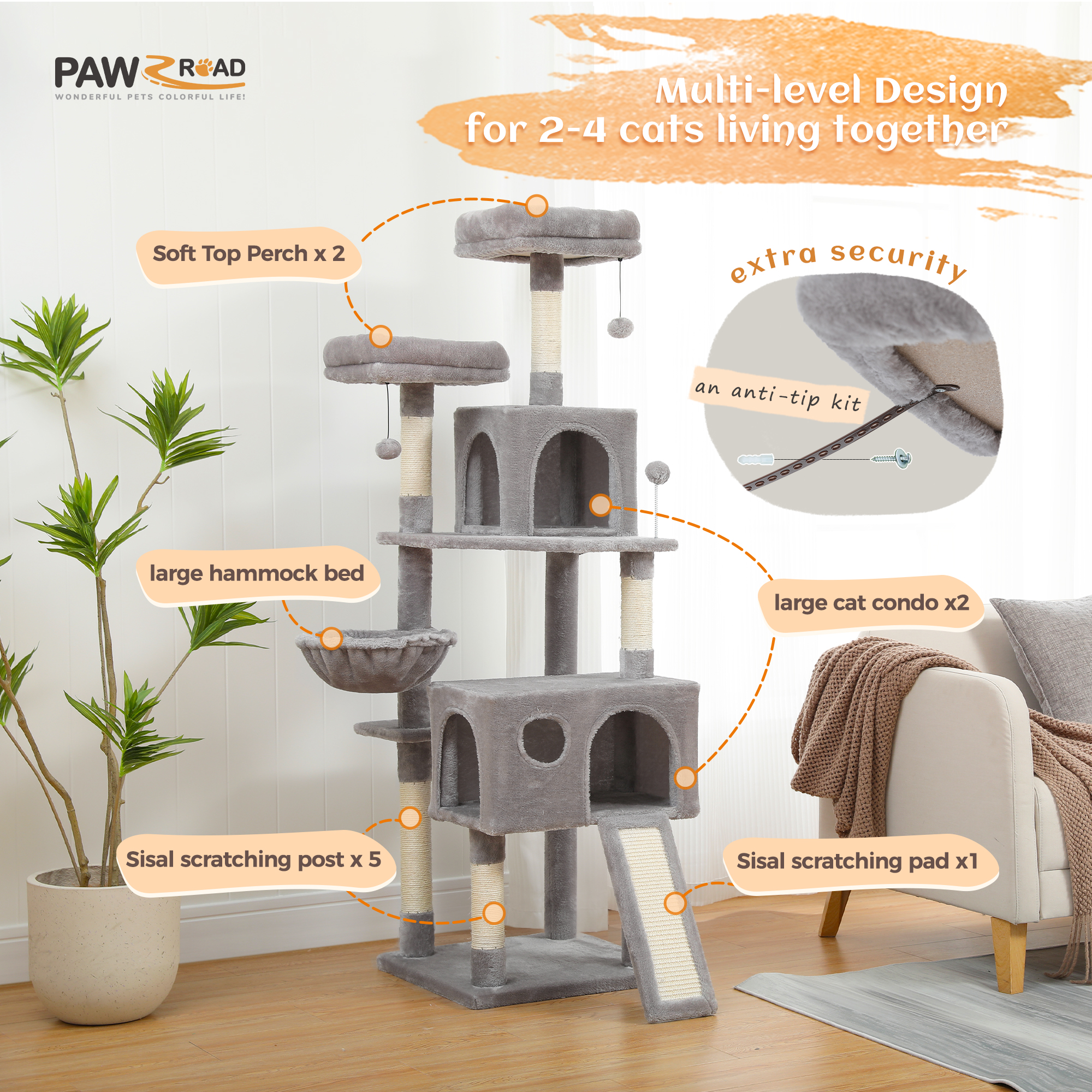
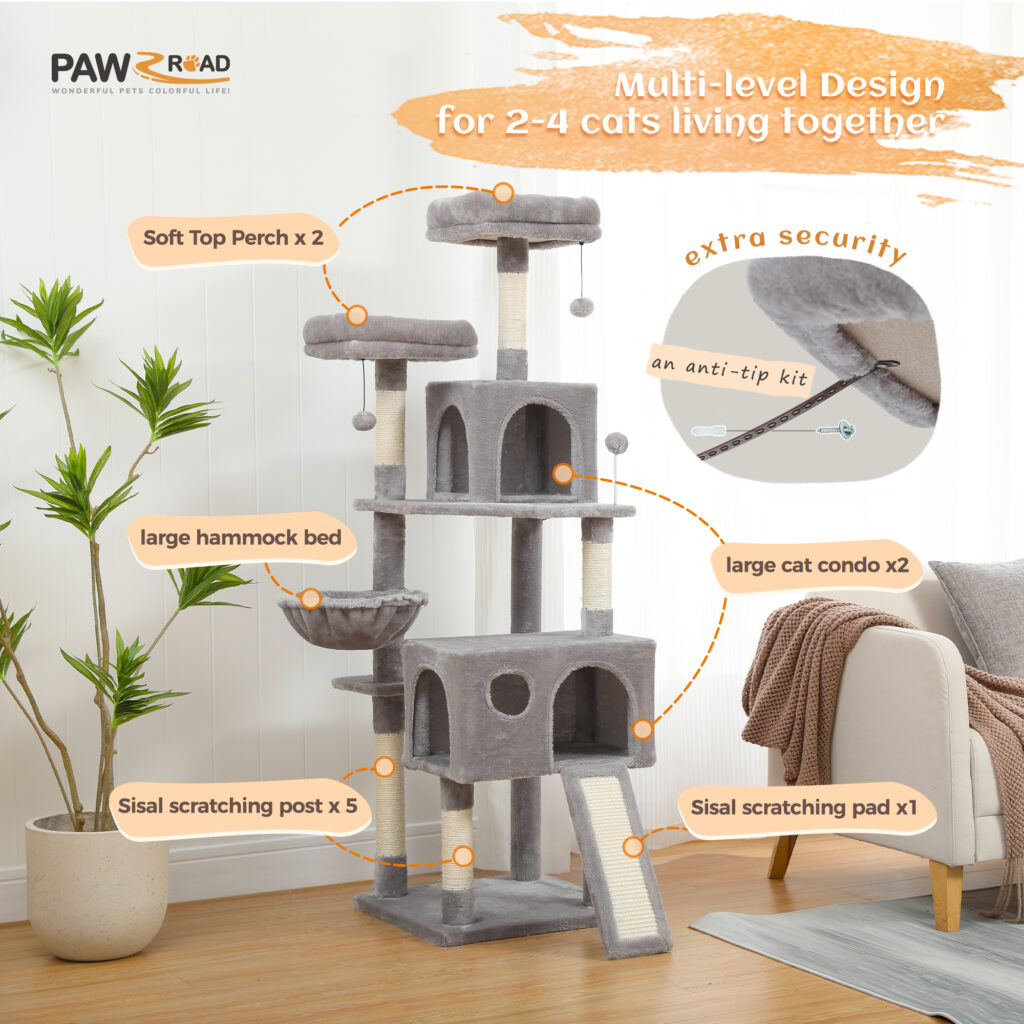
A stable cat tree often includes secure attachment methods that ensure the different components of the tree are firmly connected. Look for cat trees with reinforced screws, bolts, or metal brackets that provide extra stability and prevent any risks of disconnection or collapse.
Consider the Weight Capacity
Every cat tree has a weight capacity, and it is important to consider this factor when choosing a stable cat tree. Ensure that the weight capacity of the cat tree can comfortably accommodate the combined weight of your cats. Choosing a cat tree with a higher weight capacity than necessary adds an extra layer of stability and reassurance.
Evaluate Overall Construction Quality
Lastly, evaluate the overall construction quality of the cat tree. Look for signs of quality craftsmanship, such as evenly spaced and tightly secured components. Avoid cat trees with loose or poorly attached parts that may compromise stability over time.
By considering these factors, you can make an informed decision and choose a cat tree that prioritizes stability and safety for your cats.
Proper Installation for Maximum Stability
Selecting a stable cat tree is only the first step; proper installation is equally important to ensure maximum stability. Even the most stable cat tree can become unstable if not installed correctly. Let’s explore the steps for proper installation.
Selecting the Right Location
Start by selecting the right location for your cat tree. Choose an area where your cats feel comfortable, preferably near their favorite spots or close to a window for a view. Assess the available space to ensure the cat tree will fit without obstructing pathways or causing any inconvenience.
Checking for Level Surface
Before installing the cat tree, it is essential to check for a level surface. Use a leveling tool to ensure that the area where the cat tree will be placed is even. An uneven surface can lead to instability, compromising the safety and functionality of the cat tree.
Securing to Walls or Ceiling
To add an extra layer of stability, consider securing the cat tree to the walls or ceiling. Use a stud finder or wall anchors to locate secure attachment points. Wall-mounted cat trees provide increased stability and prevent any risk of tipping or wobbling.
Using Additional Supports
If securing to walls or ceiling is not an option, consider using additional supports such as brackets or braces. These can be attached to the base or platforms of the cat tree and provide extra stability by distributing the weight more evenly.
Following Manufacturer’s Instructions
Always follow the manufacturer’s instructions when installing the cat tree. The instructions provided are designed specifically for the model you have purchased and will ensure proper installation and maximum stability. Failure to follow the instructions may compromise the stability of the cat tree and put your cats at risk.
By following these installation steps, you can ensure maximum stability and provide a safe and secure environment for your cats to enjoy their new cat tree.
This image is property of i5.walmartimages.com.
Tools and Equipment for Installation
To successfully install your cat tree, you will need a few tools and equipment. Here is a list of essential items you may require:
Drill and Appropriate Drill Bits
A drill will be necessary for creating holes for screws or wall anchors. Make sure to use the appropriate drill bit size for the tasks at hand, as different materials require different drill bits.
Screwdriver or Allen Wrench
Having a screwdriver or Allen wrench on hand will be necessary for tightening screws and bolts during the installation process.
Stud Finder or Wall Anchors
If you choose to secure your cat tree to the walls, a stud finder will help you locate wall studs for strong attachment points. If you cannot find suitable wall studs, wall anchors can be used as a secure alternative.
Leveling Tool
A leveling tool, such as a bubble level or laser level, is essential for ensuring a level surface before installing the cat tree. This tool will help prevent any wobbling or instability.
Measuring Tape
A measuring tape will help you accurately measure the dimensions of the cat tree components and ensure they fit within the designated space.
Having these tools and equipment on hand will make the installation process easier and help ensure the stability and safety of your cat tree.
Step-by-Step Installation Guide
Now that you have selected a stable cat tree, chosen the right location, and gathered the necessary tools, it’s time to proceed with the installation. Follow these step-by-step instructions for successful installation:
Preparing the Cat Tree Components
Start by unpacking and organizing all the cat tree components. Ensure that all necessary parts are present and in good condition. Read the manufacturer’s instructions thoroughly before proceeding.
Finding the Ideal Location
Select the desired location for your cat tree. Consider factors such as proximity to windows, access to favorite spots, and providing enough space for your cats to comfortably move around.
Marking the Position
Once you have chosen the location, use a pencil or tape to mark the position of the cat tree on the floor or wall. This will serve as a guide during the installation process.
Installing Anchor Points
If you are securing the cat tree to the walls, use a stud finder or wall anchors to determine the attachment points. Mark them accordingly and follow the manufacturer’s instructions for proper installation.
Assembling and Attaching the Cat Tree
Follow the manufacturer’s instructions to assemble the cat tree components. Once assembled, carefully lift the cat tree and position it over the marked spot. Secure the base or platforms according to the instructions, ensuring a tight and stable connection.
By following this step-by-step guide, you can successfully install your cat tree and provide a stable and secure space for your cats.
This image is property of ae01.alicdn.com.
Regular Inspections and Maintenance
Installing a stable cat tree is not a one-time task; regular inspections and maintenance are crucial to ensure ongoing stability and safety. Here are some essential steps to follow:
Checking for Loose or Worn Parts
Periodically check your cat tree for any loose or worn parts. Components that have become loose over time can compromise the stability of the tree. Tighten any screws or bolts that may have become loose due to cat activity.
Tightening Screws and Bolts
Regularly tighten screws and bolts to maintain the stability of your cat tree. Cats’ climbing, scratching, and playing can cause parts to loosen over time, so it’s important to regularly check and tighten any loose connections.
Repairing Damaged Areas
If you notice any damaged areas in your cat tree, such as ripped fabric, loose sisal rope, or broken platforms, repair them promptly. Damaged areas can become unstable and pose a risk to your cats. Replace or repair any damaged components to maintain the stability of the cat tree.
Replacing Components if Necessary
If any components of your cat tree become irreparable or severely worn, consider replacing them. Replacement parts are often available from manufacturers, ensuring the continued stability and functionality of your cat tree.
By regularly inspecting and maintaining your cat tree, you can extend its lifespan and continue to provide a stable and secure environment for your cats to enjoy.
Alternative Installation Methods
While the traditional installation method involves securing the cat tree to the walls or ceiling, there are alternative methods available that can also provide stability and security. Here are a few options:
Free-Standing Cat Trees
Free-standing cat trees are designed with a wide and stable base that provides sufficient stability without the need for secure attachment points. These cat trees are a great option if you prefer not to secure the tree to the walls.
Wall-Mounted Cat Trees
Wall-mounted cat trees are attached directly to the walls, providing maximum stability and minimizing the risk of tipping. These cat trees are ideal for smaller spaces where free-standing options may not fit.
Ceiling-Attached Cat Trees
Ceiling-attached cat trees utilize tension rods or brackets to secure the tree to the ceiling. This method provides excellent stability while also freeing up floor space. Ceiling-attached cat trees are a great choice for multi-cat households or homes with limited floor space.
Hybrid Options
Some cat trees combine different installation methods, such as a free-standing base with wall-mounted platforms. These hybrid options offer flexibility in terms of stability and can be customized according to your specific needs and space limitations.
Consider these alternative installation methods to find the best option that suits your cat’s needs and your living space.
Safety Tips for Cats on Elevated Structures
While a stable cat tree provides a safe and secure space for your cats, it is essential to follow these safety tips to further enhance their well-being:
Introducing Cats to the Cat Tree
When introducing your cats to the cat tree, do so gradually. Allow them to explore and become comfortable with the new structure at their own pace. Offer treats or toys to encourage positive association and make the experience enjoyable for them.
Monitoring Cats’ Behavior and Interaction
Observe your cats’ behavior and interaction with the cat tree. Ensure that they are using the tree safely and not engaging in any risky behaviors. Discourage jumping from excessive heights or rough play that may lead to accidents.
Observing Weight Limits
Respect the weight limits specified by the manufacturer. Overloading the cat tree with excessive weight can compromise its stability and pose a danger to your cats. If you have multiple cats, ensure that the tree can comfortably accommodate their combined weight.
Placing Soft Landing Surfaces
To provide an extra cushion and prevent injuries from potential falls, consider placing soft landing surfaces around the cat tree. Use mats, blankets, or cushions to create a safe area in case of accidental falls.
Ensuring Easy Access and Exits
Make sure that your cats can easily access the cat tree. Provide steps or ramps for older or less agile cats. Additionally, ensure that there is a clear path for your cats to exit the tree without difficulty or obstruction.
By following these safety tips, you can enhance your cats’ experience on the cat tree and create a safe environment for them to enjoy.
Cat Tree Stability Upgrades
If you want to further enhance the stability of your cat tree, consider these upgrades:
Adding Extra Support Brackets
If you notice any areas of potential instability, such as wobbling platforms or shaky connections, consider adding extra support brackets. These can be attached to reinforce weak spots and provide additional stability.
Applying Non-Slip Pads
Applying non-slip pads to the base of the cat tree can help prevent movement, especially on smooth or slippery surfaces. Non-slip pads provide an extra layer of stability and prevent the cat tree from shifting or sliding.
Utilizing Wall-Mounted Stabilizers
For wall-mounted cat trees, wall-mounted stabilizers can be used to reinforce the attachment points. These stabilizers distribute the weight more evenly and minimize the risk of instability.
Installing Protective Barriers
If you have kittens or cats who are prone to jumping or falling, consider installing protective barriers on the platforms or edges of the cat tree. These barriers will prevent accidental falls and provide an added layer of safety.
By implementing these stability upgrades, you can further enhance the safety and security of your cat tree, providing peace of mind for both you and your feline companions.
Conclusion
In conclusion, cat tree stability is of utmost importance when it comes to the safety, well-being, and enjoyment of your cats. By choosing a stable cat tree, following proper installation methods, and regularly inspecting and maintaining it, you can provide a secure and comfortable space for your cats to explore, play, and relax. Remember to consider the materials used, check the base and platform design, look for secure attachment methods, consider the weight capacity, and evaluate the overall construction quality when choosing a stable cat tree. And most importantly, prioritize the safety and stability of your cats to ensure their happiness and contentment in their elevated haven.