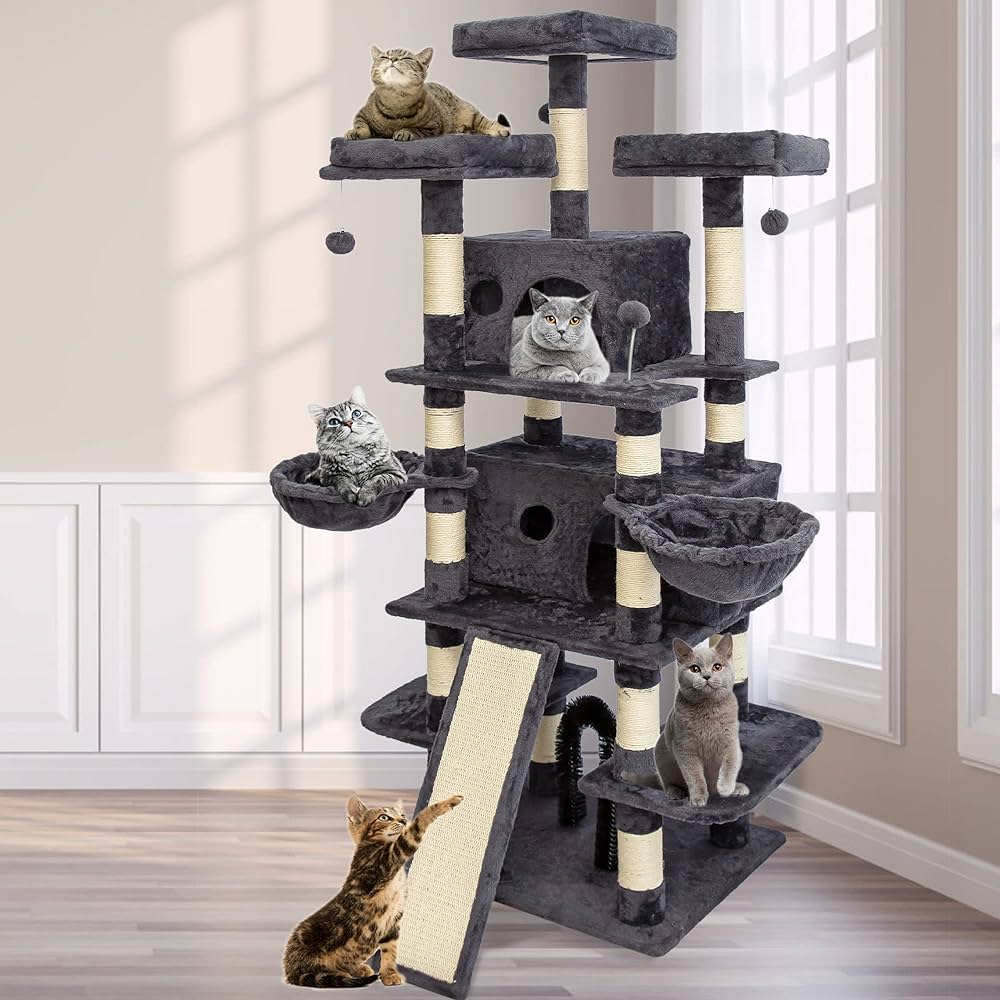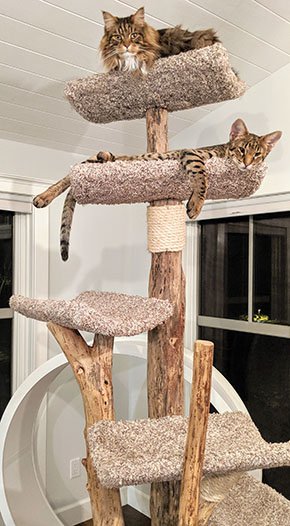
Imagine having a spotlessly clean home where your furry feline friend can climb, scratch, and relax on their very own cat tree. In this article, we will explore the world of cat tree vacuuming and spot cleaning, shedding light on some simple yet effective techniques to keep your cat tree looking and smelling fresh. Whether you’re a seasoned cat owner or new to the delightful world of feline companionship, we’ve got you covered with all the information you need to ensure your cat’s sanctuary is kept in tip-top shape. So let’s embark on this journey together, as we discover the secrets to a spotless and inviting cat tree oasis.
Why Cat Tree Maintenance is Important
Taking care of your cat’s tree is not just about keeping it looking nice; it’s also about ensuring the health and safety of your furry friend. Regular maintenance of your cat tree is crucial for preventing allergies and infections, maintaining aesthetics and freshness, and ensuring your cat’s health and comfort.
This image is property of pixabay.com.
Preventing Allergies and Infections
Cats are known for their cleanliness, but even the tidiest feline can leave behind allergens and bacteria on their favorite perch. Regular cleaning of your cat tree helps remove these allergens and prevents the buildup of harmful microorganisms that could lead to infections. By keeping the cat tree clean, you’re creating a healthier environment for both your cat and yourself.
Maintaining Aesthetics and Freshness
A well-maintained cat tree not only looks aesthetically pleasing but also provides a fresh and inviting space for your beloved pet. Regular cleaning removes dirt, dust, and pet hair that can accumulate on the cat tree’s surfaces, making it look dull and unkempt. Additionally, a clean cat tree will have a fresh smell and help keep your home smelling pleasant.
Ensuring Cat’s Health and Comfort
Cats spend a significant amount of time on their cat trees, lounging, scratching, and playing. It is essential to keep their dedicated space clean to ensure their comfort and well-being. Regular maintenance prevents the buildup of dirt and debris that can lead to skin irritation and discomfort for your cat. A clean cat tree encourages your feline friend to use it more and enjoy their time on it.
Tools and Equipment for Cat Tree Cleaning
To effectively clean your cat tree, it’s essential to have the right tools and equipment at your disposal. Here are some key items that will make the cleaning process much easier:
Vacuum Cleaner
A good vacuum cleaner with various attachments can help remove loose debris, fur, and dust from your cat tree. Choose a vacuum cleaner with a brush attachment and adjustable suction power to ensure you can clean all types of surfaces.
Spot Cleaner Solutions
Having spot cleaner solutions on hand is essential for dealing with stains and spills on your cat tree. Look for pet-friendly cleaners that are specifically formulated to remove pet stains and odors. It’s essential to always check the manufacturer’s instructions for compatibility before using any cleaning solutions.
Microfiber Cloths
Microfiber cloths are excellent for wiping down surfaces, as they are highly absorbent and gentle on delicate materials. Use them to remove dust, dirt, and smudges from your cat tree without causing any damage.
Soft Bristle Brush
A soft bristle brush is useful for brushing off excess fur and debris from carpeted or upholstered cat trees. It helps to loosen and remove dirt and hair that may be stuck in the fibers of the material.
Lint Roller
A lint roller is a handy tool for quickly removing loose pet hair from your cat tree. Whether you have a carpeted or faux fur-covered cat tree, a lint roller can help keep it looking neat and fur-free.
Vacuuming Cat Trees
Regular vacuuming is an essential part of cat tree maintenance. Follow these steps to ensure the most effective and thorough cleaning:
Step 1: Prepare the vacuum cleaner
Before you begin vacuuming your cat tree, make sure your vacuum cleaner is in good working condition. Check the attachments and filters to ensure they are clean and free of debris. If necessary, replace any worn-out attachments to ensure optimal cleaning.
Step 2: Remove loose debris and hair manually
Start by manually removing any loose debris, fur, or toys from the cat tree. You can use your hands or a brush to loosen and collect the debris. This step helps prevent clogs in the vacuum cleaner and ensures a more efficient cleaning process.
This image is property of pixabay.com.
Step 3: Strategically vacuum the cat tree
Begin by vacuuming the highest parts of the cat tree, like platforms and perches. Use the brush attachment to gently vacuum the surfaces, making sure to cover all sides and corners. Pay special attention to areas where your cat spends the most time, as these are likely to have the most dirt and fur buildup.
Step 4: Clean the attachments and filters
After completing the vacuuming process, take a moment to clean the attachments and filters used. Remove any hair or debris trapped in the attachments, and wash or replace the filters as needed. This maintenance step ensures that your vacuum cleaner remains efficient and helps extend its lifespan.
Spot Cleaning Cat Trees
Spot cleaning is necessary when dealing with stains and spills on your cat tree. Follow these steps to effectively remove stains and keep your cat tree looking fresh:
Step 1: Check manufacturer’s cleaning instructions
Before you start spot cleaning, check the manufacturer’s cleaning instructions for your cat tree. Different materials may require specific cleaning methods or solutions. Following the manufacturer’s guidelines ensures you don’t accidentally damage the cat tree.
Step 2: Test a small area
Before applying any cleaning solution to the stain, it’s essential to test it on a small, inconspicuous area of the cat tree. This test helps ensure that the cleaning solution doesn’t cause discoloration or damage to the material.
Step 3: Remove stains and spots
Once the cleaning solution has been tested and deemed safe, use a clean cloth or sponge to gently dab the stained area. Avoid rubbing vigorously, as this may push the stain further into the material. Continue blotting until the stain starts to lift.
Step 4: Rinse and dry the area
After successfully removing the stain, rinse the area with clean water to remove any residue from the cleaning solution. Use a clean cloth or sponge to blot the area dry. Allow the cat tree to air dry completely before allowing your cat to use it again.
Regular Maintenance Tips
To keep your cat tree in top condition, regular maintenance should become part of your routine. Here are some essential tips to help you maintain your cat tree effectively:
Brushing the cat tree
Regularly brush your cat tree to remove loose fur and debris. Use a soft bristle brush and gently sweep over the surfaces to pull out any embedded hair. This step helps keep the cat tree clean and prevents excess fur from accumulating on the material.
Wiping down with microfiber cloth
At least once a week, wipe down your cat tree with a microfiber cloth to remove dust and dirt. The microfiber cloth will help trap and lift particles from the surface, leaving your cat tree looking clean and fresh.
Replacing worn-out parts
Inspect your cat tree regularly for any signs of wear and tear. If you notice frayed or damaged areas, it’s important to replace them promptly. Worn-out parts can pose a safety hazard to your cat and compromise the overall stability of the tree.
Inspecting for potential hazards
Take the time to inspect the cat tree for any loose screws, unstable platforms, or other potential hazards. Tighten any loose screws and ensure that all components are sturdy and secure. This proactive approach helps prevent accidents and ensures the safety of your cat.
Cleaning Different Types of Cat Tree Materials
Cat trees can be made of various materials, and each requires specific cleaning techniques. Here’s how to clean different types of cat tree materials:
This image is property of pixabay.com.
Carpeted Cat Trees
For carpeted cat trees, start by vacuuming the surface to remove loose debris. If you encounter stains, follow the spot cleaning steps mentioned earlier. Use a mild carpet cleaner that is safe for pets, and be sure to test it on a small, hidden area first.
Faux Fur Cat Trees
Faux fur cat trees are best cleaned by vacuuming with a brush attachment or using a lint roller to remove loose fur. For stains or spills, spot clean with a mild detergent and water. Gently scrub the affected area and rinse with clean water before allowing it to dry.
Sisal Rope Cat Trees
To clean sisal rope cat trees, use a soft bristle brush to remove dirt and debris. Avoid using water or cleaning solutions, as they can damage the natural fibers. If there are any stains, use a dry cloth to blot them gently. If needed, replace the sisal rope entirely.
Wooden Cat Trees
Wooden cat trees can be wiped down with a damp cloth to remove dust and smudges. Avoid using excessive water, as it can damage the wood or cause warping. For stubborn stains, use a mild detergent diluted in water, and make sure to dry the surface thoroughly afterward.
Dealing with Odors on Cat Trees
Unpleasant odors can sometimes linger on cat trees, but with proper care, they can be eliminated. Here’s how to deal with odors effectively:
Understanding the source of the odor
Identifying the source of the odor is crucial in determining the best course of action. Odors can result from urine, feces, or general pet odor. Once you pinpoint the source, you can take the appropriate steps to eliminate it.
Neutralizing odors with baking soda
Baking soda is a fantastic natural odor neutralizer. Sprinkle a generous amount of baking soda on the affected areas of the cat tree and let it sit for at least 30 minutes. Vacuum up the baking soda, and it should absorb and neutralize the unpleasant odors.
Using pet-safe disinfectants
If the odor persists, you can use pet-safe disinfectants specifically formulated to eliminate pet odors. Ensure the disinfectant is safe for the material of your cat tree and follow the manufacturer’s instructions for application. Avoid using harsh chemicals or strong disinfectants that may harm your cat or damage the tree.
Tips for Making Cat Tree Cleaning Easier
Cleaning your cat tree doesn’t have to be a daunting task. Here are some tips to make the cleaning process more manageable and efficient:
Train your cat to enjoy grooming
Regular grooming sessions with your cat can help reduce the amount of fur and dirt that accumulates on the cat tree. Get your cat accustomed to being brushed and groomed from a young age to make the process more enjoyable for them.
Cover high-traffic areas with washable materials
Consider using washable covers or mats on the most frequently used parts of the cat tree. These covers can easily be removed and laundered, reducing the amount of cleaning required for the entire tree.
Establish a cleaning routine
Set aside regular cleaning days for your cat tree to ensure it receives the necessary attention it deserves. By establishing a routine, you can stay on top of maintenance tasks and prevent excessive buildup of dirt and fur.
Keep spare parts and cleaning supplies handy
Having spare parts, such as replacement platform covers or sisal rope, ensures you can promptly address any damage or wear on your cat tree. Additionally, keeping cleaning supplies readily available in a dedicated cleaning kit will make the cleaning process more convenient and efficient.
Professional Cat Tree Cleaning Services
While regular cleaning and maintenance can be done at home, there may be occasions when professional help is beneficial. Here’s what you need to know about professional cat tree cleaning services:
Benefits of professional cleaning
Professional cat tree cleaning services offer expertise and experience in deep cleaning and rejuvenating cat trees. They have specialized tools and solutions that can effectively remove tough stains, odors, and allergens. Professional cleaners can also help identify any structural issues that may need repairs.
Finding reliable cleaning services
When searching for a professional cat tree cleaning service, consider their experience, reputation, and customer reviews. Ask for recommendations from friends, family, or your veterinarian for trustworthy and reliable options. It’s essential to choose a service that has experience with cat trees specifically.
Cost considerations
The cost of professional cat tree cleaning services may vary depending on the size of the tree, the extent of cleaning required, and the specific services provided. It’s advisable to obtain quotes from multiple providers to compare prices and ensure you’re getting the best value for your money.
Conclusion
Maintaining a clean and safe cat tree is essential for the well-being of your cat and the overall aesthetics of your home. Regular cleaning, vacuuming, and spot cleaning are crucial for preventing allergies, maintaining freshness, and ensuring the comfort of your beloved pet. By following the proper cleaning techniques and integrating them into your routine, you can provide a fresh and inviting environment for your cat to enjoy. So, roll up your sleeves, gather your cleaning supplies, and give your cat tree the love and care it deserves. Both you and your furry friend will reap the benefits of a clean and enjoyable cat tree.