Have you ever considered getting a cat tree for your furry friend but wondered if there were any downsides to it? In this article, we will explore the potential drawbacks of cat trees, providing you with a balanced perspective so that you can make an informed decision for your feline companion. Let’s take a closer look at the cons of cat trees and how they may affect your cat’s overall well-being and your living space.
1. Space Required
Limited space in smaller homes
If you live in a smaller home or apartment, you may find it challenging to accommodate a cat tree. These spaces often have limited floor area, making it difficult to find an appropriate spot for a large cat tree. The presence of a cat tree can make the room feel cluttered and cramped, taking up valuable space that could be used for other purposes.
Difficulty in finding the right spot for a large cat tree
Even in larger homes, finding the perfect location for a cat tree can be a struggle. You need to consider factors such as the layout of the room, the availability of sunlight, and the proximity to furniture and pathways. It may take some trial and error to determine the ideal placement for your cat’s tree, which can be time-consuming and frustrating.
Can obstruct pathways and furniture in the room
Another downside of cat trees is that they can obstruct pathways and impede the flow of movement within a room. If not positioned carefully, a cat tree can become an obstacle that you have to navigate around. Additionally, if your cat regularly jumps on and off the tree, there is a higher risk of them accidentally knocking over or damaging nearby furniture.
2. Cost
Cat trees can be expensive
One of the major drawbacks of cat trees is their cost. High-quality cat trees with sturdy construction and luxurious features often come with a hefty price tag. While there are more budget-friendly options available, they may not offer the same durability and longevity as their pricier counterparts. Therefore, if you’re on a tight budget, investing in a cat tree may not be the most feasible option for you.
Higher quality and durable cat trees come at a higher price
If you decide to splurge on a high-quality and durable cat tree, be prepared to spend a significant amount of money. These cat trees are built to withstand the wear and tear of regular use, ensuring they last for years. However, the initial investment can be quite substantial, making it less accessible for those looking for a more affordable option.
Not cost-effective for owners on a tight budget
For cat owners on a tight budget, the cost of a cat tree may not align with their financial circumstances. With various other expenses associated with pet ownership, such as food, litter, and veterinary care, it may be challenging to prioritize spending a significant amount on a cat tree. In these cases, alternative options may be more suitable and budget-friendly.
3. Assembly and Maintenance
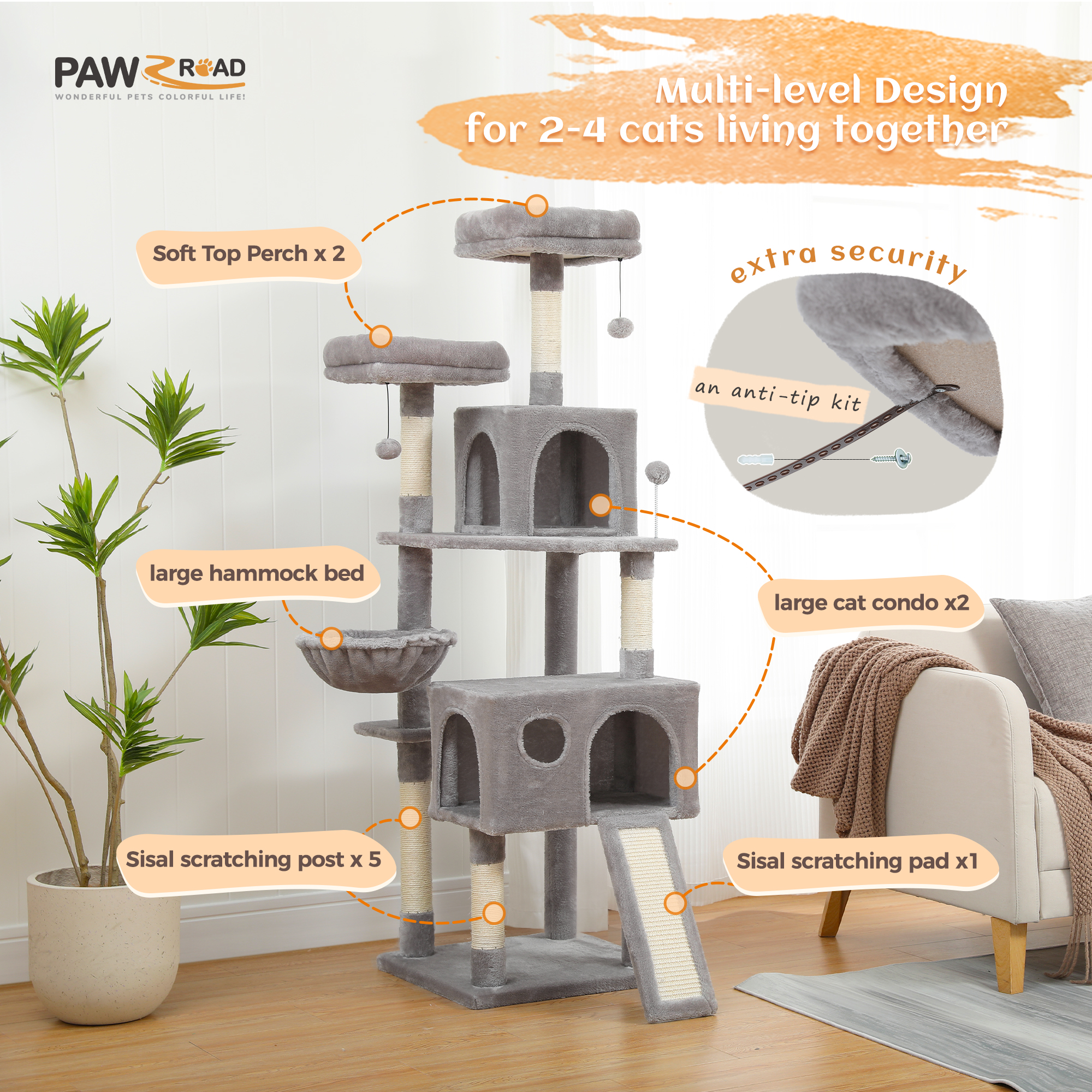
Assembly can be time-consuming and require additional tools
When it comes to cat trees, assembly is often required, and it can be a laborious process. Depending on the complexity of the design, you may need to follow detailed instructions and use additional tools for assembly. This can be especially frustrating for individuals who are not particularly handy or who lack the necessary tools, as it adds an extra layer of difficulty to the process.
Maintenance requires regular cleaning
Like any other piece of furniture, cat trees require regular cleaning to ensure the health and hygiene of your cat. Over time, dust, dander, and fur can accumulate on the surfaces of the tree, creating an environment that is less than ideal for cats. Regular cleaning is necessary to remove these allergens and maintain a clean and safe space for your feline friend.
Cats can damage or scratch the material, requiring repairs or replacement
Another maintenance concern is the potential damage caused by cats themselves. Cats have a natural instinct to scratch and climb, and cat trees provide the perfect outlet for these behaviors. However, this can lead to wear and tear on the tree’s material, whether it’s carpet, sisal rope, or wood. Over time, the scratching and climbing may cause the material to fray, loosen, or even break, necessitating repairs or replacement.
4. Size and Portability
Large cat trees may not fit comfortably in smaller spaces
As mentioned earlier, the size of a cat tree can pose challenges, particularly in smaller living spaces. While your cat may enjoy the extra height and climbing opportunities, a large cat tree can dominate a room and make it feel overcrowded. Additionally, the tree’s dimensions may not align with the available floor space, making it difficult to fit comfortably into the room.
Limited portability makes it difficult to move the tree to different rooms or during house moves
Cat trees are not known for their portability. Once assembled, they tend to be quite heavy, making it cumbersome to move them from one room to another. This lack of portability can be inconvenient, especially if you want to relocate the tree to different areas of your home or if you’re planning a house move. Having to disassemble and reassemble the cat tree adds an extra layer of effort and time.
May not be suitable for cat owners who frequently relocate
If you’re someone who frequently moves or plans to move in the near future, a cat tree may not be the most practical addition to your pet’s living environment. The size and weight of the tree make it challenging to transport, potentially leading to added stress for both you and your cat during the moving process. In such cases, opting for alternative vertical spaces or cat furniture that is easier to disassemble and transport may be a better choice.
5. Aesthetics
Cat trees may not match the interior design or furnishings
While the primary focus should be on providing a safe and enjoyable space for your cat, the aesthetics can also play a role in your decision. Unfortunately, many cat trees may not align with the interior design or furnishings of your home. The mismatch in styles and colors can disrupt the overall cohesion and visual appeal of the room, leading to a less pleasing and harmonious environment.
Different styles and colors might clash with home decor
The variety of cat trees available on the market means that there is a plethora of styles and colors to choose from. However, this wide selection can also lead to potential clashes with your home decor. Whether it’s a contemporary minimalist design or a more rustic aesthetic, finding a cat tree that seamlessly blends in with your existing decor can be a challenge.
Owners might prefer more visually appealing alternatives
Given the potential aesthetic drawbacks, some cat owners may opt for more visually appealing alternatives to cat trees. Cat furniture that doubles as functional decor, such as sleek wall-mounted shelves or stylish designer cat beds, can contribute to a more cohesive and visually pleasing home environment while still providing vertical space for your cat.
6. Allergies
Cat trees can accumulate dust and dander over time
One of the cons of cat trees is their tendency to accumulate dust and dander over time. These particles can settle on the surfaces of the tree, potentially triggering allergies in sensitive individuals. This is particularly concerning for households with allergy sufferers who may react adversely to the presence of a cat tree.
Not suitable for households with allergy sufferers
If you or any members of your household have allergies, owning a cat tree may not be the best choice. The constant accumulation of dust and dander on the tree’s surfaces can exacerbate allergic reactions, making it difficult to create a comfortable and allergen-free living environment for everyone in the home.
Regular cleaning may be required to minimize allergens
To mitigate the accumulation of dust and dander on a cat tree, regular cleaning is necessary. This involves vacuuming or wiping down the surfaces of the tree to remove allergens. However, the frequency of cleaning required can be time-consuming and may pose an additional challenge for busy individuals or those with limited mobility.
7. Cats’ Preferences
Not all cats enjoy or use cat trees
Despite the popularity of cat trees, it’s important to note that not all cats enjoy or utilize them. Each cat has its own unique personality and preferences, and there can be a wide range of reactions to a cat tree. Some cats may take to it immediately, using it as a playground and a cozy spot for napping. However, others may show little interest or prefer other vertical spaces within the home.
Some cats may prefer other vertical spaces such as shelves or windowsills
While cat trees offer vertical space, some cats may have a preference for other options. Shelves, windowsills, or even the top of furniture pieces can serve as alternative resting and observation spots for cats. It’s essential to observe your cat’s behavior and preferences to determine whether a cat tree is the best choice for them.
May not be appropriate for older or less active cats
Additionally, not all cats may benefit from a cat tree, especially older or less active cats. As cats age, they may find it more challenging to climb or jump onto higher platforms. In these cases, a cat tree may become an inaccessible and unused piece of furniture. Considering the specific needs and abilities of your cat is crucial to providing them with a comfortable and enjoyable environment.
8. Safety Concerns
Tall cat trees pose a falling risk, especially for kittens or clumsy cats
Safety is paramount when it comes to our feline friends, and cat trees can pose certain risks. Tall cat trees with high perches and platforms can be precarious for kittens or cats who are not particularly agile or coordinated. The risk of falls and injuries is higher in these situations, and it’s essential to consider the safety implications of a tall cat tree.
Unstable or poorly constructed cat trees may lead to accidents or injuries
The stability and construction of a cat tree play a vital role in ensuring the safety of your cat. If the tree is unstable or poorly constructed, it can easily topple over or collapse, putting your cat at risk of accidents or injuries. It’s crucial to thoroughly assess the quality and stability of a cat tree before purchasing to minimize these concerns.
Cats may get stuck in tight spaces, causing distress
Cat trees often have various levels, nooks, and crannies that can be seen as enticing hiding spots for cats. However, there is a risk of cats getting themselves stuck in these tight spaces, causing distress and potentially requiring intervention to free them. Considering the accessibility and design of the cat tree can help mitigate this particular safety concern.
9. Inter-cat Dynamics
Conflicts may arise if multiple cats share a single cat tree
If you have multiple cats in your household, you may encounter inter-cat dynamics when it comes to sharing a cat tree. Cats are known for their territorial nature, and introducing a cat tree into their shared space can create conflicts. Some cats may have a dominant personality and monopolize the tree, leading to tension and potential aggression among the feline occupants.
Hierarchy and territorial disputes can occur
When multiple cats share a cat tree, hierarchy and territorial disputes can arise. Cats may vie for the prime perching spots or attempt to assert their dominance over the tree, leading to confrontations and stress. It’s essential to closely monitor your cats’ behavior and intervene if necessary to prevent these conflicts from escalating.
Individual cat personalities may not suit the shared space
Additionally, not all cats may have personalities that are compatible with sharing a cat tree. Some cats may prefer solitude or have anxiety-related behaviors that make sharing a communal space like a cat tree challenging. In these cases, providing individual vertical spaces or separate resting areas may be a more suitable solution to accommodate your cats’ unique preferences.
10. Durability
Some cat trees may not withstand rough play or large cat breeds
Durability is a key factor to consider when investing in a cat tree. Cats can engage in vigorous play, scratching, and climbing, and not all cat trees are built to withstand the rough treatment. Lower-quality cat trees may not hold up well to these activities, leading to premature wear and tear or even collapse under the weight of larger cat breeds.
Lower-quality materials can wear out or break over time
In addition to durability concerns related to rough play, the quality of the materials used in the construction of a cat tree can impact its longevity. Lower-quality materials are more prone to wear out, fray, or break over time. This can be especially problematic if your cat is an avid scratcher or if you have multiple cats utilizing the same tree.
Owners may need to invest in a sturdier option for long-term use
To ensure the longevity and durability of a cat tree, owners may need to invest in a sturdier option that can withstand the demands of their cats. This might involve spending more initially, but it can provide peace of mind and save on potential repair or replacement costs down the line. Thoroughly researching and selecting a cat tree with a reputation for durability and quality construction is essential for long-term use.