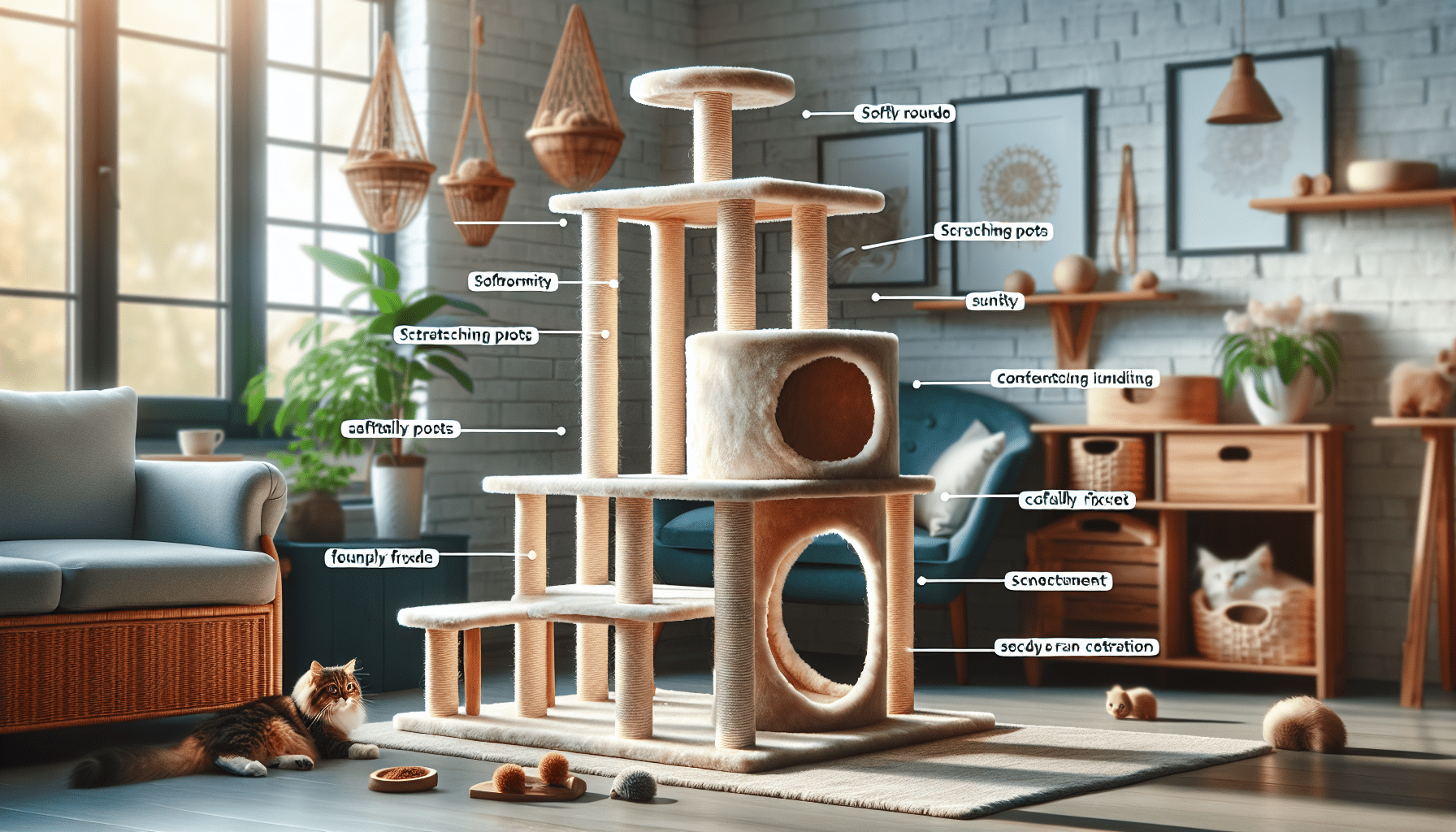
Let’s talk about cleaning cat trees! If you’re a proud cat owner, you know that cat trees are much more than just a piece of furniture for your furry friend – they’re a playground, a sanctuary, and a cozy spot for napping. However, with all the climbing, scratching, and shedding, cat trees can quickly become a breeding ground for dirt and bacteria. But don’t worry, in this article, we’ll explore some handy tips and tricks to keep your cat tree clean and fresh while ensuring a healthy environment for your feline companion. So, let’s get those paws ready, and embark on a cleaning journey that will have your cat tree looking as good as new!
Choosing the Right Cleaning Supplies
When it comes to cleaning your cat tree, it’s important to choose the right cleaning supplies that are safe for both your cat and the materials of the tree. Different materials require different cleaning methods, so it’s essential to consider the material of your cat tree before selecting your cleaning products.
Consider the Material
Cat trees come in a variety of materials, such as fabric, wood, sisal rope, and more. Each material has its unique cleaning requirements, and using the wrong cleaning supplies can damage the cat tree or be harmful to your cat. Take a moment to determine what materials your cat tree is made of and proceed accordingly with the appropriate cleaning methods.
Check for Pet-Friendly Cleaning Solutions
When selecting cleaning solutions, it’s crucial to ensure that they are pet-friendly. Some cleaning products contain chemicals that can be toxic to cats if ingested or come into contact with their skin. Look for cleaning solutions that are specifically labeled as safe for pets. These products are designed to effectively clean cat tree surfaces while minimizing any potential harm to your furry friend.
Gather Necessary Supplies
Before you begin cleaning your cat tree, gather all the necessary supplies. This will save time and make the cleaning process more efficient. In general, you will need a vacuum cleaner, lint roller, soft bristle brush, pet-safe stain remover, microfiber cloth, mild soap, pet-safe disinfectant, pet hair roller, and protective covers. By having these supplies ready, you’ll be well-equipped to tackle any cleaning task that comes your way.
Removing Loose Debris
Before diving into a deep clean, it’s important to remove any loose debris from your cat tree. Dust, dirt, and pet hair can accumulate over time, so this step will help prepare the surface for a more thorough cleaning.
Use a Vacuum Cleaner
A vacuum cleaner with a brush attachment is a great tool for removing loose debris from your cat tree. Simply run the vacuum cleaner over the different surfaces of the tree, paying extra attention to areas where debris tends to gather, such as the base, perches, and scratching posts. This will help remove dust, pet hair, and other small particles, leaving your cat tree cleaner and more hygienic.
Use a Lint Roller
If you notice any stubborn pet hair or lint that the vacuum cleaner didn’t pick up, a lint roller can be a handy tool. Roll the lint roller over the fabric surfaces of the cat tree, applying gentle pressure to pick up any remaining loose debris. This will leave the fabric looking fresh and free from unsightly hair.
Use a Soft Bristle Brush
For surfaces that are more delicate or have hard-to-reach crevices, a soft bristle brush can be a useful tool. Gently brush the surfaces of your cat tree to dislodge any stray debris from areas that may be difficult to reach with a vacuum cleaner or lint roller. Take care not to scrub too hard, as this may damage the material of the tree.
Cleaning Fabric Surfaces
Fabric surfaces on your cat tree, such as cushion covers or curtains, can easily become stained or soiled. Proper cleaning methods for fabric surfaces will ensure that they remain clean and fresh for your cat’s enjoyment.
Spot Clean with Pet-Safe Stain Remover
If you notice any stains or spills on the fabric surfaces of your cat tree, it’s important to address them promptly. Use a pet-safe stain remover that is suitable for the type of fabric on your cat tree. Apply the stain remover to a clean cloth and gently blot the stained area. Avoid rubbing the stain, as this may push it further into the fabric. Repeat the process as necessary until the stain is removed.
Machine Washable Covers
Many cat tree cushion covers are machine washable. Check the care instructions on the cover to determine if it can be safely laundered in a washing machine. If so, remove the cover from the cat tree and follow the recommended washing instructions. It’s important to use a mild detergent and set the machine to a gentle cycle. Afterward, allow the cover to air dry or tumble dry on low heat, if applicable, before reattaching it to the cat tree.
Hand Washing the Fabric Surfaces
If your cat tree’s fabric surfaces are not machine washable, you can still clean them effectively by hand. Fill a basin or sink with lukewarm water and add a small amount of mild soap or pet-safe detergent. Submerge the fabric in the soapy water and gently agitate it to loosen dirt and stains. Rinse the fabric thoroughly to remove any soap residue, and then allow it to air dry completely before reassembling it on the cat tree.
Cleaning Wood Surfaces
Wooden surfaces on your cat tree require specific care to maintain their natural beauty and prolong their lifespan. Follow these steps to effectively clean and maintain the wood surfaces of your cat tree.
Dust and Wipe Down with Microfiber Cloth
Start by dusting the wood surfaces of your cat tree with a microfiber cloth. This will remove any loose dirt, dust, or pet hair that may have accumulated. Gently wipe down the surfaces, paying attention to any intricate designs or corners where dust tends to gather. This simple step will immediately improve the appearance of your cat tree.
Polishing the Wood
To enhance the shine and protect the wood surfaces of your cat tree, consider using a wood polish or conditioner. Apply the polish to a clean cloth and gently rub it onto the wood, following the direction of the grain. This will not only make the wood look polished and rejuvenated but also provide a protective layer against future dirt and wear. Be sure to choose a wood polish that is safe for cats and use it sparingly to avoid buildup.
Removing Stains from Wood Surfaces
If you come across any stains on the wood surfaces of your cat tree, it’s important to address them as soon as possible. Create a mixture of mild soap or dish detergent and water and dampen a clean cloth with the solution. Gently rub the stained area in a circular motion, being careful not to scrub too hard. Once the stain is removed, wipe the area clean with a damp cloth and immediately dry the wood to prevent any moisture damage.
Cleaning Sisal Rope
Many cat trees feature sisal rope, which cats love to scratch. Properly cleaning the sisal rope will ensure its longevity and maintain its effectiveness as a scratching surface for your feline friend.
Brushing the Sisal Rope
Begin by using a soft bristle brush to remove any loose debris or pet hair from the sisal rope. Gently brush the rope in the direction of the fibers, being careful not to pull or damage it. This will help dislodge any dirt or particles that may have accumulated between the fibers, keeping the rope clean and hygienic.
Vacuuming the Sisal Rope
After brushing, use a vacuum cleaner with a brush attachment to further clean the sisal rope. Run the brush attachment over the rope, ensuring that it reaches all the nooks and crannies. The suction will help remove any remaining debris that may be lodged in between the fibers of the rope.
Spot Cleaning with Mild Soap Solution
If you notice any stains or spills on the sisal rope, you can spot clean them with a mild soap solution. Fill a basin or sink with lukewarm water and add a small amount of mild soap or pet-safe detergent. Submerge a clean cloth or sponge in the soapy solution and gently dab the stained area, being careful not to saturate the rope. Afterward, rinse the rope thoroughly with clean water and allow it to air dry completely before allowing your cat to use it.
Cleaning Scratching Posts
Since scratching posts are essential for keeping your cat’s claws healthy and preventing them from scratching your furniture, it’s crucial to keep them clean and well-maintained. Follow these steps to effectively clean your cat’s scratching posts.
Use a Soft Bristle Brush
Using a soft bristle brush, gently brush the scratching posts to remove any loose debris or pet hair. Pay attention to the cracks and crevices between the sisal rope or carpeting, as these areas can easily accumulate dirt and dust. By regularly brushing the scratching posts, you’ll prevent the buildup of debris and ensure a clean and inviting surface for your cat to scratch.
Spot Clean with Stain Remover
If you notice any stubborn stains or spills on the scratching posts, use a pet-safe stain remover to spot clean the affected areas. Apply a small amount of the stain remover to a clean cloth or sponge and gently dab the stained area. Be sure to thoroughly rinse the area with clean water afterward to remove any residue from the stain remover. Always check that the stain remover is safe for the specific material of your scratching posts.
Machine Washing Options
If your scratching posts have fabric or carpeted elements that are machine washable, take advantage of this option to ensure a thorough cleaning. Check the care instructions on the fabric or carpeting and follow the recommended washing instructions. Remove the fabric or carpeting from the scratching posts and wash them separately in a washing machine using a mild detergent and a gentle cycle. Allow them to air dry completely before reattaching them to the scratching posts.
Cleaning Perches and Platforms
The perches and platforms of your cat tree are where your feline friend spends a significant amount of time. Keeping these areas clean and hygienic is essential for your cat’s health and comfort.
Remove Loose Debris
Start by removing any loose debris from the perches and platforms. Use a vacuum cleaner with a brush attachment to remove dust, pet hair, and other small particles. Pay extra attention to corners and crevices where debris tends to accumulate. By regularly removing loose debris, you’ll prevent it from being transferred to other areas of your home or your cat’s fur.
Wipe Down with Pet-Safe Cleaning Solution
After removing loose debris, it’s time to wipe down the perches and platforms with a pet-safe cleaning solution. Pour a small amount of the solution onto a microfiber cloth or sponge and gently wipe the surfaces of the perches and platforms. This will help remove any remaining dirt or grime and leave the surfaces clean and fresh. Be sure to choose a cleaning solution that is safe for the specific material of your cat tree.
Dry Thoroughly
Once you’ve wiped down the perches and platforms, it’s crucial to dry them thoroughly. Excess moisture can lead to the growth of mold and mildew, which can be harmful to your cat’s health. Use a clean, dry cloth to absorb any moisture from the surfaces, paying extra attention to areas that tend to retain water, such as corners or dips in the material. Allow the perches and platforms to air dry completely before allowing your cat to use them.
Sanitizing Toys and Accessories
Toys and accessories are an integral part of your cat’s playtime, so it’s important to keep them clean and free from harmful bacteria or germs. Regularly sanitizing these items will help keep your cat healthy and prevent the spread of illnesses.
Check for Machine Washable Toys
Start by checking the labels of your cat’s toys to see if they are machine washable. Machine washable toys can be conveniently cleaned by tossing them into the washing machine with a mild detergent and running a gentle cycle. Be sure to check for any small parts or attachments that may pose a choking hazard and remove them before washing. Allow the toys to air dry completely before giving them back to your cat.
Hand Washing Non-Machine Washable Toys
If any of your cat’s toys are not machine washable, you can still clean them effectively by hand. Fill a basin or sink with lukewarm water and add a small amount of mild soap or pet-safe detergent. Submerge the toys in the soapy water and gently agitate them to loosen dirt and bacteria. Rinse the toys thoroughly to remove any soap residue, and then allow them to air dry completely before returning them to your cat.
Using Pet-Safe Disinfectants
For toys or accessories that cannot be washed, such as scratching posts or tunnels, you can use pet-safe disinfectants to sanitize them. Look for disinfectants that are specifically formulated for use around pets and follow the instructions on the packaging. Spray the disinfectant onto a clean cloth or sponge and wipe down the surfaces of the toys or accessories. Allow them to air dry completely before reintroducing them to your cat.
Dealing with Pet Hair
Pet hair is a common challenge for cat owners, and it often finds its way onto cat trees. To keep your cat tree free from excessive pet hair, implement a regular cleaning routine that includes the following steps.
Use a Pet Hair Roller
A pet hair roller is a handy tool for quickly and easily removing pet hair from fabric surfaces. Roll the sticky roller over the surfaces of your cat tree, applying gentle pressure to pick up any loose pet hair. This will leave the fabric looking clean and hair-free in no time.
Vacuuming
Regular vacuuming is essential for keeping your cat tree free from pet hair. Use a vacuum cleaner with a brush attachment to remove any loose pet hair from fabric, carpeted, or wood surfaces. Pay special attention to areas where pet hair tends to gather, such as perches, platforms, and scratching posts. By vacuuming regularly, you’ll prevent pet hair from accumulating and keep your cat tree looking tidy.
Regular Brushing Routine
In addition to cleaning the cat tree, it’s important to establish a regular brushing routine for your cat. Regularly brushing your cat will help remove loose hair and reduce the amount of hair that ends up on the cat tree. Choose a brush that is suitable for your cat’s coat type and gently brush them on a regular basis. Not only will this help minimize shedding, but it will also strengthen the bond between you and your cat.
Preventing Future Dirt and Odor Build-Up
Prevention is key when it comes to keeping your cat tree clean and fresh. By implementing simple strategies and house rules, you can minimize dirt and odor build-up, making cleaning tasks more manageable.
Regular Maintenance and Cleaning Schedule
Establishing a regular maintenance and cleaning schedule for your cat tree will help prevent dirt and odor build-up. Set aside specific days or times each week to perform routine cleaning tasks, such as removing loose debris, wiping down surfaces, and sanitizing toys. By consistently following a schedule, you’ll stay on top of cleaning tasks and maintain a clean environment for your cat.
Implementing House Rules for Cat Tree Usage
Establishing house rules for your cat’s use of the cat tree can also help prevent dirt and odor build-up. For example, you can teach your cat to use a designated scratching post instead of scratching the fabric surfaces of the cat tree. You can also discourage your cat from using the cat tree as a place to eat or drink to prevent spills and stains. By implementing these rules and consistently reinforcing them, you’ll minimize messes and make cleaning tasks easier.
Using Protective Covers
Consider using protective covers on the fabric surfaces of your cat tree to prevent dirt and stains. There are various covers available that are designed to fit different sizes and styles of cat trees. These covers act as a barrier between your cat and the fabric, making it easier to spot clean or remove and wash the covers when necessary. Using protective covers can significantly extend the lifespan of your cat tree and reduce the frequency of deep cleaning.
In conclusion, keeping your cat tree clean is essential for your cat’s health and enjoyment. By choosing the right cleaning supplies, removing loose debris, cleaning fabric and wood surfaces properly, maintaining the sisal rope, cleaning scratching posts, perches, and platforms, sanitizing toys and accessories, dealing with pet hair, and implementing preventative measures, you’ll create a clean and inviting space for your furry friend. With regular maintenance and a proactive approach to cleaning, your cat tree will provide years of comfort and fun for your cat.