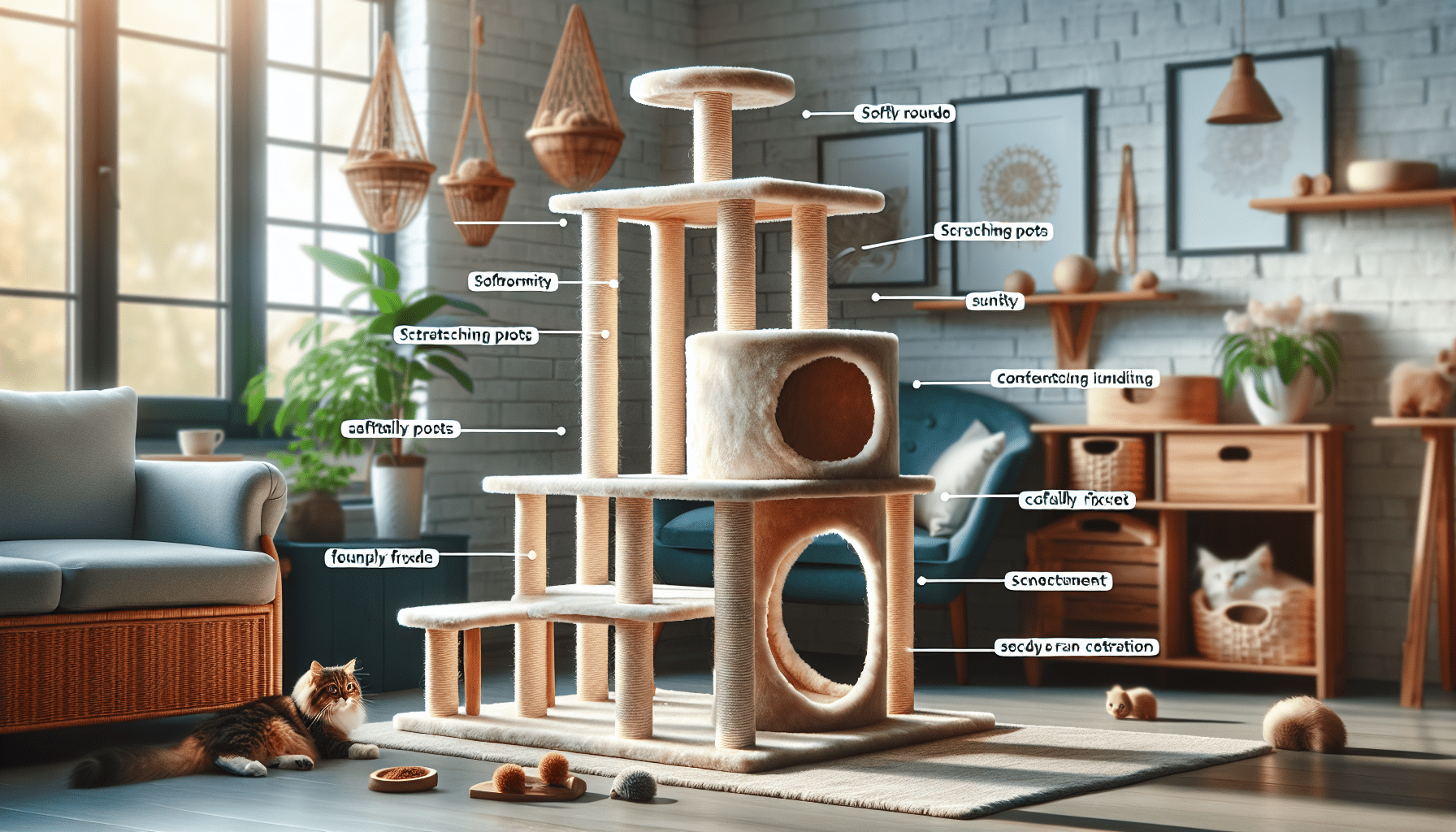
If you’re a cat lover and enjoy DIY projects, then you’re in for a treat! In this article, we’ll explore some essential safety tips for building your very own cat tree. Whether you’re a seasoned woodworker or just starting out, these tips will ensure that your furry friend’s new play area is not only fun but also safe. From selecting the right materials to securing the structure, we’ve got you covered. So grab your tools, put on your creative hat, and let’s get started on creating a cat paradise that will keep your feline companion happy and entertained for hours on end!
Choose Cat-Friendly Materials
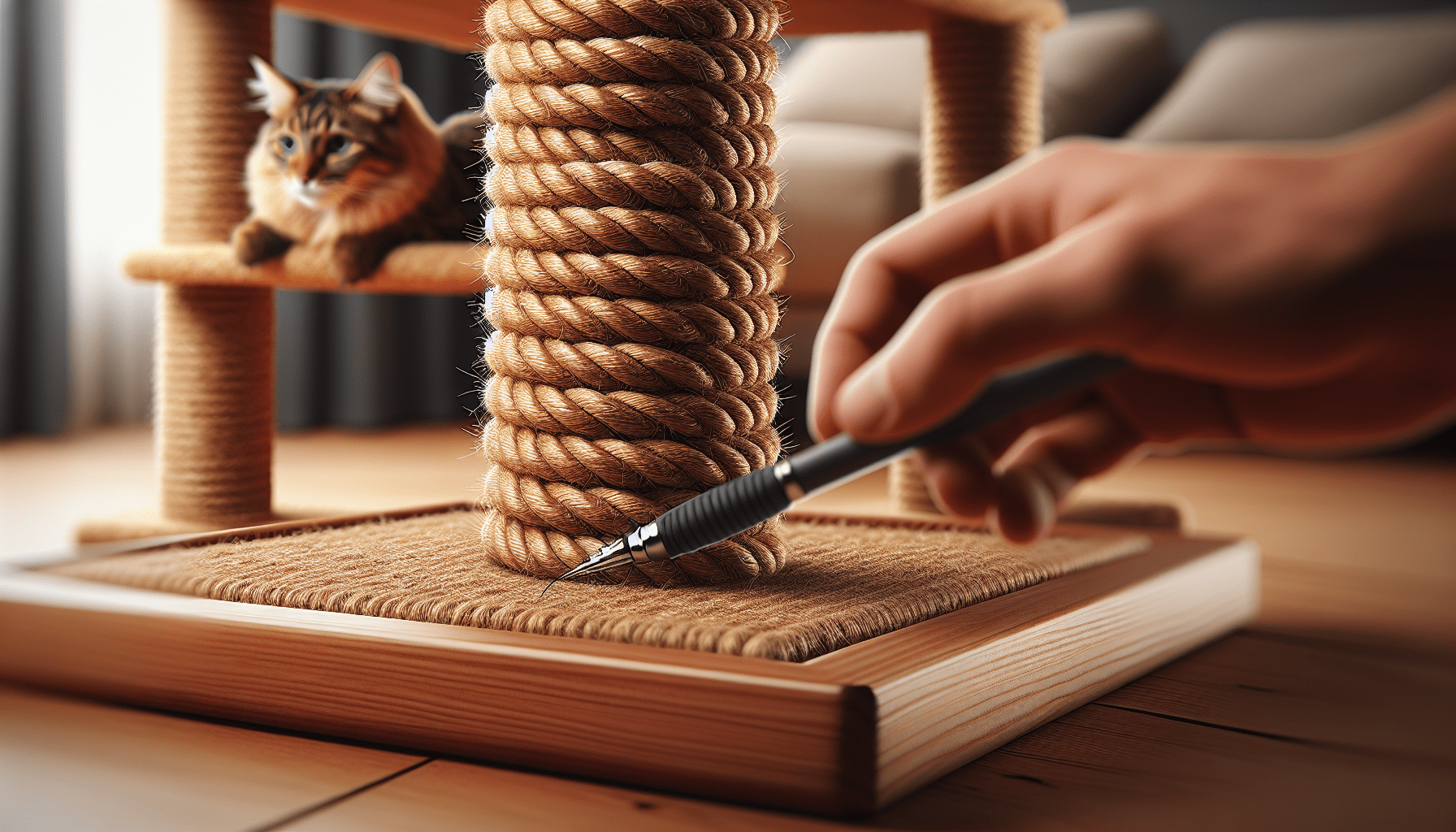
When building or choosing materials for a cat tree, it’s important to consider the safety of your furry friend. Avoid toxic materials that could be harmful if ingested or cause allergies. Opt for cat-friendly materials such as natural wood that is free from harmful chemicals or treated with pet-safe sealants.
In addition to selecting non-toxic materials, it’s essential to choose sturdy and durable options. Cats love to climb and scratch, so a cat tree made from flimsy materials won’t withstand their playful antics. Opt for materials that are not only strong but also resistant to scratching. This ensures that your cat tree will stand the test of time, providing a safe and enjoyable space for your feline companion.
Lastly, think about the ease of cleaning when selecting materials for your cat tree. Cats can be messy and may leave behind fur, dirt, or even the occasional hairball. Choosing materials that are easy to wipe down or machine washable will save you time and effort in keeping the cat tree clean and hygienic.
Secure the Base
The base of your cat tree plays a crucial role in its stability. To ensure that your cat tree doesn’t topple over when your cat jumps or climbs on it, ensure that the base is wide and stable. This prevents any wobbling or instability and makes for a safe and secure structure.
Using a non-slip material for the base is also important. Cats can be quite agile and might put the tree to the test with their acrobatic feats. By using a non-slip material, you can prevent any accidental slips or falls that could potentially cause injury to your cat.
For added stability, it’s recommended to secure the tree to the wall. This can be done by using brackets or wall anchors to attach the tree to a stud in the wall. This extra step ensures that even the most energetic of cats won’t bring the tree crashing down.
Avoid Sharp Edges or Protruding Nails
Safety should be a top priority when it comes to building or choosing a cat tree. To prevent any potential injuries, it’s important to examine the tree for any exposed sharp edges. Sand down these edges to create a smooth surface and eliminate any potential hazards.
When constructing the cat tree, it’s best to counter-sink nails or use screws instead. This prevents any nails from protruding and causing harm to your cat. Additionally, covering sharp corners with protective materials such as corner guards or foam can further reduce the risk of injury.
By taking these precautions, you can ensure that your cat’s climbing and exploring experience is free from any sharp and dangerous edges.
Provide Secure Platforms
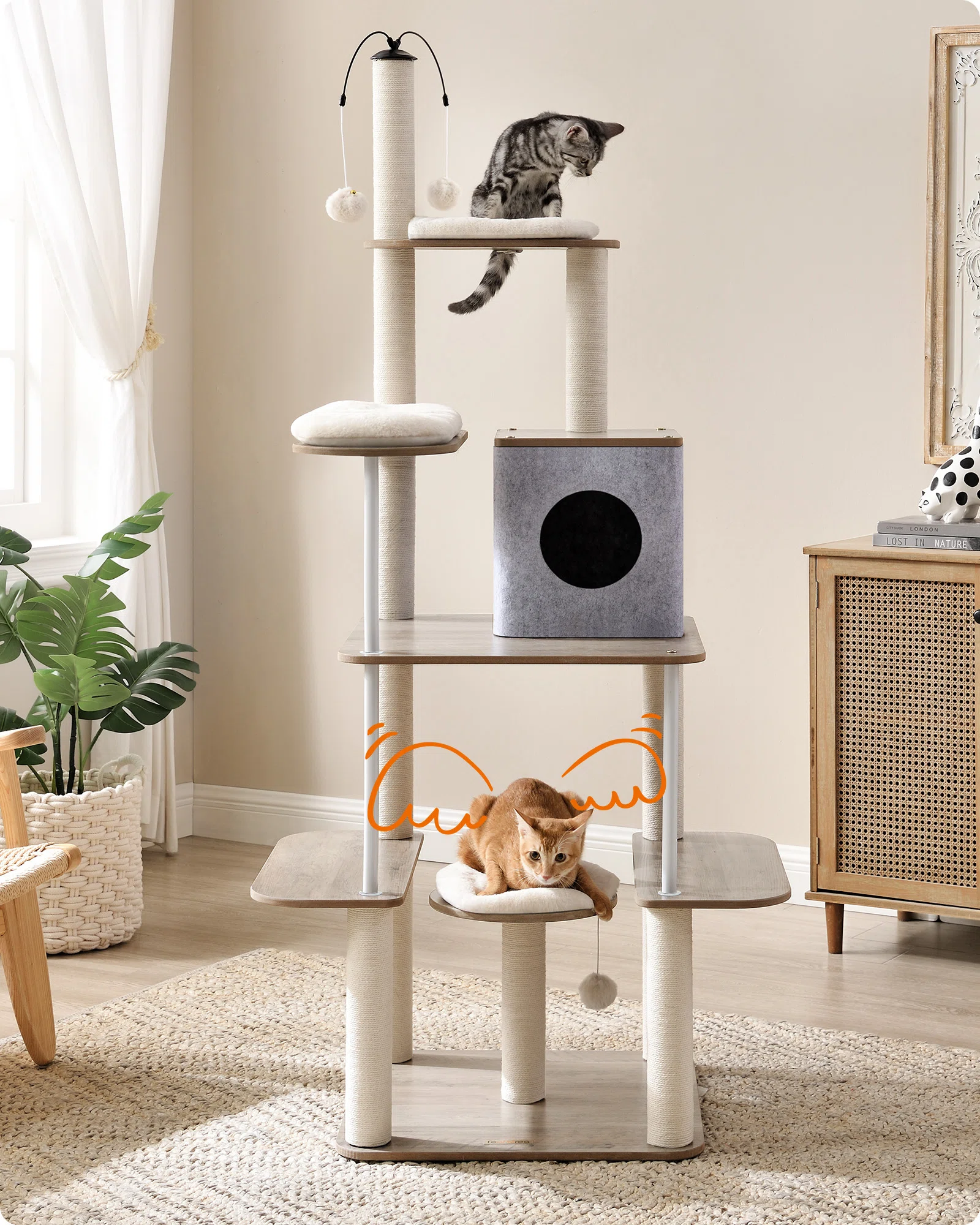
The platforms of a cat tree are where your feline friend will spend a significant amount of time lounging and observing their surroundings. It’s important to ensure that these platforms are securely attached to the tree.
Using brackets or supports can provide extra stability to the platforms. This prevents them from wobbling or detaching when your cat jumps on or off them. Regularly checking for any signs of loose platforms and promptly fixing them will help maintain a safe environment for your cat.
Choose Safe Toys and Accessories
Cat trees often come with built-in toys and accessories to provide added entertainment for your furry companion. When selecting or attaching toys, it’s crucial to choose ones that are safe for your cat to play with. Avoid toys with small or easily detachable parts that could pose a choking hazard.
Additionally, ensure that the materials used for these toys and accessories are non-toxic and pet-safe. Cats may chew on or scratch these items, so it’s important that they won’t be harmful if ingested.
Regularly inspecting the toys and accessories for wear or damage is also important. Remove any worn-out or damaged items to avoid potential hazards and replace them with safe alternatives.
Consider Weight Capacity
Different cats have different weights, and it’s essential to consider this when selecting or building a cat tree. Ensure that the tree can support your cat’s weight without the risk of collapsing. This is particularly important if you have multiple cats, as the combined weight of all your furry friends should be taken into account.
Manufacturers often provide weight capacity limits for their cat trees. It’s crucial to check and adhere to these guidelines to ensure the safety of your cats. Choosing a tree that is designed to handle your cat’s weight will give you peace of mind knowing that they can play and climb without any worry of the tree giving way.
Securely Attach Any Climbing Ropes or Ladders
Climbing ropes or ladders can be a fun addition to a cat tree, providing your cat with more opportunities for exercise and exploration. However, it’s important to ensure that these elements are securely attached to the tree.
Using reliable knots or hooks when attaching ropes or ladders is essential. This not only ensures that they won’t detach easily but also provides a stable and safe climbing experience for your cat. Regularly checking the condition of these attachments is important to identify any signs of wear or damage. Replace any worn-out ropes or ladders promptly to maintain a safe environment for your cat.
Provide Safe Access to Higher Levels
Cats love climbing to higher places, and a cat tree should provide them with easy and safe access to these elevated levels. Including ramps or stairs can make climbing easier for cats of all ages and abilities. Ensure that these ramps or stairs are securely attached to the tree to prevent any accidents or falls.
When designing or selecting ramps or stairs, consider the spacing and stability. Cats should be able to comfortably navigate them without the risk of slipping or stumbling. Avoid steep or dangerous inclines that could potentially injure your cat. Providing safe access to higher levels ensures that your cat can explore and enjoy their cat tree without any difficulties or danger.
Avoid Placing the Tree Near Hazards
The placement of your cat tree is an important consideration for their safety. Keep the tree away from open windows or balconies to prevent any accidental falls. Cats are naturally curious creatures and may be tempted to jump or explore from elevated positions, so keeping them away from potential dangers is essential.
Additionally, avoid placing the cat tree near sharp objects or electrical cords. Cats love to explore and may accidentally scratch or chew on these items, which can lead to injuries or electrical hazards. By positioning the tree away from such hazards, you create a safer environment for your cat.
Lastly, ensure that the tree is away from any potential falling hazards, such as heavy furniture or appliances that could topple over. By being mindful of the surrounding environment, you can prevent accidents and create a secure space for your furry friend.
Regularly Inspect and Maintain the Cat Tree
Even with all the necessary precautions, it’s important to regularly inspect and maintain your cat tree to ensure ongoing safety. Check the tree for any signs of damage or wear on a routine basis. This includes examining the materials, platforms, attachments, and overall structural integrity.
If any parts of the tree are damaged, it’s crucial to replace or repair them promptly. Weak or broken components can compromise the stability of the tree and may pose a risk to your cat’s safety. By promptly addressing and resolving any issues, you can maintain a safe and enjoyable cat tree for your feline companion.
Keeping the cat tree clean and free from debris is also important. Regularly vacuuming or wiping down the tree will prevent the buildup of fur, dust, or dirt. This not only ensures a hygienic environment for your cat but also prevents any potential allergic reactions or respiratory issues. By maintaining a clean and well-maintained cat tree, you’re providing a safe and comfortable space for your cat to relax and play.