Have you ever wondered why cats seem to love climbing on furniture, shelves, and even your curtains? It turns out that cats have a natural instinct to seek out vertical space for both play and territorial purposes. In this article, we will explore the concept of vertical space and how cat trees can provide the perfect solution for your feline friend to fulfill their innate needs while keeping them happy and content. So if you want to create a space that promotes your cat’s well-being and allows them to express their natural behaviors, keep on reading!
1. Benefits of Vertical Space and Territory Expansion
1.1. Importance of Vertical Space for Cats
Vertical space is crucial for cats as it allows them to fulfill their natural instincts and behaviors. In the wild, cats climb trees and perch on elevated surfaces to survey their surroundings, hunt for prey, and escape potential threats. Indoor cats, however, often lack the opportunity to engage in these activities. Providing vertical space in the form of cat trees helps address this issue and enhances their physical and mental well-being.
1.2. Natural Instincts of Cats and Territory Expansion
Cats are territorial animals, and territory expansion is an important aspect of their natural instincts. They have a strong need to establish their territory and mark it with their scent. By providing vertical spaces such as cat trees, you are offering cats the chance to explore and expand their territory vertically, giving them a greater sense of security and control over their environment.
1.3. Benefits of Giving Cats Access to Vertical Space and Territory Expansion
Giving cats access to vertical space and territory expansion through cat trees has numerous benefits. Firstly, it promotes exercise and helps cats maintain a healthy weight. Climbing, jumping, and exploring different levels of a cat tree provide them with the necessary physical activity to support their overall fitness.
Secondly, vertical space can help reduce stress and anxiety in cats. Being able to retreat to higher levels allows cats to escape from human or animal interactions when they feel overwhelmed. It provides them with a safe and secluded spot where they can relax and observe from a distance.
Lastly, vertical space and territory expansion contribute to the overall mental stimulation of cats. By offering them a variety of platforms, perches, and hideaways, you provide opportunities for mental exercise, exploration, and play. This helps prevent boredom and promotes their overall psychological well-being.
2. Understanding Cat Trees
2.1. Definition and Purpose of Cat Trees
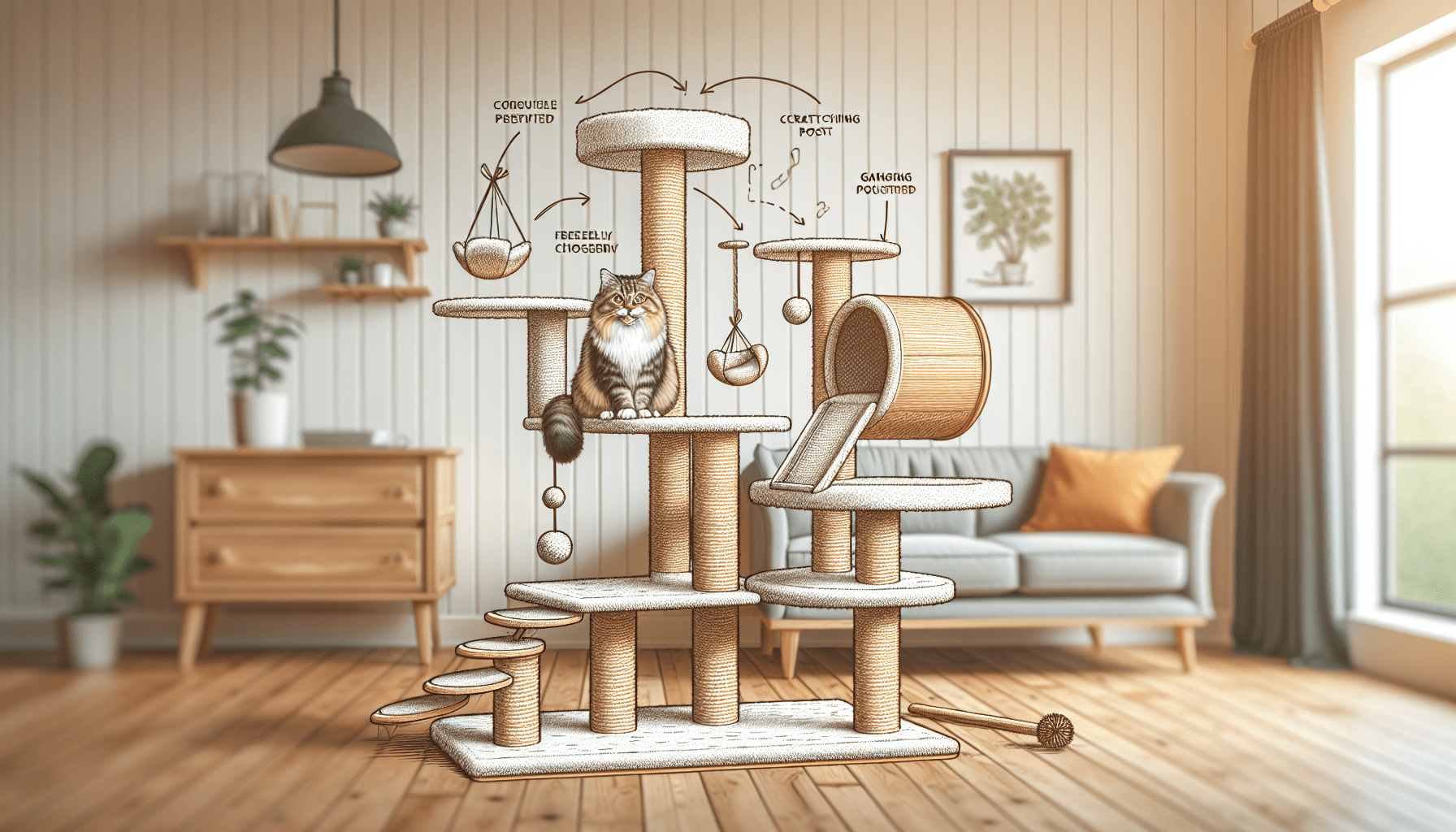
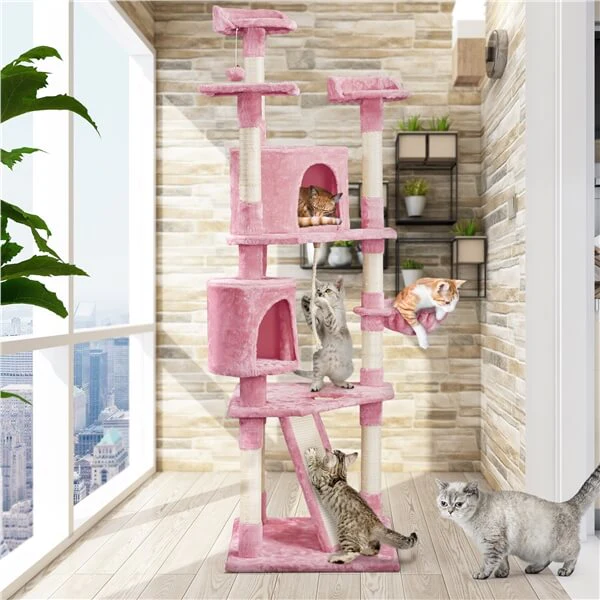
A cat tree, also known as a cat condo or cat tower, is a piece of furniture designed specifically for cats. It typically consists of multiple levels, perches, hideaways, scratching posts, and other interactive features. The purpose of a cat tree is to provide cats with vertical space, allowing them to climb, play, rest, and observe their surroundings.
2.2. Types and Designs of Cat Trees
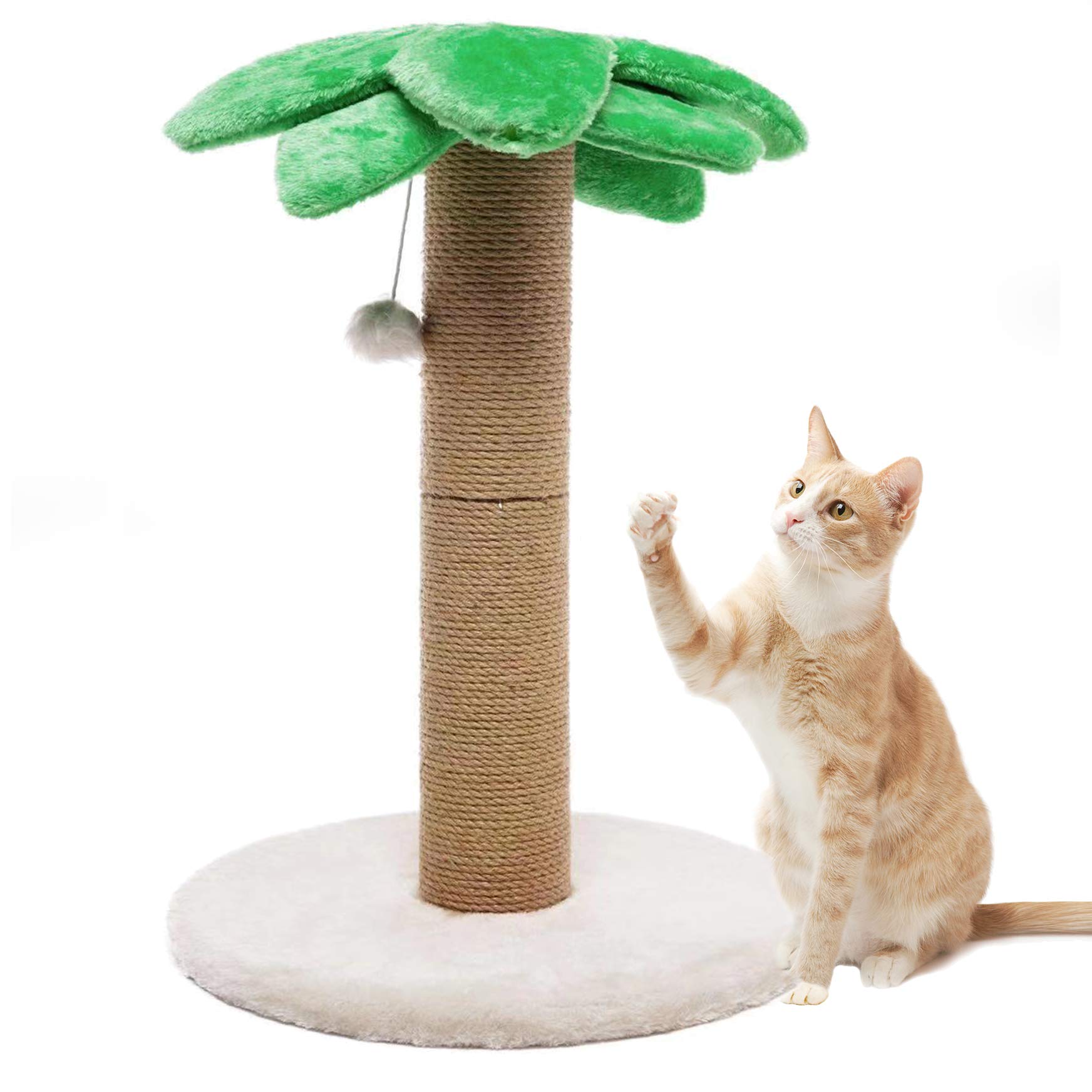
Cat trees come in various types and designs to suit different cat preferences and home decor styles. Some cat trees are simple and compact, consisting of a single platform and scratching post, while others are elaborate and multi-tiered, resembling miniature treehouses. There are also wall-mounted cat trees that save floor space and provide a more vertical climbing experience.
When selecting a cat tree, consider the number of cats in your household, their size, and their activity levels. Some cat trees are specifically designed for small or large cats, and different designs offer various levels of complexity and play opportunities.
2.3. Materials and Quality Considerations
Cat trees are typically made of sturdy materials such as wood, carpet, sisal rope, and sometimes faux fur. Ensure that the materials used are of high-quality and durable, as cats can be rough on their play structures. Avoid cat trees with sharp edges or loose parts that could potentially harm your feline friend. It’s important to invest in a cat tree that is built to last and can withstand the daily wear and tear of a cat’s active lifestyle.
3. Providing Vertical Space with Cat Trees
3.1. Placement and Location of Cat Trees
When setting up a cat tree, consider the layout of your home and the flow of foot traffic. Place the cat tree in an area where your cat spends the most time or where they can observe activity in the house. Avoid placing the cat tree in a noisy or high-traffic area, as cats prefer quiet and safe spaces for rest and observation.
Additionally, ensure that the cat tree is placed near a window or a room with a view. Cats love watching birds, squirrels, and other outdoor activities, and having a cat tree near a window provides them with an opportunity to indulge in this natural pastime.
3.2. Size and Height Considerations
When choosing a cat tree, consider the size and height appropriate for your cat’s breed and size. The platforms and perches should be large enough to accommodate your cat comfortably, allowing them to stretch, nap, and observe their surroundings. The height of the cat tree should be sufficient to give your cat an elevated view, mimicking their natural inclination to climb trees.
Remember to appreciate the size of the cat tree in relation to the available space in your home. Measure the dimensions of the area where you plan to place the cat tree and ensure that there is enough room for both the cat tree and your cat to move around comfortably.
3.3. Additional Features and Accessories for Vertical Space
Cat trees can be enhanced with various additional features and accessories to provide a more enriching experience for your feline companion. Consider attaching dangling toys, feathers, or interactive elements to stimulate your cat’s interest and encourage play. Some cat trees come with built-in scratching posts or ramps, which can be beneficial for satisfying your cat’s natural instinct to scratch and climb.
Moreover, you can incorporate cozy blankets, cushions, or beds on the platforms and hideaways to create comfortable resting spots for your cat. These added features make the cat tree more inviting and appealing to your cat, ensuring they fully utilize and enjoy their vertical space.
4. Enhancing Territory Expansion with Cat Trees
4.1. Multiple Levels and Platforms
To support your cat’s territory expansion needs, look for cat trees with multiple levels and platforms. Cats feel secure when they can survey their surroundings from elevated positions. Having different levels offers your cat a sense of ownership and control over their vertical territory. It also allows them to choose their preferred vantage point and provides opportunities for jumping and climbing.
4.2. Condo or Hideaway Spaces
In addition to levels and platforms, cat trees with condos or hideaway spaces serve as ideal spots for cats to establish their personal territory. These enclosed spaces provide a sense of privacy and safety, allowing cats to retreat, nap, and observe without feeling exposed or vulnerable. Condos or hideaway spaces also cater to a cat’s instinctual desire for a cozy, den-like environment.
4.3. Scratching Posts and Perches
Scratching posts and perches are essential components of a cat tree as they fulfill a cat’s instinct to scratch, stretch, and perch. Select a cat tree with sturdy scratching posts wrapped in sisal rope or covered in carpet. These scratching surfaces act as territorial markers for your cat and save your furniture from damage.
Perches, on the other hand, provide elevated resting spots for your cat. A well-positioned perch allows your cat to survey their environment comfortably, making them feel confident and secure in their territory.
4.4. Interactive Toys and Features
To further enrich your cat’s vertical space and territory expansion, consider incorporating interactive toys and features into their cat tree. Attach toys or bells that dangle from the platforms, stimulating your cat’s hunting instincts and encouraging them to jump and play. Some cat trees also come with built-in interactive elements such as hanging strings or puzzle toys that engage your cat’s mind and promote mental stimulation.
5. Benefits of Cat Trees for Multi-Cat Homes
5.1. Promoting Harmony and Reducing Conflict
Cat trees can be especially beneficial in multi-cat households, where territory and hierarchy can be a source of tension. By providing each cat with their own vertical space, you help promote harmony and reduce conflicts. Each cat can establish their territory on different levels or platforms, creating a sense of ownership and reducing the need for direct confrontation.
5.2. Encouraging Individual Territory and Personal Space
Cats appreciate having their individual territories and personal spaces within a shared environment. Cat trees with multiple levels and hideaway spaces allow each cat to have their private area, where they can relax and take a break from social interactions. This helps prevent territorial disputes and gives each cat the opportunity to recharge in a stress-free zone.
5.3. Creating Opportunities for Interaction and Play
While cat trees provide individual spaces, they also create opportunities for interaction and play between cats. Multiple levels and platforms allow cats to engage in playful chasing, pouncing, and jumping, promoting exercise and socialization. Interactive toys or features attached to the cat tree can further encourage shared playtime and strengthen the bond between your feline companions.
6. DIY Cat Trees: Building Your Own Vertical Space
6.1. Basic Design and Construction Tips
Building your own cat tree can be a rewarding project that provides your cat with a custom-made vertical space. Start by sketching out a design based on your cat’s needs and preferences. Consider incorporating multiple levels, scratching posts, hideaway spaces, and perches into your design. Ensure that the structure is stable and secure, using appropriate materials and construction techniques.
6.2. Materials and Tools Needed
To build a cat tree, you will need materials such as wood, carpet, sisal rope, screws, and brackets. Select high-quality materials that are safe for your cat to interact with. Additionally, gather tools such as a saw, drill, hammer, and staple gun for the construction process. It’s important to prioritize safety when building your own cat tree and use suitable materials and tools.
6.3. Safety Considerations
When building a DIY cat tree, safety should be your top priority. Ensure that all parts are securely fastened and that there are no loose screws or nails that could pose a hazard to your cat. Avoid using toxic materials or adhesives that may harm your feline friend. Finally, regularly inspect the stability of the cat tree and make any necessary repairs or adjustments to keep your cat safe while enjoying their vertical space.
7. Choosing the Right Cat Tree for Your Feline Friend
7.1. Assessing Your Cat’s Preferences and Behaviors
When choosing a cat tree, consider your cat’s individual preferences and behaviors. Take into account their size, activity level, and climbing habits. If your cat prefers heights and loves to climb, select a taller cat tree with numerous platforms and perches. If your cat prefers cozy hideaways, choose a cat tree with enclosed spaces or condos. Understanding your cat’s personality will help you select a cat tree that perfectly suits their needs.
7.2. Considering Available Space and Home Decor
Before purchasing a cat tree, assess the available space in your home and how the cat tree will fit into your overall decor. Measure the height, width, and depth of the area where you plan to place the cat tree to ensure it fits comfortably. Additionally, consider the color and style of the cat tree, selecting a design that complements your home’s aesthetics.
7.3. Budget and Quality Factors
Cat trees come in a wide range of price points, so it’s important to set a budget that you are comfortable with. However, keep in mind that quality is equally important. Invest in a well-built, sturdy cat tree that will withstand your cat’s activity levels and last for years. Cheaper alternatives may not be as durable or safe for your cat, so prioritize quality over cost when selecting a cat tree.
8. Maintaining and Cleaning Cat Trees
8.1. Regular Inspection and Maintenance
Cat trees require regular inspection and maintenance to ensure they remain safe and in good condition. Check the stability of the structure, ensuring all components are securely fastened. Examine the scratching posts for signs of wear and replace them if necessary. Clean any stains or spills on the cat tree promptly, as they can attract bacteria or mold.
8.2. Cleaning Methods and Tips
To clean your cat tree, start by removing any loose fur or debris using a vacuum or lint brush. Wipe down the surfaces with a damp cloth and mild detergent, avoiding harsh chemicals that could be harmful to your cat. For carpeted areas, use a pet-safe carpet cleaner and a soft brush to remove stains and odors. Allow the cat tree to air dry thoroughly before allowing your cat to use it again.
9. Alternative Options for Vertical Space and Territory Expansion
9.1. Wall-Mounted Shelves and Climbing Systems
If a traditional cat tree is not suitable for your space or your cat’s preferences, consider installing wall-mounted shelves or climbing systems. These alternatives utilize vertical wall space, providing your cat with opportunities to climb, perch, and explore without taking up valuable floor area. Wall-mounted shelves can be arranged creatively to create a visually appealing and functional climbing structure for your cat.
9.2. Window Perches and Hammocks
Another alternative for vertical space and territory expansion is a window perch or hammock. These simple additions affix to your windowsill, creating a comfortable resting spot for your cat. Window perches and hammocks allow your cat to enjoy a view of the outside world, stimulating their curiosity and providing mental enrichment.
9.3. Cat Enclosures and Outdoor Spaces
For cats who love spending time outdoors, consider investing in a cat enclosure or outdoor space. These enclosed areas allow your cat to experience the benefits of vertical space and territory expansion within a controlled environment. Cat enclosures can be attached to your home or placed in your yard, providing a safe and secure area where your cat can climb, explore, and bask in the sun.
10. Conclusion and Final Thoughts
Providing vertical space and territory expansion for your cat is essential for their overall well-being. Cat trees offer a range of benefits, including exercise, stress reduction, mental stimulation, and enrichment. Understanding your cat’s preferences and behaviors will help you choose the right cat tree, ensuring they have access to their own personal territory and space. Whether you choose to purchase a ready-made cat tree or build your own, prioritize safety, quality, and your cat’s individual needs. By incorporating vertical space into your home, you are giving your feline friend the opportunity to thrive and enjoy a fulfilling life.