If you’ve ever found yourself pondering the distinction between a cat tree and a cat tower, you’re certainly not alone. As a cat lover, providing your feline companion with the perfect play and resting space is essential. But what exactly sets a cat tree apart from a cat tower? In simple terms, a cat tree typically features multiple levels, scratching posts, and various platforms, whereas a cat tower is typically taller and may incorporate additional features like hideouts and hanging toys. Delve into this article to uncover the subtle nuances between these two options and discover which one might be the purrfect choice for your beloved cat.
Design
Size
When it comes to cat trees and cat towers, size matters. The size of the structure is an important consideration, as it will determine how well it fits into your space and how much room your feline friend will have to roam and play. Cat trees and cat towers come in a variety of sizes, ranging from compact options for smaller spaces to larger, more sprawling structures for multiple cats or active climbers.
Shape
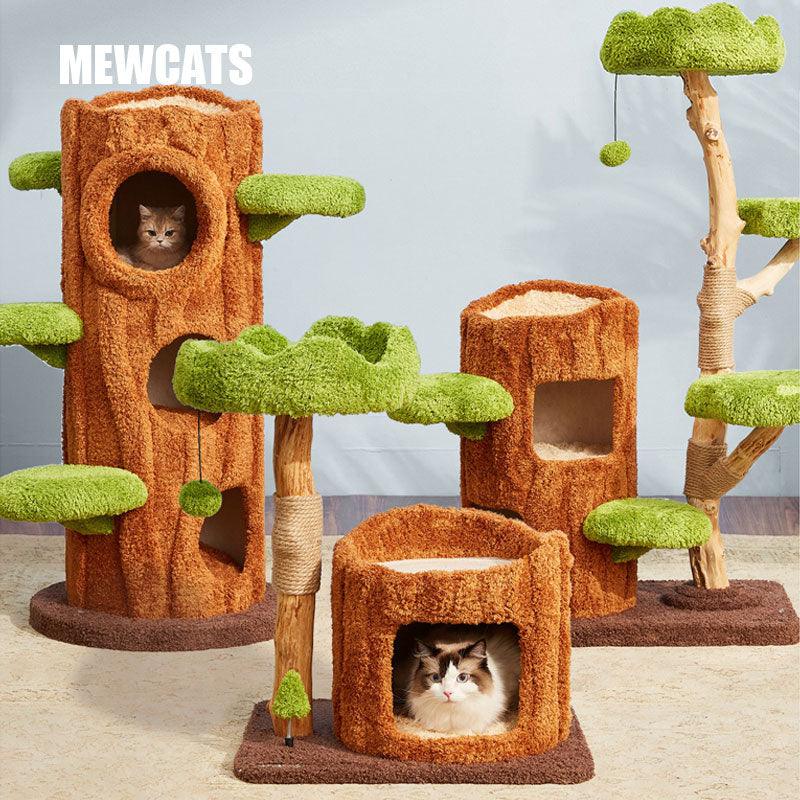
The shape of a cat tree or cat tower can vary greatly, and you’ll want to consider both aesthetics and functionality when choosing the right shape for your furry friend. Some structures feature a classic vertical design, with platforms and perches arranged in a ladder-like formation. Others may have a more unique and whimsical shape, with curves, tunnels, and cubbies for your cat to explore and hide in. The shape you choose will ultimately depend on your cat’s preferences and the overall style of your home.
Materials
When it comes to materials, look for cat trees and cat towers that are sturdy and made to withstand your cat’s climbing, scratching, and playing. Many structures are made from wood or engineered wood, offering durability and stability. Other options include carpeted surfaces, sisal rope or sisal fabric for scratching posts, and plush or faux fur for comfortable resting areas. Consider both the durability and the aesthetic appeal of the materials used in the construction of the cat tree or cat tower.
Functionality
Play Features
One of the primary functions of a cat tree or cat tower is to provide entertainment and stimulation for your furry friend. Look for structures that offer a variety of play features, such as dangling toys, hanging ropes, or interactive elements like tunnels or hideaway spots. These features will keep your cat engaged and active, helping to prevent boredom and provide mental stimulation.
Resting Areas
While play features are essential, equally important are the resting areas on a cat tree or cat tower. Cats love to lounge and nap, so make sure the structure you choose has comfortable and cozy resting spots. Look for platforms or perches with cushioned surfaces or plush bedding, ensuring your cat has a comfortable place to relax and observe their surroundings.
Scratching Posts
Cats have a natural instinct to scratch, so it’s important to choose a cat tree or cat tower that includes scratching posts. Look for structures with multiple scratching surfaces made from durable materials like sisal rope or fabric. This will help redirect your cat’s scratching behavior away from your furniture and onto a designated area, saving your upholstery from damage.
Stability and Durability
Weight Capacity
Stability and durability are crucial factors to consider when choosing a cat tree or cat tower. You’ll want to make sure the structure can support the weight of your cat, especially if you have a larger breed or multiple cats. Look for weight capacity specifications provided by the manufacturer to ensure the structure can safely accommodate your cat’s size and activity level.
Construction
The construction of a cat tree or cat tower is what determines its stability and longevity. Look for structures that are well-built and made with quality materials. Consider the use of strong and sturdy joints, secure platforms, and a solid base for added stability. Some structures even feature wall-mounting options for extra security and stability.
Longevity
Investing in a cat tree or cat tower is not only about immediate satisfaction but also long-term durability. Look for structures that are built to last, with high-quality materials and construction that can withstand your cat’s climbing, scratching, and playing over time. Consider reading customer reviews to get insight into the longevity of a particular cat tree or cat tower before making your decision.
Height and Accessibility
Number of Levels
The number of levels on a cat tree or cat tower can vary, and it’s important to consider how many levels will best suit your cat’s needs. Cats love to explore and climb, so having multiple levels allows for more vertical space and opportunities for exercise. Consider the activity level and preferences of your cat when choosing a structure with the appropriate number of levels.
Height of Platforms
The height of the platforms or perches on a cat tree or cat tower is also an important consideration. Cats love to climb and perch themselves up high to survey their surroundings, so having platforms at varying heights provides a sense of security and satisfaction. Look for structures with platforms that are at different heights to cater to your cat’s desire for vertical exploration.
Accessibility for Older Cats
If you have an older cat or a cat with mobility issues, it’s important to choose a cat tree or cat tower that is easily accessible for them. Look for structures with ramps or stair-like features that provide a less strenuous way for older cats to reach the higher levels. Additionally, consider structures with lower platforms or perches that allow for comfortable resting spots at a more accessible height.
Portability
Ease of Assembly
Portability is an important factor to consider, especially if you may need to move or store the cat tree or cat tower at any point. Look for structures that are easy to assemble and disassemble, with clear instructions provided by the manufacturer. This will make it easier for you to move the structure when needed, without compromising its stability or structural integrity.
Weight
The weight of a cat tree or cat tower can affect its portability. If you anticipate needing to move the structure frequently or if you have limited physical strength, consider opting for a lighter-weight option. However, keep in mind that lighter-weight structures may sacrifice some stability, so it’s important to find a balance between portability and durability.
Foldable or Disassemblable
Some cat trees or cat towers offer the convenience of being foldable or disassemblable. This feature can be particularly useful if you have limited storage space or if you need to transport the structure on a regular basis. Look for structures that can be easily folded or disassembled without compromising their stability or overall design.
Price
Typical Range
The price range for cat trees and cat towers can vary significantly, depending on factors such as size, materials used, and brand reputation. Small and basic cat trees can start at around $30, while larger, more elaborate structures can range from $100 to $500 or more. It’s important to consider your budget and the specific needs of your cat when determining a price range that works for you.
Factors Affecting Pricing
Several factors can affect the pricing of cat trees and cat towers. The size and complexity of the structure, the quality of materials used, and the brand reputation all play a role in determining the price. Additionally, cat trees or cat towers that offer unique features, such as built-in feeding stations or integrated litter boxes, may come at a higher cost. Consider the features and benefits that are important to you and your cat when evaluating the pricing options.
Value for Money
While price is an important consideration when choosing a cat tree or cat tower, it’s equally important to assess the overall value for money. Look for structures that offer a good balance between price and quality, ensuring that you’re getting a durable and functional product that will meet your cat’s needs in the long run. Consider reading customer reviews and seeking recommendations to gauge the value for money of a particular cat tree or cat tower.
Space Requirements
Floor Space
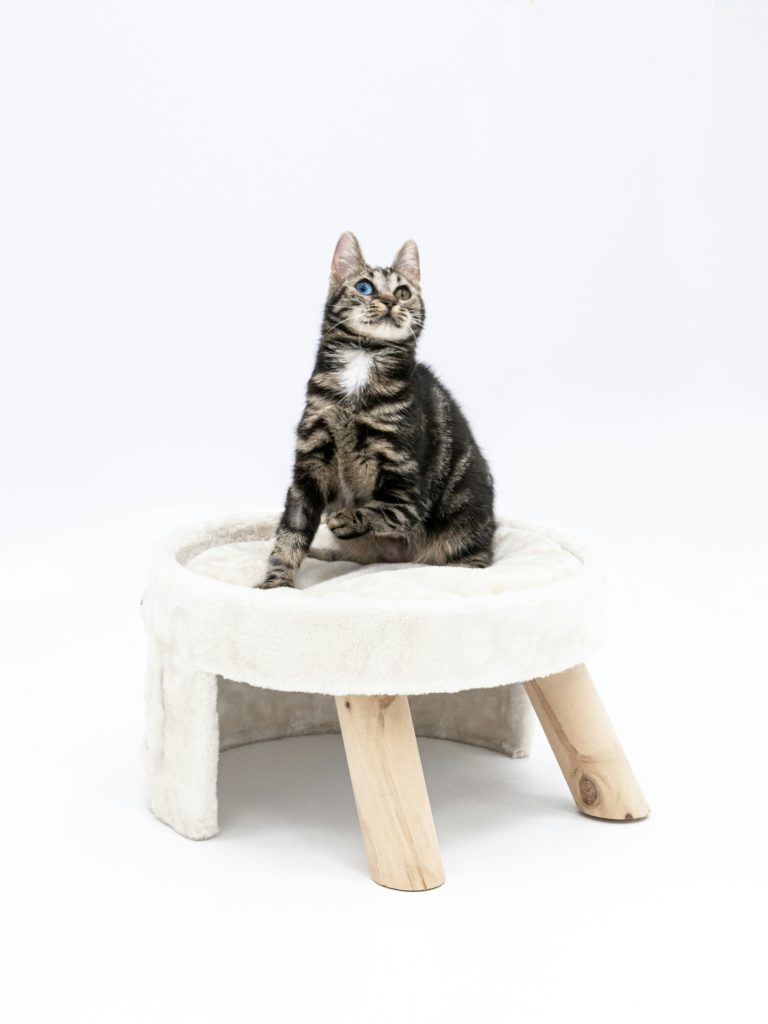
The floor space available in your home is a crucial factor to consider when choosing a cat tree or cat tower. Measure the space where you plan to place the structure to ensure it will fit comfortably without obstructing walkways or furniture. Additionally, consider any other furniture or features in the area, such as windows or doors, that may impact the placement of the cat tree or cat tower.
Ceiling Height
The height of your ceilings is an important consideration, especially if you are considering taller cat trees or cat towers. Measure the height of your ceilings and compare it to the specifications provided by the manufacturer to ensure that the structure will fit within your space without causing any potential hazards.
Placement Options
Consider the placement options available to you when choosing a cat tree or cat tower. Some structures are designed to be placed against a wall or in a corner, while others may be freestanding and can be placed anywhere in the room. Assess your space and determine the most suitable placement option for your cat’s comfort and your home’s aesthetics.
Customization
Add-on Accessories
Some cat trees and cat towers offer the option to customize and enhance the structure with add-on accessories. These accessories can include additional scratching posts, hanging toys, or even hammocks for your cat’s enjoyment. Consider structures that allow for customization, as it provides the flexibility to adapt the cat tree or cat tower to your cat’s changing preferences and needs.
Modularity
Modularity is another aspect to consider when it comes to customization. Some cat trees or cat towers feature modular designs, allowing you to rearrange or add sections to create a unique and personalized structure for your cat. This adaptability is particularly useful for those who have multiple cats with different preferences or for cat owners who like to switch things up from time to time.
Personalization
Personalization goes beyond functionality and can include options to match your home decor or reflect your personal style. Look for cat trees or cat towers that offer a variety of designs, colors, and patterns to choose from. This allows you to find a structure that not only meets your cat’s needs but also complements your home’s aesthetic appeal.
Aesthetics
Variety of Designs
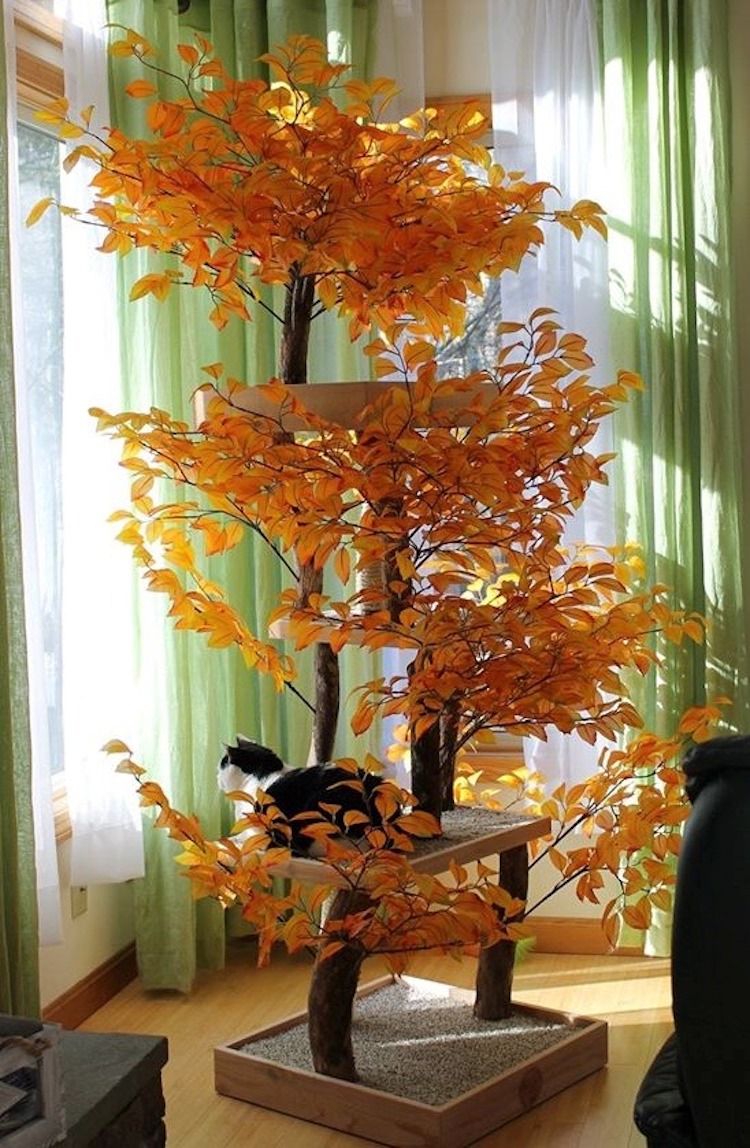
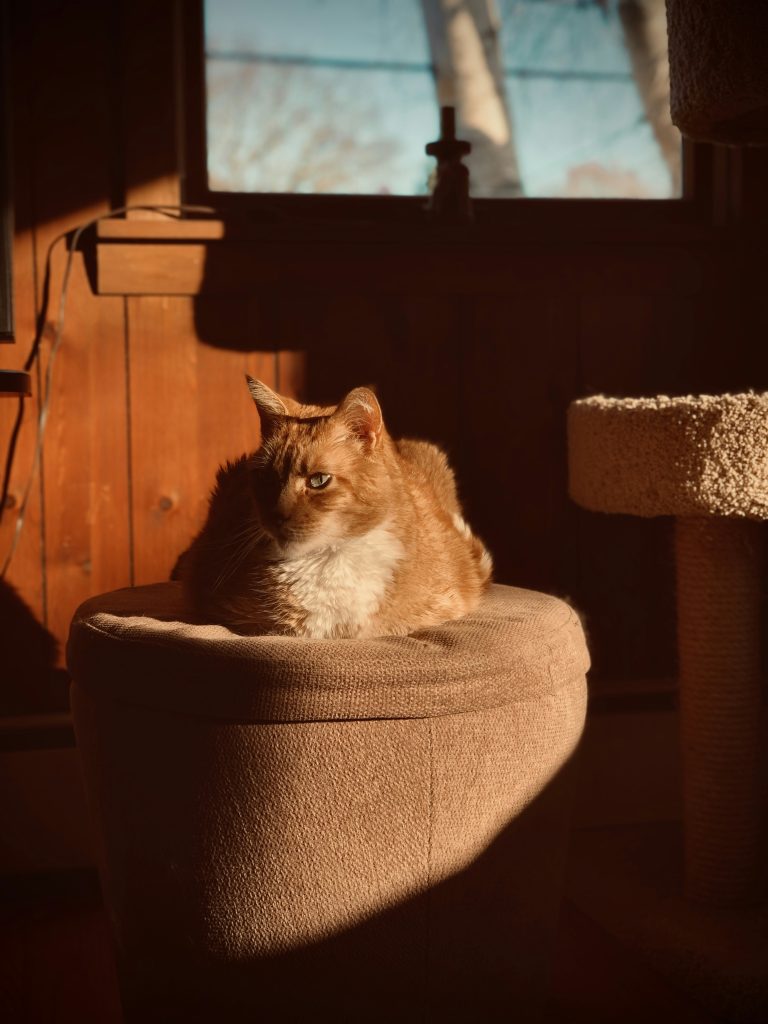
Cat trees and cat towers come in a wide range of designs, allowing you to find one that suits your personal style and blends seamlessly with your home decor. From sleek and modern designs to more whimsical and playful options, there’s a cat tree or cat tower to suit every taste. Consider the overall aesthetic of your home and choose a design that complements your existing furniture and decor.
Colors and Patterns
In addition to design, consider the colors and patterns available for cat trees and cat towers. Some structures offer a variety of color options, allowing you to choose a cat tree or cat tower that matches or complements your home’s color scheme. Other structures may feature fun patterns or prints, adding a touch of personality and fun to your cat’s play area.
Matching Home Decor
If maintaining a cohesive aesthetic is important to you, consider cat trees or cat towers that are specifically designed to match your home decor. Some manufacturers offer structures that blend seamlessly with existing furniture or have options for customizable fabric covers, allowing you to create a cohesive and stylish look in your home.
User Reviews
Benefits of Cat Trees
Cat trees and cat towers offer numerous benefits for both cats and their owners. They provide an outlet for natural feline behaviors such as climbing, scratching, and exploring. Cat trees and cat towers also provide cats with a sense of territory and security, promoting their overall well-being and reducing stress. Additionally, these structures can help minimize damage to furniture by redirecting scratching behavior to designated areas.
Pros and Cons of Cat Towers
Cat towers offer several advantages, such as providing cats with vertical space for exercise and play, promoting healthy scratching habits, and offering comfortable resting spots. They also give cats a sense of security and territory, which can be beneficial for their overall behavior and mental wellness. However, some cat towers may take up a significant amount of floor space and may require assembly, which can be challenging for some individuals.
Customer Satisfaction
When it comes to customer satisfaction, cat trees and cat towers have a strong track record. Many cat owners are pleased with the functionality, durability, and aesthetics of these structures. They appreciate the entertainment and stimulation they provide for their cats, as well as the peace of mind knowing their feline friend has a safe and dedicated space to play, rest, and scratch. It is important to read customer reviews and consider the experiences of others when choosing a cat tree or cat tower to ensure customer satisfaction.