Are you a cat owner in need of the perfect piece of furniture that will keep your feline friend entertained and give them a place to scratch? Look no further! This article is all about cat trees with scratching posts, specifically designed to meet your cat’s needs. With the information provided on this site, you’ll gain a deeper understanding of cat trees and their benefits, especially those equipped with scratching posts. Get ready to discover the best options to enhance your cat’s playtime and keep your furniture scratch-free!
Benefits of Cat Trees with Scratching Posts
Provides exercise for your cat
Cat trees with scratching posts offer multiple opportunities for your cat to stretch, climb, and jump, providing much-needed exercise. Cats are natural explorers and climbers, and having a cat tree allows them to engage in these behaviors while indoors. This helps to keep them active and maintain a healthy weight. By encouraging physical activity, cat trees can also reduce the risk of obesity and related health issues in your furry friend.
Helps prevent destructive scratching
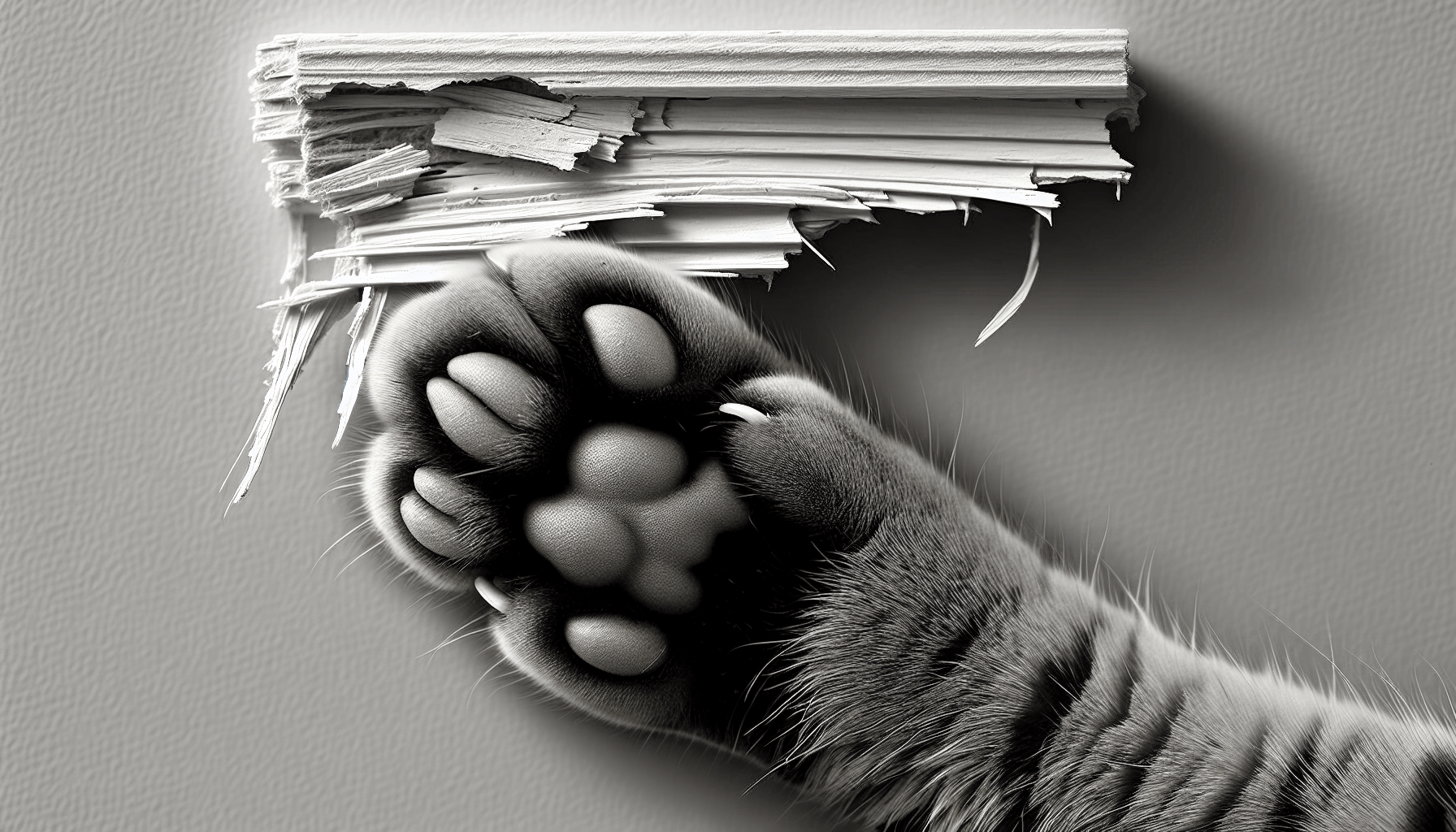
Destructive scratching is a common issue among cats, often causing damage to furniture, rugs, and other household items. However, cat trees with scratching posts can redirect your cat’s natural urge to scratch onto a more appropriate and designated surface. The rough texture of the scratching posts provides a satisfying outlet for your cat’s instinct to scratch, helping to protect your belongings from their sharp claws.
A designated space for your cat’s needs
Cat trees with scratching posts offer a designated space for your cat’s various needs. They provide a comfortable and elevated space for your feline friend to relax, observe their surroundings, and establish their territory. Additionally, cat trees often come with perches, hiding spots, and toys, which can provide mental stimulation and entertainment for your cat. Having a dedicated space for their needs helps to create a sense of security and promotes overall well-being.
Choosing the Right Cat Tree
Consider your cat’s size and weight
When choosing a cat tree, it’s important to consider your cat’s size and weight. Opt for a cat tree that can comfortably accommodate your cat’s size and provide enough space for them to climb and stretch. Ensure that the platforms and perches are sturdy enough to support your cat’s weight without wobbling or tipping over.
Number and placement of scratching posts
The number and placement of scratching posts are crucial factors to consider. Cats have individual preferences when it comes to scratching surfaces and angles. Look for a cat tree that offers multiple scratching posts of varying heights and orientations. This will allow your cat to find their preferred scratching spot and decrease the likelihood of them seeking alternatives.
Stability and durability of the cat tree
A stable and durable cat tree is essential for the safety and longevity of your investment. Check for a sturdy base, strong construction materials, and secure fastenings. If the cat tree wobbles or feels flimsy when touched, it may not withstand the enthusiastic activities of your cat. Investing in a well-built and durable cat tree ensures it can withstand the test of time and provide a safe environment for your furry friend.
Additional features such as perches and hiding spots
While scratching posts are an important feature, consider additional features that can enhance your cat’s experience. Look for cat trees with perches, platforms, and hiding spots. These features provide your cat with different levels of elevation, allowing them to fulfill their natural climbing and observing instincts. Hiding spots can also provide a sense of security and a cozy resting place for your feline companion.
Materials Used in Cat Trees
Wooden cat trees
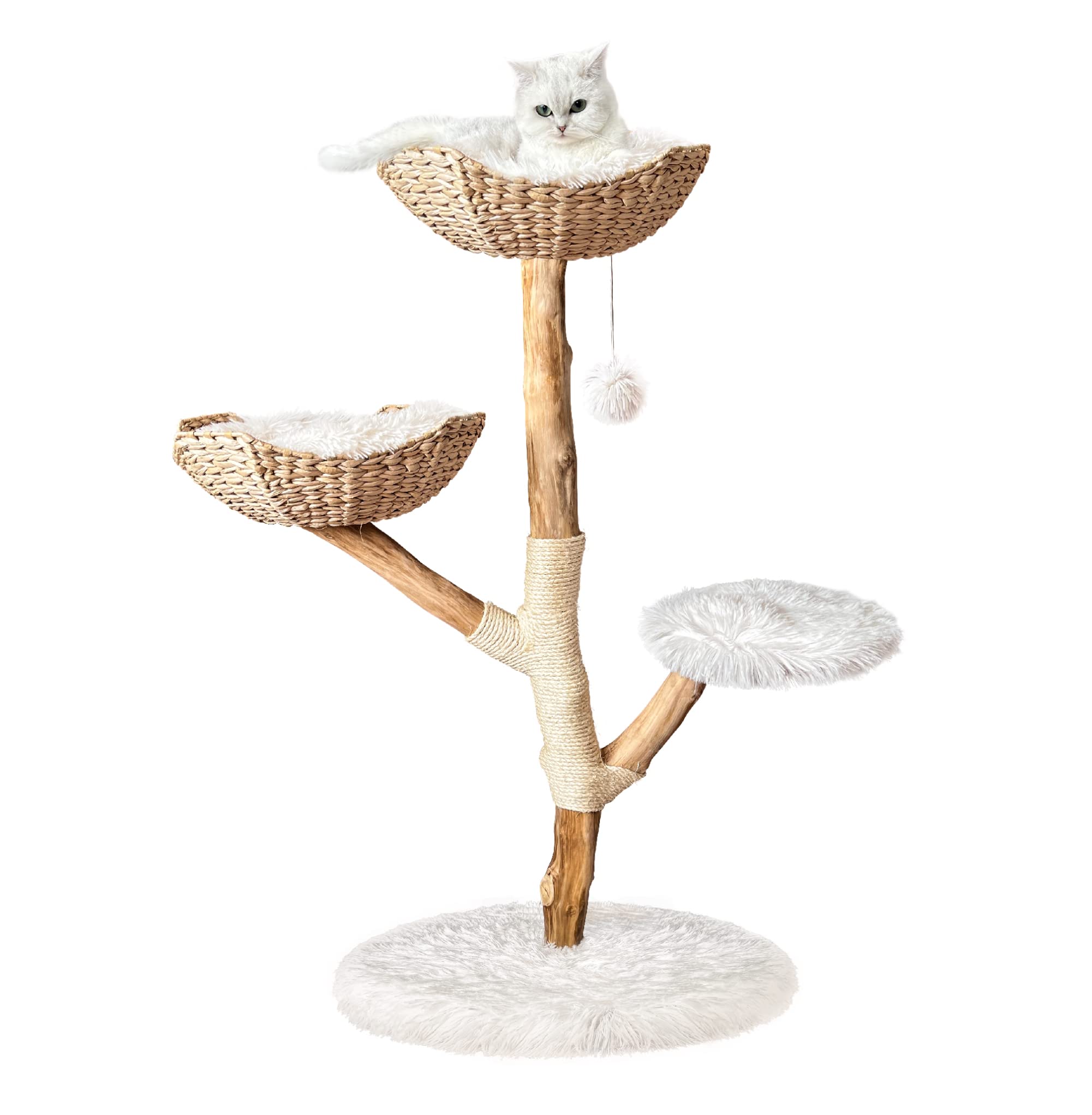
Wooden cat trees offer a sturdy and natural option for your cat’s climbing and scratching needs. They often have a solid construction and can be aesthetically pleasing in your home. However, keep in mind that not all wooden cat trees have scratching posts, so ensure the one you choose meets your cat’s scratching requirements.
Carpeted cat trees
Carpeted cat trees provide a soft and comfortable surface for your cat to relax and scratch on. The carpet material is suitable for scratching, mimicking the texture of tree bark. However, it’s important to note that carpeted surfaces may accumulate dirt and allergens more easily, requiring regular cleaning.
Sisal rope scratching posts
Sisal rope scratching posts are a popular choice due to their durability and texture. Sisal is a natural fiber that is resistant to fraying and provides an enticing texture for cats to scratch on. Cat trees with sisal rope scratching posts offer a long-lasting and satisfying scratching experience for your feline companion.
Faux fur-covered platforms
Faux fur-covered platforms offer a plush and comfortable space for your cat. The soft texture of the fur provides a cozy resting spot, ideal for cat naps. However, it’s important to choose a cat tree with high-quality faux fur that is easy to clean and resistant to shedding.
Different Styles of Cat Trees
Traditional floor-to-ceiling cat trees
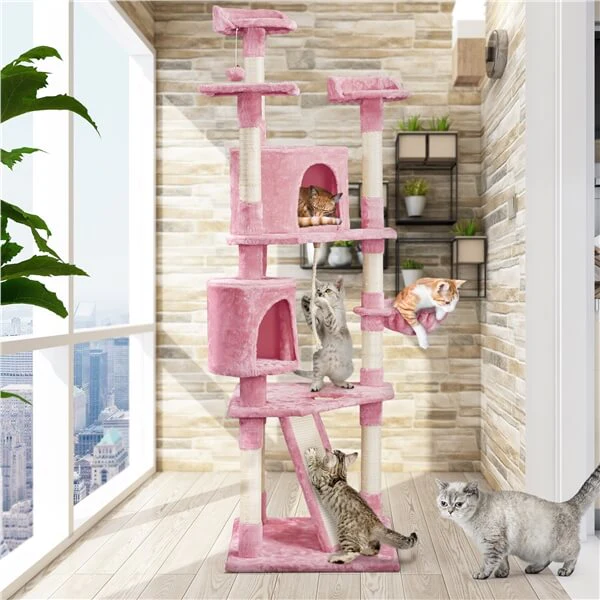
Traditional floor-to-ceiling cat trees are freestanding structures that extend from the floor to the ceiling. These cat trees are ideal for households with ample floor space and high ceilings. They often feature multiple tiers, providing various levels of elevation for your cat to explore.
Compact and space-saving cat trees
Compact and space-saving cat trees are perfect for smaller living spaces or if you prefer a more minimalist design. These cat trees are designed to fit into confined areas without compromising on functionality. They typically have a smaller footprint while still offering scratching posts and perches for your cat’s enjoyment.
Corner cat trees
Corner cat trees are specifically designed to fit into corners, utilizing space that would otherwise go unused. They are a great option if you want to maximize floor space and provide vertical climbing opportunities for your cat. Corner cat trees often have a triangular or L-shaped design, providing scratching posts and perches on multiple sides.
Modular and customizable cat trees
Modular and customizable cat trees allow you to create a personalized climbing and scratching experience for your cat. These cat trees typically consist of individual components that can be rearranged, added, or removed according to your cat’s preferences. This flexibility allows you to cater to your cat’s changing needs and adapt the cat tree to your living space.
Assembly and Maintenance Tips
Follow the instructions carefully
When assembling your cat tree, it’s important to carefully follow the provided instructions. Each cat tree may have specific assembly steps and requirements, and deviating from these instructions can lead to instability or safety issues. Take your time to understand the instructions and ensure that all components are assembled correctly.
Ensure all parts are securely fastened
Before allowing your cat to use the cat tree, double-check that all parts are securely fastened. Check the stability of the base, perches, and any attached accessories. Tighten any loose screws or connections to prevent accidents or potential damage to the cat tree.
Regularly check and tighten screws
Cat trees can experience wear and tear over time with regular use. To maintain stability and ensure your cat’s safety, it’s important to regularly inspect and tighten screws or fastenings. This proactive approach can prevent any potential accidents caused by loose components.
Keep the cat tree and scratching posts clean
Regular cleaning of the cat tree and scratching posts is essential to maintain hygiene and prevent the buildup of dirt, hair, or odors. Use a vacuum or a pet-friendly brush to remove loose hair from carpeted surfaces. For wooden or faux fur-covered surfaces, wipe them down with a pet-safe cleaner. Regular maintenance ensures a clean and inviting space for your cat.
Introducing Your Cat to the New Cat Tree
Place the cat tree in a preferred area
Choose a location for the cat tree that your cat already enjoys spending time in, such as near a window or in a frequently visited room. By placing the cat tree in a familiar and preferred area, you enhance the likelihood of your cat using and exploring it willingly.
Sprinkle catnip or use pheromone sprays
Catnip can be a powerful attractant for cats and can encourage them to engage with the cat tree. Sprinkle a small amount of catnip on and around the cat tree to entice your cat. Alternatively, you can use pheromone sprays specifically designed to create a calming and inviting environment for your cat.
Encourage your cat to explore and play
Gently encourage your cat to explore the cat tree by using their favorite toys or treats. Place toys or treats on different levels of the cat tree, enticing your cat to climb and investigate. Avoid forcing your cat onto the cat tree, as this may cause them to become fearful or anxious.
Reward and praise your cat’s interactions
Positive reinforcement is a powerful tool for training cats. Whenever your cat interacts with or uses the cat tree, offer praise, and rewards. This helps to establish positive associations with the cat tree and encourages your cat to continue using it in the future.
Training Your Cat to Use the Scratching Posts
Make the scratching posts enticing
To encourage your cat to use the scratching posts on the cat tree, make them enticing and appealing. Sprinkle some catnip on the scratching posts to attract your cat’s attention. You can also gently guide their paws onto the posts and reward them when they show interest or engage in scratching behavior.
Redirect your cat’s scratching behavior
If your cat continues to scratch furniture or other inappropriate surfaces, redirect their behavior to the scratching posts on the cat tree. Interrupt the undesired scratching by clapping your hands or using a gentle voice cue to get their attention. Once you have their attention, guide them to the cat tree and encourage them to use the scratching posts instead.
Use positive reinforcement
As with introducing your cat to the cat tree, positive reinforcement is key to training them to use the scratching posts. When your cat utilizes the scratching posts on the cat tree, offer praise, and rewards to reinforce the desired behavior. Over time, your cat will associate the scratching posts on the cat tree with positive experiences and will be more likely to use them.
Discourage destructive scratching elsewhere
If your cat persists in scratching furniture or other inappropriate surfaces, use deterrents to discourage this behavior. Cover the targeted areas with double-sided tape or aluminum foil, as these textures often deter cats from scratching. Additionally, provide alternative scratching options, such as individual scratching posts or mats, in areas where your cat tends to scratch inappropriately.
Alternatives to Cat Trees with Scratching Posts
Individual scratching posts or boards
If space or budget constraints prevent you from getting a full-sized cat tree, individual scratching posts or boards can be a suitable alternative. These standalone options provide a dedicated scratching surface for your cat and can be placed in various locations around your home. They are typically compact and easy to assemble.
Scratching pads and mats
Scratching pads and mats offer a flat surface for your cat to scratch on. They are often made of sisal or cardboard and can be placed on the floor or mounted on walls. Scratching pads and mats are a cost-effective alternative to cat trees and provide a satisfying scratching experience for your cat.
Wall-mounted scratching surfaces
Wall-mounted scratching surfaces are a space-saving option that allows your cat to scratch vertically. These surfaces can be mounted at different heights, providing vertical scratching opportunities without taking up valuable floor space. Wall-mounted scratching surfaces can also double as decorative elements in your home.
Cat scratching furniture protectors
If your cat tends to scratch specific pieces of furniture, investing in furniture protectors can help safeguard your belongings. These protectors are adhesive and can be applied directly to the areas your cat targets for scratching. The protectors provide a barrier between your furniture and your cat’s claws, minimizing potential damage.
Cat Trees with Scratching Posts for Multiple Cats
Consider the number of platforms and perches
When choosing a cat tree for multiple cats, consider the number of platforms and perches it offers. Ensure that there are enough elevated spaces for each cat to have their own resting spot. Having multiple levels allows each cat to establish their territory and reduces the likelihood of conflicts.
Ensure enough scratching posts for each cat
In a multi-cat household, it’s important to provide enough scratching posts for each cat. Cats may have different preferences when it comes to scratching surfaces or angles. Having multiple scratching posts on the cat tree allows each cat to find their preferred spot and reduces the likelihood of competition or territorial disputes.
Observe and manage any territorial issues
Introducing a cat tree to a multi-cat household may trigger territorial behaviors or conflicts. It’s important to closely observe your cats’ interactions and intervene if necessary. If you notice any signs of aggression or tension, consider providing separate cat trees or rearranging the components of the cat tree to create distinct spaces for each cat.
Allow separate spaces and hideouts
In addition to the cat tree, it’s crucial to provide separate spaces and hideouts for each cat. This can be achieved through additional cat trees, hiding boxes, or dedicated resting areas. Separation allows each cat to have their own space when needed and promotes harmony in a multi-cat environment.
Where to Buy Cat Trees with Scratching Posts
Pet supply stores
Many pet supply stores, both brick-and-mortar and online, carry a wide selection of cat trees with scratching posts. These stores often have a variety of sizes, styles, and price ranges to suit your preferences and budget. Visiting a pet supply store allows you to see and feel the cat trees in person before making a purchase.
Online retailers and marketplaces
Online retailers and marketplaces provide a convenient way to browse and purchase cat trees with scratching posts from the comfort of your home. Websites like Amazon, Chewy, and Wayfair offer a vast selection of cat trees with customer reviews to help you make an informed decision. Be sure to read product descriptions, check dimensions, and compare prices before finalizing your purchase.
Local craftsmen and cat tree builders
If you prefer a custom-made cat tree or want a specific design, consider reaching out to local craftsmen or cat tree builders. These individuals can create a cat tree tailored to your specifications, ensuring it meets your cat’s needs and complements your home decor. Local pet stores or online directories may have listings for such craftsmen in your area.
Adopting used or rehomed cat trees
Another option to consider is adopting a used or rehomed cat tree. Many pet owners may no longer require their cat tree and may be willing to sell or give it away at a discounted price. Check online classifieds, local animal shelters, or pet-related social media groups for opportunities to acquire a cat tree that would otherwise go to waste. Just be sure to thoroughly inspect the used cat tree for stability and cleanliness before bringing it into your home.
In conclusion, cat trees with scratching posts offer numerous benefits for both you and your cat. They provide exercise, prevent destructive scratching, and create a designated space for your cat’s needs. When choosing a cat tree, consider factors such as size, scratching posts, stability, and additional features. Wooden, carpeted, sisal rope, and faux fur-covered cat trees are all popular options. Different cat tree styles, such as floor-to-ceiling, compact, corner, and modular, cater to various preferences and living spaces. Proper assembly, maintenance, and introducing your cat to the new cat tree are crucial for a successful experience. Training your cat to use the scratching posts requires patience, positive reinforcement, and redirecting undesired behaviors. If a cat tree is not feasible, alternatives such as individual scratching posts or boards, scratching pads, wall-mounted surfaces, or furniture protectors can meet your cat’s scratching needs. In a multi-cat household, consider the number of platforms and scratching posts, observe territorial behaviors, and provide separate spaces and hideouts. Cat trees with scratching posts can be purchased from pet supply stores, online retailers, local craftsmen, or by adopting used or rehomed cat trees. With the right cat tree, you can provide your feline friend with a stimulating and enjoyable environment while preserving your furniture and belongings.