You love your feline friend and want to provide them with the ultimate lounging experience. But with so many options out there, how do you choose the right cat tree that they will actually enjoy? In this article, we will explore the fascinating world of assessing a cat’s behavior and preferences when it comes to choosing the perfect cat tree. By understanding their natural instincts and individual preferences, you can ensure that your furry companion has a cozy and personalized space to call their own. So, get ready to discover the secrets behind your cat’s tree-topping desires!
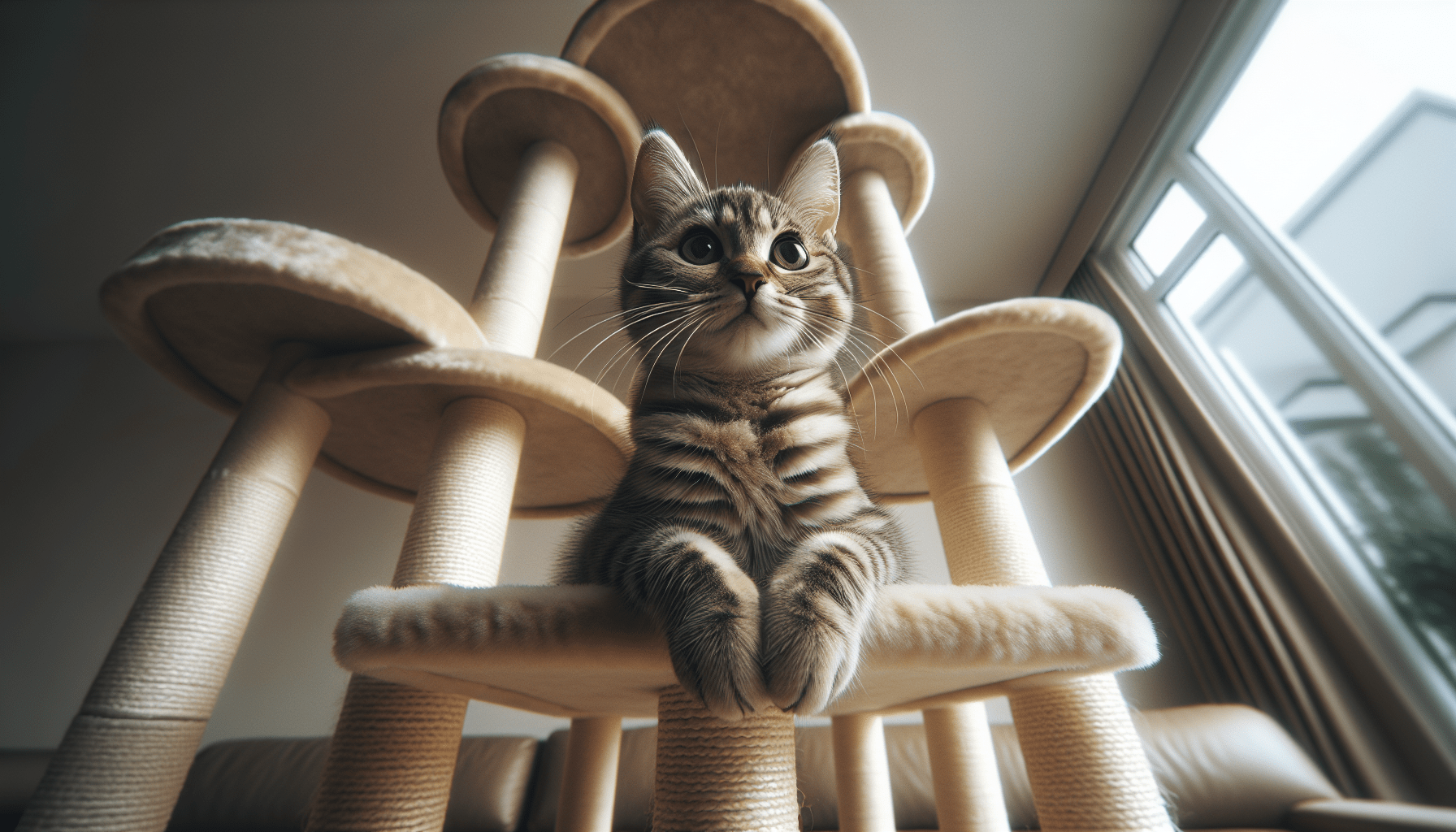
This image is property of moderncat.com.
Understanding the Importance of Choosing the Right Cat Tree
Creating a Safe and Enriching Environment for Your Cat
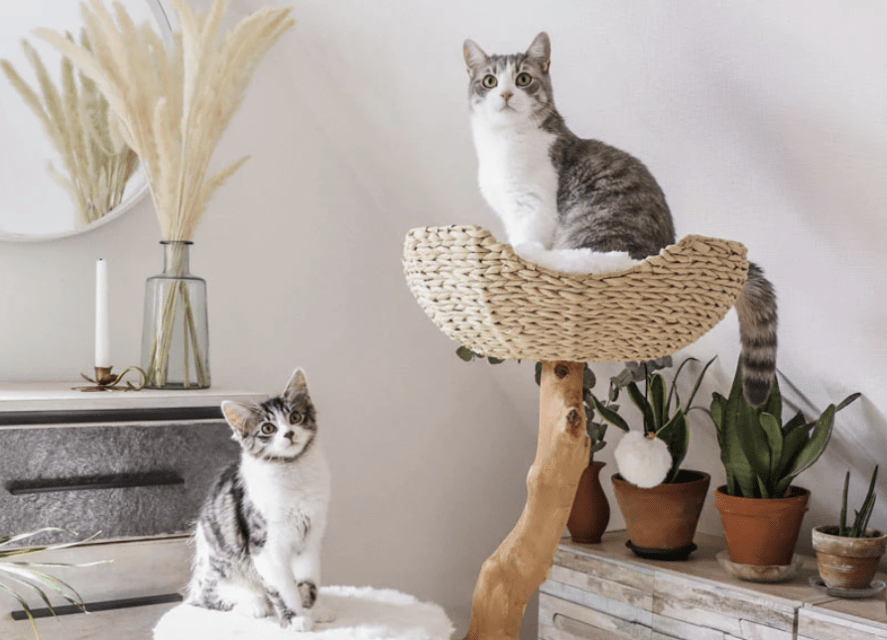
As a cat owner, it is essential to provide your furry friend with a safe and enriching environment. One way to achieve this is by choosing the right cat tree. A cat tree serves as a multifunctional piece of furniture that offers a variety of benefits for your cat’s well-being. It provides them with a designated space to climb, play, scratch, rest, and observe their surroundings. By having a cat tree, you can create a safe and enriching environment that meets your cat’s natural instincts and needs.
Promoting Physical and Mental Stimulation
Cats are natural climbers, and providing them with a cat tree helps satisfy their need for vertical space. Climbing and jumping on a cat tree allows them to exercise, stretch their muscles, and maintain a healthy weight. Additionally, a cat tree encourages mental stimulation as it provides various levels and platforms for your cat to explore. By engaging in physical and mental activities, your cat can reduce boredom, release excess energy, and prevent behavioral issues caused by pent-up frustration.
Preventing Destructive Behavior
Ever come home to find your furniture scratched and shredded? Cats have a natural urge to scratch, and if they don’t have an appropriate outlet, they may resort to destructive behavior. By providing a cat tree with scratching surfaces, you can redirect their natural instinct to scratch away from your furniture. Scratching posts on a cat tree also help to keep your cat’s claws healthy and allow them to mark their territory, reducing the likelihood of them engaging in destructive scratching behavior.
Evaluating Your Cat’s Behavior and Preferences
Observing Your Cat’s Daily Activities
To choose the right cat tree, it is crucial to understand your cat’s behavior and preferences. Spend time observing your cat’s daily activities to gain insight into their preferences. Take note of activities such as climbing on furniture, perching on high surfaces, and scratching on various objects. Through observation, you can determine what types of features your cat gravitates towards and incorporate those aspects into their cat tree.
Taking Note of Preferred Sleeping Spots
Cats are known for their love of cozy napping spots. Take note of where your cat tends to sleep and rest throughout the day. Some cats prefer elevated platforms where they can survey their surroundings, while others enjoy snug, enclosed spaces. By understanding your cat’s preferred sleeping spots, you can choose a cat tree that offers suitable options for them to relax and unwind.
Identifying Scratching Behaviors
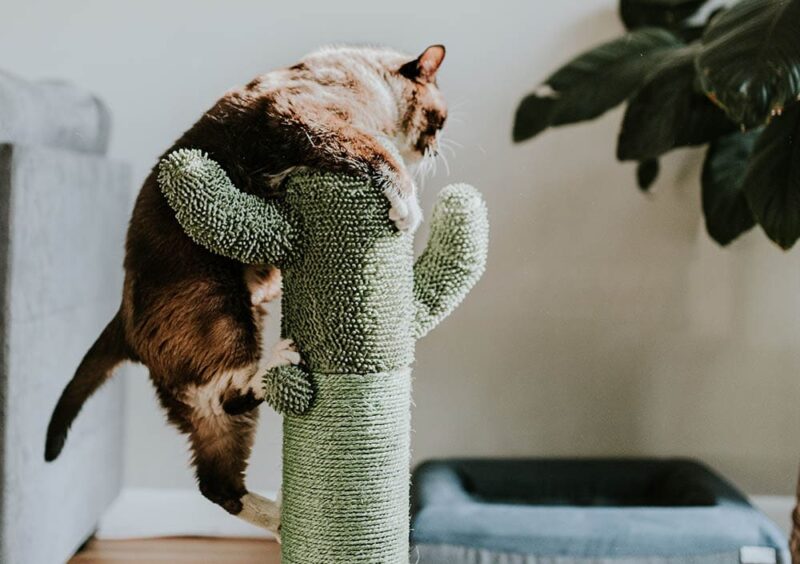
Scratching is a natural behavior for cats, but different cats have varying preferences for scratching surfaces. Some cats prefer vertical surfaces, while others prefer horizontal ones. Observe your cat’s scratching behaviors and note the surfaces they are drawn to. This information will help you select a cat tree with scratching surfaces that cater to your cat’s preferences, reducing the likelihood of them using other household items for scratching.
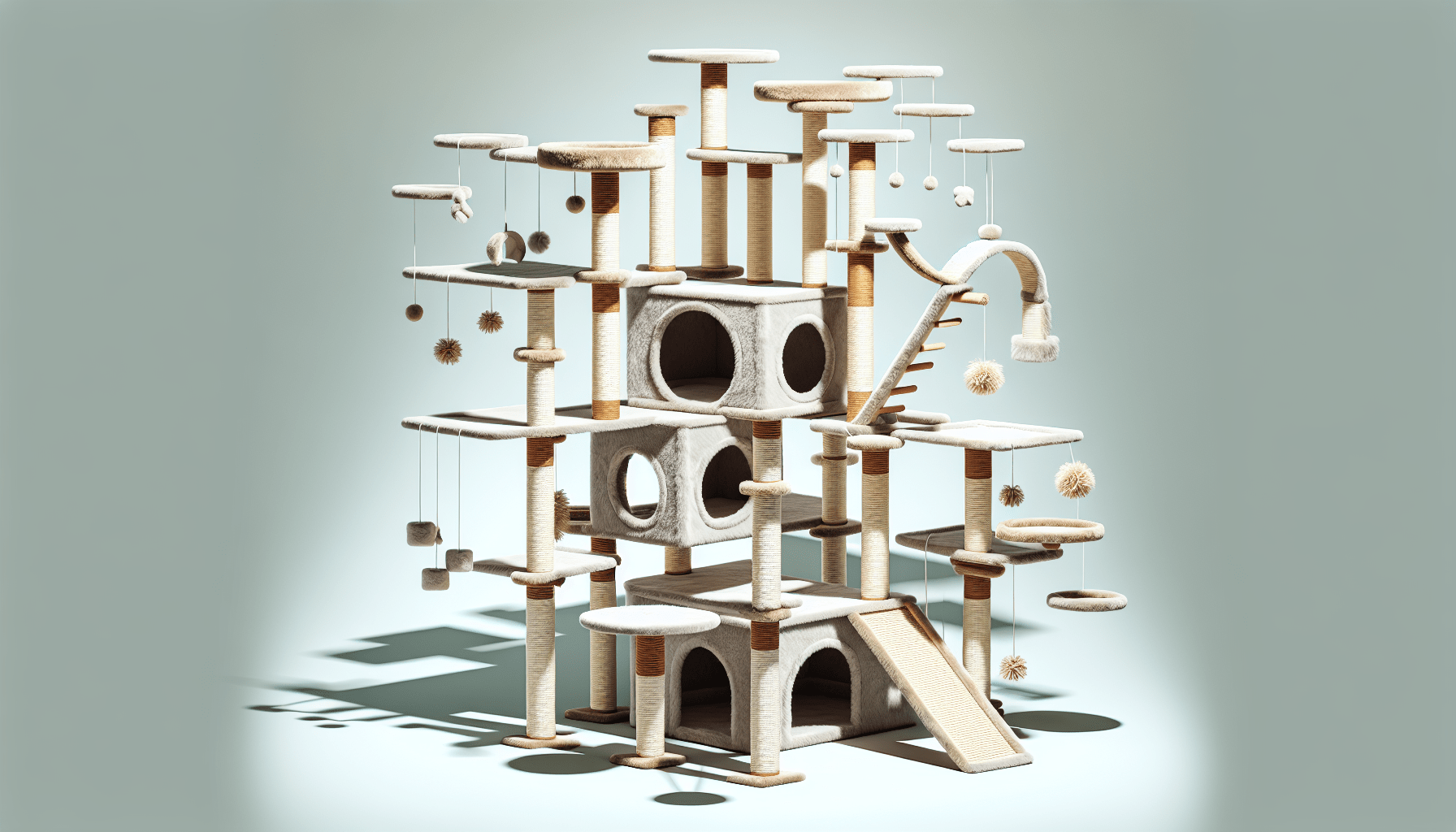
This image is property of www.catster.com.
Considering Your Cat’s Specific Needs
Assessing Your Cat’s Age and Size
When choosing a cat tree, it is important to consider your cat’s age and size. A young and active kitten may require a cat tree with multiple levels and platforms to provide them with ample space for play and exploration. On the other hand, an older or less agile cat may benefit from a cat tree with lower platforms and easy access to perches. Be sure to select a cat tree that can accommodate your cat’s size and provide them with a comfortable and safe environment.
Recognizing Any Physical Limitations
Just like humans, cats may have physical limitations or health conditions that require careful consideration. For example, a cat with arthritis may need a cat tree with easy-to-reach platforms and ramps to minimize jumping and climbing. Cats with mobility issues may require a cat tree with additional support or stability. Always take into account any physical limitations your cat may have and choose a cat tree that suits their specific needs.
Understanding Your Cat’s Personality
Every cat has a unique personality, and their preferences can vary greatly. Some cats enjoy being the king of their domain, perching on high platforms and observing their surroundings. Others may be more introverted, preferring enclosed spaces or hidden corners. Take into consideration your cat’s personality when selecting a cat tree. By choosing one that aligns with their personality, you can provide them with a comfortable and enjoyable space that suits their temperament.
Choosing the Right Size and Height
Determining the Available Space in Your Home
Before purchasing a cat tree, you must assess the available space in your home. Cat trees come in various sizes, and it is essential to select one that fits comfortably within the designated area. Measure the height, width, and depth of the space where you intend to place the cat tree. This will ensure that the cat tree you choose is a perfect fit and does not obstruct walkways or other furniture in your home.
Considering the Number of Cats in Your Household
If you have multiple cats, it is important to consider their needs when selecting a cat tree. Each cat should have enough space to climb, play, and rest comfortably without feeling overcrowded. Look for cat trees with multiple levels, platforms, and resting spots that can accommodate the number of cats in your household. This will promote a harmonious living environment and prevent territorial disputes among your feline friends.
Selecting a Height Suitable for Climbing and Jumping
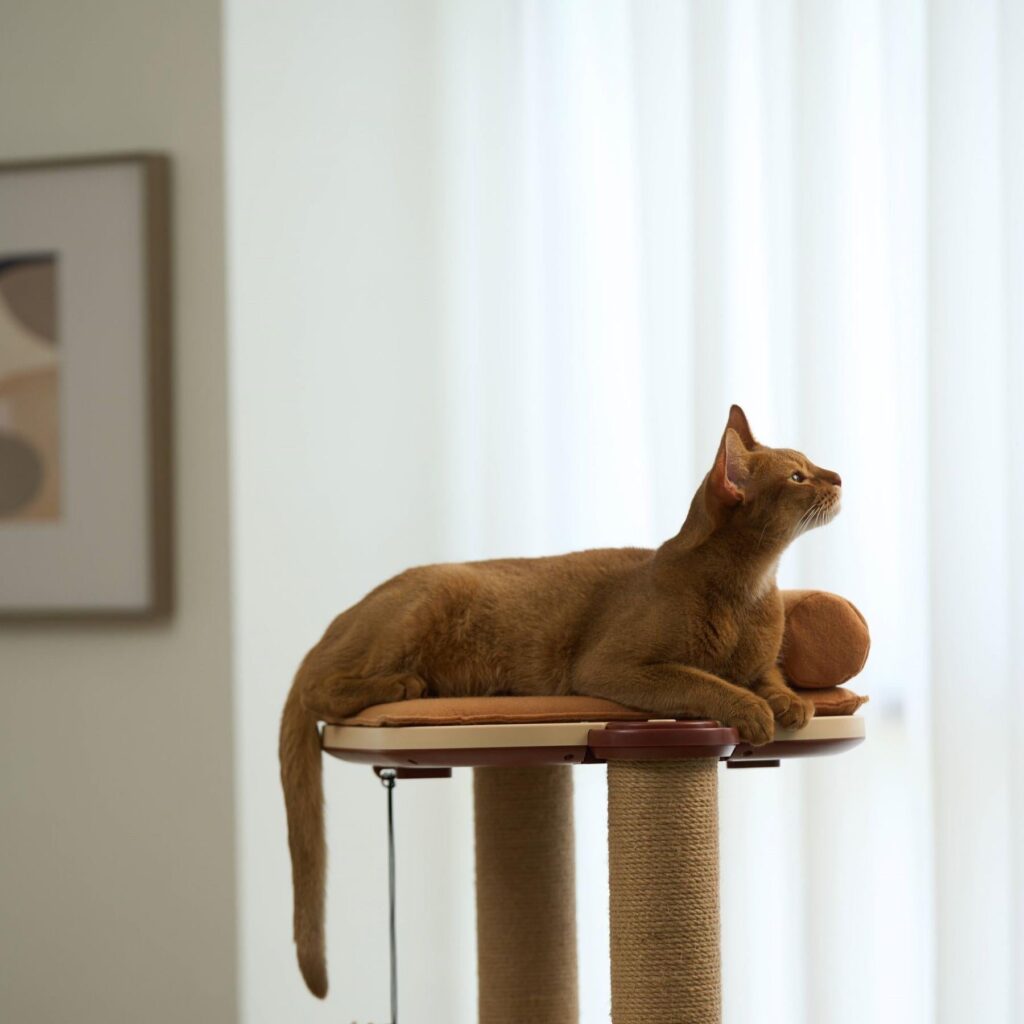
Cats love heights, so it’s important to choose a cat tree that provides them with ample climbing and jumping opportunities. Cats enjoy perching on high platforms where they can observe their surroundings and feel safe. Consider the height of the cat tree and select one that allows your cat to reach their desired vantage points easily. A taller cat tree with various levels and platforms will cater to your cat’s natural instincts and provide them with the vertical space they crave.
This image is property of petlibro.com.
Examining the Materials and Construction
Checking for Sturdiness and Stability
Cat trees should be durable and sturdy to withstand your cat’s active play and climbing behaviors. Before making a purchase, check the construction of the cat tree thoroughly. Look for solid materials, secure attachments, and a stable base that won’t tip over easily. A wobbly or unstable cat tree can be dangerous for your cat and may lead to accidents or injuries. Choose a cat tree that is well-built and can withstand the wear and tear of daily use.
Opting for Cat-Friendly Materials
The materials used in the construction of the cat tree are important considerations. Cats have sensitive paws, so it is crucial to choose materials that are safe and comfortable for them. Look for cat trees with surfaces covered in cat-friendly materials such as sisal rope, carpet, or natural wood. These materials provide ideal scratching surfaces and are gentle on your cat’s paws. Avoid cat trees with rough or abrasive materials that could cause discomfort or irritation to your feline friend.
Avoiding Small and Detachable Parts
Safety should always be a top priority when choosing a cat tree. Avoid cat trees with small or detachable parts that could pose a choking hazard to your cat. Cats are curious creatures and may attempt to chew or swallow small parts, leading to potential health risks. Additionally, ensure that there are no sharp edges or exposed nails that could cause injury to your cat. A well-designed cat tree with secure and durable components will provide a safe and enjoyable experience for your furry friend.
Exploring Different Cat Tree Designs
Understanding the Different Types of Cat Trees
Cat trees come in a myriad of designs and styles to suit various preferences and home aesthetics. Understanding the different types of cat trees will help you make an informed decision. There are traditional cat trees that feature multiple levels, platforms, and scratching posts. Wall-mounted cat trees are perfect for those with limited floor space as they are attached to walls and offer vertical climbing opportunities. Cat trees with hiding spots or enclosed spaces provide a cozy retreat for cats seeking privacy. Familiarize yourself with the different designs available and choose one that aligns with your cat’s needs and your personal taste.
Considering the Layout and Configuration Options
Cat trees can vary in their layout and configuration. Some cat trees have a more compact and vertical design, while others are horizontally expansive with various levels and platforms. Consider the available space in your home and the preferences of your cat when choosing the layout. Determine whether your cat would prefer a more climbing-focused design or one with ample lounging areas. The layout and configuration of the cat tree will contribute to your cat’s overall enjoyment and utilization of the furniture.
Choosing Between Carpeted or Sisal-Covered Surfaces
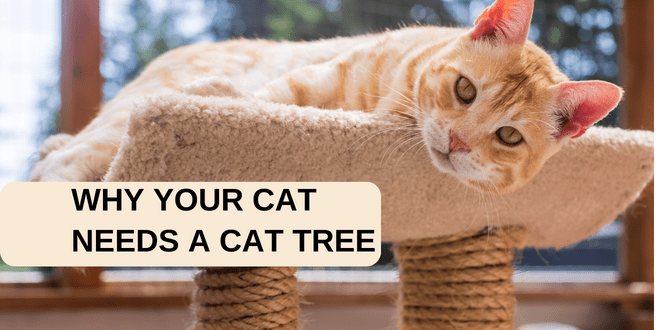
The surfaces of a cat tree play a crucial role in promoting scratching behavior. Cat trees often offer a choice between carpeted or sisal-covered surfaces. Carpeted surfaces provide a soft and cozy texture that some cats may prefer for lounging and napping. Sisal-covered surfaces, on the other hand, are excellent for satisfying a cat’s scratching instinct. Consider your cat’s scratching preferences and choose a cat tree with surfaces that cater to their needs. Some cat trees even offer a combination of both surfaces, offering the best of both worlds.
This image is property of catbehaviorassociates.com.
Providing Resting and Sleeping Options
Incorporating Cat Beds and Hammocks
Resting and sleeping are vital aspects of a cat’s daily routine. Cat trees with built-in beds or hammocks provide cozy and comfortable spots for your cat to unwind and relax. Some cat trees even offer replaceable or washable bed covers, making it easy to maintain cleanliness and hygiene. By incorporating cat beds and hammocks into the cat tree, you provide your cat with dedicated spaces to curl up and get a good night’s sleep.
Selecting Perches and Platforms
Perches and platforms are essential elements of a cat tree as they offer elevated areas for your cat to observe their surroundings. Look for cat trees with sturdy and well-padded perches and platforms. These elevated spaces provide a sense of security and allow your cat to satisfy their innate desire for vertical space. Cats enjoy surveying their domain from high vantage points, and perches or platforms allow them to do just that.
Choosing Enclosed, Cozy Spaces
Some cats prefer privacy and enjoy curling up in enclosed spaces for their naptime. Cat trees that incorporate enclosed spaces, such as cubbies or hideaways, are perfect for cats with a more introverted personality. These cozy spaces offer a secluded retreat where your cat can retreat to for some alone time. When selecting a cat tree, consider whether your cat enjoys the security of an enclosed space or prefers open perches and platforms.
Including Scratching Surfaces
Considering Vertical and Horizontal Scratching Surfaces
To prevent your cat from using your furniture as scratching posts, it is vital to include appropriate scratching surfaces on the cat tree. Consider whether your cat prefers vertical or horizontal scratching surfaces. Some cat trees offer both options, allowing your cat to stretch and scratch in their preferred position. By providing suitable scratching surfaces, you can redirect your cat’s scratching behavior away from your belongings, saving your furniture from potential damage.
Choosing the Right Material for Scratching Posts
The material of the scratching posts is an important consideration when choosing a cat tree. Sisal rope is a popular choice for scratching posts as it provides a rough texture that cats love to sink their claws into. It is durable and long-lasting, making it an excellent choice for active scratchers. However, some cats may prefer other materials such as sisal fabric, corrugated cardboard, or even natural wood. Observe your cat’s scratching habits to determine the material they prefer and choose a cat tree that offers scratching posts made from those materials.
Placing Scratching Surfaces in Strategic Locations
The placement of scratching surfaces on the cat tree is just as important as the material itself. Cats often scratch to mark their territory, so it is essential to position scratching surfaces in strategic locations. Place scratching posts in areas that your cat frequents, such as near their favorite resting spot or by a window where they enjoy observing the outdoors. By providing convenient and accessible scratching surfaces, you encourage your cat to use the cat tree instead of your furniture.
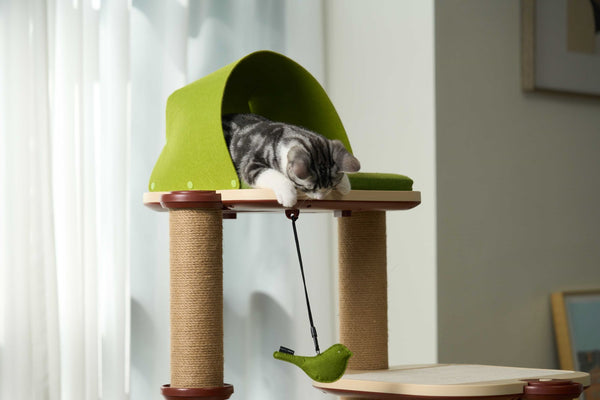
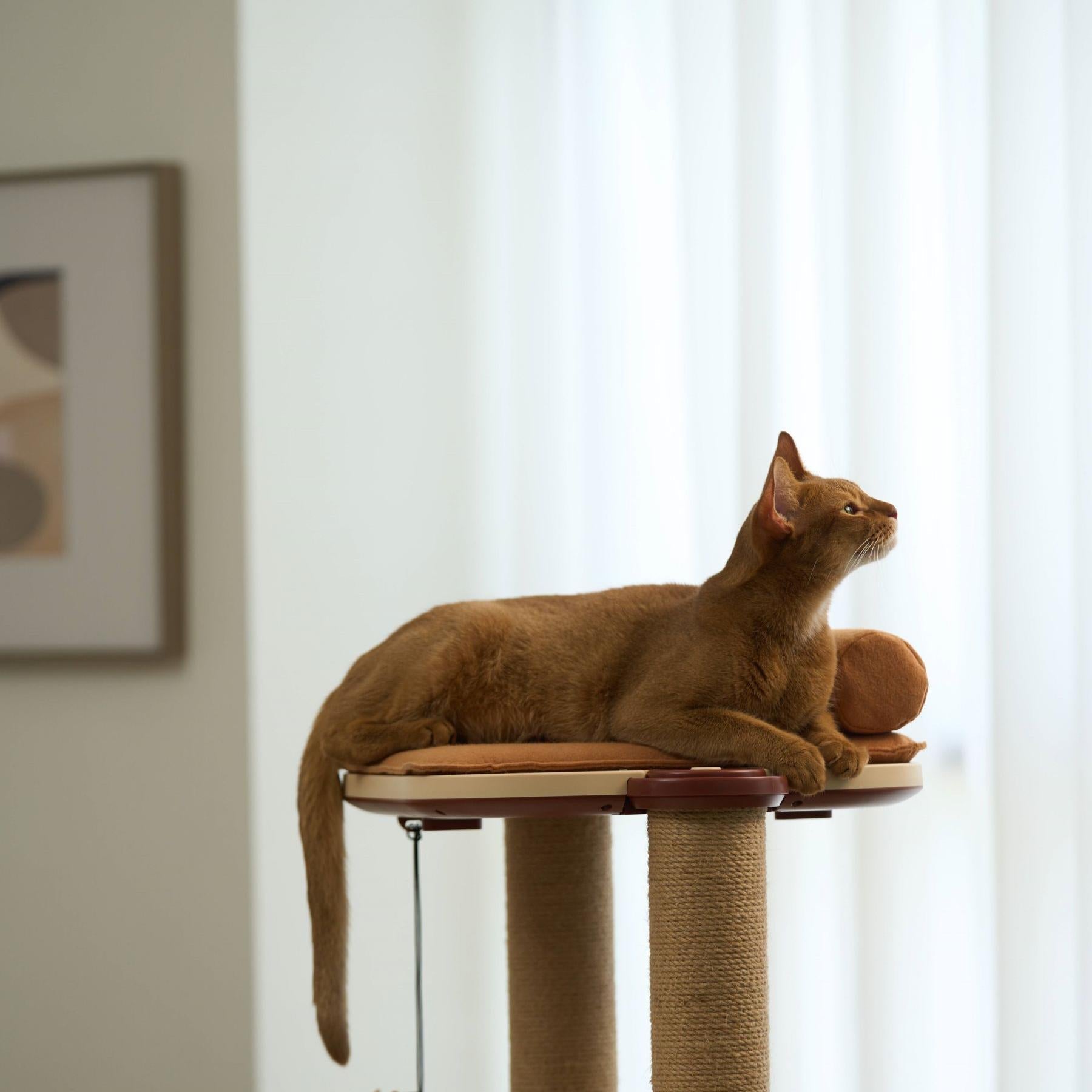
This image is property of cdn.shopify.com.
Incorporating Interactive Features
Adding Toys and Play Elements
Cat trees can be enhanced by incorporating interactive features that engage your cat’s playful instincts. Look for cat trees with built-in toys, dangling balls, or feather wands. These toys offer mental stimulation and encourage your cat to engage in play while on the cat tree. Interactive features can help alleviate boredom and provide entertainment for your cat, enhancing their overall experience and enjoyment of the cat tree.
Including Hide-and-Seek Spaces
Cats love to play hide-and-seek, and including hiding spots or tunnels in the cat tree can provide hours of entertainment. Hide-and-seek spaces offer opportunities for your cat to engage in solitary play or interactive play with other cats. These spaces can also serve as cozy retreats where your cat can relax and recharge. Consider the size and design of the hiding spots to ensure that they are suitable for your cat’s comfort and enjoyment.
Integrating Feeding and Treat-Dispensing Features
Combine mealtime and playtime by selecting a cat tree that incorporates feeding or treat-dispensing features. Some cat trees have built-in feeding stations or treat dispensers that can make mealtime more interactive and engaging for your cat. These features provide mental stimulation and encourage your cat to work for their food or treats, simulating their natural hunting instincts. Integrating feeding and treat-dispensing features into the cat tree can help keep your cat entertained and satisfied.
Ensuring Easy Maintenance and Cleaning
Opting for Removable and Washable Components
Cat trees can accumulate fur, dander, and dirt over time. To ensure easy maintenance and cleaning, choose a cat tree with removable and washable components. Removable bed covers, cushions, or hammocks can be easily cleaned in a washing machine, ensuring hygiene and freshness for your cat’s resting areas. Cat trees with detachable parts also allow for easier access to clean hard-to-reach areas, ensuring that your cat’s furniture remains clean and sanitary.
Choosing Cat Trees with Easy-to-Clean Surfaces
In addition to removable components, cat trees with easy-to-clean surfaces are highly recommended. Opt for cat trees with smooth surfaces that can be easily wiped clean with a damp cloth. Avoid materials that may absorb stains or odors, as they can be challenging to clean. Choosing a cat tree with easy-to-clean surfaces will save you time and effort in maintaining its cleanliness, ensuring that your cat always has a clean and comfortable environment.
Regularly Inspecting and Maintaining the Cat Tree
To ensure the longevity and safety of your cat tree, it is important to regularly inspect and maintain it. Check for any loose or damaged parts and quickly address any issues. Tighten screws and replace worn-out or damaged components as necessary. Regularly vacuum or brush the cat tree to remove accumulated fur and debris. By maintaining your cat tree’s condition, you create a safe and enjoyable space for your cat, ensuring its continued use and satisfaction.
In conclusion, choosing the right cat tree is crucial for providing a safe, stimulating, and comfortable environment for your cat. By understanding your cat’s behavior and preferences, considering their specific needs, and evaluating various design aspects, you can select a cat tree that promotes physical and mental stimulation while preventing destructive behavior. Factors such as size, materials, layout, and interactive features should all be taken into account to ensure the best cat tree for your feline friend. Regular maintenance and cleaning will further enhance the longevity and enjoyment of the cat tree. With a well-chosen cat tree, you can create a cat-friendly haven that will keep your furry companion happy and healthy for years to come.