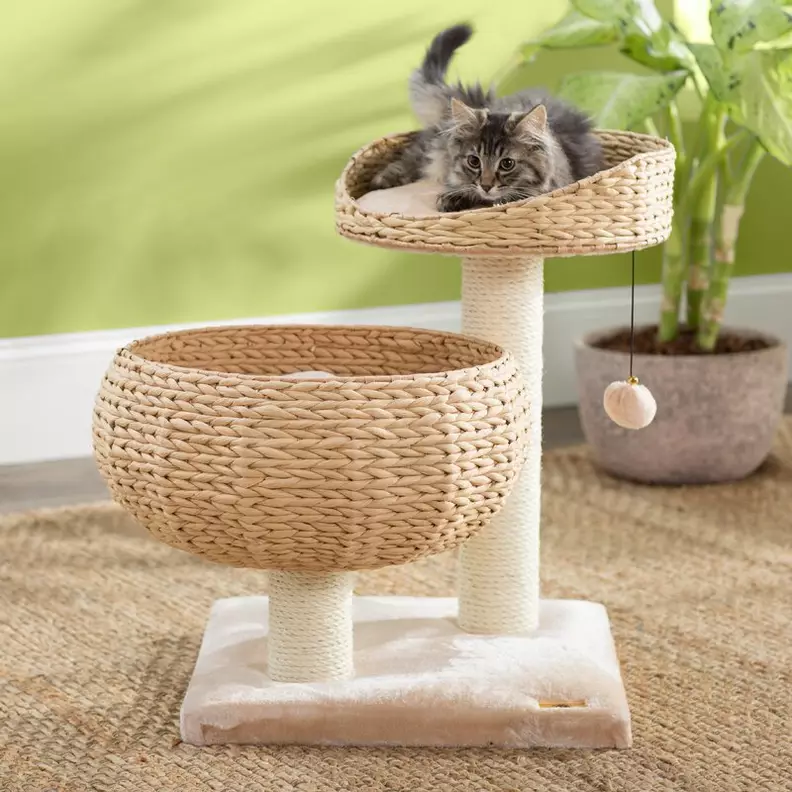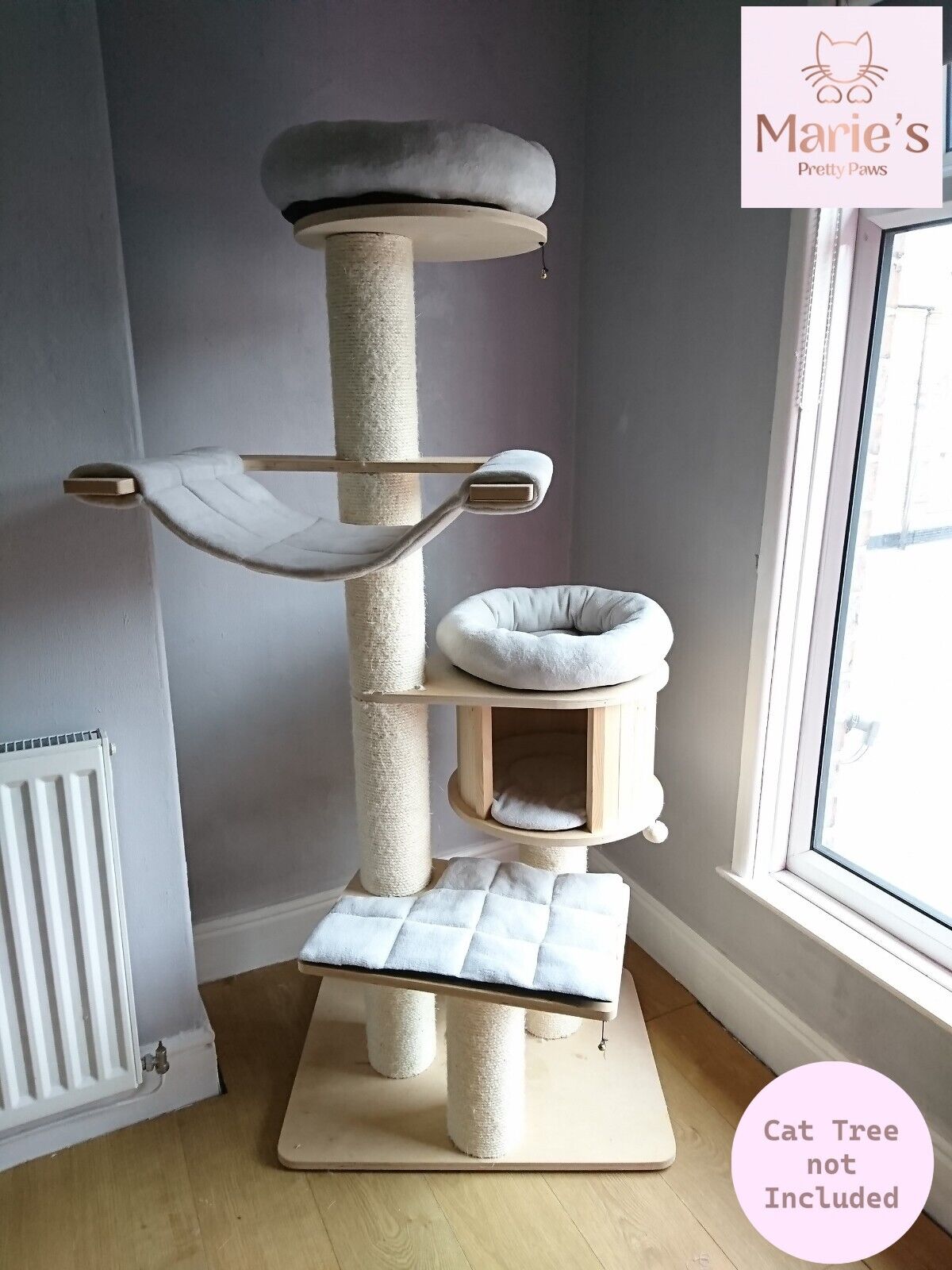
If you have a feline friend at home, you know how important it is to keep them entertained and satisfied. One way to do that is by providing them with a cat tower, a stylish and functional piece of furniture designed to cater to their natural instincts. But here’s the catch – how big should your cat tower be? Finding the perfect size for your furry companion can be crucial in ensuring their comfort and enjoyment. In this article, we will explore the factors to consider when determining the ideal dimensions for your cat tower, taking into account your cat’s size, age, and activity level. So, get ready to uncover the secrets of creating the purr-fect cat tower that will have your feline friend happily climbing and lounging to their heart’s content!
Consideration of Cat’s Size
1.1 Size of the Cat
When choosing a cat tower, it’s important to consider the size of your cat. Different cats come in different sizes, and their comfort and safety should be your top priority. A larger cat will require a taller and sturdier tower, while a smaller cat may be content with a more compact option. Measure your cat’s height when standing on its hind legs to ensure that the tower provides enough space for them to stretch and climb comfortably.
1.2 Weight of the Cat
In addition to considering the size of your cat, it’s essential to consider their weight when selecting a cat tower. Some cat towers have weight restrictions, so it’s crucial to choose one that can support your cat’s weight without the risk of collapsing. Cats can vary greatly in weight, so be sure to check the weight capacity of the tower you are considering to keep your feline friend safe.
1.3 Breed of the Cat
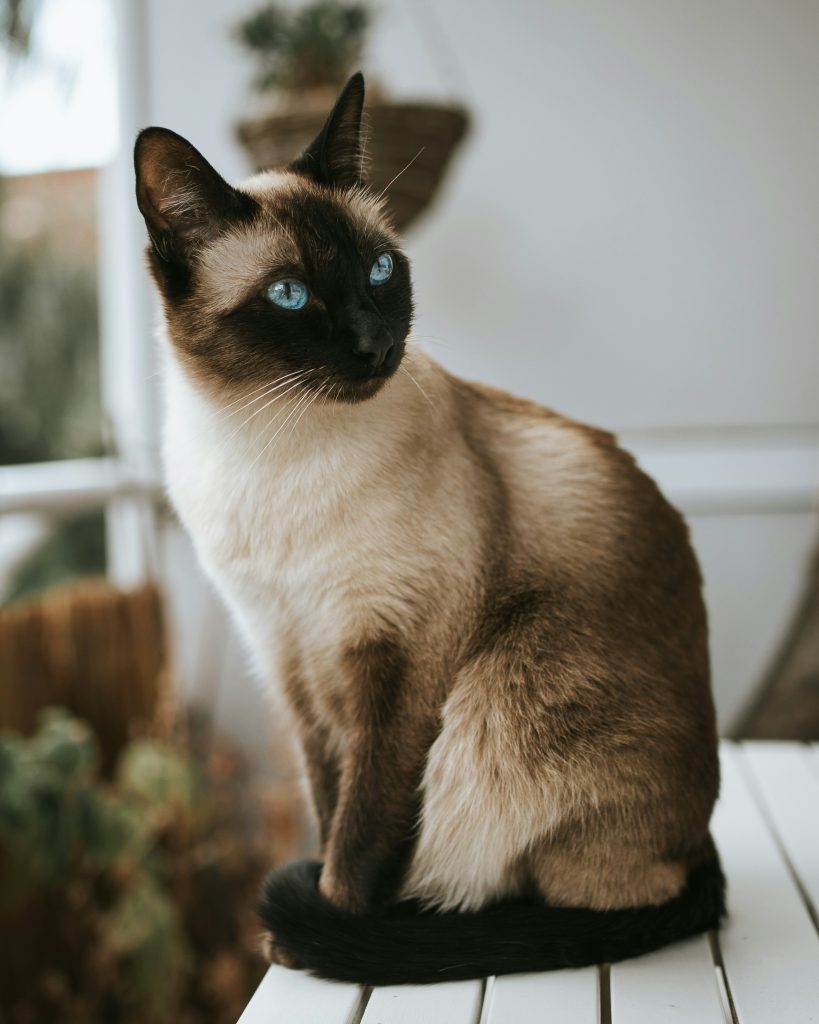
The breed of your cat can also impact the size of the cat tower you choose. Some breeds, such as Maine Coons, are known for their larger size and may require a more substantial tower to accommodate their needs. On the other hand, smaller breeds like Siamese cats may be comfortable in smaller towers. Researching the breed characteristics can help you better understand what size tower would be suitable for your specific cat.
Amount of Available Space
2.1 Indoor Space
Assessing the available indoor space in your home is essential when deciding on the size of the cat tower. If you have limited space, opting for a compact and space-saving tower would be the ideal choice. However, if you have ample room, you might consider a larger and more elaborate tower that provides your cat with plenty of climbing and play areas.
2.2 Vertical Space
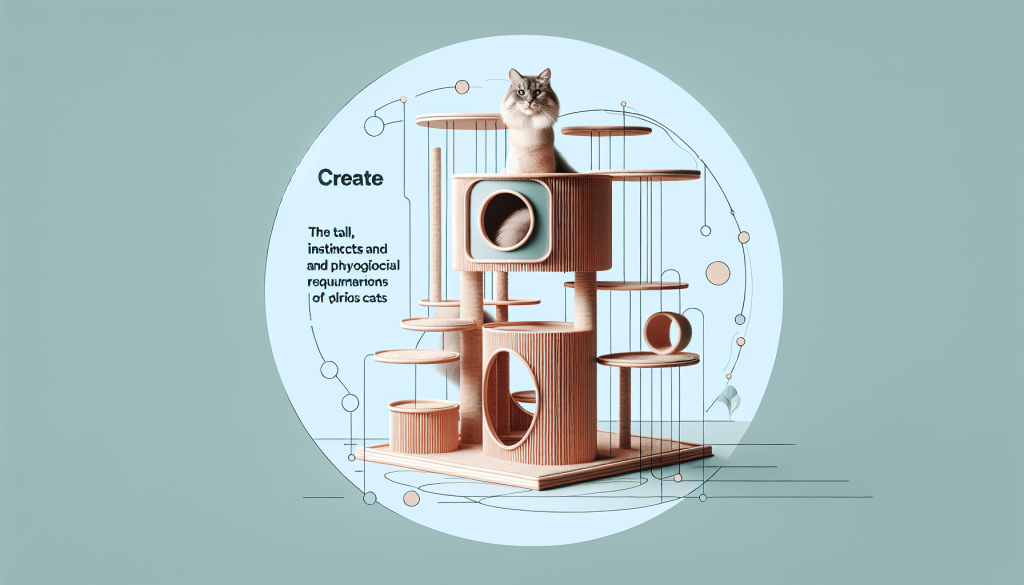
Cats love to climb and explore their surroundings. It’s crucial to consider the vertical space in your home when selecting a cat tower. Taller cat towers with multiple levels and platforms allow your furry friend to indulge in their natural instinct to climb and survey their territory. The more vertical space a tower offers, the more engaging and stimulating it will be for your cat.
2.3 Consideration of Ceiling Height
While vertical space is important, it’s vital to consider the height of your ceilings when choosing a cat tower. Ensure that the tower is not too tall to fit comfortably in your home without obstructing any doorways or ceilings. Measure the height of your ceilings and compare it to the dimensions of the cat tower to find the perfect fit for your space.
Number of Cats
3.1 Single Cat
If you have a single cat, you have the luxury of focusing on a tower that caters to their specific needs. Consider your cat’s size, weight, and preferences when choosing a tower. It’s essential to provide them with a tower that offers enough scratching surfaces, cozy sleeping spots, and interactive features to keep them entertained and happy.
3.2 Multiple Cats
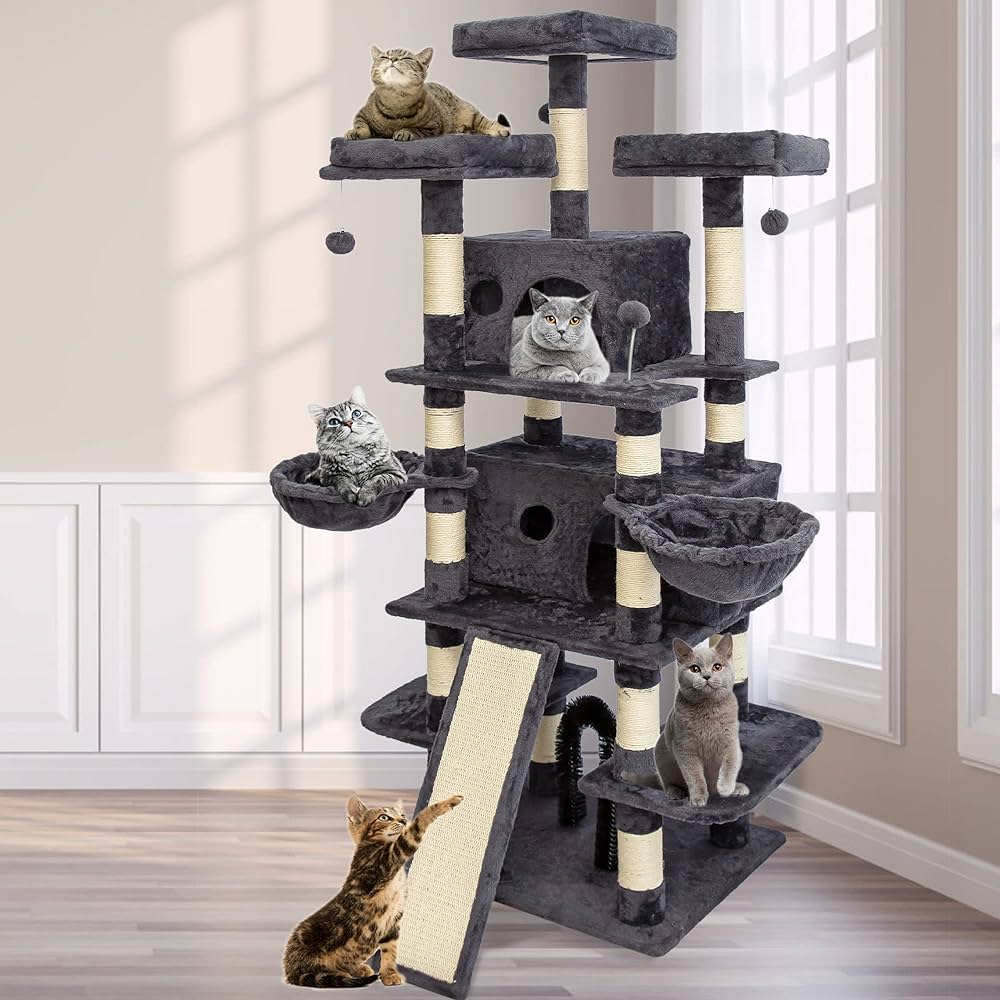
If you have multiple cats, it’s essential to consider their individual needs and dynamics when selecting a cat tower. Opt for a larger tower with multiple platforms and hiding spots to accommodate all your cats comfortably. Additionally, ensure that the tower is sturdy enough to withstand the potential rough play and jumping from multiple cats simultaneously.
Climbing Components
4.1 Vertical Height
Cats love to climb, so the vertical height of a cat tower is an important consideration. Look for a tower that offers multiple levels and platforms at varying heights to provide your cat with an engaging climbing experience. The taller the tower, the more opportunities your cat will have to exercise and explore their environment.
4.2 Number of Levels
The number of levels in a cat tower also contributes to its functionality and entertainment value. Cats enjoy having options for rest and play at different heights. Choosing a tower with multiple levels allows your cat to satisfy their natural instincts and find their preferred spot for various activities, whether it be climbing, napping, or simply observing their surroundings.
4.3 Accessibility of Platforms
Ensure that the platforms and levels on the cat tower are easily accessible for your cat. Cats may not enjoy using cat towers if they have to struggle or jump excessively to reach their desired spot. Look for towers with sturdy ramps, steps, or easy-to-climb surfaces to make it effortless for your cat to navigate and enjoy their tower.
Scratching Surfaces
5.1 Number of Scratching Posts
Cat towers often include scratching posts as a functional and essential feature. The number of scratching posts should be considered to provide your cat with ample opportunities to indulge in their natural urge to scratch. The more scratching posts available, the less likely your cat is to resort to scratching furniture or other inappropriate surfaces.
5.2 Material and Texture
The material and texture of the scratching surfaces on a cat tower are crucial when considering your cat’s preferences. Cats have different preferences when it comes to scratching, so opt for a tower that offers a variety of materials and textures such as sisal rope, carpet, or cardboard. Observing your cat’s scratching behavior can help you determine which materials they prefer, ensuring they have a satisfying scratching experience.
Hiding and Sleeping Spots
6.1 Enclosed Spaces
Cats love having their own cozy and enclosed spots to retreat to when they need privacy or a nap. Look for a cat tower that provides enclosed spaces such as cubbies, caves, or hideaways. These spaces offer a sense of security, allowing your cat to relax and feel safe in their tower.
6.2 Cozy Platforms or Beds
In addition to enclosed spaces, it’s important to have comfortable platforms or beds on the cat tower where your cat can lounge and sleep. Look for towers that have plush or padded platforms to ensure your cat’s comfort. These cozy spots will entice your cat to spend more time on their tower, enjoying their own personal resting areas.
Entertainment Features
7.1 Toys and Interactive Elements
To keep your cat entertained and mentally stimulated, consider cat towers that include toys and interactive elements. Towers with hanging toys or built-in play features like balls, feathers, or tunnels can provide endless hours of entertainment for your furry friend. These features encourage play and exercise, keeping your cat happy and engaged.
7.2 Hanging Toys or Dangling Objects
Hanging toys or dangling objects are another great addition to cat towers. Cats are naturally attracted to moving objects, and having toys that sway or dangle from the tower will pique their curiosity and encourage active play. Look for towers that offer these interactive elements to provide your cat with an enriching and entertaining experience.
Sturdiness and Stability
8.1 Solid Base and Construction
A cat tower should be built with sturdy and durable materials to ensure its stability and longevity. Check the construction of the tower and make sure it has a solid base that will prevent tipping or wobbling, even with the most active cats. A sturdy tower will provide your cat with a safe and secure environment to climb, play, and rest.
8.2 Consideration of Cat’s Weight
As mentioned earlier, considering your cat’s weight is crucial when choosing a cat tower. Ensure that the tower you select is specifically designed to support your cat’s weight. Cat towers with higher weight capacities are generally sturdier and more stable, providing reassurance that your cat can enjoy their tower without any safety concerns.
Placement and Accessibility
9.1 Location in the Home
Choosing the right location for your cat tower is essential to ensure your cat will use and enjoy it. Place the tower in an area where your cat spends a lot of time, such as near a window or in a room where they often relax. Additionally, consider the overall layout of your home to find a spot that allows for easy access and doesn’t obstruct any pathways.
9.2 Ease of Climbing
To encourage your cat to use the tower, it’s important to ensure that it is easily accessible for them. If your cat is older or has mobility issues, opt for a tower with ramps or lower platforms that they can reach without exerting too much effort. This will ensure that your cat can comfortably climb and explore their tower without any difficulty.
9.3 Accessibility for Humans
While considering accessibility for your cat, it’s also important to consider the tower’s accessibility for humans. Choose a tower that allows for easy cleaning and maintenance, with removable or washable components. Easy access to all areas of the tower will make it a breeze for you to keep it clean and hygienic for your cat.
Budget and Cost
10.1 Initial Cost
When selecting a cat tower, it’s important to consider your budget. Cat towers come in a variety of price ranges, so determining how much you are willing to spend is essential. Keep in mind that higher-quality and more feature-rich towers may have a higher price tag but can offer greater durability and entertainment value in the long run.
10.2 Maintenance and Replacement Costs
Along with the initial cost of the cat tower, it’s important to consider the maintenance and potential replacement costs. Some cat towers may require periodic cleanings, replacement of scratching surfaces, or repairs. Ensure you factor in these additional costs when planning your budget to ensure the longevity of your cat’s tower and their continued enjoyment.
In conclusion, when choosing a cat tower, consider your cat’s size, weight, and breed, as well as the available space in your home. Take into account the number of cats and their individual needs. Evaluate the climbing components, scratching surfaces, hiding and sleeping spots, entertainment features, sturdiness, stability, placement, and accessibility of the tower. Finally, consider your budget and the maintenance or replacement costs. By considering these factors, you can select a cat tower that provides a safe, engaging, and comfortable environment for your beloved feline companion.