Imagine a world where every time you walked into a room, you were immediately drawn to a towering structure that allowed you to climb, perch, and observe everything from a higher vantage point. Well, for our feline friends, this is a reality that they simply can’t resist – the cat tree. But why do cats love cat trees so much? These towering playgrounds not only provide them with endless entertainment and exercise, but they also tap into their natural instincts and satisfy their need to climb, conquer, and establish territory. Join us as we unravel the secret behind this irresistible feline fascination with cat trees.
Vertical Territory
A Safe Haven
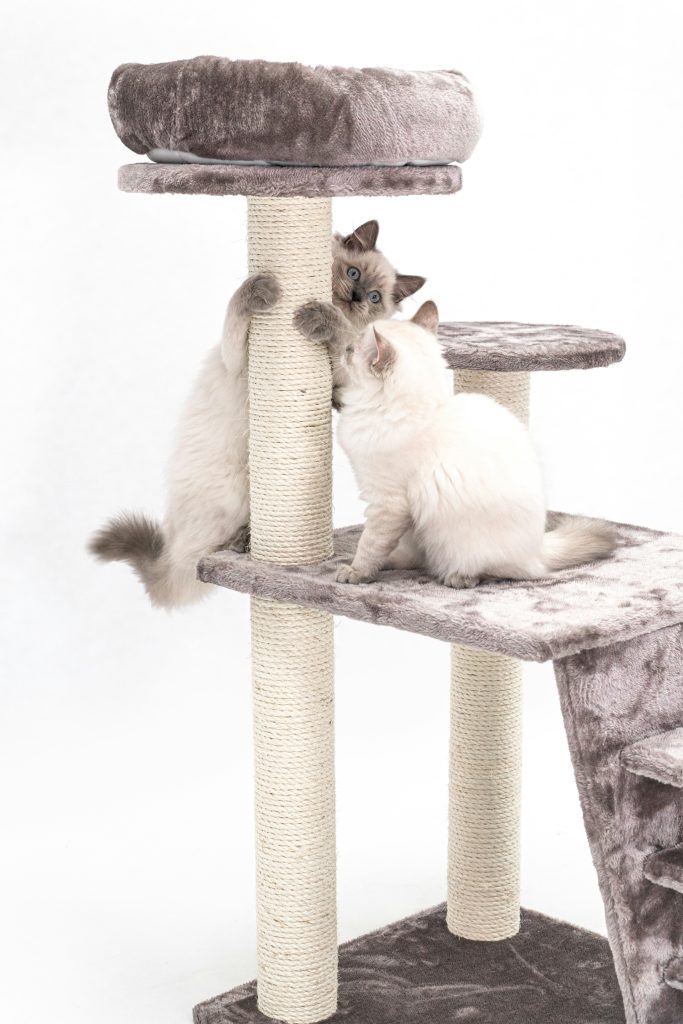
Cats are natural climbers and are instinctively drawn to higher ground. Having a cat tree provides them with a safe haven where they can observe their surroundings from a comfortable and elevated position. This vertical territory allows them to feel secure and in control, reducing their anxiety and stress levels.
Simulating Hunting
Cats are born hunters, and having a cat tree allows them to fulfill their predatory instincts. By climbing up and down the tree, they simulate the stalking and pouncing motions they would use when hunting prey in the wild. This activity provides them with mental and physical stimulation, keeping them active and engaged.
Perching and Observing
One of the main reasons why cats love cat trees is the opportunity to perch and observe. From the top of the tree, they can survey their surroundings, keeping a watchful eye on potential prey or any changes in their environment. This vantage point gives them a sense of control and allows them to stay aware of their surroundings, satisfying their natural curiosity.
Scratching Needs
Maintaining Claws
Cats have a natural instinct to scratch, and providing them with a cat tree helps fulfill this essential need. The rough texture of the tree’s surface gives them the perfect place to sharpen their claws, removing the outer layer and keeping them healthy and strong. By having a designated scratching spot, they are less likely to damage furniture or other household items.
Stretching and Exercise
Scratching is not just about maintaining claws; it also provides cats with a great stretching exercise. When cats stretch, they engage their muscles and improve their flexibility. A cat tree offers various levels and platforms, allowing them to stretch their bodies fully, promoting overall physical well-being.
Scent Marking
Cats have scent glands on their paws, and when they scratch, they leave behind their unique scent as a way of marking their territory. By having a cat tree, cats can leave their scent on the tree, which helps them feel secure and confident in their environment. Additionally, the scent marking acts as a form of communication with other cats, signaling that the territory is already claimed.
Privacy and Security
Escape from Predators
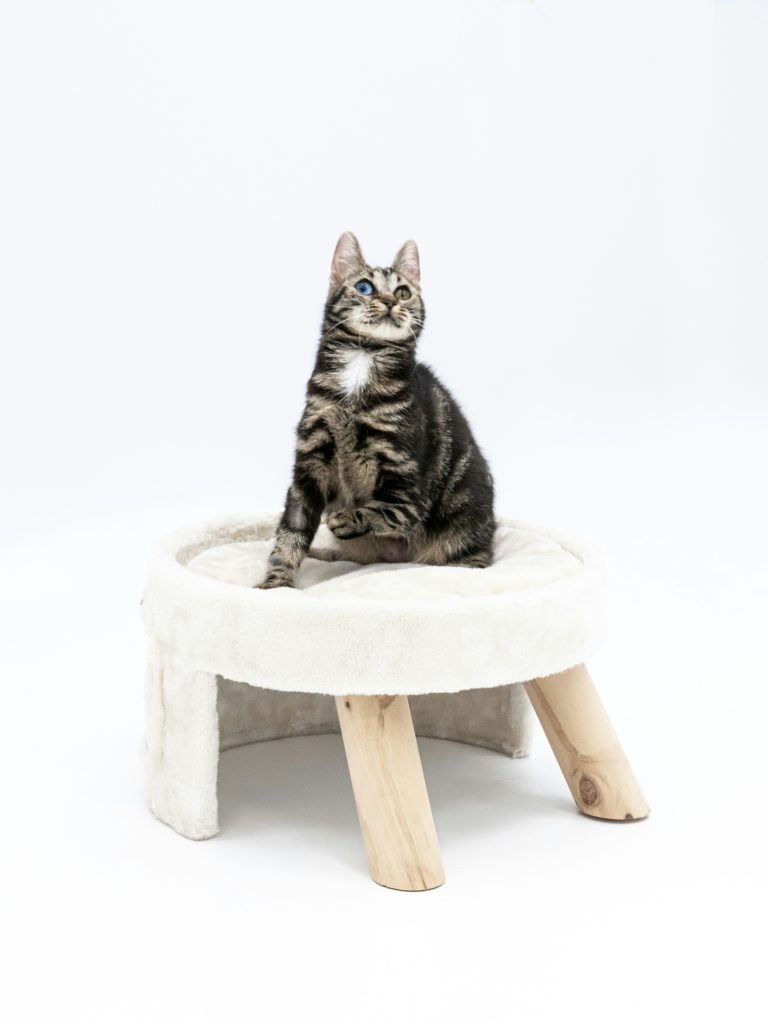
Cats have a strong instinct to seek shelter and hide when they feel threatened. A cat tree provides them with a safe space to escape from potential predators, such as other animals or overly enthusiastic children. With different levels and perches, cats can quickly climb up and find refuge, reducing their vulnerability and increasing their sense of safety.
Hiding Spot
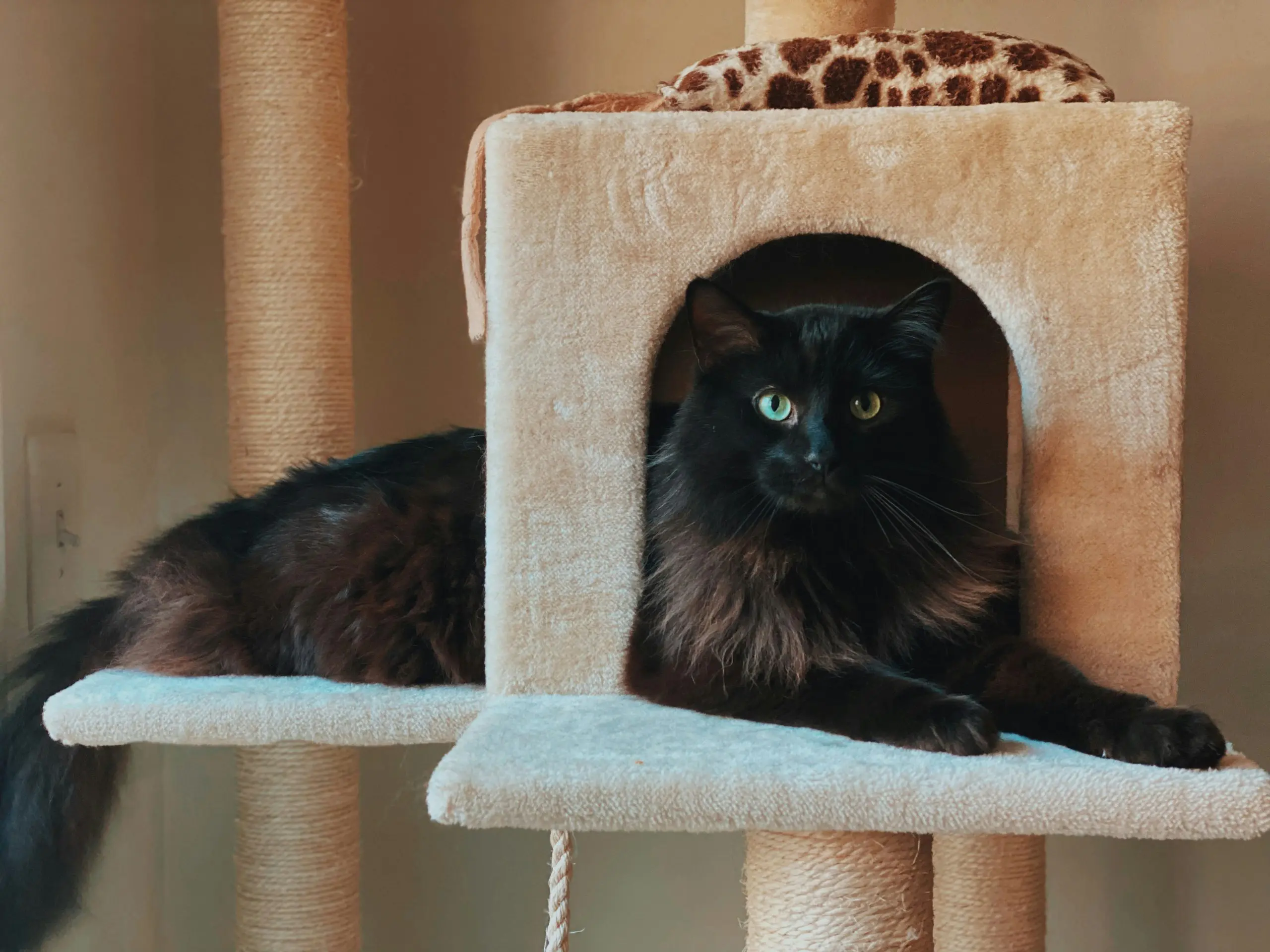
Sometimes, even in a safe and loving home, cats may want to retreat and have some alone time. Cat trees often offer cozy hiding spots, such as enclosed platforms or small cubbies, where cats can curl up and enjoy some peace and solitude. These hiding spots provide them with a comforting and secure space to relax and recharge.
Reducing Stress
Cats are sensitive creatures, and environmental changes or disturbances can cause them stress. Having a cat tree with hiding spots and elevated perches allows them to escape and find solace when they are overwhelmed. The vertical territory provided by the tree gives them a sense of control over their environment, helping to reduce their stress levels and promote a calmer demeanor.
Multi-Level Features
Space Maximization
Cat trees come in various sizes and designs, and one of their key features is the ability to maximize vertical space. By utilizing the height of a room, a cat tree provides additional space for cats to explore and enjoy. This is especially beneficial in smaller living spaces where horizontal space may be limited, giving cats the opportunity to expand their territory.
Different Views
Every cat has its own personality, and some cats may prefer to observe the world from higher or lower vantage points. A cat tree with multiple levels and perches allows them to choose their preferred viewing spot. Whether it’s observing birds from a high perch or watching the family from a lower platform, having options for different views caters to their individual needs and preferences.
Avoiding Confrontation
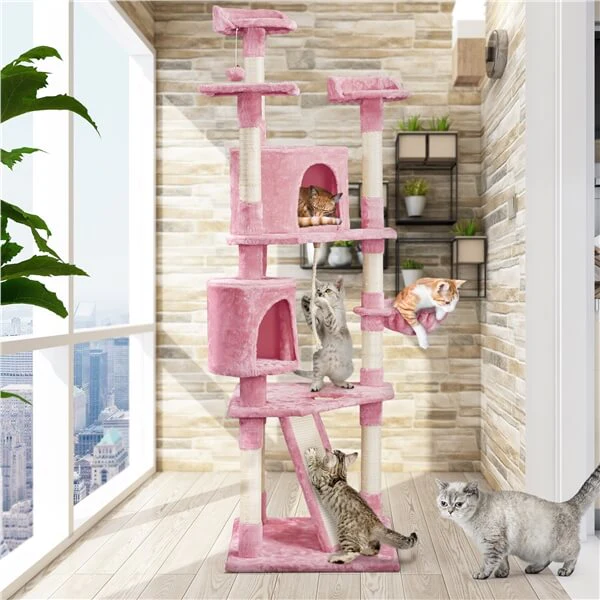
In households with multiple cats, conflicts can arise over resources and territory. Cat trees offer an excellent solution by providing different levels and platforms where cats can reside simultaneously without invading each other’s personal space. This helps to reduce the likelihood of confrontations, promoting a harmonious coexistence among feline housemates.

Comfort and Relaxation
Cozy Sleeping Spots
Cats are notorious for their love of napping, and cat trees provide them with a variety of cozy sleeping spots. Whether it’s a plush bed, a cushioned platform, or a hidden nook, the elevated nature of the tree offers a sense of security and comfort for cats to relax and snooze. These designated sleeping spots ensure that cats have a dedicated area to rest and rejuvenate.
Warmth and Comfort
Cats are naturally attracted to warmth, and the elevated nature of a cat tree often places them closer to sources of heat, such as windows or radiators. The cozy sleeping spots on a cat tree also provide additional cushioning and warmth, making it an ideal spot for cats to curl up and enjoy the ultimate in comfort.
Elevated Napping
Cats have an innate desire to be aware of their surroundings even when they are resting. By napping on a cat tree, they can maintain their vigilance while still indulging in a much-needed nap. The elevated position gives them a sense of security, as they can easily monitor their environment and react to any potential threats or interesting activities.
Entertainment and Play
Hanging Toys
Cat trees often come equipped with built-in toys or platforms to attach interactive toys. These hanging toys provide cats with an outlet for play and stimulation. Swatting at dangling toys allows them to unleash their predatory instincts and engage in a fun and challenging activity. The inclusion of these toys on a cat tree adds an extra layer of entertainment and keeps cats mentally and physically engaged.
Interactive Elements
Cat trees can be designed with various interactive elements, such as scratching posts, tunnels, or dangling ropes. These features provide cats with endless opportunities for exploration, play, and exercise. By incorporating interactive elements into a cat tree, cats are encouraged to engage with their environment, satisfying their innate curiosity and need for stimulation.
Jumping and Climbing
Cats are renowned for their agility and love of climbing and jumping. A cat tree offers them the perfect platform to showcase their acrobatic skills. With different levels and platforms, cats can jump from one platform to another or scale the tree’s height with ease. These physical activities not only provide them with exercise but also fulfill their natural instincts, giving them a sense of accomplishment and satisfaction.
Environmental Enrichment
Indoor Stimulation
While cats may be kept indoors for their safety, it is important to provide them with stimulating environments. Cat trees promote environmental enrichment by offering cats various levels, hiding spots, and interactive features. This stimulation helps prevent boredom and the associated negative behaviors that can develop in cats living in an environment lacking in mental and physical engagement.
Mental Engagement
Cats are intelligent animals and need mental stimulation to stay happy and healthy. Cat trees provide this mental engagement through the presence of different levels, platforms, and interactive elements. By allowing cats to explore and navigate their tree, they are constantly challenged, leading to improved cognitive abilities and increased problem-solving skills.
Increasing Natural Behaviors
Living indoors can restrict a cat’s ability to engage in natural behaviors, such as climbing trees or observing prey. Having a cat tree gives them the opportunity to mimic these natural behaviors, helping them feel more fulfilled and satisfied. The ability to scratch, climb, perch, and observe from an elevated position allows cats to express their instincts, reducing their frustration and promoting their overall well-being.
Preserving Furniture
Redirecting Scratching Behavior
Cats have an innate need to scratch, and sometimes they choose furniture or other household items as their scratching posts. Providing a cat tree with scratching posts and pads helps redirect their scratching behavior to an appropriate location. The rough texture of the scratching surfaces on a cat tree satisfies their scratching needs, protecting furniture and ensuring a harmonious living space for both cats and their human companions.
Protecting Upholstery
Cats are known to shed and can leave traces of their hair on upholstered furniture. With a cat tree, cats are encouraged to spend more time on their designated tree rather than on furniture. By redirecting their preference for upholstery to the cat tree, fur buildup on furniture can be significantly reduced, making it easier to maintain a clean and hair-free home.
Safeguarding Decor
Climbing cats can inadvertently knock over or damage delicate decorations. Having a cat tree allows cats to satisfy their climbing instincts without the risk of toppling valuable or fragile items. The sturdiness and stability of a well-designed cat tree ensure that cats can enjoy their vertical territory without causing any damage to the surrounding decor.
Adjusting to Changes
Moving Homes
Moving to a new home can be a stressful experience for cats. However, having a familiar and comfortable cat tree in their new environment can help ease their transition. The presence of the cat tree provides them with a sense of security and stability, as they have a designated space that smells like home. This familiarity can help reduce their anxiety and facilitate a smoother adjustment to their new surroundings.
Introducing New Pets
Introducing a new pet into a cat’s territory can be challenging, as cats are naturally territorial. However, having a cat tree with multiple levels and hiding spots allows the resident cat to comfortably observe and evaluate the new addition from a safe distance. The vertical territory provided by the cat tree helps reduce potential conflicts and allows for a gradual and controlled introduction process.
Enhancing Adaptability
Cats are creatures of habit and can sometimes struggle with changes in their daily routines. However, providing them with a cat tree can help enhance their adaptability. The familiar and consistent presence of their tree provides a source of comfort and stability, which can help cats navigate through various life changes, including new family members, renovations, or alterations to their environment.
Human-Cat Bonding
Shared Spaces
Having a cat tree in a common area of the house allows for shared spaces between cats and their human companions. Whether it’s placing the tree near a favorite seating area or next to a windowsill, cats can enjoy their vertical territory while still being a part of the family dynamic. This proximity promotes interaction and bonding opportunities, strengthening the bond between humans and their feline friends.
Opportunities for Interaction
Cat trees can be designed with interactive elements that encourage engagement from both cats and humans. Toys or hanging elements provide an opportunity for play and shared activities. Whether it’s using a wand toy to entice your cat to climb or engaging in a game of peek-a-boo through the tree’s platforms, the cat tree becomes a focal point for interactive and bonding experiences.
Bond Strengthening
Cats are known for their independent nature, but that doesn’t mean they don’t enjoy quality time with their human companions. Providing them with a cat tree creates opportunities for bonding through shared experiences. Whether it’s sitting together on a platform or simply being in the same space, the cat tree serves as a tangible bridge for humans to connect with their cats, deepening the bond and fostering a loving relationship.
In conclusion, cat trees offer numerous benefits for both cats and their human companions. From satisfying their natural instincts to providing mental and physical stimulation, cat trees fulfill a variety of needs that are essential for a cat’s overall well-being. Whether it’s providing a safe haven, reducing stress, preserving furniture, or enhancing the human-cat bond, a cat tree is a valuable addition to any cat-friendly home. So, to ensure your feline companion’s happiness and contentment, consider investing in a cat tree and watch as your cat’s eyes light up with joy and excitement.