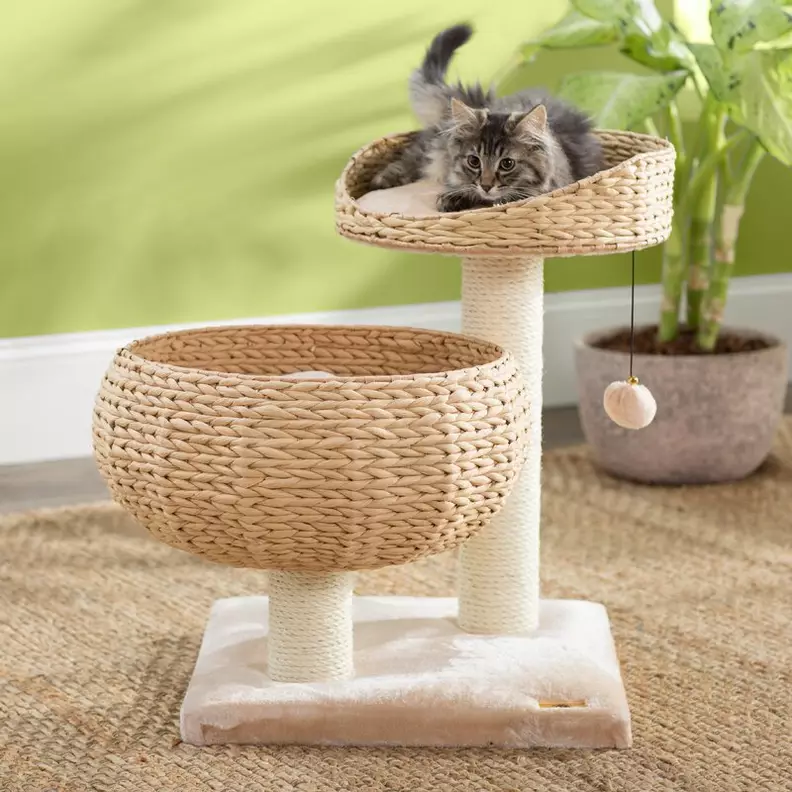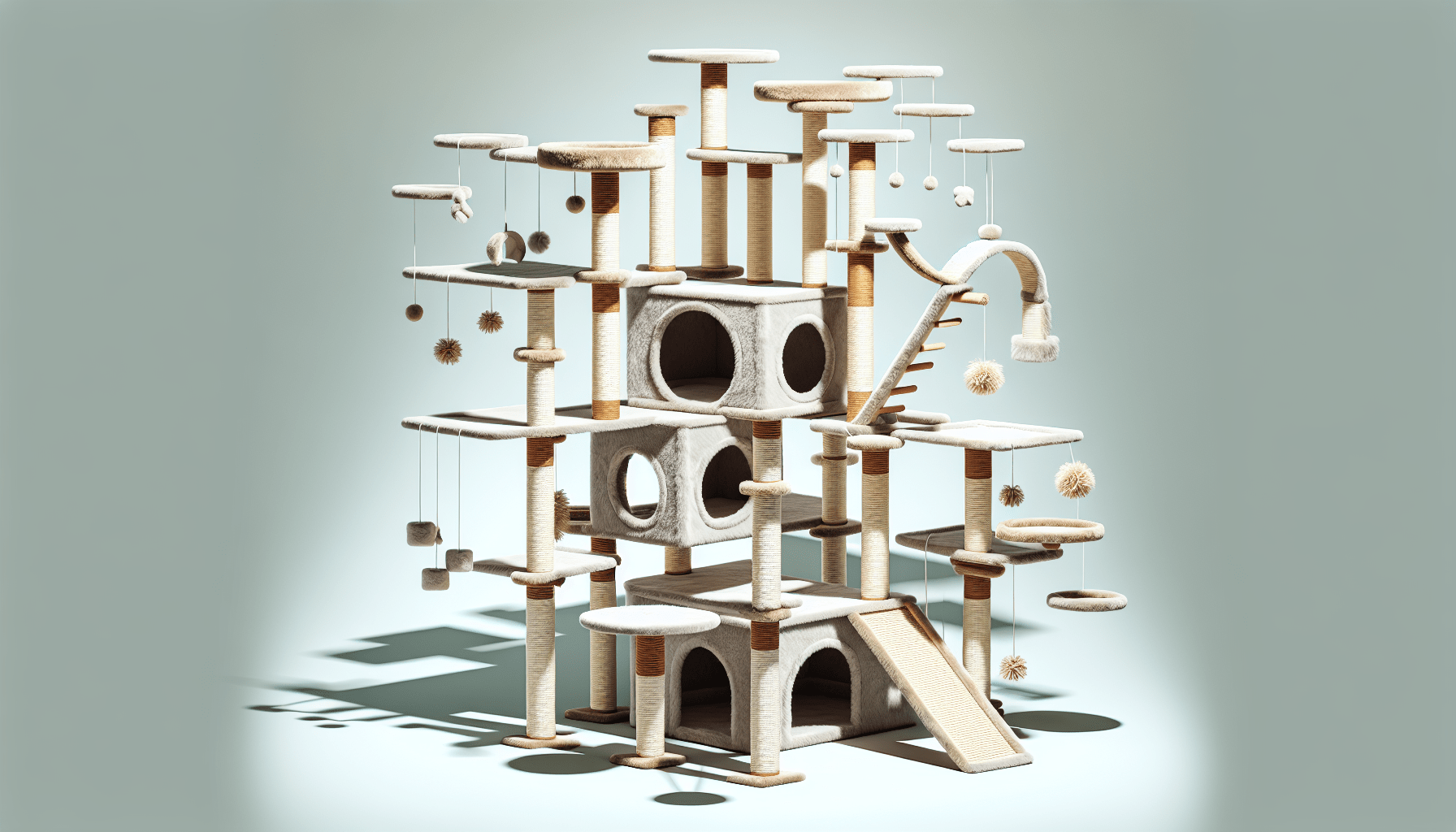
Imagine a world where your feline friend can stay entertained for hours on end, while also giving their brain a much-needed workout. Sounds amazing, doesn’t it? Well, thanks to the wonders of cat trees, this dream can become a reality for both you and your beloved pet. Cat trees not only provide the perfect platform for your cat to stretch, climb, and scratch to their heart’s content, but they also offer a variety of mental stimulation opportunities that can keep your furry companion engaged and happy. From multiple levels to explore, cozy hideaways to investigate, and dangling toys to swat at, a cat tree can provide endless entertainment and exercise for your curious and playful feline. So why wait? Treat your cat to the ultimate mental workout with a captivating cat tree today.
Benefits of Mental Stimulation for Cats
Cats are curious and intelligent animals that thrive on mental stimulation. Engaging their minds can have several positive effects on their overall well-being. Here are some key benefits of providing mental stimulation for your feline friend:
Reduced boredom and behavioral issues
One of the primary advantages of mental stimulation for cats is a reduction in boredom and associated behavioral issues. Cats that lack mental stimulation may become lethargic, restless, and exhibit destructive behaviors like scratching furniture or excessive meowing. By providing activities that challenge their minds, such as using a cat tree, you can help alleviate boredom and prevent these behavioral problems.
Enhanced cognitive abilities
Similar to humans, cats can benefit from mental exercise to sharpen their cognitive abilities. Engaging their minds through interactive play and exploration can help improve their problem-solving skills, memory retention, and overall mental agility. Mental stimulation can also help prevent cognitive decline in senior cats, promoting healthy brain function as they age.
Improved overall health and well-being
Mental stimulation plays a vital role in keeping your cat physically healthy and mentally stimulated. When cats are mentally engaged, they are more likely to engage in physical activities such as climbing, jumping, and playing, which helps maintain a healthy weight and builds strong muscles. Additionally, mental stimulation can reduce stress and anxiety in cats, promoting a sense of well-being and contentment.
Understanding Cat Trees
To provide mental stimulation for your cat, a cat tree can be an excellent addition to your home. Cat trees are specially designed structures that offer multiple opportunities for climbing, perching, and hiding. Let’s delve deeper into what a cat tree entails:
Definition of a cat tree
A cat tree is a vertical structure made from various materials such as wood, carpet, or sisal rope, designed to simulate a tree-like environment for cats. It typically consists of multiple levels, platforms, scratching posts, and other interactive features that provide entertainment and mental stimulation for cats.
Components of a cat tree
Cat trees can vary in size and complexity, but most incorporate several key components to provide a comprehensive play and resting area for your cat. These components typically include platforms or perches at different heights, scratching posts or surfaces, climbing posts or ramps, and hiding spots such as enclosed boxes or tunnels.
Types of cat trees
Cat trees come in a wide variety of designs and sizes to fit various spaces and cater to different cats’ preferences. Some cat trees are simple and compact, while others are more elaborate with multiple levels and additional features. Additionally, you can find cat trees that are specifically designed for kittens, adult cats, or senior cats, ensuring there is a suitable option for every feline companion.
How Cat Trees Provide Mental Stimulation
Cat trees offer several features that contribute to mental stimulation and enrichment for your cat. Let’s explore how these structures play a role in keeping your cat mentally engaged:
Vertical territory for climbing
Cats are natural climbers, and providing them with vertical territory is essential for their mental well-being. Cat trees often include climbing posts or ramps that allow cats to exercise their natural instinct to climb. This vertical aspect not only provides physical exercise but also encourages cats to explore and navigate their surroundings, stimulating their minds in the process.
Perches and platforms for observing
Cats love to observe their surroundings from a higher vantage point. Cat trees offer multiple perches and platforms at various heights, allowing your cat to observe their environment and satisfy their curious nature. This elevated perspective not only provides mental stimulation but also creates a sense of security and territory, which can boost your cat’s confidence and overall well-being.
Hiding spots for privacy and security
Cats are known for their desire to find a quiet and secure hiding spot. Cat trees often incorporate hiding spots such as enclosed boxes or tunnels, providing a cozy and private space for your cat to retreat to. These hiding spots can be particularly beneficial for cats that are anxious or prefer some alone time. By offering a safe and secluded area, cat trees provide mental comfort and stimulation for your feline companion.
Choosing the Right Cat Tree for Mental Stimulation
When selecting a cat tree for mental stimulation, it’s important to consider your cat’s needs, your living space, and the features that will engage their minds. Here are some factors to keep in mind:
Consider the size and age of your cat
Ensure the cat tree you choose is suitable for your cat’s size and age. Kittens may require a smaller and less complex tree with lower levels, while adult cats may need a taller tree with more platforms for climbing and perching. Senior cats may benefit from a tree with easier access and additional comfort features.
Evaluate the available space in your home
Take into account the available space in your home when selecting a cat tree. Measure the area where you plan to place the tree to ensure it fits appropriately. Additionally, consider whether you want a freestanding tree or one that can be mounted on the wall to optimize space utilization.
Select a cat tree with various interactive features
Look for a cat tree that offers a range of interactive features to keep your cat mentally stimulated. These can include scratching posts, hanging toys, climbing ramps or poles, interactive feeding stations, or even catnip-infused elements. The more diverse the features, the more opportunities your cat will have for mental exercise and enrichment.
Interactive Features to Look for in Cat Trees
To ensure maximum mental stimulation, choose a cat tree that includes various interactive features. Here are some key elements to look for:
Multiple levels and platforms
Cats love to climb and explore, so a cat tree with multiple levels and platforms is essential. Ensure there are enough perches at different heights for your cat to climb, jump, and perch comfortably. This variety of levels will encourage physical exercise and provide mental challenges as they navigate their way around.
Hanging toys and scratching posts
To further engage your cat’s mind, select a cat tree that includes hanging toys and scratching posts. These interactive features will entice your cat to play, pounce, and engage their natural instincts. The scratching posts will also help satisfy their need to scratch and keep their claws healthy.
Catnip-infused elements for added stimulation
Consider a cat tree that incorporates catnip-infused elements such as scratching posts or toys. Catnip is a herb that can induce a euphoric and stimulating reaction in cats. Including catnip-infused elements in the cat tree will add an extra level of excitement and engagement for your feline companion.
DIY Cat Trees for Mental Stimulation
If you’re feeling creative, you can also create a DIY cat tree to provide mental stimulation for your cat. Here are some ideas to get you started:
Using existing furniture and shelves creatively
Look for opportunities to repurpose existing furniture or shelves in your home to create a makeshift cat tree. You can install shelves on the wall at different heights, or repurpose a bookcase or ladder to provide vertical territory and perching spots for your cat. By utilizing existing structures, you can create a unique and customized cat tree tailored to your space and your cat’s preferences.
Repurposing household items as cat tree components
Get creative by repurposing household items as components for your homemade cat tree. For example, you can attach carpet remnants to wooden planks to create climbing surfaces or use PVC pipes as scratching posts. By repurposing items, you not only save costs but also provide mental stimulation and environmental enrichment for your cat.
Customizing a cat tree based on your cat’s preferences
Observe your cat’s behavior and preferences to create a personalized cat tree that aligns with their needs. If your cat loves to hide, incorporate an enclosed box or a fabric tent. If they enjoy observing from high perches, focus on adding multiple platforms at varying heights. By customizing the cat tree to suit your cat’s preferences, you enhance their mental stimulation and overall satisfaction.
Introducing Your Cat to a New Cat Tree
When introducing a new cat tree to your feline companion, it’s important to do so gradually and positively. Here are some tips to make the transition smoother:
Gradual and positive introduction
Introduce the cat tree to your cat gradually to prevent any anxiety or aversion. Place the new tree in a calm and familiar area of your home, preferably close to their favorite resting spot. Allow your cat to discover the tree at their own pace, and provide positive reinforcement through treats, praise, and gentle petting as they explore.
Using treats and toys to motivate exploration
To encourage your cat’s exploration of the new cat tree, use treats and toys as motivators. Place treats or catnip-infused toys at different levels of the tree to entice your cat to climb and explore. This positive reinforcement will create positive associations with the tree and encourage their interest and engagement.
Patience and encouragement during the adjustment period
Each cat adjusts to a new cat tree at their own pace, so it’s important to be patient during the adjustment period. Offer words of encouragement and reassurance as your cat explores the tree. If they seem hesitant or unsure, continue to provide positive reinforcement and gradually increase their exposure to the tree, ensuring it remains a comforting and enjoyable experience for them.
Maintenance and Care for Cat Trees
To keep your cat tree in optimal condition and ensure your cat’s safety, regular maintenance and care are essential. Here are some key practices to follow:
Regular cleaning and sanitization
Clean the cat tree regularly to prevent the buildup of dirt, hair, and bacteria. Vacuum or brush the surfaces to remove loose hair and debris. You can also use pet-friendly disinfectants or wipes to sanitize the tree, especially if your cat has been ill or prone to accidents.
Inspecting and replacing worn-out components
Regularly inspect the cat tree for any signs of wear and tear. Check the stability of the platforms, ensure the scratching posts are intact, and examine other interactive features for any damage. Replace any worn-out or damaged components promptly to maintain a safe and stimulating environment for your cat.
Ensuring stability and safety
Ensure the cat tree is stable and securely anchored to prevent tipping or wobbling during your cat’s exploration. If necessary, use brackets or wall-mounting accessories to provide additional stability. Regularly check the tree’s anchors and fasteners to ensure they are secure and adjust as needed.
Other Toys and Activities for Mental Stimulation
While a cat tree provides valuable mental stimulation, it’s also important to incorporate other toys and activities into your cat’s routine. Here are some additional options to consider:
Puzzle feeders and treat-dispensing toys
Puzzle feeders and treat-dispensing toys require cats to solve puzzles or manipulate objects to access their food or treats. These interactive toys engage your cat’s problem-solving abilities and provide mental stimulation during mealtime. They also help slow down eating, prevent overeating, and promote a healthy eating pattern.
Interactive playtime with feather wands and laser pointers
Engage your cat in interactive playtime using feather wands or laser pointers. These toys mimic the movement of prey and entice your cat to chase and pounce, satisfying their natural hunting instincts. Interactive play not only provides mental stimulation but also strengthens the bond between you and your cat.
Sensory experiences with catnip and cat-friendly scents
Explore sensory experiences for your cat by introducing them to catnip or cat-friendly scents. Many cats are attracted to the scent of catnip, which can provide a euphoric and stimulating reaction. You can use catnip-infused toys, sprinkle dried catnip on their cat tree, or invest in cat-friendly scents to create engaging sensory experiences for your cat.
Conclusion
Mental stimulation is crucial for the health and well-being of your cat. A cat tree offers an excellent way to provide enrichment and engage your feline friend’s mind. By understanding the benefits of mental stimulation, the components and features of a cat tree, and how to introduce and maintain one, you can ensure that your cat remains mentally stimulated, happy, and content. Exploring various toys, activities, and DIY options further enhances their mental well-being, creating a fulfilling and enriched life for your beloved cat.