If you’re a cat owner looking to provide the ultimate play and relaxation space for your furry friend, then look no further! In this article, we’ll explore the world of DIY cat trees, a delightful way to create a customized and stimulating environment for your feline companion. Whether you’re an experienced DIY enthusiast or just starting out, we’ll provide you with all the information and inspiration you need to embark on this fun and rewarding project. From the materials needed to step-by-step instructions, get ready to unleash your creativity and create a feline paradise that’ll have your kitty purring with delight. Say goodbye to generic store-bought options and hello to a cat tree that’s truly unique and tailored to your cat’s needs. Let’s jump into the wonderful world of DIY cat trees!
Materials and Tools
Choosing the Right Materials
When it comes to building a DIY cat tree, selecting the right materials is essential for durability and safety. Opt for sturdy and pet-friendly materials such as solid wood or plywood for the structure. Avoid using materials with toxic substances like pressure-treated wood. For covering the tree, choose pet-friendly fabrics that are durable and easy to clean.
Essential Tools for DIY Cat Trees
To successfully build a cat tree, you’ll need a few essential tools. These include a power drill, a circular saw or jigsaw for cutting materials, a sander for a smooth finish, a stapler for attaching fabric, and a tape measure for precise measurements. Additionally, having a level, screws, and a staple gun will ensure that your cat tree is sturdy and secure.
Design and Planning
Considering Your Cat’s Needs
Before diving into the construction process, it’s crucial to consider your cat’s needs. Observe your cat’s behavior and habits to determine what features they will enjoy the most. Does your cat love to climb, scratch, or rest in high places? By understanding your cat’s preferences, you can design a cat tree that caters specifically to their unique needs.
Determining the Size and Shape
The size and shape of your DIY cat tree should suit both your available space and your cat’s requirements. Measure the height of the room to ensure that your cat tree will fit comfortably without overwhelming the space. Consider the number of platforms and perches based on the number of cats or their climbing preferences. Take into account any additional features you plan to include, such as scratching posts or hammocks.
Sketching Your Design
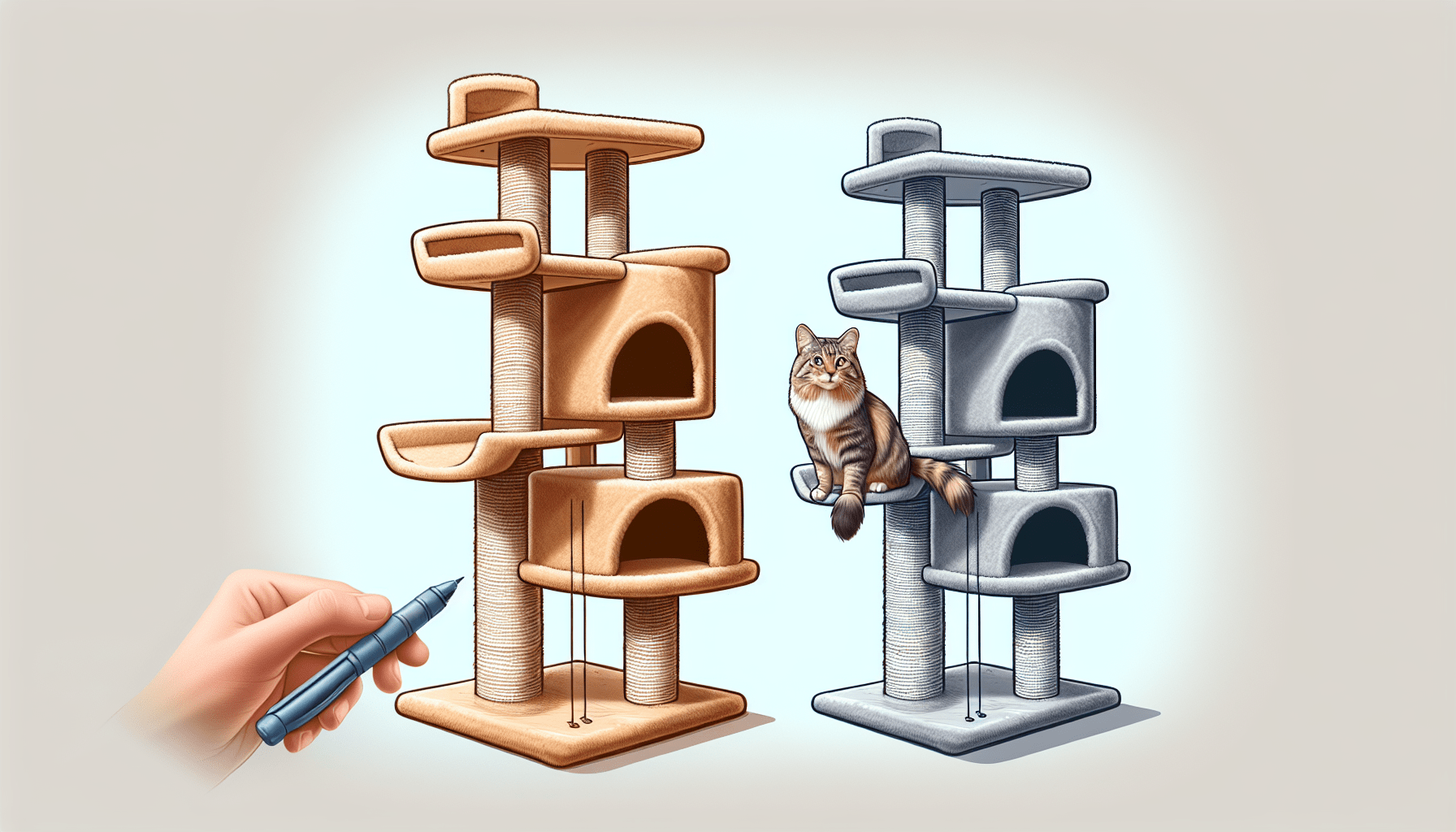
Once you have an idea of what your cat tree will look like, it’s time to sketch out your design. You don’t have to be a professional artist to create a simple blueprint. A basic sketch will help you visualize the final product and make necessary adjustments before beginning construction. Take note of dimensions and specific features to guide you during the building process.
Structural Considerations
When designing your DIY cat tree, it is essential to consider the structure’s stability and weight-bearing capacity. Ensure that the base is wide enough to provide stability and prevent tipping. Plan to add anchors or secure the cat tree to a wall for added safety. Keep in mind that the cat tree will endure continuous use, so prioritize structural integrity to ensure longevity.
Building the Base
Selecting the Base Material
The base of your cat tree is the foundation that provides stability and support. Choose a durable material such as plywood or medium-density fiberboard (MDF) for the base. These materials are strong enough to withstand scratching and jumping without warping or breaking. Avoid using particleboard as it tends to be less sturdy and may not hold up well over time.
Cutting and Sanding the Base
Once you have selected your base material, use a circular saw or jigsaw to cut it to the desired size and shape. Take care to make clean and precise cuts to ensure a professional-looking result. After cutting, use a sander to smooth the edges and surfaces of the base. Sanding not only enhances the appearance but also minimizes the risk of splinters or injury for your furry friend.
Adding Stability Features
To make the base even more stable, consider adding stability features such as feet or braces. Feet can be attached to the corners of the base, elevating it slightly to prevent wobbling. Braces can be used to reinforce the base and provide additional support. These stability features will ensure that your cat tree remains secure even during vigorous play or climbing sessions.
Constructing the Platforms
Choosing the Platform Material
When constructing the platforms of your cat tree, choose a material that is sturdy, pet-friendly, and easy to clean. Plywood, medium-density fiberboard (MDF), or solid wood are good options. Avoid using materials like carpet, as they can trap dirt and become difficult to clean over time. Non-slip materials like rubber or foam can also be added to provide extra grip and prevent accidents.
Measuring and Cutting Platforms
Measure and mark the dimensions for each platform based on your cat’s size and preferences. Use a circular saw or jigsaw to cut the platforms to the desired size and shape. Remember to sand the edges to ensure a smooth finish, which reduces the risk of injury for your cat.
Attaching Platforms to the Base
To attach the platforms to the base, use sturdy screws or brackets. Ensure that each platform is level and securely fastened to the base. Consider using L-shaped brackets or braces for additional stability. It’s essential for the platforms to be able to support the weight of your cats without wobbling or giving way.
Creating Perches and Hammocks
Selecting Suitable Perch Material
Perches should be constructed using durable and pet-friendly materials that are comfortable for your cat to rest on. Solid wood is a popular choice as it is sturdy and provides a stable surface. Consider rounding the edges of the perches to prevent any discomfort or injury to your cat.
Constructing Perches
To construct perches, cut the chosen material to the desired size and shape. Sand the edges to ensure a smooth finish. Consider covering the perches with soft fabric or padding for added comfort. Attach the perches securely to the desired height on the cat tree structure, ensuring that they are stable and level.
Incorporating Hammocks
Hammocks can be a great addition to a DIY cat tree, providing a cozy spot for your cat to relax or nap. Select a durable and washable fabric for the hammocks. Create a supportive frame for the hammocks using solid wood or PVC pipes. Attach the hammocks securely to the structure, ensuring that they can bear the weight of your cat without sagging or tearing.
Attaching Perches and Hammocks
To attach the perches and hammocks to the cat tree structure, use strong screws or brackets. Place them at a height that is accessible and comfortable for your cat. Ensure that they are securely fastened and do not wobble or shift when your cat jumps or climbs onto them.
Building Scratching Posts
Choosing Durable and Sisal Rope
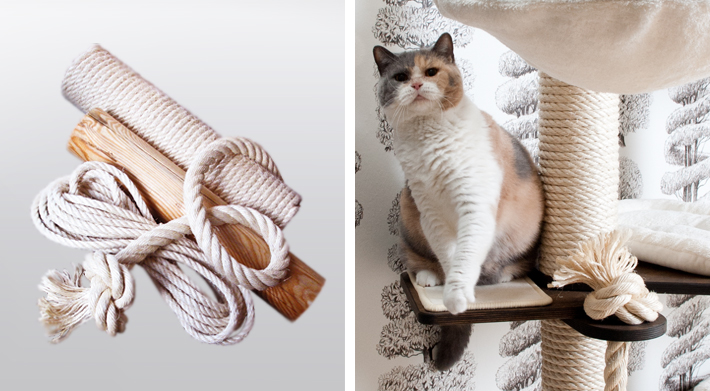
Scratching posts are essential features of a cat tree, as they provide a dedicated spot for your cat to indulge their natural instinct to scratch. Choose a durable material for the posts, such as solid wood or PVC piping. To entice your cat, cover the posts with sisal rope, which is known for its durability and resistance to fraying.
Preparing the Scratching Posts
Before attaching the sisal rope, sand the posts to ensure a smooth surface. Apply a layer of non-toxic adhesive to the post, starting from the bottom and working your way up. Gradually wrap the sisal rope tightly around the post, ensuring it is securely attached. Finish by applying another layer of adhesive at the top to prevent unraveling.
Attaching the Posts to the Structure
To attach the scratching posts to the cat tree structure, use sturdy screws or brackets. Position the posts in a way that encourages your cat to stretch and scratch. Attach them securely, ensuring they are stable and do not wobble when your cat engages with them.
Adding Climbing Features
Incorporating Ladders and Ramps
To enhance the climbing experience for your cat, consider incorporating ladders or ramps into your DIY cat tree design. These features provide additional vertical access points, allowing your cat to navigate the tree more easily. Use solid wood or sturdy PVC piping to construct the ladders or ramps, ensuring that they can bear your cat’s weight.
Creating Vertical Climbing Elements
Vertical climbing elements such as ropes or vertical scratching posts can add variety and challenge to your cat tree. Securely attach ropes or vertical sisal-wrapped poles at different heights and angles to create opportunities for climbing and exploration. Ensure that all climbing elements are securely fastened and can support your cat’s weight.
Covering and Decorating
Choosing Pet-Friendly Fabric
When it comes to covering your DIY cat tree, choose pet-friendly fabric that is durable, easy to clean, and resistant to scratching. Consider using upholstery fabric or carpet squares designed for heavy use. Opt for colors and patterns that complement your home decor and create a cohesive look.
Wrapping the Structure
To cover the cat tree structure, start by measuring and cutting the chosen fabric to fit each section. Use a stapler or a heavy-duty adhesive to attach the fabric securely, ensuring it is taut and wrinkle-free. Pay attention to corners and edges, ensuring they are neatly covered. Trim any excess fabric for a polished appearance.
Adding Additional Decorative Elements
To enhance the visual appeal of your cat tree, consider adding decorative elements such as faux leaves, hanging toys, or cat-safe accessories. These additions can provide visual stimulation and increase your cat’s engagement with the tree. Ensure that any decorative elements are securely attached and do not pose any safety risks to your cat.
Making it Stable and Secure
Ensuring Proper Balance
To ensure your DIY cat tree remains stable and balanced, check its balance periodically during the construction process and after completion. Adjust the placement of platforms, perches, and other elements if needed to distribute the weight evenly. Remember to place heavier elements closer to the base to prevent toppling.
Stabilizing with Anchors
For added stability, consider using anchors to secure the cat tree to a wall or floor. Anchors can be particularly useful if you have multiple cats or if your furry friends tend to be more adventurous in their play. Follow the manufacturer’s instructions for installing and securing the anchors properly.
Performing Safety Checks
Before allowing your cat to explore the newly constructed cat tree, perform thorough safety checks. Ensure that all screws or brackets are securely fastened, and there are no sharp edges or protruding nails. Test the stability of each element, including platforms, perches, and scratching posts. Make any necessary adjustments or repairs before allowing your cat to use the tree.
Tips and Considerations
Creating Multiple Levels
Constructing a cat tree with multiple levels provides your feline friends with more opportunities for climbing, resting, and observing their surroundings. Arrange platforms and perches at different heights to create an engaging and stimulating environment. Consider incorporating ramps or ladders to facilitate movement between levels.
Incorporating Hideaways
Cats often appreciate having a cozy hideaway within their cat tree. Consider incorporating enclosed spaces or covered platforms where your cat can retreat for privacy or relaxation. These hideaways can provide a sense of security and comfort for your furry friend, especially if they enjoy alone time.
Considering Accessibility for Older Cats
If you have senior cats or cats with mobility issues, consider adding ramps or gentle inclines to your DIY cat tree. This will ensure that they can access all levels and platforms comfortably without straining themselves. Providing accessible features will make the cat tree enjoyable and safe for cats of all ages and abilities.
Ensuring Easy Maintenance
To make cleaning and maintenance as easy as possible, choose materials and fabrics that are easy to wipe clean or machine washable. Consider using removable cushions or covers for perches, platforms, and hammocks that can be easily removed, cleaned, and replaced. Regularly inspect the cat tree for any signs of wear and tear, and promptly address any issues to ensure its longevity.