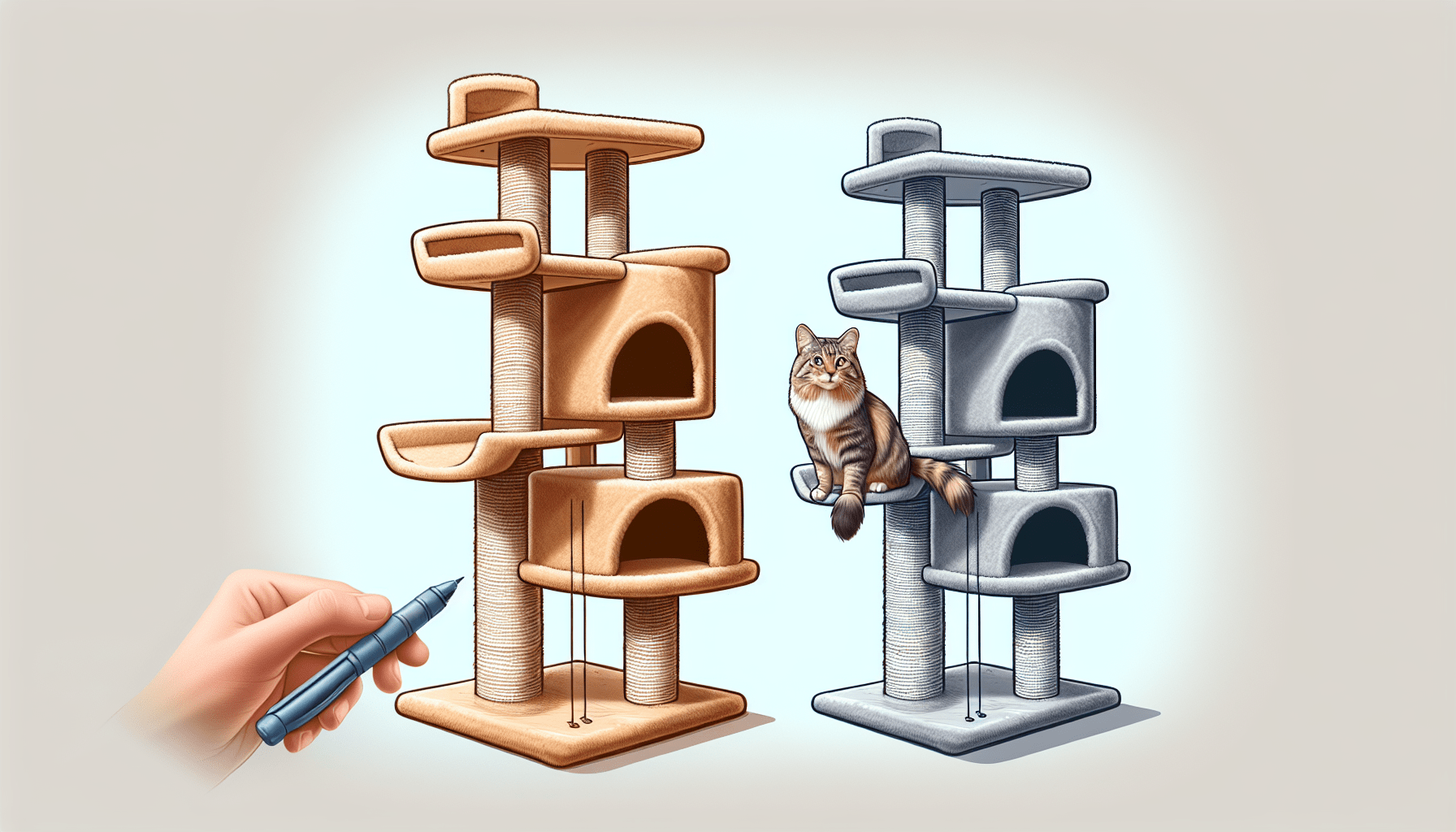
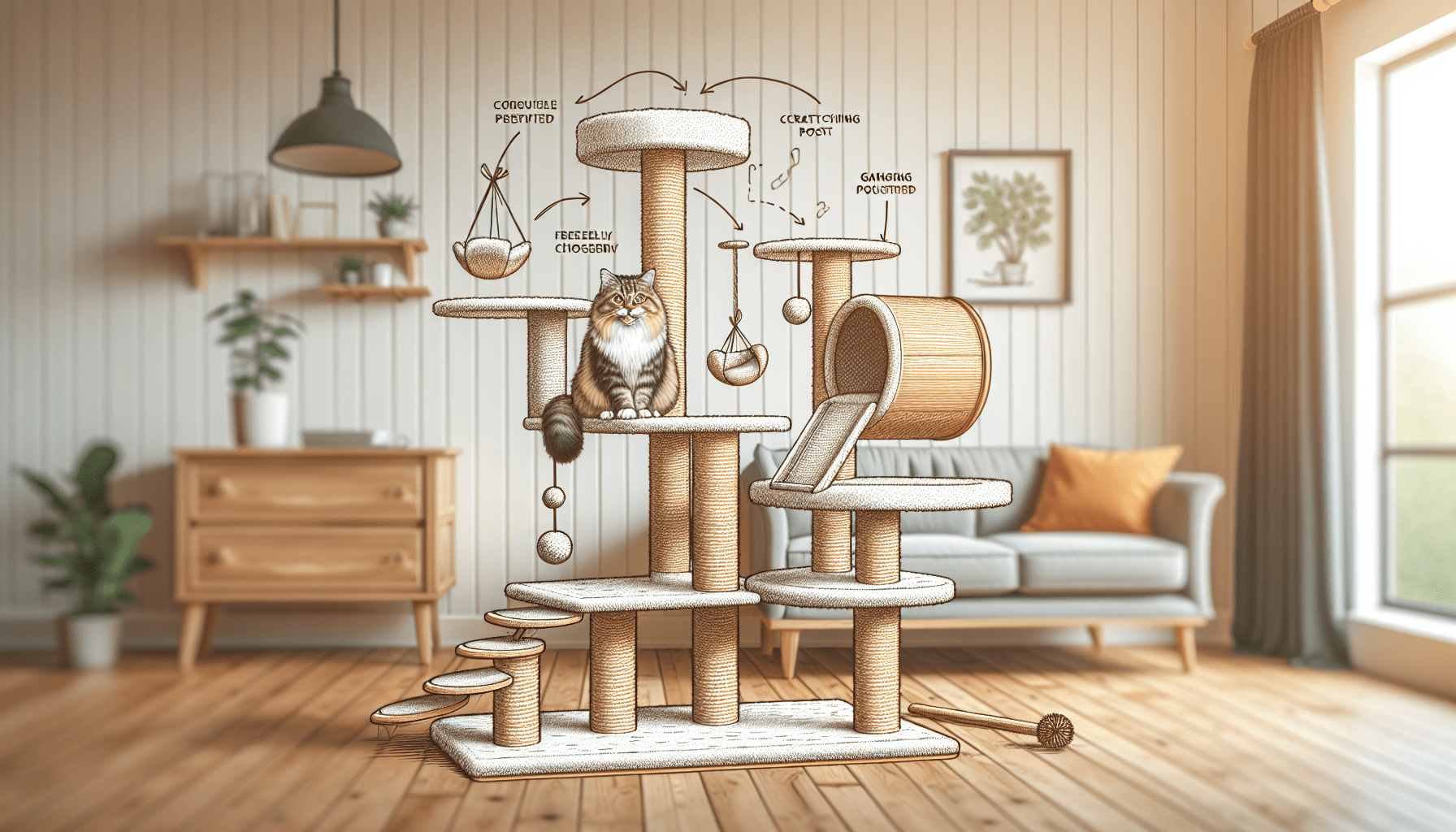
If you’re a proud cat owner and have been considering getting a cat tree, it’s essential to understand the importance of weight capacity and size limitations. A cat tree not only serves as a cozy spot for our furry friends to relax and play but also needs to be durable and safe. In this article, we’ll explore the significance of these factors and how they can impact your cat’s enjoyment and well-being. Whether you’re a first-time buyer or looking to upgrade your current cat tree, we’ve got you covered with all the information you need.
Importance of Weight Capacity
When it comes to choosing a cat tree for your furry friend, weight capacity is an incredibly important factor to consider. Cat trees provide not only a climbing and scratching surface for your cats but also a cozy spot for them to relax and observe their surroundings. However, without proper consideration of weight capacity, the safety of your cats and the longevity of the cat tree can be compromised.
Factors Affecting Weight Capacity
Several factors contribute to the weight capacity of a cat tree. One primary factor is the overall design and construction of the cat tree. Cat trees with sturdy bases, strong materials, and solid structures tend to have higher weight capacities than those with flimsy or poorly constructed components. Another factor is the quality of the materials used in the construction. High-quality materials can withstand greater weight and provide better stability for your cats.
Structural Considerations
When evaluating the weight capacity of a cat tree, it’s essential to consider its structural aspects. Look for cat trees with strong and durable support posts, ensuring that they can adequately bear the weight of your cats without wobbling or collapsing. Additionally, examine the stability of the base and ensure it is wide and sturdy enough to prevent tipping over, especially when your cats engage in playful antics or leap onto it from high platforms.
Material Selection
The materials used in the construction of a cat tree play a crucial role in its weight capacity. Opt for cat trees made with sturdy materials such as solid wood, thick particleboard, or high-quality plywood. These materials provide better support and greater weight-bearing capacity. Avoid cat trees made with weak or cheap materials, as they may not withstand the weight of multiple cats or extended use.
Understanding Size Limitations
While weight capacity is an important factor, it is also vital to consider the size limitations of a cat tree. Cats come in various sizes and weights, and a cat tree that may be suitable for a small or medium-sized cat may not accommodate a larger or heavier feline. Understanding the size limitations of a cat tree ensures that your cats have enough space to move around comfortably without feeling cramped or restricted.
Choosing the Right Size
To choose the right size of cat tree for your furry friends, consider their size, weight, and individual preferences. A cat tree with multiple platforms and perches offers more space for larger cats to sprawl out or for multiple cats to share. Additionally, take into account the vertical height of the cat tree, as some cats enjoy climbing and perching at higher levels while others prefer to stay closer to the ground.
Weight Capacity Guidelines
While weight capacity guidelines may vary depending on the manufacturer and specific design, a general rule of thumb is to select a cat tree with a weight capacity of at least 15 pounds per cat. This ensures that the cat tree can support the weight of your cat(s) comfortably. For example, if you have two cats, choose a cat tree with a minimum weight capacity of 30 pounds.
Considerations for Multiple Cats
If you are a proud parent of multiple cats, it is crucial to consider their combined weight when selecting a cat tree. Ensure that the weight capacity of the cat tree accommodates the total weight of all your cats. It’s also beneficial to choose a cat tree with multiple levels and perches, allowing each of your cats to have their own space and reducing the likelihood of overcrowding.
Weight Capacity vs. Stability
While weight capacity is important, it’s essential to remember that weight capacity alone does not guarantee stability. A cat tree with a high weight capacity but a poorly designed or unstable structure may still pose a risk to your cats. Focus on finding a balance between weight capacity and stability. Look for cat trees with solid constructions, sturdy materials, and wide bases to ensure a safe and secure environment for your cats.
Maintenance and Regular Inspections
Once you have chosen a cat tree with suitable weight capacity and size limitations, it is crucial to maintain it properly to maximize its lifespan and keep your cats safe. Regularly inspect the cat tree for any signs of wear and tear, such as loose screws or weakened posts. Tighten any loose components and repair or replace any damaged parts promptly. Additionally, encourage your cats to use scratching posts instead of the cat tree itself to minimize wear and tear.
In conclusion, when selecting a cat tree, weight capacity should be a top consideration. By choosing a cat tree that can bear the weight of your cats comfortably and providing a stable and secure structure, you ensure a safe and enjoyable environment for your feline companions. With proper maintenance and regular inspections, your cat tree can continue to provide a cozy and entertaining haven for your beloved pets for years to come.