Imagine a world where cats can form special bonds with their very own pieces of furniture. A place where the cozy cat trees we bring into our homes become more than just scratching posts and perches; they become cherished companions. But is this connection truly possible? In this article, we will explore the fascinating question of whether or not cats can truly get attached to their beloved cat trees. Prepare to unravel the mysteries of feline behavior and discover the surprising depths of their affection for these unique pieces of furniture. Yes, they do! Cats can develop a strong attachment to their cat trees for several reasons. In this article, we will explore the various factors that contribute to a cat’s attachment to their cat tree, as well as how owners can promote and enhance this attachment for the well-being of their feline companions.
Cats’ Natural Climbing Instincts
Evolutionary Background
Cats are natural climbers, and this instinct can be traced back to their wild ancestors. In the wild, cats would climb trees to escape predators, find food, and establish their territory. This instinct is deeply ingrained in their genetic makeup, and even domesticated cats still retain this natural inclination to climb.
Mimicking Tree Climbing
Cat trees provide the perfect outlet for cats to fulfill their natural climbing instincts. With various platforms, perches, and levels, cat trees mimic the branches of a tree, creating a stimulating environment for cats to explore and conquer. By giving them a safe and accessible space to climb, cat trees fulfill a fundamental need for cats.
Exercise and Stimulation
Climbing cat trees not only satisfies the cats’ natural instincts but also provides them with much-needed exercise and mental stimulation. Regular climbing and jumping on the cat tree help cats stay active, burn off excess energy, and maintain a healthy weight. Additionally, navigating the different levels and platforms on the cat tree engages their minds, keeping them mentally stimulated and preventing boredom.
Sense of Security Offered by Cat Trees
Height Advantage
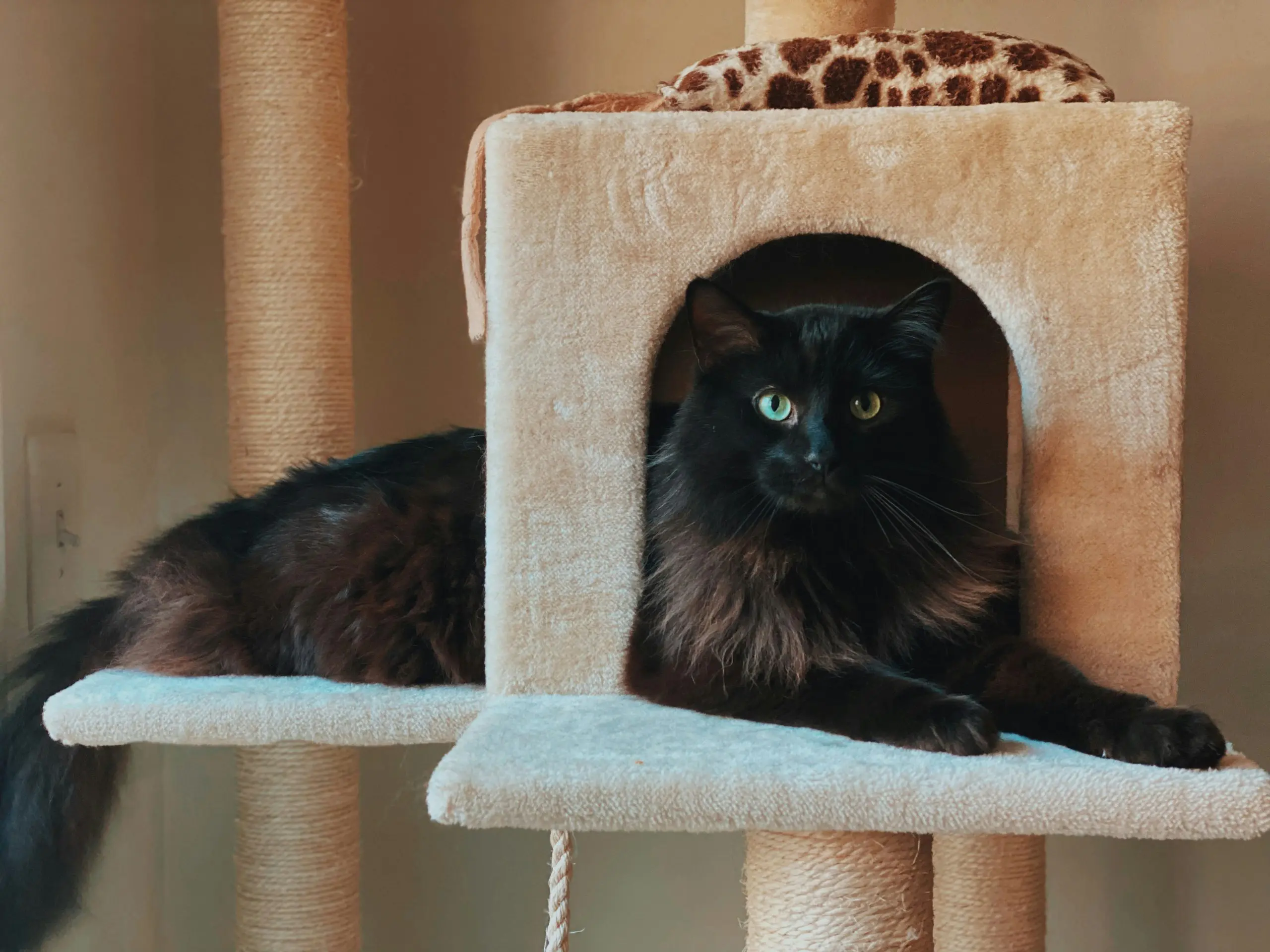
Cats are natural predators, and having a height advantage gives them a sense of security. Cat trees provide elevated perches that offer a commanding view of their surroundings. From this vantage point, cats can observe their territory, monitor potential threats, and feel confident and secure in their environment.
Escape Route
Cat trees also serve as an escape route for cats when they feel threatened or overwhelmed. By climbing up the cat tree, they can remove themselves from potentially stressful situations, such as the presence of other pets or loud noises. Having a designated safe space like a cat tree helps cats feel in control and provides them with a quick and accessible escape route when needed.
Safe Retreat
In addition to serving as an escape route, cat trees also offer a safe retreat for cats to relax and recharge. Cats often seek out quiet and secluded spots to rest, and the levels and platforms of a cat tree provide the perfect private space. By having their own designated area on the cat tree, cats can retreat to a safe and peaceful space whenever they desire solitude and relaxation.
Observation Point for Cats
Predator Awareness
One of the primary reasons why cats get attached to cat trees is the increased predator awareness it provides. By climbing to higher platforms, cats can keep a watchful eye on their surroundings and detect any potential threats. This elevated observation point allows cats to maintain their innate instinct to be aware of their environment and stay one step ahead of potential dangers.
Visual Stimulation
Cat trees offer cats an enhanced visual experience by providing them with a panoramic view of the room. They can observe their human family members, other pets, or wildlife outside the window, which provides visual stimulation and entertainment. This visual enrichment is essential for cats’ mental well-being and helps prevent boredom and frustration.
Surveying Territory
Cats are territorial animals, and having a bird’s eye view of their territory is crucial for them. Cat trees allow cats to survey their surroundings and establish territorial boundaries by marking their presence. By strategically positioning their cat tree in a central location, owners can give their feline companions a sense of ownership and control over their living space.
Scratching Post Function of Cat Trees
Natural Behavior
Scratching is an innate behavior for cats. It helps them shed the outer layer of their claws, stretch their muscles, and mark their territory. Cat trees often come equipped with scratching posts, providing cats with a designated area to indulge in this natural behavior. Having a scratcher on the cat tree prevents cats from damaging furniture or carpets and encourages them to engage in appropriate scratching behavior.
Marking Territory
In addition to scratching, cats also mark their territory through scent glands located on their paws. When they scratch on a cat tree, they transfer their scent onto the surface, signaling to other cats that this is their territory. This territorial marking helps cats feel more secure and confident in their environment.
Nail Maintenance
Regular scratching also helps cats maintain healthy claws. By scratching on the rough surface of a cat tree, cats can naturally file down their nails, preventing them from becoming overgrown or causing discomfort. The scratching function of cat trees not only benefits cats’ physical well-being but also provides mental satisfaction and promotes a sense of ownership over their surroundings.
Cat Trees as Personal Space
Creating a Territory
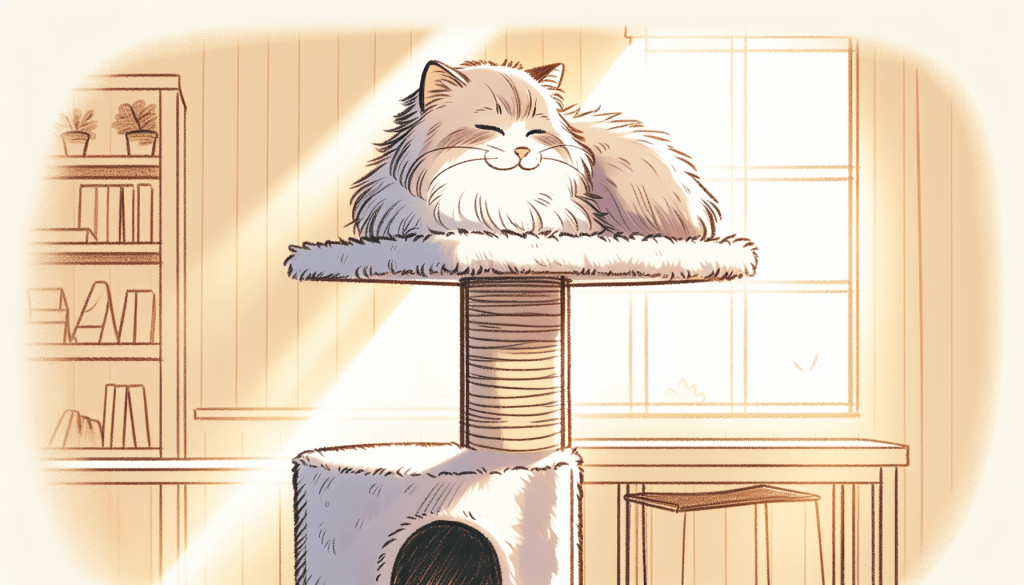
Cat trees provide cats with their own defined space, creating a sense of territory. By having a dedicated area on the cat tree, cats can establish boundaries and have a place that they can call their own. This personal space is essential for their overall well-being as it allows them to feel secure, protected, and in control of their environment.
Comfort and Relaxation
Cats can find comfort and relaxation on their cat trees. The soft padding, cozy beds, and warm hiding spots offer a comforting and soothing environment for cats to unwind and destress. Having a comfortable space specifically designed for their needs helps cats feel safe and at ease, promoting their overall mental and emotional well-being.
Reducing Stress
Cat trees play a significant role in reducing stress for cats. The vertical nature of cat trees allows cats to escape from potential stressors on the ground, such as children, other pets, or loud noises. By providing them with a space where they can retreat and relax, cat trees help cats manage their stress levels and maintain a sense of balance and calm in their lives.
Factors That Influence Cat’s Attachment
Cat Tree Design
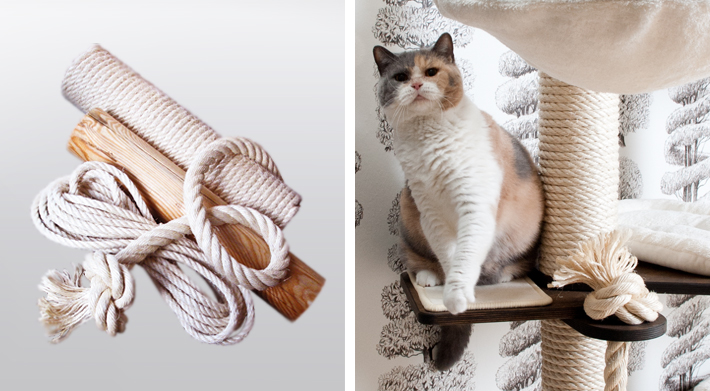
The design of the cat tree can greatly influence a cat’s attachment to it. A sturdy and well-built cat tree that offers various levels, platforms, and hiding spots will be more attractive to cats. Additionally, incorporating materials that cats find appealing, such as sisal rope for scratching, cozy bedding for lounging, and interactive toys for stimulation, can further enhance their attachment to the cat tree.
Location in the House
The placement of the cat tree within the house is crucial in determining a cat’s attachment to it. Placing the cat tree near a window allows cats to enjoy the view and observe the outside world, increasing their interest and engagement. Ideally, the cat tree should be positioned in a quiet area where the cat can have uninterrupted privacy and relaxation.
Level of Comfort
A comfortable cat tree is more likely to attract cats and become their go-to spot. Soft and plush bedding, cozy hiding spots, and ample space for stretching and lounging are all factors that contribute to a cat’s comfort level. Investing in a cat tree that prioritizes comfort and meets the specific needs of the cat will increase the likelihood of a strong attachment.
Interaction with Other Cats
If there are multiple cats in the household, the presence of other cats and their interaction with the cat tree can influence a cat’s attachment to it. Cats are social animals and may develop a stronger attachment to a cat tree if they see their feline companions using and enjoying it. Encouraging positive interactions and play between cats on the cat tree can reinforce their attachment and make it a shared space.
Signs of Cat’s Attachment to Cat Trees
Regular Use and Occupancy
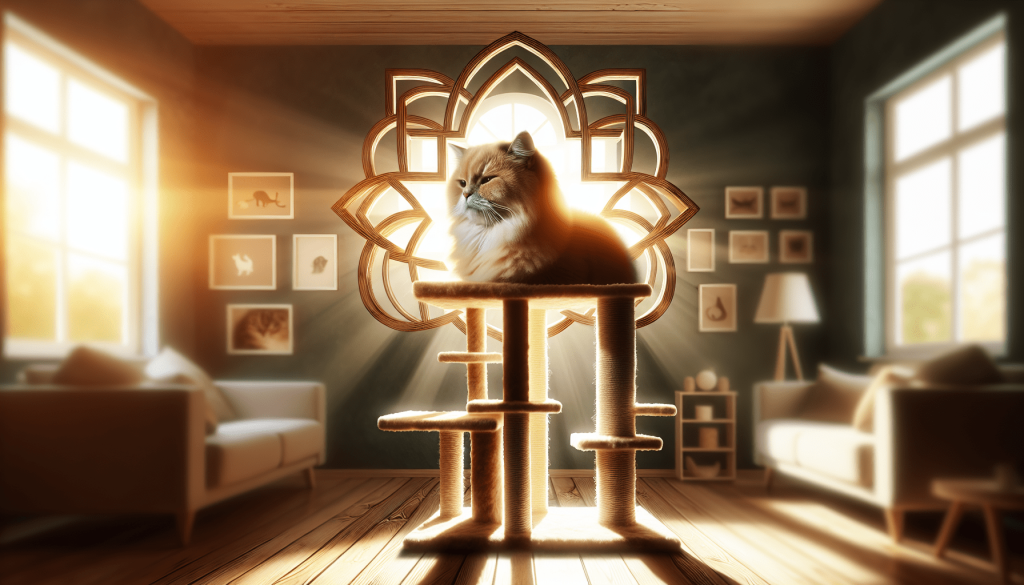
A clear sign of a cat’s attachment to a cat tree is regular and consistent use. If a cat spends a significant amount of time on the cat tree, climbing, playing, and lounging, it indicates that they have formed a strong bond with it. Cats who view the cat tree as their preferred resting spot and return to it repeatedly show a clear attachment to their special space.
Reluctance to Share
Cats can display possessiveness over their cat trees when they are attached to them. If a cat shows reluctance to share the cat tree with other cats or becomes territorial when another cat approaches, it suggests a strong sense of ownership and attachment to the tree. This possessiveness is a clear indication that the cat sees the cat tree as their personal space.
Scent Marking
Another sign of a cat’s attachment to a cat tree is scent marking. Cats have scent glands on their paws, and when they scratch or rub against the cat tree, they leave behind their unique scent. Scent marking is a way for cats to establish their presence and mark their territory, indicating a strong attachment to the cat tree.
Sleeping and Napping
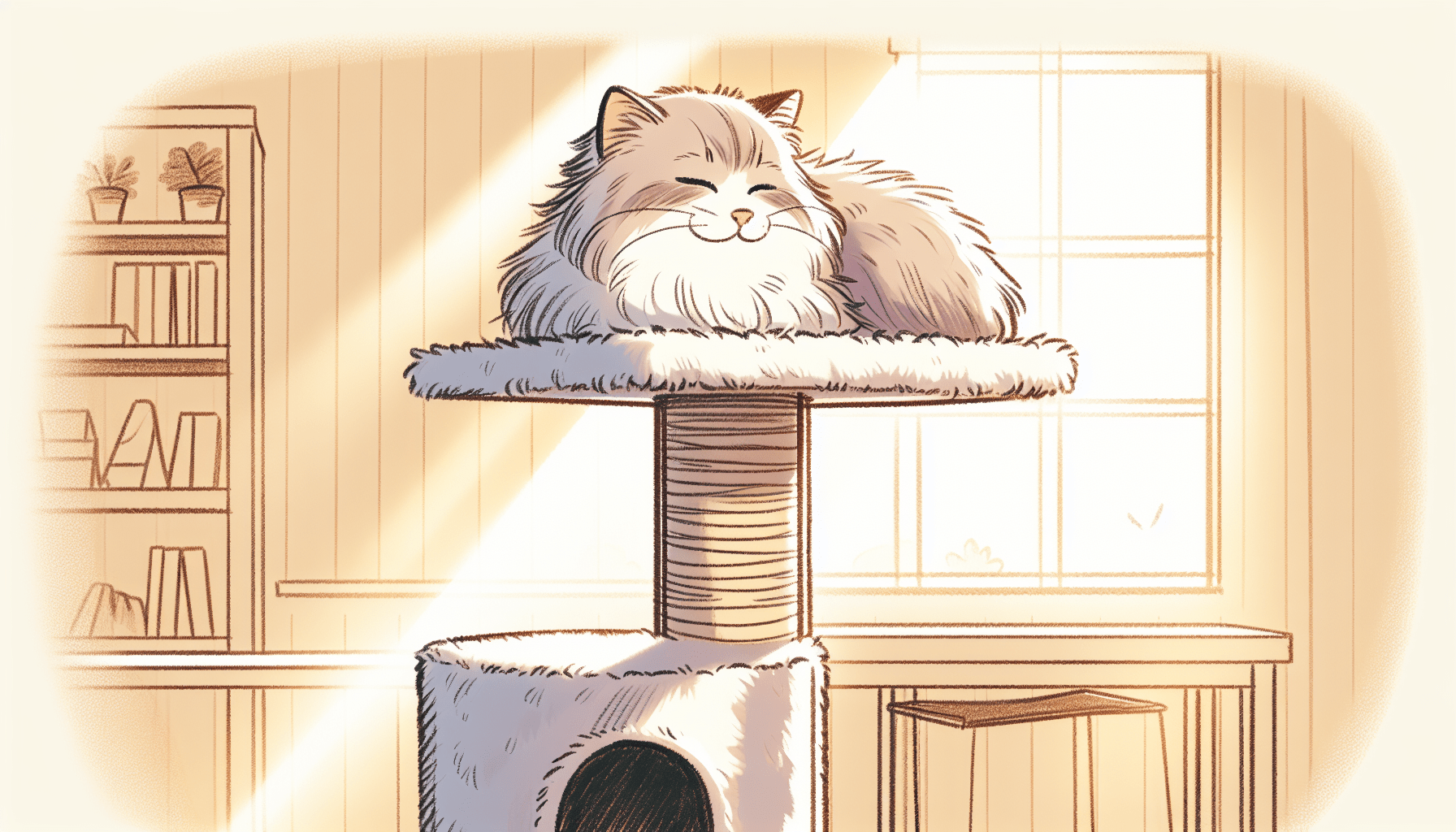
Cats who choose to sleep or nap on their cat trees demonstrate a deep attachment to the space. By selecting the cat tree as their preferred sleeping spot, cats show that they feel safe, relaxed, and comfortable in that area. Sleeping on the cat tree is a clear indicator of trust, as cats are vulnerable when they sleep and choose to do so in a place where they feel secure.
Promoting and Enhancing Cat’s Attachment
Choosing High-Quality Cat Trees
Investing in a high-quality cat tree is essential to foster a strong attachment. Look for sturdy construction, durable materials, and a design that meets the specific needs of your cat. A well-built cat tree will not only provide a safe and secure space for your cat but will also withstand their frequent use and minimize the risk of accidents or injury.
Providing Multiple Cat Trees
If you have multiple cats, having more than one cat tree can help prevent any conflicts or competition over territory. Each cat should have their own designated cat tree, allowing them to establish their individual spaces and reduce the likelihood of territorial disputes. Providing multiple cat trees ensures that each cat has a place where they can feel comfortable and secure.
Placing Cat Trees Strategically
Strategic placement of cat trees throughout the house is essential to encourage their use and maximize their benefits. Position cat trees near windows, where cats can enjoy the view and engage in visual stimulation. Place them in quiet areas away from high-traffic zones to provide a sense of privacy and tranquility. By strategically placing cat trees, you can cater to your cat’s needs and preferences, promoting their attachment to these designated spaces.
Encouraging Play and Exploration
Play and exploration are vital for cats’ overall well-being. Encourage your cat to engage with their cat tree through interactive toys, dangling feathers, or treats placed on different levels. Make the cat tree an exciting and stimulating environment by incorporating elements that tap into their natural instincts. By actively engaging with their cat tree, cats will develop a stronger attachment to it.
Rewarding with Treats and Affection
Positive reinforcement is key to strengthening a cat’s attachment to their cat tree. Reward your cat with treats or affection whenever they use their cat tree or exhibit desirable behavior associated with it. By associating positive experiences and rewards with the cat tree, cats will develop a positive association and form a strong attachment to the space.
Conclusion
Understanding why cats get attached to cat trees is essential for providing them with a fulfilling and enriched environment. From satisfying their natural climbing instincts to offering a sense of security, observation point, scratching post, and personal space, cat trees fulfill a variety of needs for our feline companions. By considering factors such as cat tree design, location, comfort, and interaction with other cats, we can enhance their attachment and overall well-being. By investing in high-quality cat trees, providing multiple options, placing them strategically, and encouraging play and exploration, we can strengthen our cats’ attachment to their special spaces. Ultimately, by prioritizing and supporting their attachment to cat trees, we enhance the happiness and contentment of our beloved feline friends.