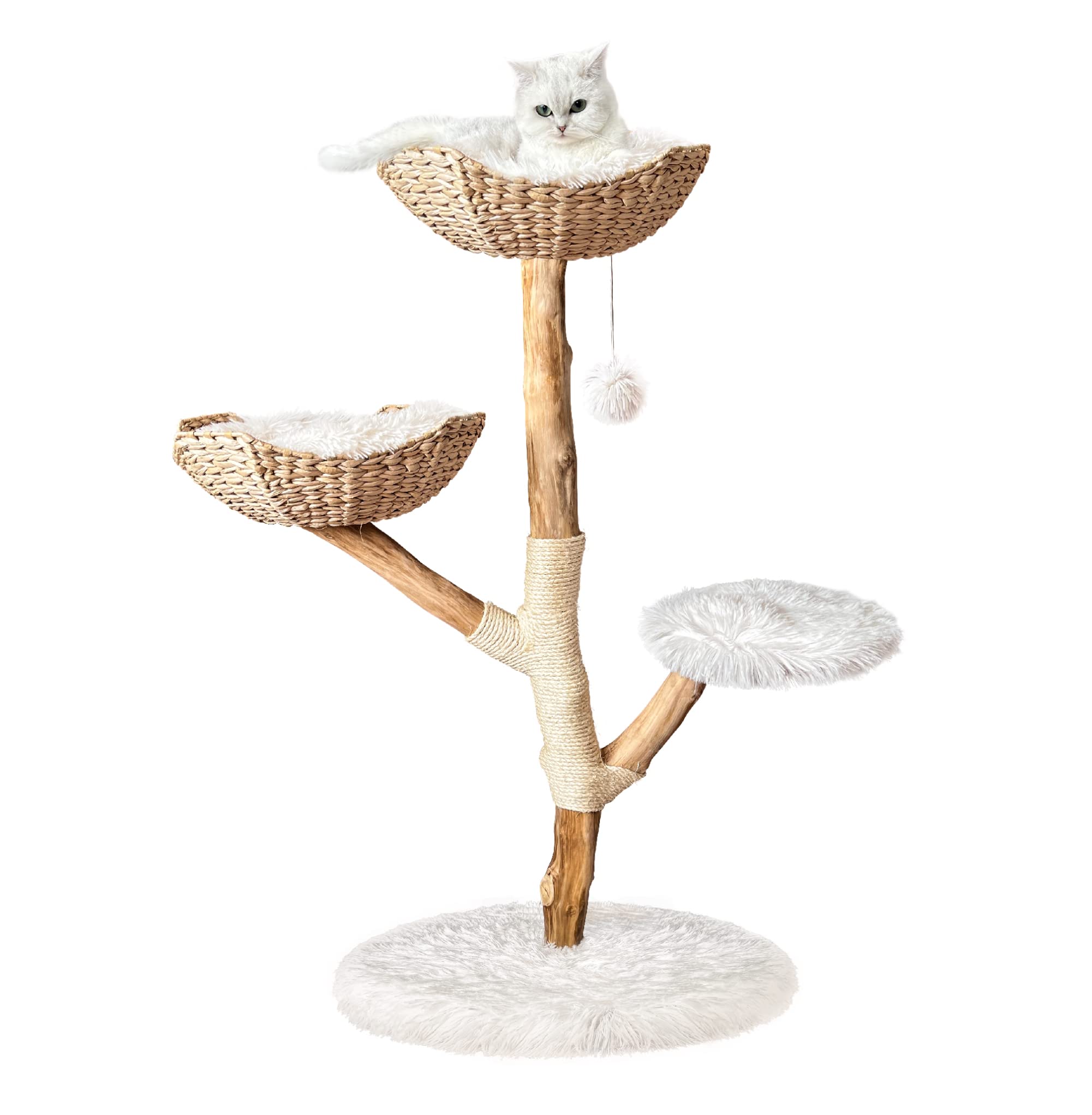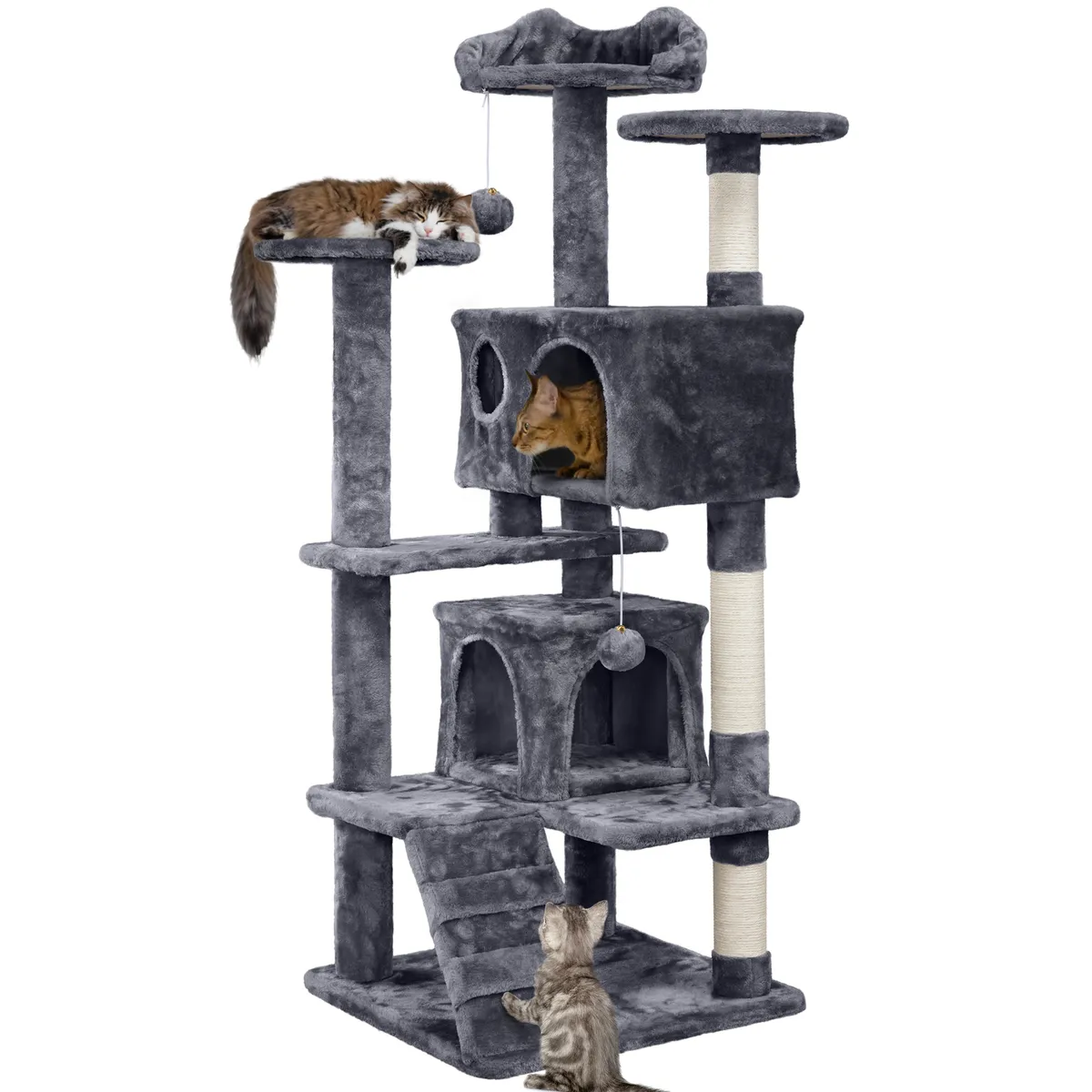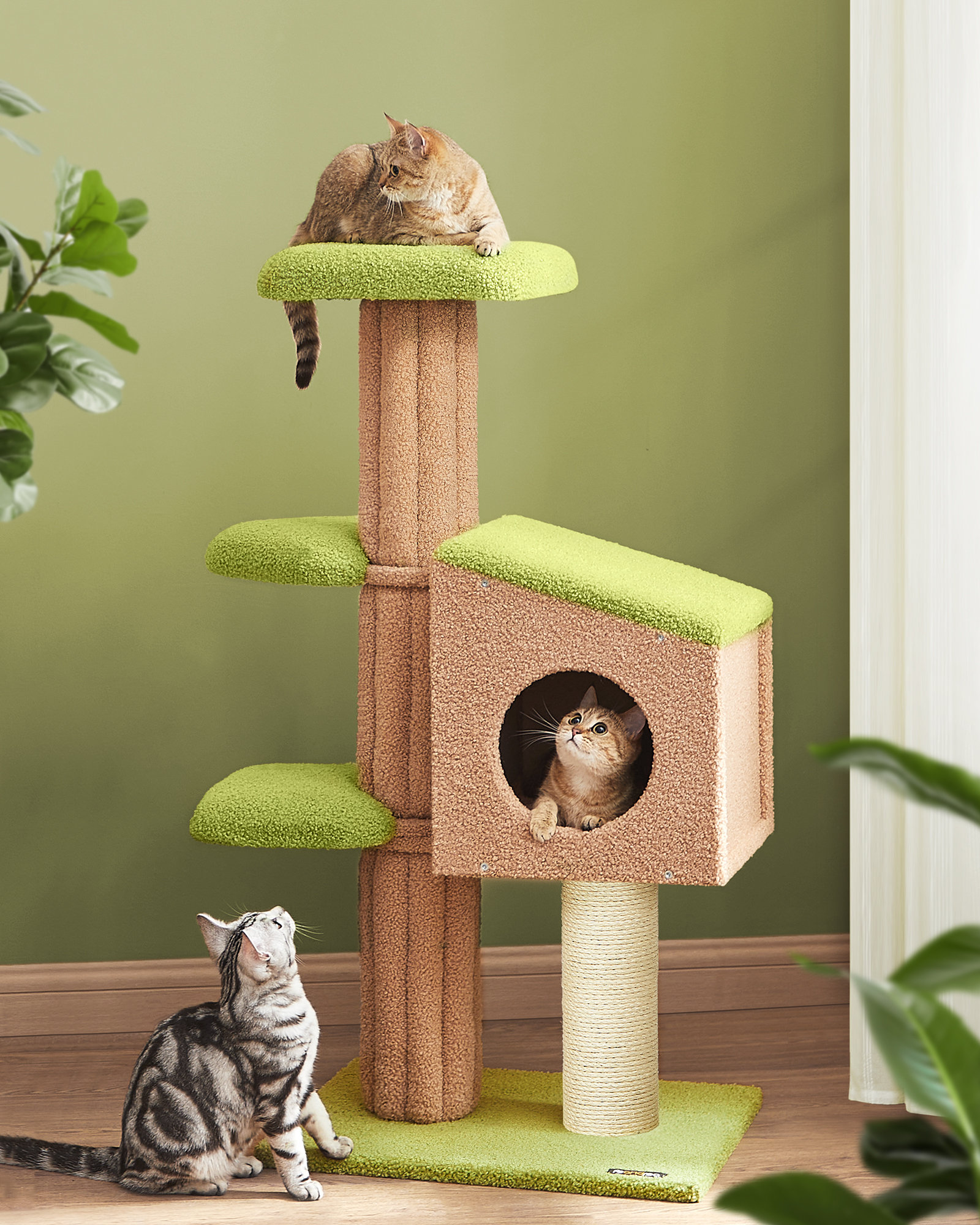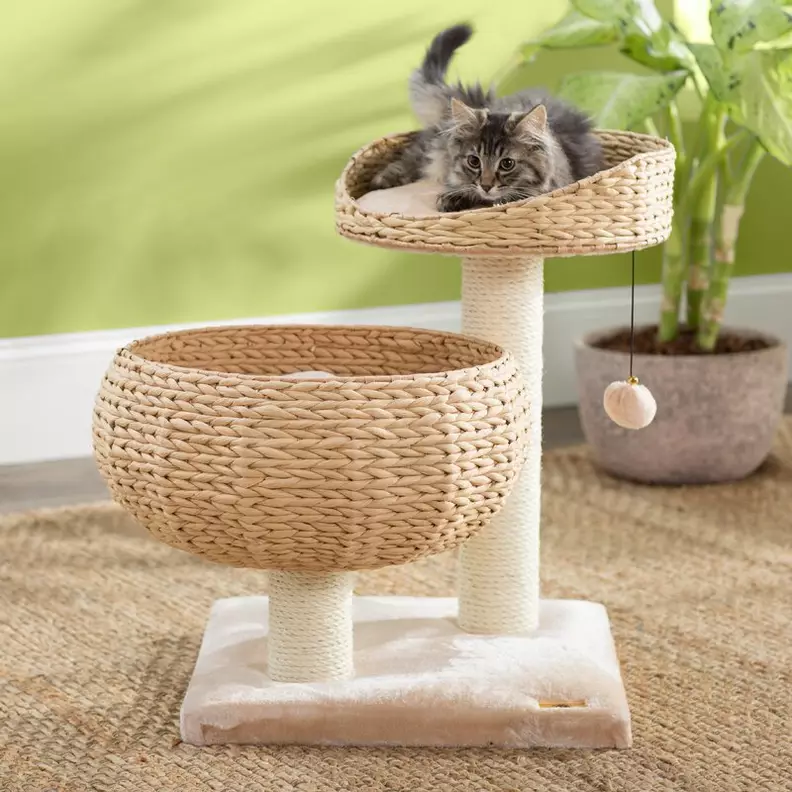
If you’re a proud cat owner, you’ve probably wondered whether your feline companion truly needs a cat tree. Well, fear not! This article seeks to answer that very question and shed some light on the mysterious allure of these towering structures in the eyes of our furry friends. So, grab a cup of tea and join us as we explore the fascinating world of cat trees and uncover whether they are truly essential for your beloved whiskered companion.
Physical and mental stimulation
Climbing and jumping
Cats are natural climbers and jumpers, and providing them with a cat tree allows them to fulfill these instinctive behaviors. A cat tree serves as a vertical playground where your feline friend can explore, climb, and jump to their heart’s content. This physical activity not only provides them with exercise but also helps to keep their muscles toned and their joints flexible.
Scratching
One of the most important functions of a cat tree is to provide a dedicated scratching surface for your furry friend. Cats have a natural instinct to scratch, and by offering them a designated area to do so, you can protect your furniture from their sharp claws. A cat tree that includes scratching posts or surfaces will satisfy their need to scratch, keeping them happy and saving your precious upholstery.
Perching and observing
Cats are curious creatures who love to observe their surroundings from an elevated position. A cat tree provides them with the perfect vantage point to survey their domain. By having a comfortable perch on the cat tree, your feline companion can keep an eye on everything that’s happening in your home, satisfying their curiosity and providing mental stimulation.
Hunting and playing
A cat tree can also serve as a platform for hunting and playing. Many cat trees come with dangling toys or feather attachments that entice cats to swat, pounce, and play. This interactive playtime not only provides physical exercise but also stimulates their natural hunting instincts. Having a cat tree with built-in toys will keep your furry friend entertained for hours, preventing boredom and promoting a healthy, active lifestyle.
Environmental enrichment
Creating vertical space
Indoor cats often lack the opportunity to explore their environment vertically like their outdoor counterparts. By providing a cat tree, you can create vertical space for your cat to climb and explore. This vertical elevation adds a new dimension to their living space, allowing them to experience their surroundings from different heights and perspectives.
Providing a sense of territory
Having a cat tree helps create a sense of territory for your feline friend. Cats are territorial animals, and by having a designated space that belongs solely to them, they feel more secure and confident in their environment. A cat tree acts as their own personal domain where they can relax, sleep, and play without any disturbances from other pets or humans.
Offering different textures
A cat tree with various textures provides sensory stimulation for your cat. Different materials like carpet, sisal, or plush fabric can be incorporated into the cat tree to cater to your cat’s preferences. This variety of textures not only adds visual interest but also allows your cat to engage in natural behaviors like scratching, kneading, and rubbing, ensuring their physical and mental needs are met.
Adding variety to the environment
Cats thrive in an environment that offers diversity and choice. By incorporating a cat tree into your home, you introduce a new element that adds variety to your cat’s surroundings. This variety helps prevent monotony and boredom, as your cat can explore different levels, platforms, and play features on the tree. A cat tree adds excitement and enrichment to your cat’s everyday life.

Preventing behavioral problems
Redirecting scratching behavior
Cats have an innate need to scratch, and without an appropriate outlet, they may resort to scratching your furniture or walls. A cat tree with scratching posts or surfaces redirects this behavior by providing a suitable alternative. By encouraging your cat to use the scratching surfaces on the cat tree, you can save your furniture from damage and promote healthy scratching habits.
Reducing furniture damage
A cat tree not only redirects scratching behavior but also protects your furniture from claw marks and damage. Cats often scratch to remove the outer sheath of their claws, and having a cat tree with scratching surfaces helps facilitate this natural grooming process. By giving your cat a dedicated place to scratch, you can minimize the potential destruction of your beloved furniture.
Alleviating boredom and stress
Indoor cats can easily become bored and stressed without enough mental and physical stimulation. A lack of stimulation often leads to behavioral problems such as excessive meowing, aggression, or destructive behaviors. A cat tree provides an outlet for your cat to engage in natural behaviors like climbing, scratching, and playing, alleviating boredom and reducing stress.
Promoting healthy exercise
Regular exercise is essential for cats to maintain a healthy weight and prevent obesity-related health issues. A cat tree encourages physical activity by providing opportunities for climbing, jumping, and playing. By incorporating exercise into their daily routine, you can ensure that your cat stays fit, active, and mentally stimulated.
Stress reduction
Creating a safe space
A cat tree can act as a safe space for your cat, providing them with a retreat when they feel overwhelmed or anxious. Cats are naturally inclined to seek out high perches for security, and a cat tree offers them a elevated spot where they can observe their surroundings and feel safe. Having a dedicated safe space helps reduce stress and provides comfort to your feline companion.
Offering a retreat from other pets or children
If you have multiple pets or young children in your household, a cat tree can offer your cat a quiet and peaceful retreat away from the chaos. It provides them with a vertical escape where they can relax and recharge without being bothered by other animals or children. This separation from potential stressors promotes a harmonious living environment for all members of your furry family.
Providing a comfortable and familiar spot
Cats are creatures of habit and appreciate having their own comfortable spot to curl up in. A cat tree often includes cozy platforms or beds where your cat can relax and sleep. This comfortable and familiar spot becomes their personal oasis, allowing them to feel secure in their own space and reducing anxiety.
Reducing anxiety and promoting relaxation
Vertical spaces, like those provided by a cat tree, help cats release stress and anxiety. Cats instinctively feel safer when they have a higher vantage point to observe potential dangers. By having a cat tree, your furry companion can find solace in this elevated space, promoting relaxation and reducing anxiety and fear.
Promoting healthy habits
Encouraging regular exercise
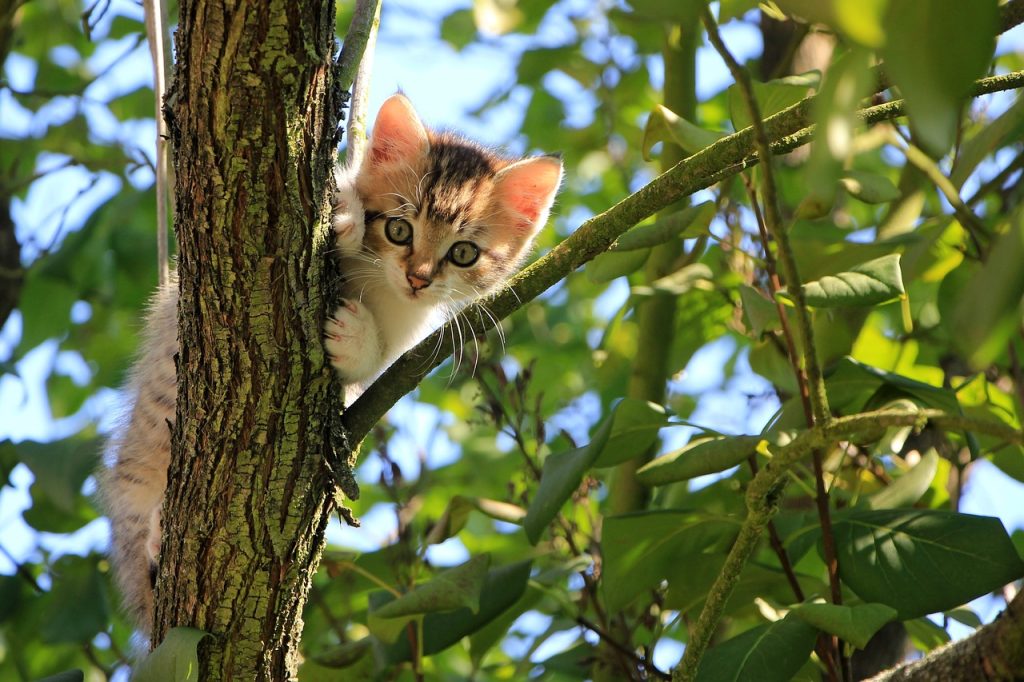
A cat tree encourages your cat to engage in regular exercise, which is crucial for their overall health and well-being. Climbing, jumping, and playing on the cat tree provides a full-body workout for your feline friend. Regular exercise helps maintain a healthy weight, strengthens their muscles, and keeps their joints limber.
Stimulating natural instincts
A cat tree allows cats to indulge in their natural instincts such as climbing, scratching, and jumping. These activities are not only enjoyable for them but also crucial for their physical and mental stimulation. By providing a cat tree, you are creating an environment that promotes and stimulates their natural behaviors, leading to a happier and more contented cat.
Maintaining proper nail health
Scratching is not only a natural behavior for cats but also helps maintain the health of their nails. Regular scratching helps remove the old, outer layers of their claws, promoting proper nail health. A cat tree with scratching surfaces provides a dedicated area for this important grooming behavior, preventing overgrown or ingrown nails.
Facilitating healthy scratching behavior
In addition to nail health, a cat tree also facilitates healthy scratching behavior overall. Cats scratch to mark their territory, stretch their muscles, and relieve stress. By providing a cat tree with scratching posts or surfaces, you are giving them an appropriate outlet for these behaviors. This not only saves your furniture but also ensures your cat’s needs are met in a positive and constructive manner.
Suitability for indoor cats
Compensating for limited space
Cat trees are particularly beneficial for indoor cats who may have limited space to explore and roam. By providing a cat tree, you compensate for the restricted living environment and offer your cat an opportunity to engage in natural behaviors within the confines of your home. It expands their territory vertically and enriches their indoor experience.
Mimicking outdoor experiences
For indoor cats, a cat tree can simulate the experience of being outdoors. By climbing, perching, and observing from the cat tree, they can mimic the sensations and sights they would encounter in the natural world. This helps alleviate the boredom and frustration that can arise from being confined indoors and provides a stimulating environment for your cat.
Avoiding potential dangers
Allowing your cat to roam outdoors unsupervised can expose them to various dangers like traffic, predators, or hazardous substances. Providing a cat tree enables them to experience the benefits of climbing and perching without the risks associated with being outside. It ensures their safety while still fulfilling their natural instincts and need for exploration.
Reducing the risk of obesity
Indoor cats are more prone to obesity due to their sedentary lifestyle. A cat tree encourages physical activity, which helps reduce the risk of weight gain and obesity-related health problems. By providing an outlet for exercise and mental stimulation, you can promote a healthier weight for your furry friend and contribute to their overall well-being.
Benefits for multi-cat households
Preventing conflicts over resources
In households with multiple cats, conflicts over resources like perching spots or scratching areas can arise. A cat tree with multiple platforms and scratching surfaces can help alleviate these conflicts by providing enough space for each cat to have their own designated area. This promotes harmony and reduces tension among your feline companions.
Providing separate territories
Just like humans, cats appreciate having their own personal space. A cat tree with multiple levels and platforms offers each cat their individual territory, where they can retreat to and feel a sense of ownership. This separation of personal space helps minimize territorial disputes and promotes a more peaceful living arrangement for both you and your cats.
Offering opportunities for social interaction
While separate territories are essential, it’s also crucial to provide opportunities for social interaction among your cats. A cat tree with various levels and perches allows cats to interact with each other, whether it’s through play, observation, or sharing resting spots. This social interaction strengthens their bond and fosters a sense of companionship in a multi-cat household.
Reducing stress and tension
Living with multiple cats can sometimes be stressful for them, as they may need to establish their hierarchy within the social group. However, a cat tree can help reduce stress and tension by providing alternative spaces for each cat to retreat to and relax. This allows them to have personal time and minimizes potential conflicts, promoting a harmonious and stress-free environment.
Choosing the right cat tree
Considering size and stability
When choosing a cat tree, consider the size and stability of the structure. The cat tree should be tall enough to provide vertical space for climbing and have a stable base to prevent tipping over during vigorous play. Ensure that the platforms and perches are large enough to accommodate your cat comfortably and safely.
Evaluating different materials
Cat trees come in a variety of materials, and it’s important to evaluate which ones will suit your cat’s preferences. Some cats may prefer soft plush fabric, while others may enjoy the texture of sisal or carpet. Assess your cat’s scratching habits and preferences to determine the most suitable material for the scratching surfaces on the cat tree.
Assessing climbing and perching options
A good cat tree should offer various climbing and perching options to cater to your cat’s needs. Look for features like ramps, ladders, or sisal-covered posts that provide climbing opportunities. Additionally, ensure that the perching platforms are spacious and comfortable, allowing your cat to rest or observe their surroundings with ease.
Checking for scratching surfaces
Scratching is a natural behavior for cats, so it’s important to choose a cat tree that includes dedicated scratching surfaces. Look for scratching posts or panels made of sisal rope, carpet, or corrugated cardboard. These materials provide the optimal texture for cats to scratch and help promote healthy scratching habits.
Budget-friendly alternatives
DIY cat trees
If a traditional cat tree is not within your budget, consider creating a DIY cat tree using various materials like sturdy cardboard boxes, wooden shelves, or PVC pipes. There are numerous tutorials available online that provide step-by-step instructions for building a custom cat tree. DIY cat trees are not only budget-friendly but also allow for customization to suit your cat’s preferences.
Wall-mounted shelves
Wall-mounted shelves are an excellent alternative to traditional cat trees, especially for space-constrained environments. These shelves can be installed at various heights on the walls, allowing your cat to climb, perch, and observe their surroundings. Wall-mounted shelves are not only cost-effective but also offer flexibility in terms of design and layout.
Cardboard scratchers
Cardboard scratchers are a budget-friendly option that serves the dual purpose of providing a scratching surface and a resting spot for your cat. These scratchers often come in various shapes and sizes, allowing your cat to scratch horizontally or vertically. They are easy to replace when worn out and provide a simple yet effective solution for satisfying your cat’s scratching needs.
Interactive toys and puzzles
Incorporating interactive toys and puzzles into your cat’s environment is another budget-friendly alternative to a cat tree. These toys can simulate hunting and prey behavior, encouraging your cat to engage in active play. Puzzle toys, treat dispensers, or laser pointers provide mental stimulation and keep your cat entertained, even without a cat tree.
Conclusion
In conclusion, providing a cat tree for your furry friend offers numerous benefits in terms of physical and mental stimulation, environmental enrichment, stress reduction, and overall well-being. A cat tree not only satisfies their natural instincts to climb, scratch, and play but also promotes a healthy and happy lifestyle. Whether you choose a traditional cat tree, a DIY alternative, or other budget-friendly options, enhancing your cat’s quality of life is worth the investment. So go ahead, spoil your feline companion with a cat tree, and watch them thrive in their enriched environment!