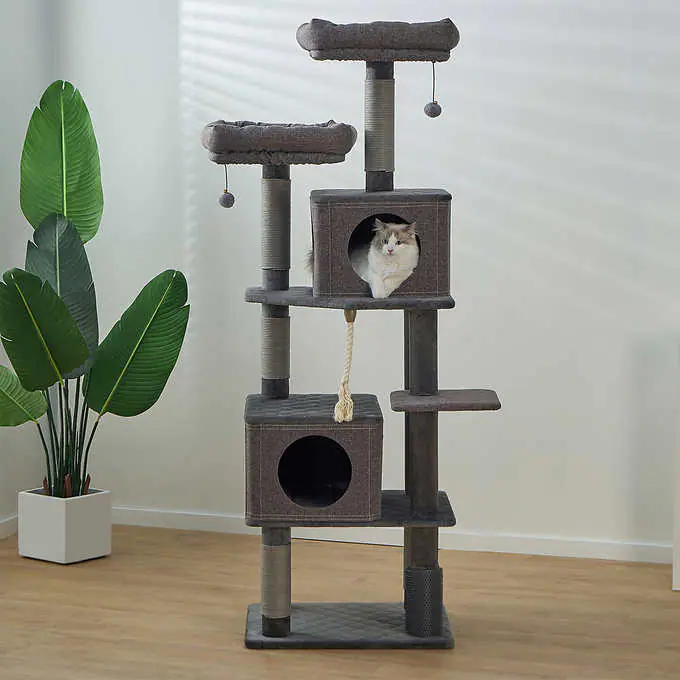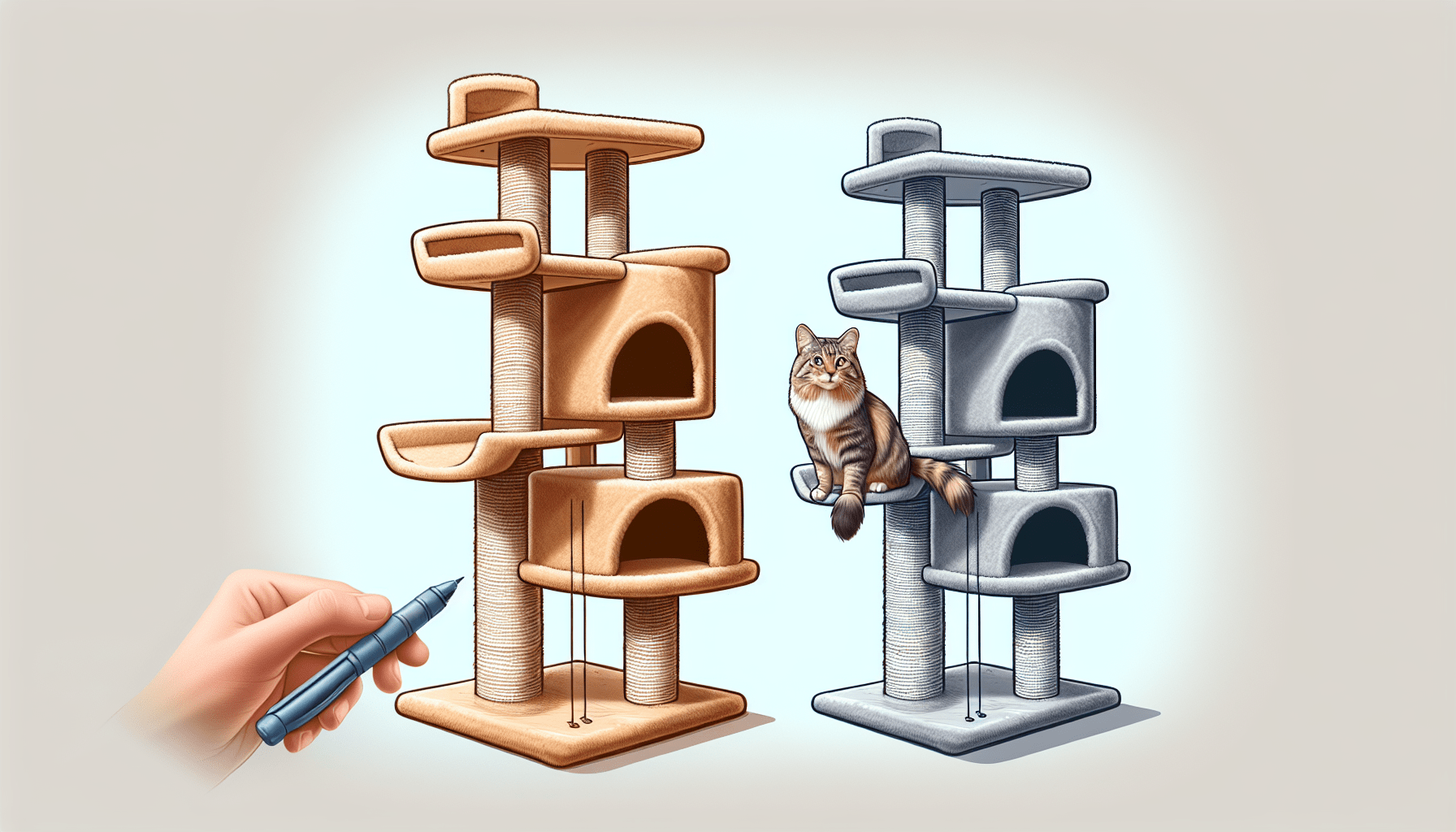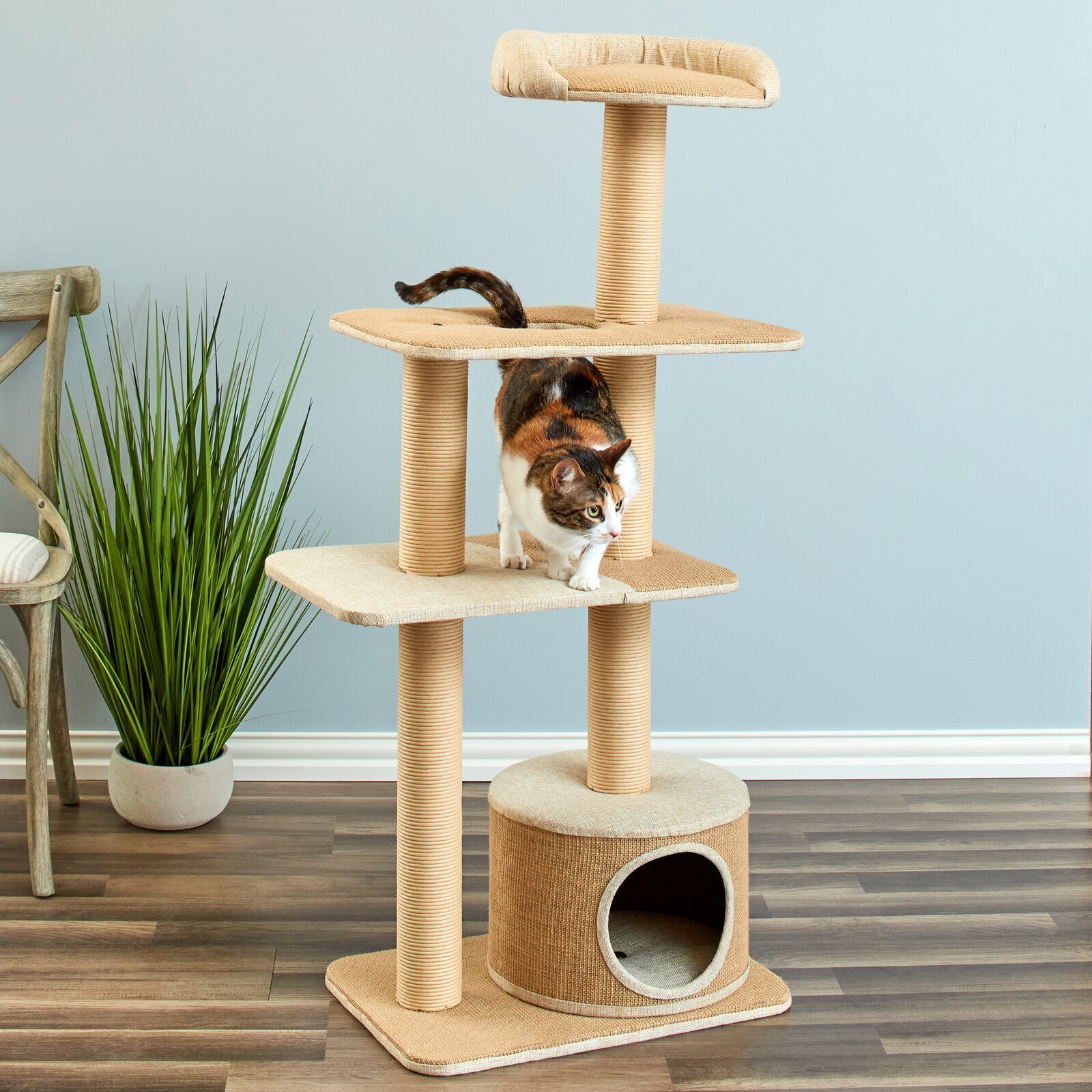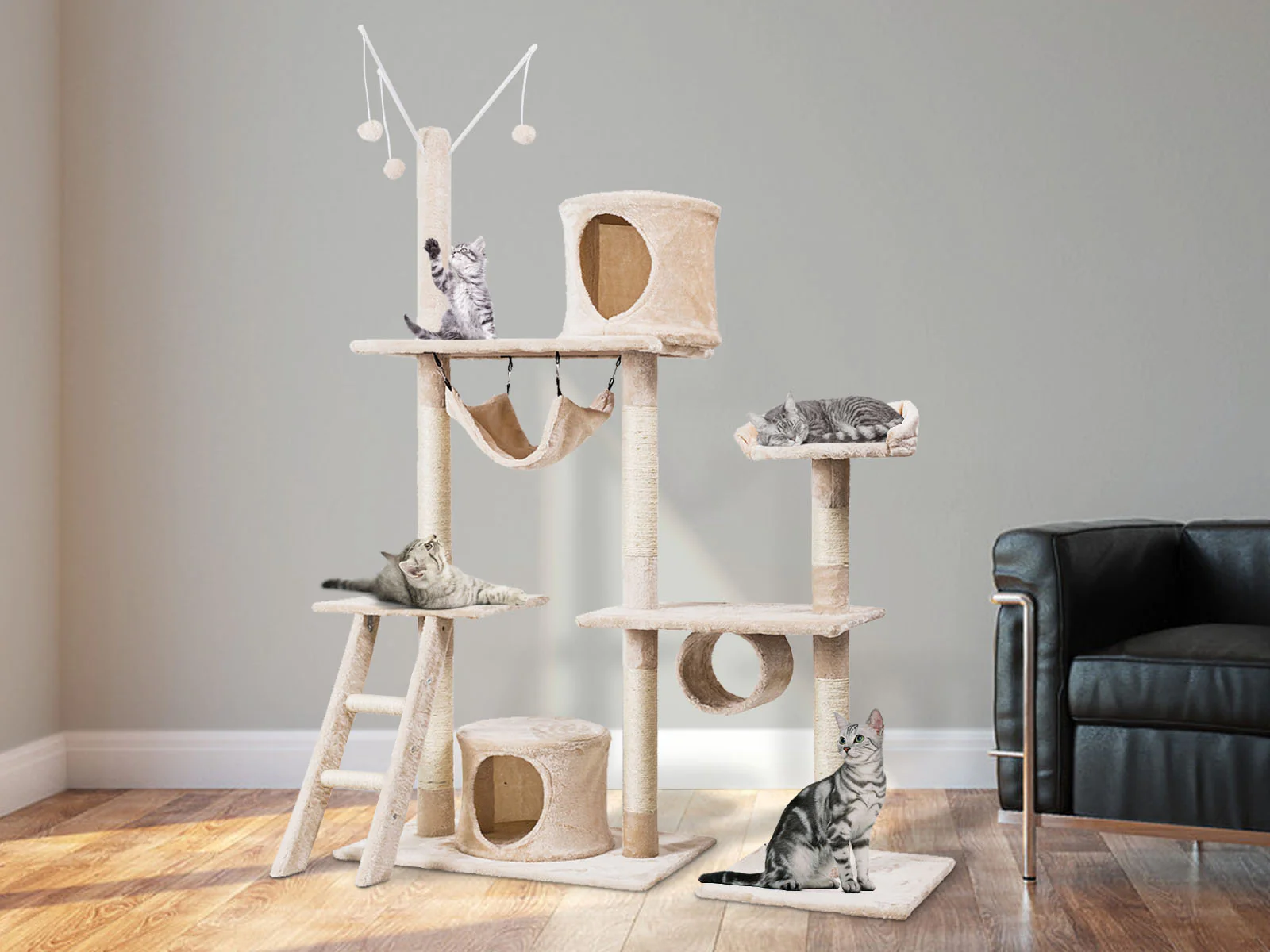
Imagine this: you walk into a room and see an intricately designed structure towering in the corner. It’s a cat tree, adorned with toys, platforms, and cozy nooks. But what captures your attention is the resident feline, perched on the highest branch, looking down at you with a sense of ownership. You may wonder, how do cats know cat trees are for them? In this article, we will explore the mysterious instincts and behaviors that make cats gravitate towards these arboreal wonders. Prepare to be amazed by the fascinating world of cat psychology!
Introduction
Welcome to the world of cats and their love for vertical spaces! In this article, we will explore how cats instinctively feel drawn to certain behaviors and adaptations that make them well-suited for climbing, perching, and enjoying the heights. From their marking territory habits to their physical adaptations, we will uncover the fascinating reasons behind their affinity for vertical spaces. So, let’s dive in and understand why cats simply adore cat trees!
Instinctual Behavior
Marking Territory
One of the primary reasons cats are so irresistibly drawn to cat trees is their instinctual need to mark their territory. Cats have scent glands in their paws, cheeks, and other parts of their bodies. When they climb up a cat tree and rub against it, their scent is left behind. This activity serves as a way for them to claim ownership of their designated space, sending a clear signal to other cats that the tree is already occupied.
Climbing and Perching
Climbing and perching are natural behaviors for cats. In the wild, they would climb trees to escape predators or to get a better vantage point for hunting. This instinctual behavior has been passed down through generations, even though house cats may not necessarily have the same survival needs. Nevertheless, the desire to climb and perch remains strong, and cat trees provide the perfect outlet for them to exercise this innate behavior.
Hunting and Pouncing
Cats are natural-born predators, and even though our feline companions are well-fed, their hunting instincts are still intact. Cat trees offer an ideal platform for them to practice their stalking, pouncing, and agility skills. Perched on the higher levels of the tree, cats can observe their surroundings and simulate hunting scenarios. This engagement not only entertains them but also provides a sense of purpose and fulfillment.
Familiarity with Vertical Spaces
Natural Habitat
In their native environments, cats are accustomed to diverse landscapes that involve trees, branches, and various elevated platforms. It is only natural for them to seek out similar environments indoors. Cat trees simulate the vertical aspects of their natural habitat, making cats feel at home and allowing them to exhibit instinctive behaviors in a safe and controlled environment.
Observation of Humans
Cats are astute observers, and they learn so much from watching their human companions. If they observe you climbing on a ladder or perching on a stool, they may associate those actions with being comfortable and secure. Cat trees provide a similar experience, allowing them to imitate their humans and experience the same level of comfort and relaxation.
Learning from Other Cats
Cats are known for their independent nature, but they do learn from observing and interacting with other cats. If they see another cat confidently enjoying a cat tree, it becomes an incentive for them to explore it as well. Cats are social creatures to some extent, and they often learn by observing and mimicking the behaviors of their fellow felines.
Physical Adaptations
Flexible Body
Cats have incredibly flexible bodies, thanks to their highly developed spines and muscles. Their vertebrae are designed to provide flexibility and to enable them to twist and turn effortlessly. This physical adaptation allows them to navigate effortlessly through the narrow and winding pathways of a cat tree, making every jump and leap seem graceful and effortless.
Sharp Claws
Another physical characteristic that makes cat trees so appealing to felines is their sharp claws. Cats have retractable claws that serve multiple purposes, including climbing and grasping. Cat trees provide the perfect surface for them to exercise their claws, helping to keep them strong and healthy. By scratching the different levels and surfaces of the tree, cats also leave a visual and olfactory mark, further establishing their territory.
Powerful Muscles
Cats possess powerful muscles, particularly in their hind limbs. This muscular strength allows them to jump and leap great distances, making navigating a cat tree seem like a piece of cake. The various levels and platforms of a cat tree provide an opportunity for cats to showcase their athletic prowess, as they effortlessly ascend and descend the tree with the grace and precision that only cats possess.
Scent Markings
Territory Identification
Cats are territorial animals, and scent plays a crucial role in defining their territories. When they “claim” a cat tree by rubbing against it with their scent glands, they are marking it as an extension of their territory. By doing so, cats feel a sense of security and comfort, knowing that they have established their presence and boundaries within their environment.
Comfort and Familiarity
Scent markings also serve as a source of comfort and familiarity for cats. The pheromones they leave behind on the cat tree act as a reassuring scent that they associate with safety and tranquility. This scent provides a sense of continuity and stability in their surroundings, making the cat tree an inviting and relaxing space for them to retreat to whenever they need a moment of solace.
Sense of Height and Security
Elevation Advantage
Cats have an innate understanding of the advantages of height. Being elevated provides them with a strategic vantage point, enabling them to survey their environment and spot potential prey or threats. Cat trees elevate cats to a comfortable height, allowing them to observe their surroundings while feeling safe and secure. From their elevated perch, they can keep a watchful eye on the world below.
Escape Routes
In the wild, cats rely on their agility and quick reflexes to escape from predators. Having access to multiple escape routes is essential for their survival. Cat trees offer cats a variety of levels and perching spots, creating an environment with multiple escape routes. This sense of security allows them to relax and enjoy their space, knowing that they have options if they ever need to make a hasty exit.
Feeling Safe
Safety is paramount for cats, and vertical spaces provide a sense of security that appeals to their instinctual need for protection. By climbing up a cat tree, they can retreat from any potential threats they may perceive on the ground level. Knowing that they are out of reach and observing from above helps to reduce their anxiety and provides them with a comforting sense of control over their environment.
Comfort and Relaxation
Cozy Spot to Rest
Whether it’s the plush cushions on the perches or the enclosed hideaways within the cat tree, these cozy spots provide cats with the perfect resting place. Cats love to curl up in snug spaces where they can feel safe and relaxed. Cat trees offer multiple options for them to find their ideal spot, each one providing a sense of comfort and security, making it the go-to place for a peaceful cat nap.
Scratching and Stretching
Cats have a strong natural urge to scratch and stretch as a way of exercising their muscles and maintaining healthy claws. Cat trees often come equipped with scratching posts or sisal-covered surfaces, enticing cats to indulge in this instinctual behavior. By scratching on the cat tree, they not only keep their claws in check but also leave visual and scent marks, further reinforcing the tree as their personal territory.
Privacy and Solitude
Cats enjoy their alone time, and cat trees offer them a private and secluded space to retreat to when they need a break from the world. Whether it’s a concealed hiding spot or a high perch that overlooks the room, cat trees provide cats with a space where they can be alone and observe their surroundings in peace. This solitude allows them to recharge and find comfort in their own company.
Environmental Enrichment
Mental Stimulation
Cats are intelligent beings and thrive on mental stimulation. Cat trees offer a variety of levels, perches, and toys that engage their curiosity and provide mental challenges. From navigating the different platforms to swatting at dangling toys, cats find endless opportunities for play and exploration on a cat tree. This mental stimulation helps to keep their minds sharp and provides an outlet for their natural instincts.
Exercise and Play
Just like humans, cats need regular exercise to maintain a healthy weight and overall well-being. Climbing, jumping, and playing on a cat tree provide the perfect opportunity for cats to get their daily dose of exercise. Whether they are chasing a ball attached to a string or leaping from one perch to another, these activities engage their muscles and keep them physically active, contributing to their overall health and happiness.
Reducing Stress and Anxiety
Cats can be prone to stress and anxiety, especially in multi-cat households or in environments with limited vertical spaces. Cat trees help alleviate these feelings by offering cats a dedicated space of their own. With the option to retreat to their own perch or hideaway, cats can reduce stress and anxiety by having a safe space where they can escape from potential conflicts or disturbances in the household.
Training and Encouragement
Positive Reinforcement
Cats respond positively to rewards and encouragement. When they explore and use the cat tree, it’s essential to provide positive reinforcement in the form of praise, treats, or playtime. By associating their actions with positive outcomes, cats become more motivated to use the cat tree regularly. This positive reinforcement strengthens the bond between you and your cat and encourages them to engage with the tree in a way that promotes their well-being.
Rewards and Treats
Treats can play a crucial role in encouraging cats to use the cat tree. Placing treats on different levels or hiding them within the tree can entice cats to explore and climb. By rewarding them with treats when they use the cat tree, you create a positive association and reinforce the idea that the tree is a fun and rewarding place to be. This positive reinforcement will further encourage their attachment and usage of the cat tree.
Creating Associations
Cats are highly receptive to associations and can quickly learn to connect certain behaviors with specific outcomes. By associating desirable activities with the cat tree, such as playtime, feeding, or petting, cats will start to understand that the tree is a central and rewarding part of their environment. Introducing these associations gradually and consistently will help them develop a strong connection to the cat tree and ensure its continual use.
Conclusion
Cat trees are much more than just a piece of furniture for your feline friend. They offer an array of benefits that cater to their instinctual behaviors, physical abilities, and emotional well-being. From marking territory and climbing to providing mental stimulation and a sense of security, cat trees are designed to meet cats’ natural inclinations and provide a space where they can truly be themselves. So, embrace the innate desires of your cat and give them the gift of a cat tree – a vertical paradise that will enrich their lives and bring them endless joy and contentment.