Have you ever wondered why your cat goes absolutely bonkers on the cat tree? It may seem like a random burst of energy, but there’s actually a fascinating reason behind it. In this article, we’ll explore the intriguing world of feline behavior and uncover why your furry friend is so obsessed with their vertical playground. From instinctual hunting behaviors to territorial marking, you’ll soon discover the secrets behind your cat’s wild antics on the cat tree. Get ready to unravel the mystery and gain a deeper understanding of your feline companion.
Physical Exercise
Cats need exercise
Just like humans, cats also need regular exercise to maintain their overall health and well-being. Exercise helps cats burn off excess energy, maintain a healthy weight, and prevent obesity-related health issues. It is important for cat owners to provide opportunities for their feline friends to engage in physical activities to keep them healthy.
Cat trees provide a great way for cats to burn off energy
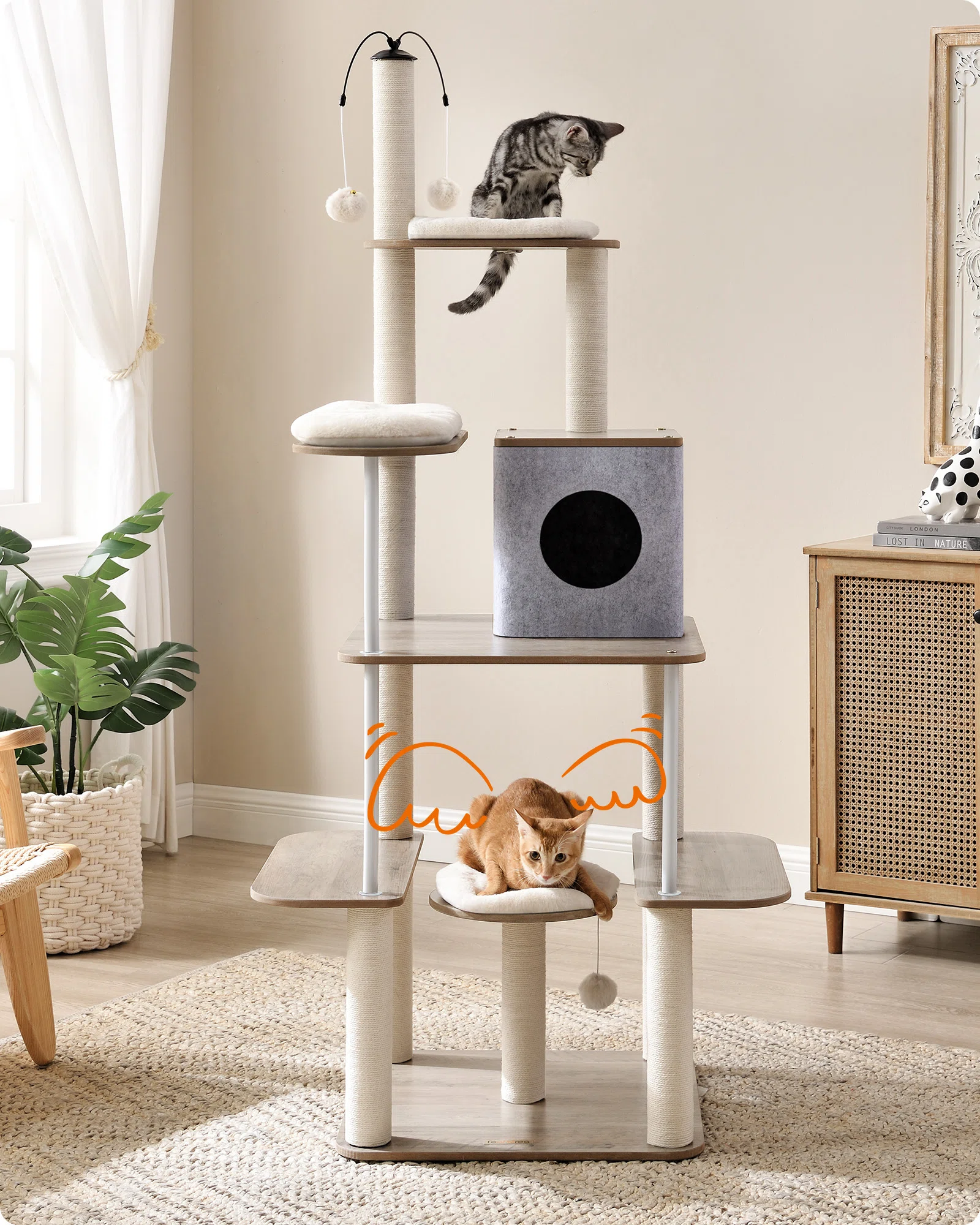
Cat trees are the perfect solution for providing cats with a dedicated space to exercise and burn off their pent-up energy. These structures are designed with various platforms, perches, and climbing surfaces that allow cats to jump, climb, and explore their surroundings. With a cat tree, your feline friend can indulge in exhilarating activities like leaping from one level to another, chasing toys, and even engaging in a playful game of hide-and-seek. It serves as an indoor playground for them, ensuring they can engage in physical exercise even if they don’t have access to the outdoors.
Physical activity is important for cat’s overall health
Engaging in physical activity is not only beneficial for a cat’s physical health but also for their mental and emotional well-being. Regular exercise helps keep their muscles toned, promotes flexibility, and improves overall cardiovascular health. Additionally, physical activity stimulates the release of endorphins, which are natural mood enhancers, leaving your feline friend feeling happier and more content. It can also help alleviate stress and anxiety, providing an outlet for their natural instincts.
Natural Instincts
Climbing is a natural behavior for cats
Cats have an innate instinct to climb and explore their environment. In the wild, they would climb trees to escape predators, gain a better vantage point, or even hunt for prey. This instinctual behavior has been passed down through generations, even though our domesticated companions may not face the same survival challenges. Understanding their natural instincts and providing them with an environment that caters to these needs is essential for their well-being.
Cats feel secure and in control when they are up high
When cats are up high, they experience a sense of security and control. It allows them to observe their surroundings from a safe distance, keeping a watchful eye on any potential threats or interesting activities. Being elevated reduces their vulnerability and provides them with a comfortable space where they can relax and monitor their territory. This natural behavior contributes to their emotional well-being and helps them feel more at ease in their surroundings.
Cat trees mimic the natural environment of a cat
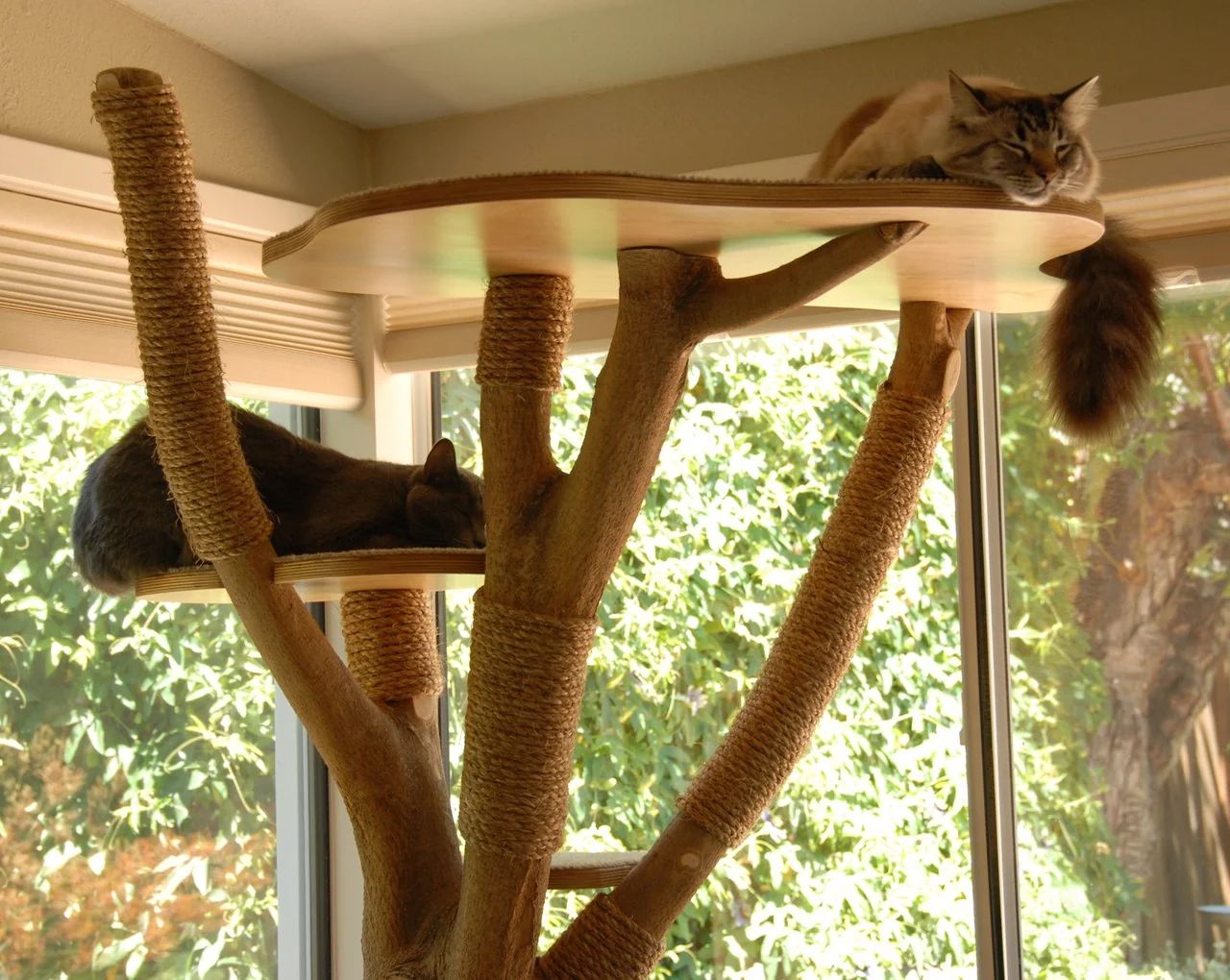
Cat trees are designed to mimic the natural environment that cats would encounter in the wild. By incorporating various levels, perches, and platforms, cat trees provide a perfect substitute for trees and other elevated surfaces found in nature. This allows cats to fulfill their climbing instincts in a safe and controlled environment, without the risks associated with outdoor exploration. By providing this stimulating environment, cat trees offer a way for cats to engage in their natural behaviors within the comfort and safety of your home.
Mental Stimulation
Cats need mental stimulation
Just like physical exercise, mental stimulation is crucial for a cat’s overall well-being. Cats are intelligent creatures that thrive on mental challenges, problem-solving, and exploration. Without adequate mental stimulation, cats can become bored, leading to a range of behavioral issues such as destructive chewing, excessive meowing, or aggression. It is vital to ensure that our feline friends have opportunities to engage their minds and keep their mental faculties sharp.
Cat trees provide opportunities for exploration and problem-solving
Cat trees offer a plethora of opportunities for cats to explore and engage in problem-solving activities. The different levels, hiding spots, and interactive toys found on a cat tree encourage cats to investigate and discover new things. They can jump from one platform to another, hop inside a cozy hiding spot, or even play with dangling toys. This type of mental stimulation keeps their minds active, prevents boredom, and satisfies their natural curiosity.
Climbing on a cat tree engages a cat’s brain
Climbing and navigating a cat tree require cats to use their brains to plan their moves, judge distances, and problem-solve their way to different levels and perches. This mental engagement helps keep their cognitive skills sharp and provides a healthy outlet for their natural hunting instincts. As they leap and climb, they are constantly assessing their environment and calculating their next move, challenging their brains in a fun and stimulating way.
Scratching Behavior
Cats scratch to mark their territory
Scratching is a natural behavior for cats and serves a vital purpose in their lives. When cats scratch, they leave both a visual and scent mark. The visual mark serves as a warning to other cats, indicating that the territory is already claimed. The scent mark is left by the glands in their paws, which leaves behind a pheromone signature that tells other cats that this territory is already claimed. It is important to provide appropriate outlets for this behavior to prevent cats from scratching furniture or other undesirable surfaces.
Cat trees often have scratching posts built-in
Many cat trees come equipped with built-in scratching posts, making them the perfect solution for providing cats with a designated area to satisfy their scratching needs. These scratching posts are often covered with rough textures like sisal rope, which provides an enticing surface for cats to dig their claws into. By incorporating this feature into the cat tree, you are not only providing a scratching outlet but also helping to protect your furniture and other belongings.
Climbing and scratching on a cat tree helps keep a cat’s claws healthy
Regular climbing and scratching on a cat tree contribute to the maintenance of a cat’s healthy claws. Scratching helps remove the dead outer layer of the claw, keeping them sharp and ready for hunting or self-defense. Additionally, the act of stretching and flexing their claws while climbing helps promote healthy circulation in the paws. By engaging in these activities, cats can prevent their claws from becoming overgrown or ingrown, which could lead to discomfort or other health issues.
Vertical Territory
Cats have a natural desire for vertical territory
Cats have an instinctual desire for vertical territory, which emulates their natural habitat in the wild. In their ancestral environment, cats would climb trees to seek safety, observe potential prey, and establish their territory. Providing vertical territory is essential for cats to feel secure and comfortable in their indoor environment. It allows them to exhibit their natural behaviors and fulfill their needs.
Cat trees offer cats their own space and territory
Cat trees provide cats with their very own space and territory within the home. Each level, perch, or platform on the cat tree offers a designated area where a cat can perch, relax, and observe their surroundings. By having their own space, cats can establish their territory and feel a sense of ownership. This not only contributes to their emotional well-being but also helps reduce potential conflicts or tension among multiple cats in the household.
Being up high on a cat tree allows cats to survey their surroundings
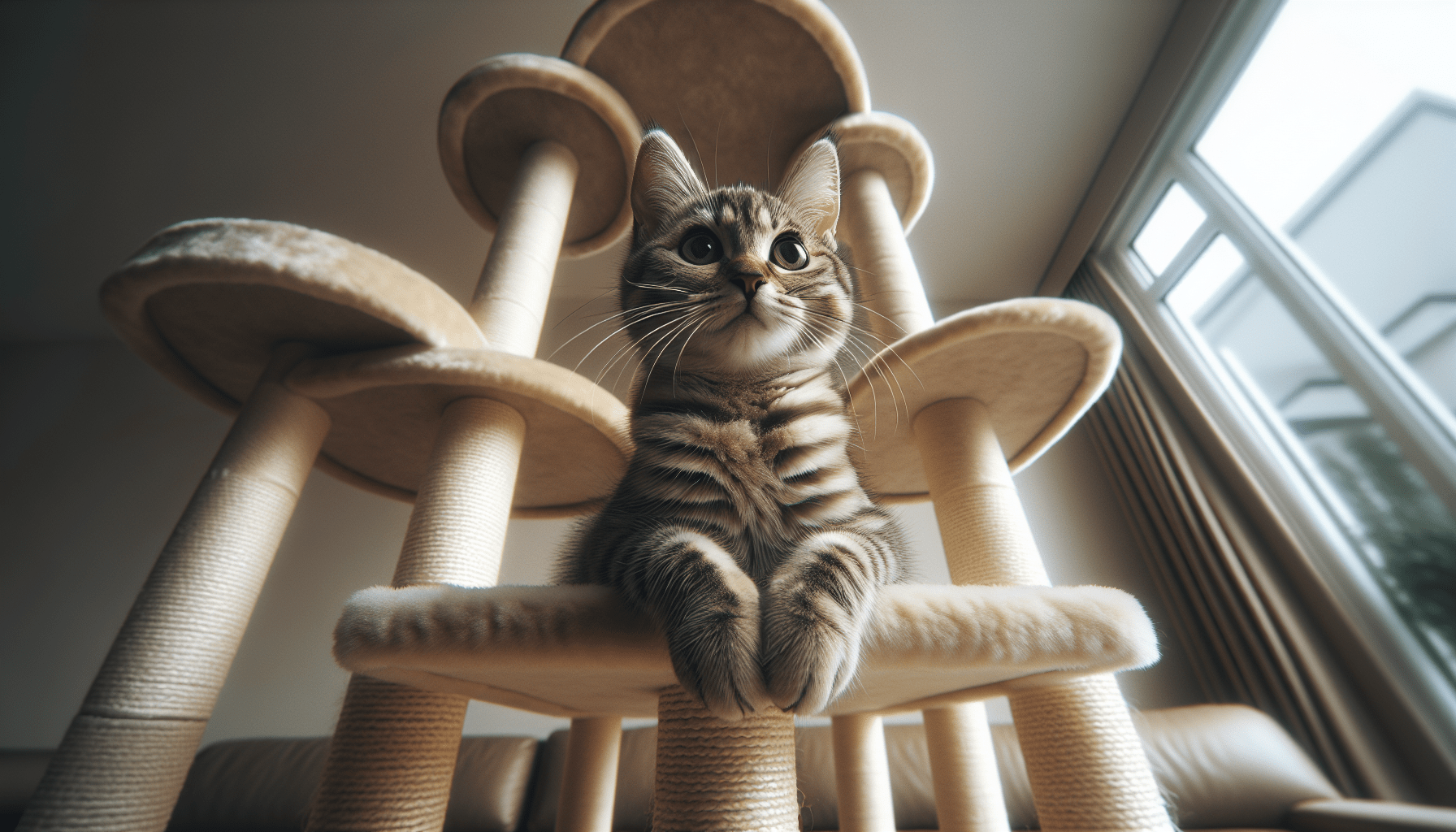
The elevated perches and platforms on a cat tree give cats an excellent vantage point to survey their surroundings. From these high positions, they can observe the activities of people, other pets, or even potential prey. This bird’s-eye view instills a sense of confidence and control in cats, allowing them to feel more secure and less vulnerable. It also fulfills their natural instinct to be aware of their environment and helps them satisfy their innate curiosity.
Escape from Other Pets
Cat trees provide a safe space for cats to get away from other pets
In a multi-pet household, it is essential to provide cats with a safe space where they can retreat and find solitude when necessary. Cat trees offer the perfect solution by providing a dedicated vertical territory exclusively for your cat. When they feel overwhelmed or need some alone time, they can climb up the cat tree and escape the attention or potential conflicts with other pets. This safe space allows them to recharge and relax without feeling threatened.
Climbing on a cat tree allows cats to avoid potential conflicts
By utilizing the different heights and levels of a cat tree, cats can physically distance themselves from other pets or territorial disputes. Climbing up to a higher perch not only helps them avoid potential conflicts but also serves as a clear visual signal to other pets that they desire some personal space. This reduces the likelihood of aggressive encounters and helps promote a more peaceful coexistence among pets in the household.
A cat tree can be a refuge for a cat seeking solitude
Cats are known for their independent and solitary nature. There are times when they simply want to be left alone, away from the hustle and bustle of the household. A cat tree provides a refuge for cats seeking solitude. It offers a cozy and elevated space where they can retreat and relax, without being bothered by other pets or disturbances. This personal sanctuary ensures that cats have a dedicated area where they can find comfort and enjoy some much-needed downtime.

Prey Hunting Behavior
Climbing on a cat tree satisfies a cat’s hunting instincts
Climbing is closely tied to a cat’s natural hunting instincts. In the wild, cats would climb trees to gain a better view of potential prey or to stalk their targets from above. Cat trees allow indoor cats to indulge in this innate hunting behavior by providing them with an elevated platform from which they can observe and plan their imaginary prey. The act of climbing and perching on a cat tree satisfies their primal instincts, even if there are no real prey animals to pursue.
Cats can pounce and jump from different levels of a cat tree
Cat trees with multiple levels and platforms offer cats the opportunity to pounce and jump from one level to another. This mimics the experience of hunting prey from various vantage points, boosting their agility and coordination. Cats can practice precise jumps, honing their hunting skills and improving their reflexes. Engaging in such playful activities not only provides physical exercise but also mentally stimulates cats, giving them a sense of satisfaction and fulfillment.
Cat trees provide opportunities for interactive play
Many cat trees come equipped with interactive toys and features that promote interactive play between cats and their owners. These toys can be dangling strings, ball tracks, or feather wands attached to the cat tree. Engaging in interactive play with these features not only strengthens the bond between you and your cat but also encourages them to utilize their hunting skills and instincts. This type of play provides both physical exercise and mental stimulation, keeping cats entertained and happy.
Environmental Enrichment
Cat trees add variety to a cat’s environment
Cats thrive on environmental enrichment, which involves providing them with a diverse range of stimulating experiences and activities. Cat trees contribute to this environmental enrichment by adding variety to a cat’s living space. The different levels, textures, and features of a cat tree offer new opportunities for exploration, play, and relaxation. This variety prevents cats from becoming bored or disinterested in their environment, ensuring they have a stimulating and fulfilling life.
Cats can explore different textures and surfaces on a cat tree
Cat trees often incorporate various textures and surfaces that cats can explore and engage with. From rough sisal rope scratching posts to soft plush bedding on perches, each texture provides a different sensory experience for cats. They can rub against the different materials, scratch their claws, knead, or even take a nap on the cozy surfaces. This tactile stimulation keeps cats engaged and satisfied, as they can indulge in their natural love for different textures and surfaces.
Having a cat tree prevents boredom and helps prevent destructive behavior
One of the main reasons cats engage in destructive behaviors, such as scratching furniture or chewing on household items, is boredom. When cats lack mental stimulation or appropriate outlets for their natural behaviors, they may resort to destructive behaviors as a means to alleviate their boredom. By providing a cat tree with various levels, perches, and activities, you are offering cats plenty of opportunities to engage in positive and fulfilling behaviors. This can help prevent destructive behaviors and promote a well-balanced and contented lifestyle.

Social Hierarchy
Cats establish their social hierarchy through vertical space
Cats are highly territorial animals and establish their social hierarchy based on access to resources and space. Vertical space plays a significant role in determining a cat’s position in the social hierarchy. By providing a cat tree with multiple levels, you are offering cats the opportunity to climb and establish their dominance or space. This vertical hierarchy reduces conflicts related to territorial disputes, as each cat can find their own personal space on different levels of the cat tree.
Having a cat tree allows multiple cats to coexist peacefully
In a multi-cat household, it is crucial to provide enough resources and spaces for each cat to coexist peacefully. Cat trees offer a solution by providing each cat with their own vertical territory. Having multiple levels and perches allows each cat to find their own personal space without encroaching on the territory of other cats. This separation helps prevent conflicts and promotes a harmonious environment where multiple cats can peacefully coexist.
Different levels on a cat tree provide cats with their own personal space
Cat trees with various levels and perches offer cats the ability to claim their own personal space within the household. Each level or perch becomes their own territory, which they can retreat to when they desire some alone time or privacy. This personal space helps reduce stress and anxiety, particularly in multi-cat households where competition for resources can lead to tension. By providing a cat tree with different levels, you are giving each cat their own designated area and promoting a peaceful and balanced social environment.
Comfort and Relaxation
Cats find comfort and relaxation in elevated spaces
It is no secret that cats love to find cozy and elevated spots to rest and relax. Whether it’s a windowsill, the top of a bookshelf, or a cat tree, being up high provides a sense of comfort and security for cats. Elevated spaces give them a vantage point from where they can observe their environment without feeling exposed or vulnerable. It allows them to curl up in a warm and cozy spot, away from potential disturbances, and enjoy some peaceful downtime.
Climbing on a cat tree allows cats to find a cozy vantage point
Cat trees provide cats with a dedicated space where they can climb and find a cozy vantage point to rest and relax. The different platforms, perches, and bedding on a cat tree offer cats a range of options to find their preferred cozy spot. Whether it’s a plush bed positioned by a window or a secluded hiding spot at the top of the cat tree, cats can choose the perfect vantage point for their comfort and relaxation.
A cat tree provides a dedicated lounging area for a cat
Cat trees serve as a designated lounging area for cats, providing them with a space that is entirely their own. Cats can climb up to their favorite perch or platform and enjoy a sense of privacy and security. They can stretch out, curl up, or simply observe their surroundings from a comfortable spot. Having this dedicated lounging area ensures that cats have a cozy and inviting space where they can unwind and recharge, making them feel right at home.