If you’re a cat lover looking to provide your furry friend with a space to climb, play, and relax, then freestanding cat trees are a must-have item for your home. This article explores the world of freestanding cat trees, offering insights and information on why they are the perfect addition to any cat owner’s household. With their sturdy construction, multiple levels, and scratching posts, these cat trees provide endless entertainment for your feline companion while also saving your furniture from their sharp claws. Whether you have a playful kitten or a lazy older cat, a freestanding cat tree is sure to keep them happy and entertained for hours on end. So why wait? Let’s explore the enchanting world of freestanding cat trees together!
Benefits of Freestanding Cat Trees
Encourages Physical Activity
Freestanding cat trees offer numerous benefits for your feline friend, and one of the most significant advantages is that they encourage physical activity. Cats are natural climbers and love to explore elevated spaces. By providing a freestanding cat tree, you offer them the opportunity to climb, jump, and play. This not only helps to keep them physically active but also promotes healthy exercise and strengthens their muscles.
Provides Entertainment
Another benefit of freestanding cat trees is that they provide entertainment for your furry companion. With various levels, platforms, and interactive toys, cat trees offer a stimulating environment that can keep your cat entertained for hours. They can climb up and down, explore different levels, and even have a cozy space to rest. This entertainment not only prevents boredom but also helps to alleviate stress and anxiety in cats.
Creates Vertical Space
Cats have an innate desire to be in high places, as it gives them a sense of security and allows them to observe their surroundings. Freestanding cat trees allow your cat to create their vertical territory within your home. Whether it’s placed near a window or in a corner with a good view, the cat tree provides a dedicated space for your cat to retreat and observe the world from above. This vertical space also helps cats to feel more comfortable and confident in their environment.
Promotes Healthy Scratching Behavior
Cats have a natural instinct to scratch, which helps them maintain healthy nail condition and stretch their muscles. Freestanding cat trees often come with dedicated scratching posts or surfaces, encouraging cats to engage in this behavior in a positive and appropriate manner. By providing a designated scratching area, cat trees help redirect the scratching behavior away from your furniture and carpets, saving your home from potential damage.
Features to Consider
Size and Stability
When choosing a freestanding cat tree, it’s essential to consider the size and stability of the tree. You want to ensure that the tree is tall enough for your cat to climb and has sufficient platforms or levels for them to explore. Additionally, stability is crucial to prevent the tree from wobbling or tipping over during vigorous play. Look for cat trees with a sturdy base and consider the weight and size of your cat to determine the appropriate size and stability for your furry friend.
Materials and Durability
The materials used in the construction of the cat tree and its durability are also important factors to consider. Cats can be quite rough on their play equipment, so you’ll want to choose a cat tree made from high-quality and durable materials. Opt for structures that are built to withstand scratching, jumping, and climbing without easily wearing out or breaking. Materials such as solid wood, sisal rope, and high-quality carpeting are often recommended for their durability.
Design and Aesthetics
While the functionality of the cat tree is essential, the design and aesthetics should also be considered. Cat trees come in various styles, ranging from simple and minimalist designs to more elaborate and decorative options. Consider the overall look of your home and choose a cat tree that complements your interior decor. Additionally, some cat trees come in different colors or patterns, allowing you to select one that matches your personal taste and preference.
Ease of Assembly
Before purchasing a freestanding cat tree, it’s important to consider the ease of assembly. Some cat trees come pre-assembled, while others require you to put them together yourself. If you are not particularly handy, it may be worth looking for cat trees with simple assembly instructions or options that come with pre-assembled parts. Easy assembly ensures that you can set up the cat tree quickly and get your furry friend climbing and playing in no time.
Different Types of Freestanding Cat Trees
Basic Cat Trees
Basic cat trees are often the most straightforward option and consist of a single vertical post with a platform or perch at the top. These cat trees provide a compact space for climbing, perching, and scratching. They are suitable for small spaces and can be placed in a corner or against a wall in your home.
Multilevel Cat Trees
Multilevel cat trees are an excellent option for cats who love to climb and explore. These trees feature multiple platforms, perches, and often include ramps, ladders, or tunnels, providing your cat with a variety of paths and hiding spots. Multilevel cat trees are suitable for active cats and homes with multiple cats, as they offer more space and opportunities for play and rest.
Large Cat Trees
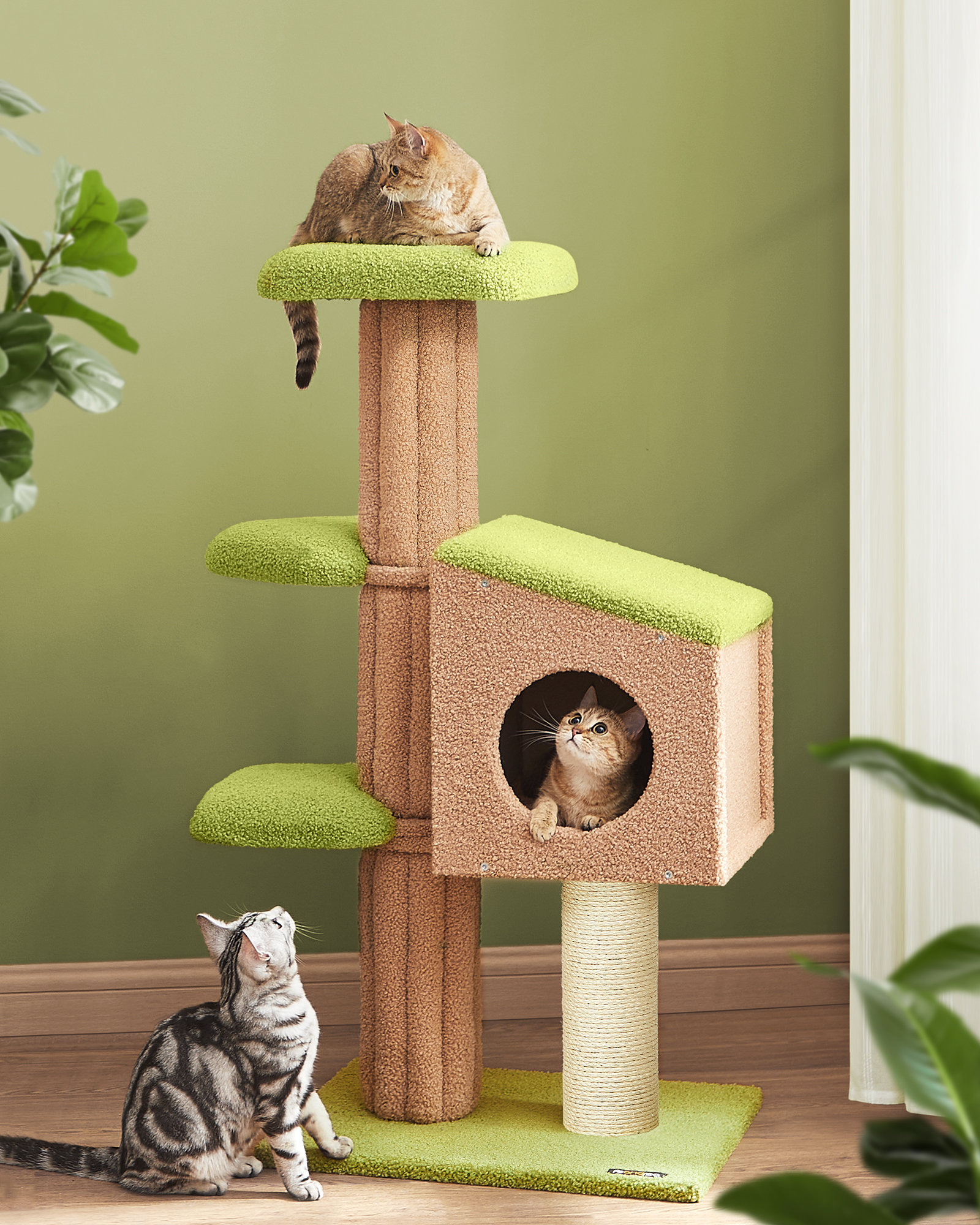
For those with ample space and multiple cats, large cat trees are a fantastic choice. These trees are typically tall and elaborate, featuring multiple levels, platforms, hiding spots, scratching surfaces, and even play toys. Large cat trees can provide a full playground for your cats and accommodate their natural climbing and scratching behaviors.
Hammock Cat Trees
Hammock cat trees combine comfort and entertainment by incorporating hammocks or cozy beds into the design. These cat trees often feature soft, suspended beds or hammocks at various levels, allowing your cat to relax and sleep comfortably while still being part of the action. Hammock cat trees are ideal for cats who enjoy lounging and napping in elevated spaces.
Top Brands and Models
Brand A: Model X
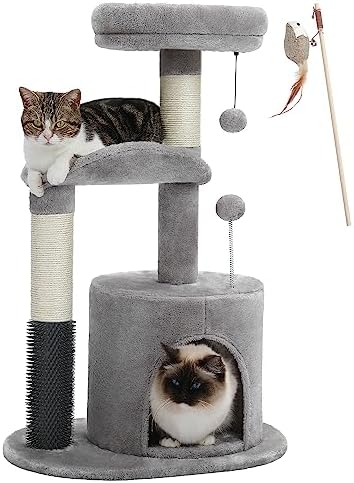
Brand A offers a wide range of freestanding cat trees, renowned for their durability and quality construction. Model X from Brand A features multiple platforms, scratching posts, and a cozy hiding spot. It is designed with premium materials and comes in various sizes to accommodate different cat breeds and space requirements.
Brand B: Model Y
Model Y from Brand B is a multilevel cat tree that provides an abundance of space and features. This sturdy cat tree has multiple platforms, cozy beds, scratching posts, and interactive toys to keep your cat entertained. With a modern design and high-quality materials, Model Y is a popular choice among cat owners.
Brand C: Model Z
Brand C’s Model Z is a large cat tree suitable for homes with multiple cats or those looking to spoil their feline companion. This cat tree boasts numerous levels, platforms, a hammock, scratching posts, and even a hiding condo. Model Z is designed for maximum stability and offers a luxurious playground for your cats to enjoy.
Budget-Friendly Options
Affordable Cat Trees for Every Budget
If you’re on a tight budget, there are still plenty of affordable cat tree options available. Look for cat trees made from cost-effective materials such as particleboard or plywood. These trees may not be as durable as higher-end options but can still provide a suitable environment for your cat to climb and play.
DIY Cat Trees on a Shoestring Budget
For the creative and handy cat owners, building a DIY cat tree can be a budget-friendly option. Utilize materials such as reclaimed wood, carpet remnants, and sisal rope to construct a custom cat tree that suits your budget and space requirements. There are numerous DIY cat tree plans and tutorials available online to guide you through the process.
Secondhand Cat Trees: Finding Bargains
You can also consider purchasing a secondhand cat tree to save money. Check online marketplaces, local classifieds, or visit thrift stores to find pre-owned cat trees at a fraction of the cost. Ensure that the cat tree is in good condition, with no major damage or stability issues, before making your purchase.
Tips for Choosing the Right Freestanding Cat Tree
Consider Your Cat’s Size and Activity Level
When choosing a freestanding cat tree, it’s essential to consider your cat’s size and activity level. Larger, more active cats may require taller trees with wider platforms and sturdy construction to support their weight and accommodate their playfulness. Smaller cats or cats with limited mobility may prefer shorter trees with easy-to-reach platforms.
Evaluate Your Space and Placement Options
Evaluate your available space and consider where you plan to place the cat tree. Measure the height, width, and depth of the area to ensure that the cat tree fits comfortably and allows room for your cat to move around. Additionally, consider placing the cat tree near a window or in a quiet corner where your cat can enjoy a view and have a sense of security.
Read Reviews and Seek Recommendations
Before making a purchase, take the time to read reviews and seek recommendations from other cat owners. Online reviews can provide valuable insights into the quality, durability, and functionality of different cat tree models. You can also join online cat owner communities or consult with your veterinarian for recommendations based on your cat’s specific needs.
How to Properly Maintain a Freestanding Cat Tree
Regularly Clean and Vacuum the Cat Tree
To maintain a clean and hygienic cat tree, it’s important to regularly clean and vacuum it. Use a mild detergent and warm water to wipe down the surfaces, removing any dirt, fur, or stains. Avoid using harsh chemicals that may be harmful to your cat. Vacuuming the cat tree regularly helps to remove loose cat hair and prevent it from becoming a breeding ground for fleas or other pests.
Inspect for Wear and Tear
Frequent inspection of the cat tree is essential to identify any signs of wear and tear. Check for loose screws, unstable platforms, or worn-out scratching posts. Repair or replace any damaged parts as needed to ensure the safety and longevity of the cat tree.
Replace or Repair Worn-out Parts
Over time, certain parts of the cat tree, such as scratching posts or hanging toys, may become worn out or damaged. It’s important to replace or repair these parts promptly to maintain the functionality and enjoyment of the cat tree for your cat. Many manufacturers offer replacement parts, or you can often find DIY solutions to refurbish the cat tree.
Offer Alternative Scratching Surfaces
To extend the lifespan of your cat tree and prevent excessive wear and tear, provide additional alternative scratching surfaces for your cat. This could include dedicated scratching posts, cardboard scratchers, or sisal mats placed strategically around your home. By offering alternative options, you can redirect your cat’s scratching behavior and reduce the strain on the cat tree.
Alternatives to Freestanding Cat Trees
Wall-Mounted Cat Shelves
For cat owners with limited floor space or a desire for a sleeker look, wall-mounted cat shelves are a great alternative to freestanding cat trees. These shelves securely attach to your walls and provide vertical space for your cat to climb, perch, and observe their surroundings. Wall-mounted cat shelves can also be arranged creatively to create a unique climbing and play area.
Cat Condos and Towers
Cat condos and towers are another alternative to freestanding cat trees. These structures are taller and bulkier than traditional cat trees but offer a more comprehensive play and rest area for your cat. They often feature multiple levels, hiding spaces, scratching posts, and interactive toys. Cat condos and towers are especially suitable for homes with multiple cats or those looking to provide a more extensive play environment.
Window Perches and Suction Cup Beds
If your cat enjoys looking out the window or basking in the sun, consider a window perch or a suction cup bed. These accessories attach directly to your window, providing a cozy spot for your cat to relax and enjoy the view. Window perches and suction cup beds are a space-saving alternative to traditional cat trees and can be easily moved or removed when needed.
FAQs About Freestanding Cat Trees
Are Freestanding Cat Trees Suitable for Kittens?
Yes, freestanding cat trees are suitable for kittens. However, it is essential to choose a cat tree that caters to their size and age. Opt for smaller cat trees with low platforms or perches that kittens can easily climb and explore. As they grow, you can gradually introduce taller cat trees with more challenging features.
Can Multiple Cats Use the Same Cat Tree?
Yes, multiple cats can use the same cat tree, especially if it is designed with multiple levels, platforms, and hiding spots. Cats are social animals and often enjoy sharing their space and playtime. However, it’s important to ensure that the cat tree is adequately sized and stable enough to accommodate the weight and activities of multiple cats simultaneously.
Can I Customize a Freestanding Cat Tree?
Yes, many freestanding cat trees offer customization options. You can often add or remove platforms, scratching posts, or toys to tailor the cat tree to your cat’s specific preferences and needs. Additionally, some manufacturers offer accessories or replacement parts that can enhance the functionality or aesthetic of your cat tree.
How Long Do Freestanding Cat Trees Last?
The lifespan of a freestanding cat tree can vary depending on various factors, including the quality of construction, materials used, and how well it is maintained. High-quality cat trees made from durable materials can last for several years or even longer with proper care and maintenance. Regular inspections, cleaning, and timely replacements of worn-out parts can significantly extend the lifespan of your cat tree.
Conclusion
Investing in a quality freestanding cat tree is essential for the well-being and happiness of your feline companion. The benefits of a freestanding cat tree, including physical activity stimulation, entertainment, vertical space, and promoting healthy scratching behavior, make it an excellent addition to any home with a cat. By considering the features, different types, top brands, and budget-friendly options, you can choose the perfect cat tree that suits both your cat’s needs and your personal taste. Remember to provide proper maintenance and care for the cat tree to ensure its longevity and enjoyment for years to come.