If you’ve ever wondered how to keep your furry feline friend entertained while ensuring your furniture remains intact, look no further than the Cat Tree for Territory Marking and Scratching. This innovative piece of furniture is designed with the instinctual needs of cats in mind, providing a dedicated space for them to both mark their territory and satisfy their scratching urges. In this article, we’ll explore the benefits of the Cat Tree and how it can enhance your cat’s well-being, while also preserving your precious belongings. So, let’s embark on this delightful journey into the world of cat trees!
What is a Cat Tree?
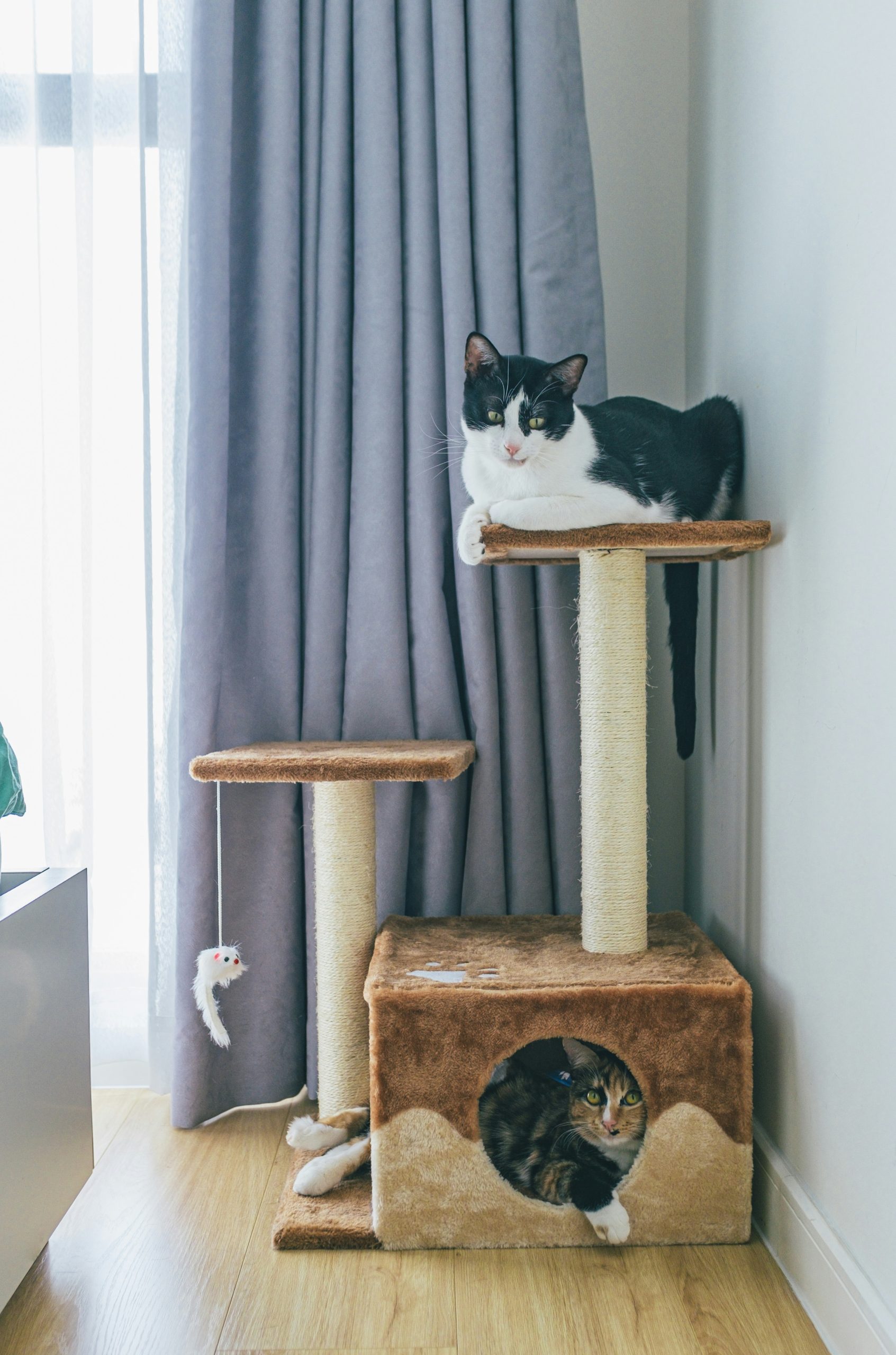
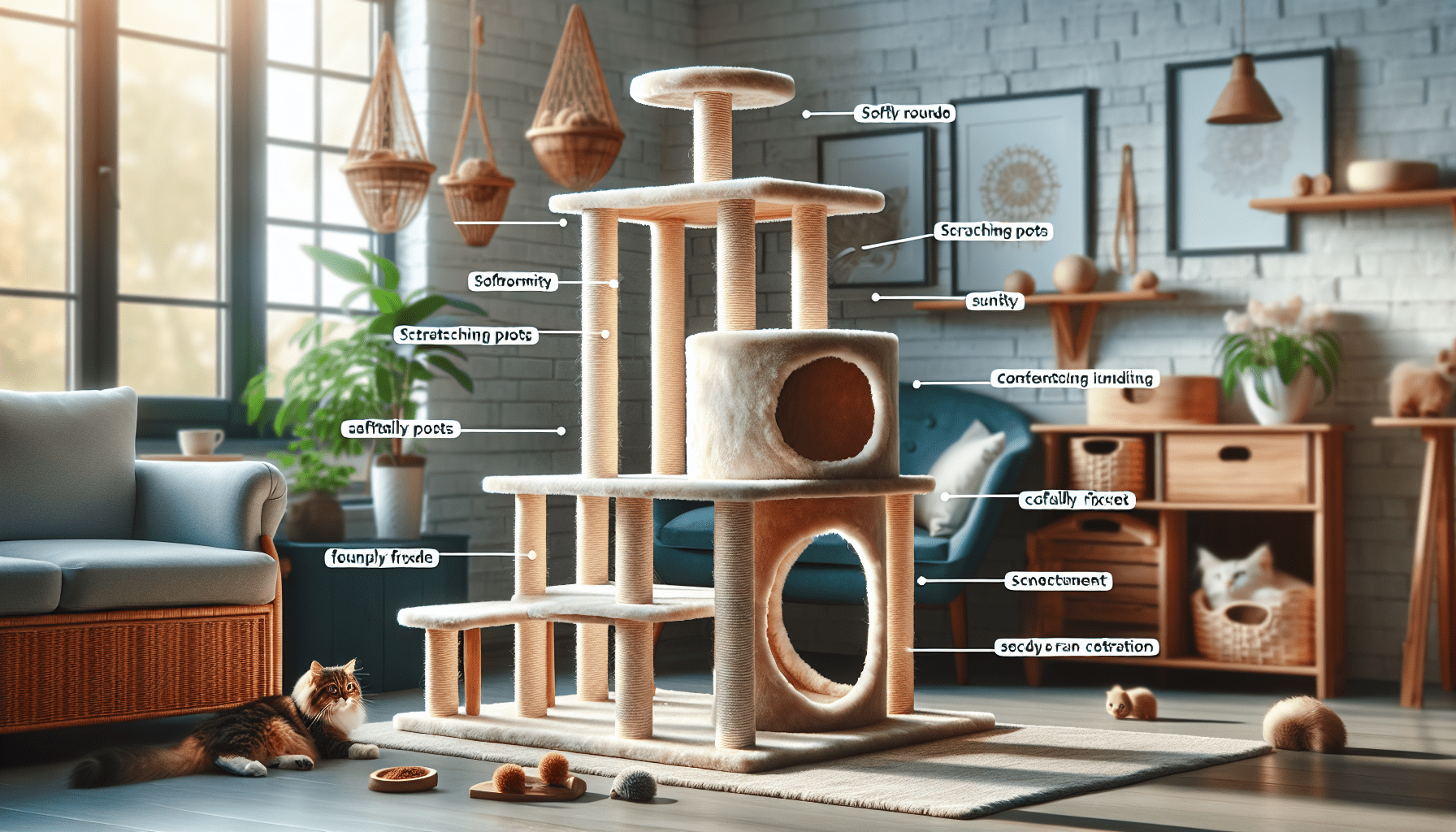
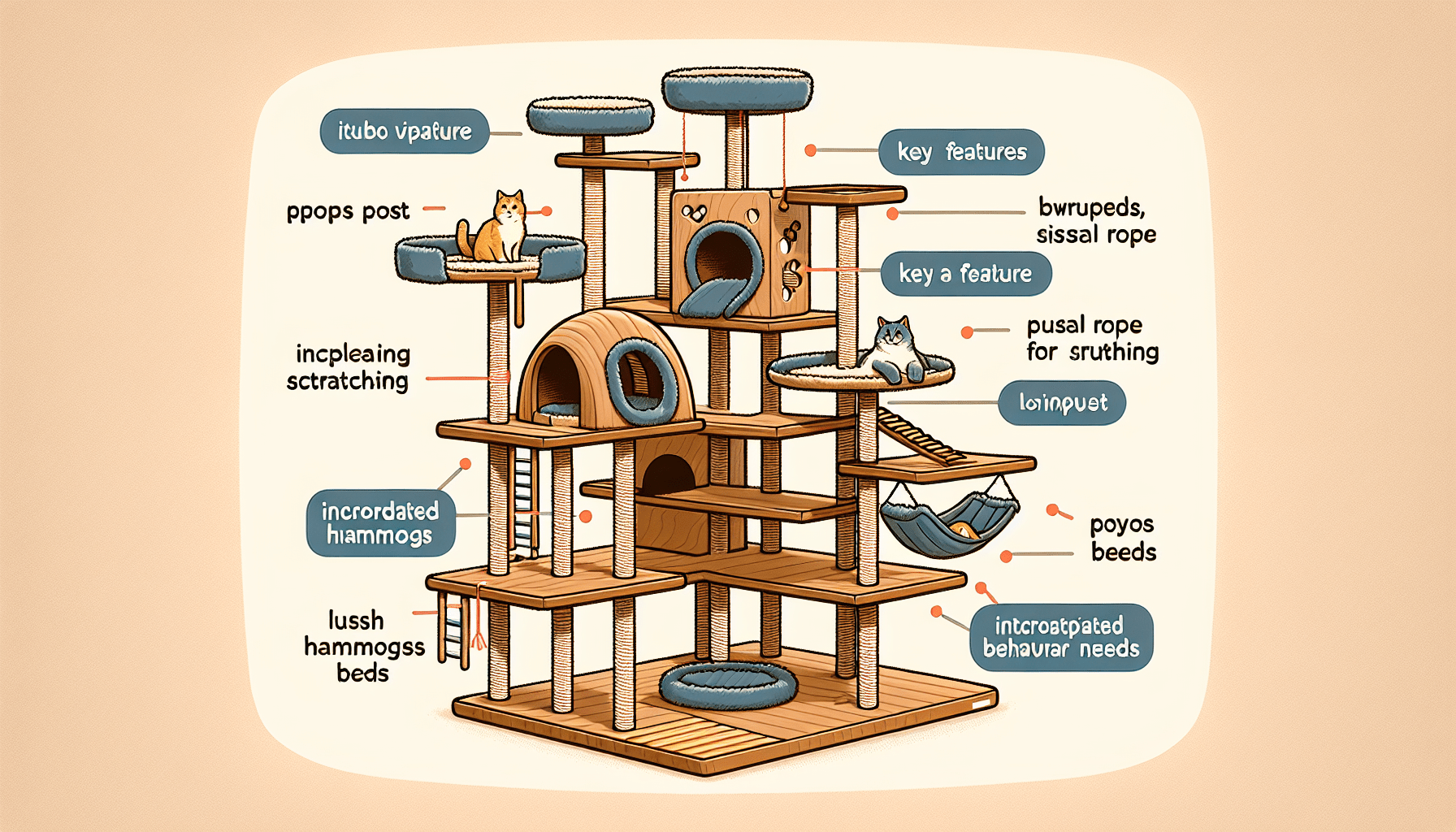
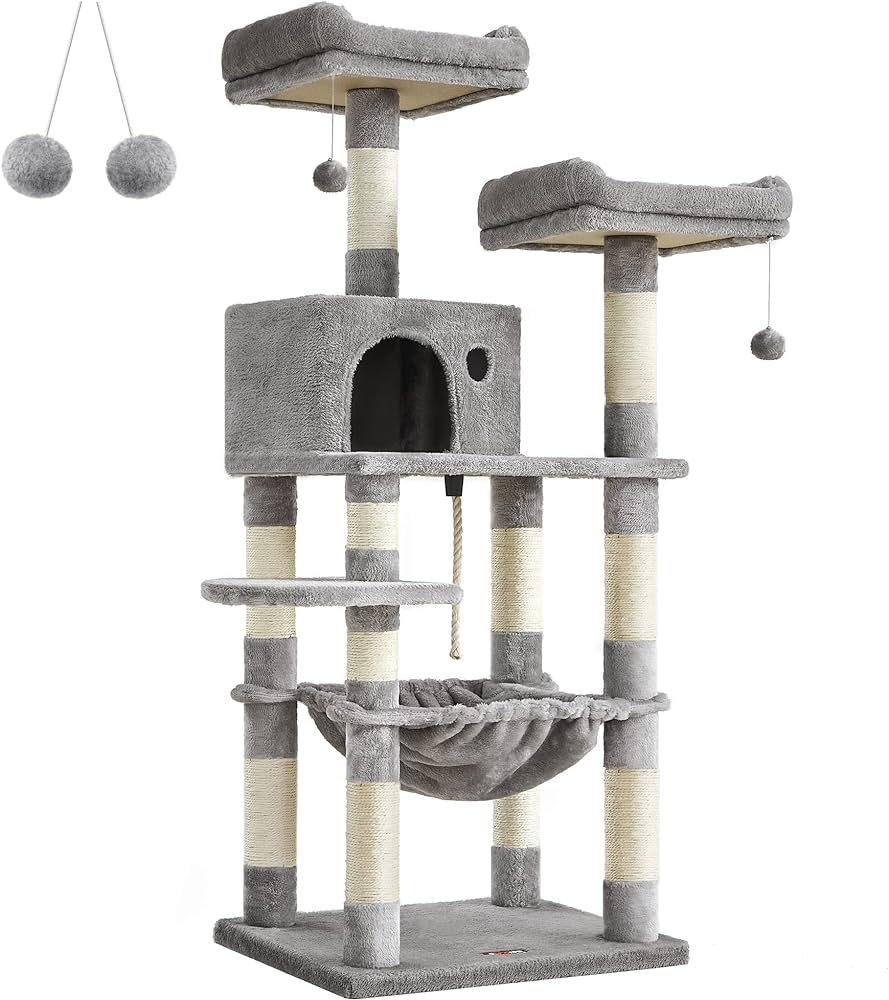
A cat tree is a piece of furniture specifically designed for cats to satisfy their natural instincts and provide them with a variety of activities. It is typically made of sturdy materials such as wood or carpeted plywood, and consists of multiple levels and platforms, scratching posts or boards, perches, and hideaways. Cat trees come in various sizes and configurations, ranging from small and simple structures to large and elaborate ones.
Definition of a cat tree
A cat tree, also known as a cat tower or a cat condo, is a vertical structure that provides cats with a dedicated space for climbing, scratching, perching, and playing. It is equipped with different features that cater to the various needs of cats, aiming to enhance their overall well-being and behavior.
Purpose of a cat tree
The primary purpose of a cat tree is to mimic the natural environment of a cat and allow them to engage in activities that come instinctively to them. By providing vertical territory and scratching options, a cat tree helps keep indoor cats mentally stimulated and physically active. It also serves as a way for cats to mark their territory and communicate with other cats through scent.
Why Do Cats Mark Their Territory?
Natural instinct
One of the main reasons why cats mark their territory is rooted in their natural instinct. Cats have a highly developed sense of smell and use scent marking as a way to communicate with other cats. By leaving scent marks on various objects or surfaces within their territory, cats assert their presence and establish boundaries.
Communication with other cats
Scent marking plays a crucial role in cat communication, especially with other cats in their surroundings. These scent marks contain pheromones that convey messages about a cat’s presence, identity, and reproductive status to other cats. By marking their territory, cats can communicate their intentions and avoid potential conflicts with other felines.
Scent marking
Cats mark their territory by releasing pheromones through rubbing, scratching, and spraying. Rubbing their cheeks against objects or people leaves behind their scent and is a way for cats to claim ownership. Scratching, particularly on vertical surfaces, not only helps keep their claws healthy but also leaves visible marks and releases scent from their paw pads. Spraying urine is another form of scent marking that is primarily used for marking large areas or boundaries.
Why Do Cats Scratch?
Natural behavior
Scratching is a natural behavior for cats that serves a variety of purposes. It helps cats shed the outer layers of their claws, keeping them sharp and healthy. Additionally, scratching allows cats to stretch their bodies and exercise their muscles, promoting overall physical well-being.
Maintaining claw health
Cats’ claws continuously grow, and scratching helps them naturally shed the old layers and expose the new ones. By regularly scratching, cats can prevent their claws from becoming overgrown and causing discomfort. It also helps remove any debris or dirt that may accumulate between their claws.
Stretching and exercising
Scratching is an integral part of a cat’s stretching routine. When cats extend their bodies and dig their claws into a surface, they engage their muscles and stretch their limbs. Regular scratching not only helps maintain flexibility but also aids in relieving stress and promoting relaxation.
Marking territory
In addition to the physical benefits, scratching serves as a means of marking territory. By leaving visible marks and releasing scent from their paw pads, cats leave a clear message to other cats that the area has already been claimed. This form of territorial marking helps reduce potential conflicts and establishes boundaries.
The Benefits of Cat Trees
Provides a designated space for scratching
One of the significant benefits of cat trees is that they offer cats a dedicated place to scratch, redirecting their behavior away from household furniture. By providing vertical scratching surfaces such as scratching posts or boards, cat trees effectively cater to a cat’s natural instinct to scratch, promoting healthy claw maintenance.
Promotes territorial marking
Cat trees provide cats with an opportunity to mark their territory effectively. With sturdy platforms, perches, and hideaways, cats can establish vertical territory and leave their scent marks on different levels of the tree. This helps create a sense of ownership and security for the cat, preventing potential conflicts with other cats in the household.
Offers vertical territory
Indoor cats often lack vertical space, which can lead to frustration and behavioral issues. Cat trees solve this problem by offering cats their vertical territory, simulating the experience of climbing trees outdoors. By providing multiple levels and high perches, cat trees enable cats to satisfy their natural desire to explore and observe their surroundings from an elevated position.
Satisfies the need to climb
Cats have an innate need to climb and perch in high places. Cat trees provide them with the perfect opportunity to fulfill this urge, reducing boredom and enriching their environment. Climbing and perching on a cat tree not only gives cats a sense of satisfaction and accomplishment but also helps them feel secure and in control of their surroundings.
Provides mental stimulation
Cat trees offer various interactive elements and areas for exploration, providing cats with much-needed mental stimulation. The different levels, hideaways, and toys incorporated into cat trees engage a cat’s curiosity and encourage them to explore and play. This mental stimulation helps prevent boredom and can ultimately contribute to a cat’s overall well-being.
Features to Look for in a Cat Tree
Sturdy and stable construction
When choosing a cat tree, it is essential to consider the construction and stability of the structure. A sturdy cat tree with a solid base and secure connections between platforms and posts ensures the safety and stability of the cat while they climb, jump, and play on it.
Multiple levels and platforms
An ideal cat tree should have multiple levels and platforms to provide cats with various options for perching and resting. Having different heights allows cats to choose their preferred vantage point and adjust their level of privacy.
Scratching posts or boards
Scratching surfaces are a crucial feature in a cat tree. Look for a cat tree that offers vertical scratching posts or boards covered in sisal or other durable materials. These scratching surfaces should be large enough for a cat to fully extend their body and provide them with a satisfying scratching experience.
Perches and hideaways
Cats love to find a cozy spot to curl up and relax. Cat trees with perches or hideaways, such as enclosed boxes or hammocks, provide cats with private spaces where they can retreat and feel secure. These features also cater to a cat’s natural inclination to seek elevated perching spots.
Toys and interactive elements
To make the cat tree more engaging and entertaining, look for models that incorporate toys or interactive elements. Toys dangling from the platforms or attached to ropes can entice cats to play and keep them mentally stimulated.
Easy to clean materials
Cat trees can accumulate fur, dirt, and other debris over time. Choosing a cat tree made with easy-to-clean materials, such as washable fabric or removable cushions, can make maintenance a breeze. It is important to regularly clean the cat tree to ensure a clean and hygienic environment for your cat.
Considerations for Choosing a Cat Tree
Size and space available
Before purchasing a cat tree, consider the available space in your home and the size of the cat tree itself. It’s important to choose a cat tree that fits comfortably within the designated area without obstructing movement or causing any safety hazards.
Number of cats in the household
If you have multiple cats in your household, take into account their individual needs and preferences when choosing a cat tree. Opt for a larger cat tree with multiple levels and platforms to accommodate multiple cats simultaneously, allowing each of them to have their own space.
Cat’s age and activity level
The age and activity level of your cat should also be considered when selecting a cat tree. Older cats may prefer lower platforms and easier access, while younger and more active cats may enjoy taller and more challenging structures. Matching the cat tree to your cat’s individual needs will ensure they can fully enjoy and utilize it.
Cat’s preferences and behavior
Take into account your cat’s preferences and behavior when choosing a cat tree. Observe whether your cat prefers to climb or perch, scratch horizontally or vertically, or enjoys hiding and observing from vantage points. Understanding your cat’s preferences will help you select a cat tree that suits their unique personality and needs.
How to Introduce a Cat Tree
Find an appropriate location
Choose an appropriate location for the cat tree in your home. Ideally, it should be placed in an area with enough space for the cat tree and with easy access for your cat. Consider placing it near a window or in a room where your cat spends most of its time.
Gradual introduction
Introduce the cat tree gradually to your cat. Start by placing treats or toys on the different levels or platforms to entice your cat and reward them for exploring. Allow your cat to explore the cat tree at its own pace, gently guiding and encouraging them when necessary.
Encourage use with toys and treats
Make the cat tree more appealing to your cat by incorporating their favorite toys or treats. By associating positive experiences with the cat tree, your cat will be motivated to use it and see it as a source of entertainment and comfort.
Tips for Training Cats to Use a Cat Tree
Use positive reinforcement
Positive reinforcement is key when training your cat to use a cat tree. Reward your cat with treats, praise, or playtime whenever they use the cat tree appropriately. This positive association will encourage them to continue using it.
Make the cat tree appealing
Enhance the appeal of the cat tree by placing toys, catnip, or even a cozy blanket on the perches or hideaways. By making the cat tree inviting and comfortable, your cat will be more likely to explore and use it.
Redirect inappropriate scratching behavior
If your cat is scratching furniture or other undesirable surfaces, redirect their behavior by gently interrupting them and guiding them to the cat tree. Encourage them to scratch the appropriate surfaces provided on the cat tree, and reward them for doing so.
Provide alternatives
To further discourage inappropriate scratching behavior, provide alternative scratching options near the areas where your cat tends to scratch. This could include standalone scratching posts or boards, ensuring that there are appealing options readily available.
Patience and consistency
Training your cat to use a cat tree may require patience and consistency. Cats are creatures of habit, so it is important to remain consistent with your training efforts. Be patient and understanding if your cat takes time to adjust and always reinforce positive behavior.
Maintenance and Cleaning of a Cat Tree
Regular inspection and tightening
Regularly inspect the cat tree for any loose or damaged parts. Tighten screws and connections as needed to ensure the stability and safety of the structure. By addressing any issues promptly, you can prevent potential accidents and prolong the lifespan of the cat tree.
Replace worn-out parts
Over time, certain components of the cat tree, such as scratching posts or fabric coverings, may become worn out. Replace these worn-out parts to ensure that the cat tree continues to provide a safe and enjoyable environment for your cat.
Cleaning instructions for different materials
Different cat trees are made from various materials, including fabric, carpet, or sisal. Refer to the manufacturer’s cleaning instructions specific to the materials used in your cat tree. Regularly vacuuming or brushing off loose hairs and debris, as well as spot-cleaning any stains or spills, will help maintain the cleanliness and hygiene of the cat tree.
Preventing odor buildup
To prevent odor buildup, consider using cat-friendly cleaning products or sprays that can help neutralize and eliminate any lingering smells. Additionally, providing your cat with regular grooming sessions can help reduce shedding and minimize the accumulation of odors on the cat tree.
Conclusion
A cat tree is not merely a piece of furniture; it is a valuable addition to any cat owner’s household. It serves as a vital tool for satisfying a cat’s natural instincts, providing them with a designated space for scratching, climbing, and marking territory. By understanding the benefits of cat trees and considering the features that best suit your cat’s needs, you can enhance the overall well-being and happiness of your indoor feline companion. So why wait? Invest in a cat tree and watch your cat flourish in a stimulating and enriching environment.