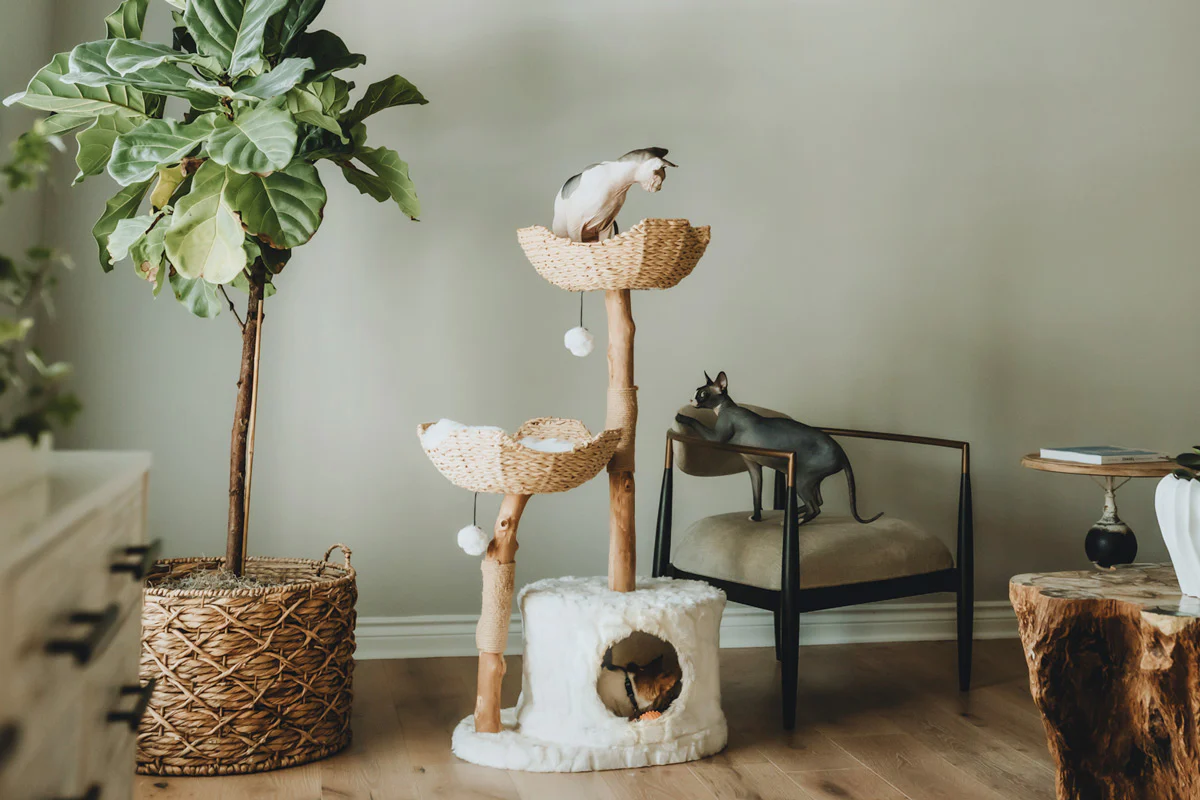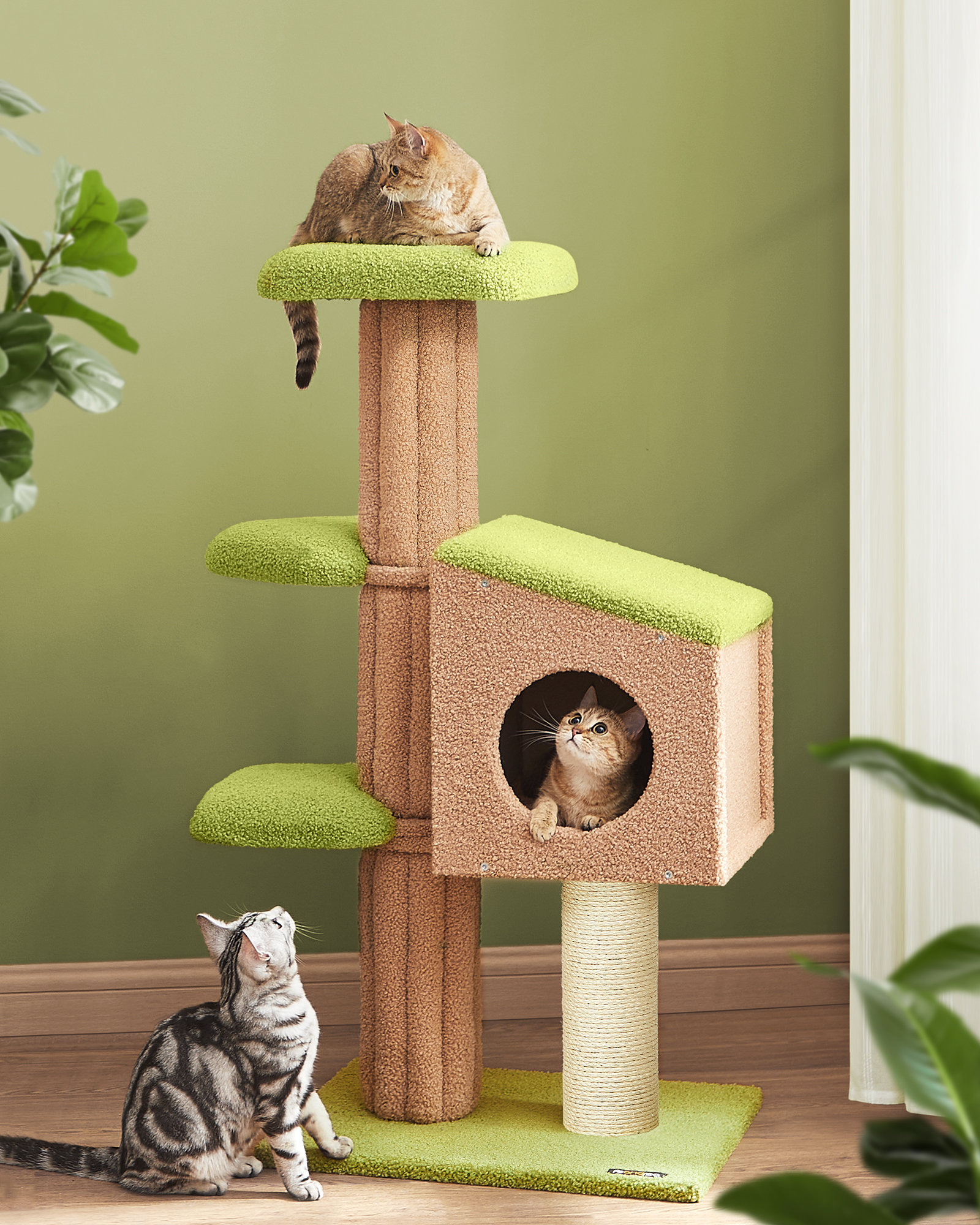
If you have a cat at home, chances are you also have a cat tree. These delightful structures provide our feline friends with a place to climb, scratch, and perch. However, over time, cat trees can become worn and damaged. But fear not! This article is here to guide you through the process of repairing your beloved cat tree, ensuring that it remains a favorite spot for your furry companion for years to come. So whether it’s a wobbly platform or a frayed rope, we’ve got you covered with practical tips and tricks to bring new life to your cat’s prized possession.

This image is property of pixabay.com.
1. Identifying the Problem
1.1. Inspecting the Cat Tree Structure
When it comes to repairing your cat tree, the first step is to carefully inspect its structure. Take a close look at all the different components, such as platforms, perches, scratching posts, and any other attached accessories. Look for any visible signs of damage, such as cracks, splintering wood, loose joints, or worn-out ropes or fabric. Identifying the specific problem areas will help you determine the appropriate course of action to fix and restore your cat tree.
1.2. Checking for Loose or Broken Parts
One of the common issues with cat trees is the presence of loose or broken parts. As cats love to climb and play on their trees, repeated use can cause screws and bolts to loosen over time. Carefully examine each fastener on your cat tree and check for any signs of looseness. Similarly, keep an eye out for broken or missing screws, bolts, or other fastening mechanisms. Addressing these issues will ensure the stability and safety of the cat tree.
1.3. Assessing Damage to Scratching Posts or Platforms
Another aspect to consider while inspecting your cat tree is the condition of the scratching posts and platforms. Cats love to scratch and stretch their claws on these surfaces, which can lead to wear and tear over time. Look for any frayed or torn ropes on the scratching posts, as well as any signs of damage to the platforms, such as cracks or instability. Identifying these issues will allow you to focus on repairing or replacing specific parts to restore the functionality of your cat tree.
2. Gathering Necessary Tools and Materials
2.1. Basic Tools for Repairing Cat Trees
Before you begin the repair process, it’s essential to have the necessary tools on hand. Some of the basic tools that will come in handy while repairing your cat tree include a screwdriver (both Philips and flathead), pliers, a hammer, sandpaper, wood glue, and a staple gun. These tools will enable you to handle various repair tasks, from tightening screws and bolts to fixing broken parts.
2.2. Replacement Parts and Materials
Depending on the extent of the damage to your cat tree, you may also need to gather replacement parts and materials. This could include extra screws and bolts, sisal rope for rewrapping scratching posts, fabric or upholstery material for fixing platforms or perches, and any other specific components that have been damaged beyond repair. It’s important to ensure that you have all the necessary materials before starting the repair process to minimize any delays.

This image is property of pixabay.com.
3. Fixing Loose or Broken Parts
3.1. Tightening Screws and Bolts
For cat trees with loose screws and bolts, the first step in the repair process is to tighten them adequately. Use a screwdriver or pliers to tighten any loose screws or bolts, focusing on the areas that have been identified during the inspection. Ensure that each fastener is securely tightened, as this will enhance the overall stability and safety of the cat tree.
3.2. Reinforcing Weak Joints
If you notice weak joints during the inspection, it’s important to reinforce them to prevent further damage. Depending on the specific design of your cat tree, options for reinforcement may include using corner brackets, metal braces, or additional screws and bolts. Strengthening weak joints will help prolong the lifespan of the cat tree and ensure that it can withstand the weight and activity of your feline friend.
3.3. Gluing or Replacing Broken or Split Wood
In cases where the wood components of your cat tree are cracked, broken, or split, you will need to address these issues to restore the structural integrity. Begin by using sandpaper to smooth any rough edges and surfaces. If the damage is minor, applying wood glue to the affected areas and clamping them together until dry can be an effective solution. However, for more extensive damage, it may be necessary to replace the broken or split wood entirely to ensure a secure and safe cat tree.
3.4. Addressing Worn Out or Damaged Ropes or Fabric
If the scratching posts or other components of your cat tree have worn-out ropes or fabric, it’s vital to address these issues for both aesthetic and functional reasons. To fix frayed or torn ropes, you can simply remove the old rope and replace it with fresh sisal rope. Make sure to securely fasten the new rope to the post using a staple gun or other appropriate methods. Similarly, if the fabric on platforms or perches is damaged, consider reupholstering or replacing it to provide a comfortable and safe space for your furry friend.
4. Repairing Scratching Posts
4.1. Replacing Worn Out Sisal Rope
Scratching posts are an integral part of any cat tree, and over time, the sisal rope used to cover them can become worn out. To repair this, remove the old and frayed sisal rope, making sure to clean any residual adhesive or debris. Measure the length of the post and cut a suitable length of new sisal rope. Apply a generous amount of non-toxic adhesive to one end of the rope and begin tightly wrapping it around the post. Continue wrapping until the entire post is covered, frequently adding adhesive to secure the rope in place. Allow the adhesive to dry completely before letting your cat use the tree again.
4.2. Reattaching Loose Sisal Rope
In some cases, the sisal rope on scratching posts may become loose or detached. This can compromise the effectiveness and safety of the post. To repair loose sisal rope, start by removing any excess or tangled rope from the post. Apply adhesive to the end of the rope and reattach it securely to the post, ensuring a tight and even wrapping around the entire length. Use a clamp or clothespin to hold the rope in place while the adhesive dries. Once the adhesive is dry, remove the clamp or clothespin, and the scratching post will be ready for use again.
4.3. Repairing or Replacing Scratching Surfaces
If the scratching surfaces on your cat tree, such as carpet or cardboard, are damaged, it’s important to repair or replace them. For carpeted surfaces, start by removing the damaged area and cleaning any adhesive residue. Measure and cut a piece of carpet that fits the platform or perch, leaving a little extra around the edges. Apply non-toxic adhesive to the back of the new carpet and carefully press it onto the surface, ensuring a smooth and even application. Allow the adhesive to dry completely before allowing your cat to use the repaired scratching surface. If the scratching surface is made of cardboard, consider replacing it entirely with a new piece to provide a fresh area for your cat to scratch.

This image is property of pixabay.com.
5. Fixing Platforms and Perches
5.1. Repairing Loose or Wobbly Platforms
Platforms and perches can become loose or wobbly over time due to continuous use by your cat. To repair loose or wobbly platforms, start by inspecting the fastening points and the overall stability of the structure. If the platforms have screws or bolts, check if they are securely tightened. If they are loose, use a screwdriver or appropriate tool to tighten them. If the platforms are connected with wooden dowels or other mechanical fasteners, consider disassembling the affected area, applying wood glue, and then reassembling it securely. Reinforcing the connections will restore stability to the platforms and ensure a safe environment for your cat.
5.2. Replacing Damaged or Unstable Perches
If a perch on your cat tree is damaged or unstable beyond repair, it may be necessary to replace it entirely. Start by removing the damaged perch, making sure to disconnect any fasteners or ropes that are holding it in place. Measure the dimensions of the original perch, and select a suitable replacement that matches both the size and stability requirements. Attach the new perch securely using appropriate fasteners, such as screws or bolts. Ensure that the replacement perch is stable and level before allowing your cat to use it.
5.3. Strengthening Platforms with Additional Support
In some cases, the platforms on your cat tree may show signs of weakness or instability. To strengthen the platforms, consider adding additional support. This can be achieved by using L-brackets or metal braces on the underside of the platform to reinforce the connections. Make sure to select sturdy and appropriately sized brackets that can withstand the weight and activity of your cat. By adding extra support, you can enhance the stability of the platforms and prolong the lifespan of your cat tree.
6. Enhancing Stability and Balance
6.1. Adding Reinforcements to Increase Stability
If you find that your cat tree lacks stability or balance, there are several measures you can take to enhance these aspects. One effective method is to add reinforcements to critical areas of the structure. This can involve attaching metal brackets or braces to weak joints or using additional fasteners to secure components. By reinforcing weak areas, you can significantly improve the overall stability and durability of your cat tree.
6.2. Balancing Cat Trees for Optimal Safety
Balancing your cat tree is crucial to ensure the safety of your feline friend while they play and climb. Begin by examining the base of the cat tree and adjusting any adjustable feet or stabilizers to even out the structure. If the tree still wobbles, consider placing additional weight at the bottom or securing it against a wall. Balancing your cat tree will prevent it from tipping over and minimize the risk of accidents or injuries.
7. Restoring Attraction and Functionality
7.1. Replacing or Fixing Dangling Toys or Bells
Dangling toys and bells are often popular features on cat trees, as they provide entertainment and stimulation for your cat. Over time, these toys or bells may become worn out or detached. To restore attraction and functionality to your cat tree, consider replacing the worn-out toys or reattaching the loose ones. You can easily find replacement toys or bells at pet stores or online retailers. Securely attach them to the cat tree using string, wire, or other suitable methods.
7.2. Repairing or Replacing Hammocks or Beds
Hammocks or beds incorporated into cat trees offer cozy resting spots for your feline companion. However, constant use can lead to wear and tear, and they may require repair or replacement. To repair a damaged hammock or bed, start by removing the fabric and cleaning any adhesive residue. If the damage is minor, you can patch it up using a sewing kit or apply fabric glue. For more significant damage, consider replacing the entire hammock or bed with a new one. Ensure that the replacement is securely attached to the cat tree and provides a comfortable resting place for your cat.
7.3. Enhancing Cat Tree with New Accessories or Features
To make your cat tree more enticing and enjoyable for your cat, consider enhancing it with new accessories or features. This could include adding additional scratching posts, incorporating new interactive toys, or attaching hanging baskets or shelves. Moreover, you can consider installing a cozy cat condo or a climbing ladder to provide additional resting and playing opportunities. By regularly updating and refreshing your cat tree, you can keep your cat engaged and happy.
8. Preventative Measures and Maintenance
8.1. Regularly Inspecting and Maintaining Cat Trees
To ensure the longevity of your cat tree and minimize the need for frequent repairs, it’s important to perform regular inspections and maintenance. Set a schedule to inspect your cat tree at least once a month, checking for loose or damaged parts, wear and tear on scratching surfaces, and any signs of instability or imbalance. Additionally, clean the cat tree regularly, removing any hair or debris that may accumulate. By keeping up with these maintenance tasks, you can catch and address minor issues before they escalate into major problems.
8.2. Encouraging Proper Scratching Behavior with Alternatives
Preventing damage to your cat tree’s scratching posts can be achieved by providing alternative scratching options. This can include dedicated scratching boards or mats, vertical scratching posts, or sisal-wrapped poles. Place these alternatives near the cat tree to redirect your cat’s scratching behavior away from the tree itself. By encouraging proper scratching habits, you can minimize wear and tear on your cat tree and prolong its lifespan.
8.3. Protecting Cat Trees from Environmental Damage
Cat trees, especially those placed near windows or in outdoor enclosures, are susceptible to environmental damage. Exposure to direct sunlight, rain, or extreme temperatures can cause wood to warp, ropes to deteriorate, and fabrics to fade or weaken. Ensure that your cat tree is positioned in a well-ventilated area away from direct sunlight and protected from harsh weather conditions. Moreover, consider using waterproof covers or treating the wood with appropriate sealants to enhance its durability and protect it from environmental damage.
9. Seeking Professional Help
9.1. Recognizing When Professional Assistance is Needed
While many cat tree repairs can be handled as DIY projects, there may be instances where seeking professional help is necessary. If you encounter major structural issues, extensive damage, or lack the tools, skills, or time to complete the repairs, it’s advisable to consult professionals. Recognizing the limitations of your own abilities is essential to ensure the safety and functionality of your cat tree. A professional can provide expert advice, assessment, and assistance in repairing or replacing your cat tree.
9.2. Consulting Cat Tree Repair Services or Vendors
When seeking professional help for cat tree repairs, it’s recommended to consult cat tree repair services or vendors. These specialized professionals have the knowledge and experience to assess the condition of your cat tree and provide appropriate solutions. They can offer guidance on repair options, help source replacement parts, and ensure that the repairs are done correctly. Contact reputable cat tree repair services or reach out to the original vendor or manufacturer for assistance with your cat tree repairs.
10. DIY vs. Replacement Considerations
10.1. Weighing the Costs and Benefits of Repairing vs. Replacing
When your cat tree requires significant repair, it’s essential to weigh the costs and benefits of repairing versus replacing the entire structure. Consider factors such as the extent of the damage, the overall condition of the cat tree, and the cost of replacement parts versus buying a new cat tree. Evaluate the practicality and longevity of the repairs and determine whether it is more cost-effective and feasible to invest in a replacement cat tree instead.
10.2. DIY Tips for Cost-Effective Cat Tree Repairs
If you decide to take the DIY route for repairing your cat tree, here are a few tips to ensure cost-effective repairs:
- Research and gather the necessary tools and materials before starting the repairs.
- Opt for non-toxic and cat-safe adhesives and materials.
- Take time to carefully inspect all components of the cat tree to identify the specific issues that need repair.
- Prioritize safety and stability while conducting repairs, ensuring that all fasteners are secure and all joints are reinforced.
- Consider reusing or repurposing materials when feasible to reduce costs.
- Seek guidance from online resources, tutorials, or forums to learn about effective repair techniques.
- Take regular maintenance measures to prevent major repairs in the future.
By following these DIY tips, you can effectively repair your cat tree while keeping costs at a minimum.
In conclusion, repairing your cat tree is a feasible and cost-effective option to extend its lifespan and provide your furry friend with a safe and enjoyable environment. By thoroughly inspecting the structure, gathering the necessary tools and materials, and implementing appropriate repair techniques, you can restore the stability, functionality, and attractiveness of your cat tree. Regular maintenance and preventative measures will further ensure the longevity of your cat tree, while the option of seeking professional help or considering replacement provides alternative solutions for more extensive repairs. With a little effort and attention, you can keep your cat tree in excellent condition, providing your cat with endless hours of climbing, playing, and lounging.