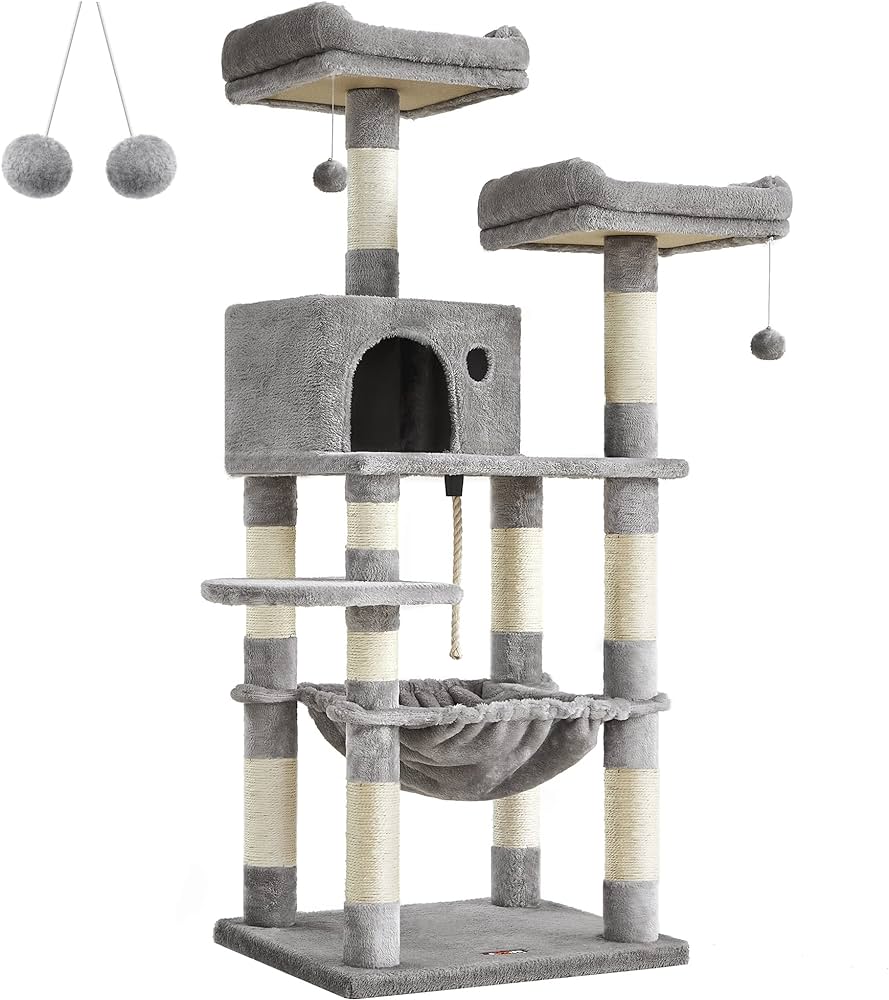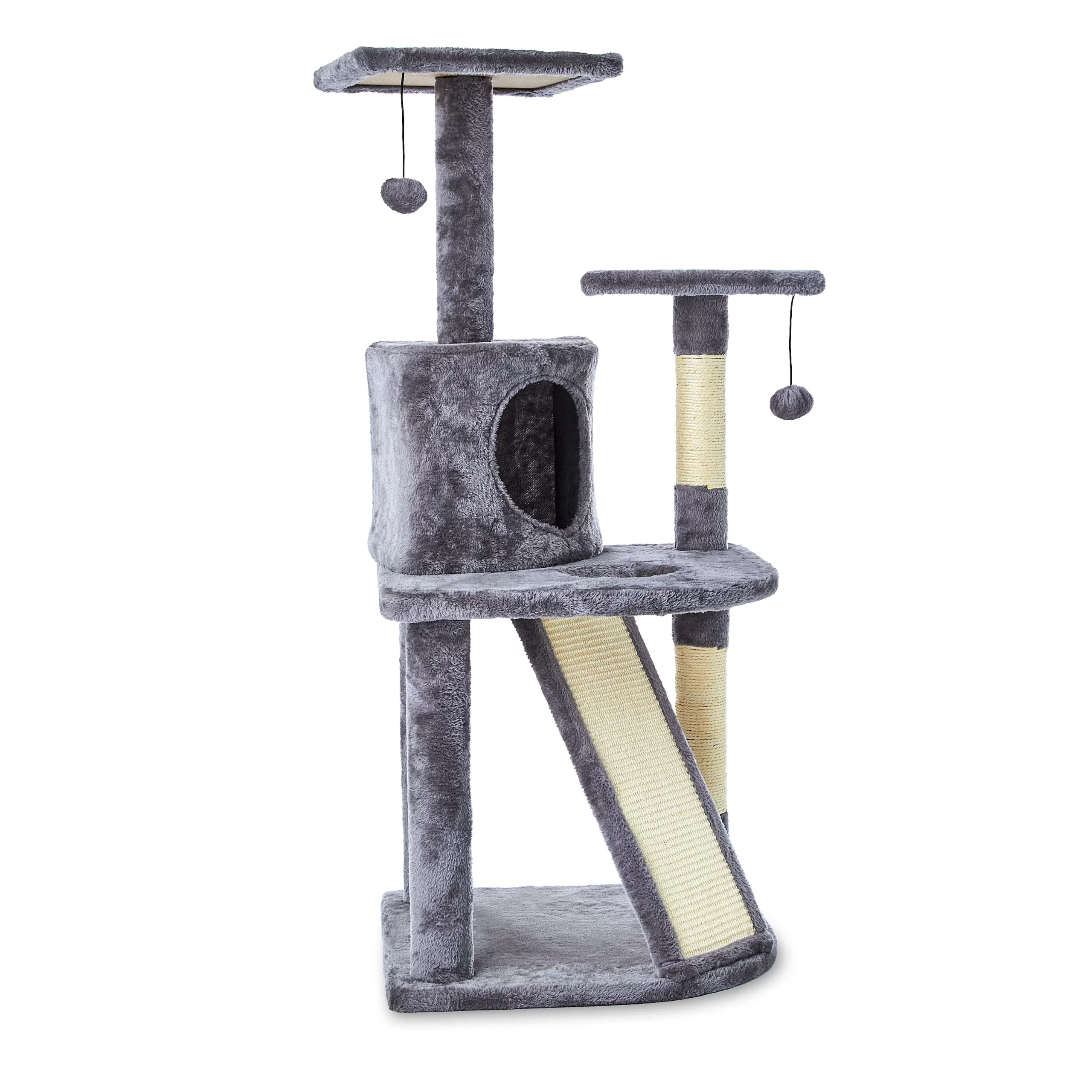
Are you a proud cat parent who wants to ensure your feline friend has the best environment to play and relax? Look no further, as we’ve got you covered with a comprehensive guide on the maintenance and care of cat trees. Whether you’re a seasoned owner or a newbie in the realm of cat furniture, this article will provide you with the essential knowledge to keep your cat tree sturdy, clean, and enticing for your furry companion. From regular inspections to choosing the right materials, we will help you create a safe and enjoyable space for your beloved feline. So let’s dive in and discover the secrets to maintaining a purr-fect cat tree!
Cleaning
Cleaning your cat tree on a regular basis is essential to maintain its overall cleanliness and prolong its lifespan. Here are some important steps to follow when it comes to cleaning your cat tree.
Removing loose fur and debris
Cat trees can quickly accumulate loose fur and debris from your feline friends. To keep your cat tree clean, start by using a soft brush or lint roller to remove any loose fur. This will help prevent fur from accumulating and causing potential hygiene issues.
Using mild detergent for soiled spots
If you notice any soiled spots or stains on the surfaces of your cat tree, it’s important to address them promptly. Use a mild detergent or pet-friendly cleaner to gently spot clean the affected area. Avoid using harsh chemicals that may harm the materials or pose a risk to your cat’s health.
Avoiding harsh chemicals
When it comes to cleaning your cat tree, it’s crucial to avoid using harsh chemicals such as bleach or strong disinfectants. These chemicals can be harmful to your cat’s health and may damage the materials of the cat tree. Stick to mild, cat-friendly detergents or natural cleaning solutions to ensure the safety of your feline companion.
Cleaning regularly
To maintain a clean and hygienic environment for your cat, it’s essential to clean your cat tree regularly. Set a routine for cleaning, depending on the level of usage and shedding. Regular cleaning will help prevent the build-up of dirt, bacteria, and unpleasant odors, ensuring a safe and comfortable space for your cat to enjoy.
Inspecting for Damage
Regularly inspecting your cat tree for any signs of damage is important to ensure its structural integrity and safety for your cat. Here are some key areas to focus on during your inspection.
Checking for loose screws or bolts
Over time, screws and bolts on your cat tree may become loose due to regular use or activity. Take the time to check each connection point and tighten any loose screws or bolts you come across. This will help maintain the stability of the cat tree and prevent any potential accidents or collapses.
Examining stability of platforms
Platforms or perches on your cat tree should be sturdy and secure. Give each platform a gentle shake to test for stability. If you notice any wobbling or instability, consider reinforcing or replacing the platform to ensure your cat’s safety.
Ensuring secure attachment of scratching posts
Scratching posts are often a favorite feature of cat trees, but they can also be subject to wear and tear. Check the attachments of the scratching posts to ensure they are securely fastened. If you notice any loose or damaged attachments, it’s important to repair or replace them promptly to avoid any accidents or injuries.
Repairing and Replacing Parts
Even with proper care, certain parts of your cat tree may require repair or replacement over time. Here are some common maintenance tasks to keep your cat tree in top condition.
Replacing worn-out sisal rope on scratching posts
Sisal rope on scratching posts can gradually wear out due to regular scratching. If you notice fraying or significant wear on the rope, it’s time to replace it. Remove the old rope and carefully wrap new sisal rope tightly around the post, securing it in place with adhesive or knots. This will restore the functionality of the scratching post and provide your cat with a satisfying scratching experience.
Repairing or replacing damaged platforms or perches
Platforms or perches that become damaged or unstable should be repaired or replaced promptly. Inspect the damaged area and assess whether it can be repaired or if a replacement is needed. Repairing may involve using wood glue or additional support, while replacement may require purchasing a new platform or perch. Ensuring the structural integrity of these components will prevent accidents and maintain the overall stability of your cat tree.
Tightening loose screws or bolts
As mentioned earlier, loose screws or bolts can compromise the stability of your cat tree. Regularly check and tighten any loose connections using appropriate tools. It is important to ensure that all components of the cat tree are securely fastened to maintain a safe and secure environment for your cat.
Protecting from Climbing Hazards
To ensure the safety of your cat while using the cat tree, it’s important to take precautions against climbing hazards. Here are some tips to protect your cat and prevent any accidents.
Securing the cat tree to a wall or sturdy base
To prevent the cat tree from tipping over or wobbling during vigorous play or climbing, it’s crucial to secure it to a wall or a sturdy base. Use wall anchors or brackets specifically designed for cat trees to ensure a secure attachment. This will provide stability and minimize the risk of the cat tree toppling over.
Checking for wobbling or tipping
Regularly check your cat tree for any signs of wobbling or tipping. Give it a gentle shake to assess its stability. If you notice excessive movement or instability, reinforce the structure or adjust the attachment to ensure a secure and safe cat tree.
Placing the tree away from hazards or high traffic areas
When deciding on the placement of your cat tree, consider placing it away from any hazards or high traffic areas. Avoid placing it near windows with loose screens, steep staircases, or busy walkways where it may be easily knocked over or cause accidents. By placing the cat tree in a safe and secluded area, you minimize potential risks and create a peaceful environment for your cat.
Preventing Cat’s Skin and Claw Issues
Maintaining your cat’s skin and claws is an important aspect of cat tree care. Here are some measures you can take to prevent skin and claw issues for your feline friend.
Trimming cat’s claws regularly
Regularly trimming your cat’s claws is crucial not only for their comfort but also to prevent any unintentional damage to the cat tree. Invest in high-quality cat nail clippers and establish a routine for trimming your cat’s claws. By keeping their claws appropriately trimmed, you reduce the risk of scratching damage to the cat tree and potential injury to your cat.
Providing alternative scratching surfaces
To encourage your cat to avoid scratching the cat tree excessively, provide alternative scratching surfaces. Invest in scratching posts or boards that are placed strategically throughout your home. By offering appropriate and enticing alternatives, you divert their attention away from the cat tree, reducing the wear and tear on its surfaces.
Using cat-friendly detergents on platforms
When it comes to cleaning the platforms or perches of your cat tree, opt for cat-friendly detergents or natural cleaning solutions. Harsh chemicals can irritate your cat’s skin and paws, leading to potential skin issues. Be mindful of the cleaning agents you use and choose those that are specifically formulated for use around cats.
Keeping the Cat Tree Odor-Free
An odor-free cat tree is not only more pleasant for you but also for your cat. Here are some tips to maintain a fresh and odor-free cat tree.
Removing and washing removable components
Many cat trees have removable components such as plush cushions or hammocks. Regularly remove these components and follow the manufacturer’s instructions for washing or cleaning them. This will help eliminate any trapped odors and keep the cat tree smelling fresh.
Spraying with pet-safe disinfectant
To keep your cat tree germ-free and odor-free, consider spraying it with pet-safe disinfectant. Avoid using strong disinfectants that may be harmful to your cat’s health. Pet-safe disinfectants are specifically designed to eliminate odors and kill bacteria without posing any risks to your furry friend.
Using odor-absorbing materials in the base
Consider placing odor-absorbing materials, such as baking soda or activated charcoal, in the base of your cat tree. These materials help absorb and neutralize any odors that may accumulate over time. Be sure to regularly replace these materials to maintain their effectiveness.
Entertainment and Enrichment
Cat trees provide not only a comfortable resting spot but also a source of entertainment and enrichment for your feline companion. Here are some ways to enhance the entertainment value of your cat tree.
Rotating toys and accessories
To keep your cat engaged and prevent boredom, rotate the toys and accessories attached to your cat tree regularly. Introduce new toys or switch out existing ones to maintain your cat’s interest. This will ensure that your cat always has something stimulating to play with on the cat tree.
Adding interactive elements to the tree
To make the cat tree even more appealing, consider adding interactive elements such as hanging toys, tunnels, or feather wands. These features provide mental and physical stimulation, keeping your cat entertained and active. By incorporating interactive elements, you enhance the overall experience your cat has with the cat tree.
Providing cozy resting spots
Cat trees often come with various levels and perches, offering different resting spots for your cat. Ensure that these resting spots are comfortable and cozy by adding soft cushions or plush bedding. Your cat will appreciate having a warm and inviting place to relax on their cat tree.
Training and Encouragement
Training and encouraging your cat to use the cat tree appropriately is crucial for both their safety and the longevity of the tree. Here are some tips to help you in this process.
Rewarding the cat for using the tree
Positive reinforcement is key when training your cat to use the cat tree. Reward your cat with treats, praise, or interactive play when they climb and use the cat tree. This positive association will encourage them to continue using the tree and discourage inappropriate behavior.
Redirecting inappropriate scratching behavior
If you notice your cat scratching surfaces other than the designated scratching posts or boards on the cat tree, it’s essential to redirect their behavior. Use deterrent sprays or double-sided tape to discourage scratching on undesirable surfaces. At the same time, provide attractive alternatives such as scratching posts or boards to redirect their attention appropriately.
Using positive reinforcement techniques
Positive reinforcement techniques, such as clicker training or offering rewards, can be effective in encouraging your cat to use the cat tree and engage in desired behaviors. Be patient and consistent in your training efforts, rewarding your cat for any progress they make. With time and positive reinforcement, your cat will develop good habits and enjoy their time on the cat tree.
Storage and Transportation
If you ever need to store or transport your cat tree, it’s important to take necessary precautions to protect its components and ensure its durability. Here are some guidelines to follow.
Disassembling the cat tree for easy storage
If you need to store the cat tree temporarily or during a move, disassembling it will make storage much easier. Follow the manufacturer’s instructions to dismantle the cat tree carefully. Keep all the components organized and secure them in a safe place to prevent damage during storage.
Protecting components during transportation
When transporting your cat tree, take steps to protect the components from damage. Wrap any removable parts in bubble wrap or blankets to cushion them during transportation. If possible, secure the cat tree in a covered vehicle or use a protective cover to shield it from the elements.
Storing in a dry and safe location
Whether you’re storing the cat tree short-term or long-term, it’s essential to choose a dry and safe location. Moisture can damage the materials of the cat tree, leading to mold or structural issues. Additionally, store the cat tree away from any potential hazards, such as sharp objects or heavy items, that may accidentally damage it.
Safety Precautions
Keeping your cat safe when using the cat tree is of the utmost importance. Here are some safety precautions to consider.
Keeping small parts out of reach
Cat trees often come with small parts, such as screws or attachments. Ensure that these small parts are securely fastened and inaccessible to your cat. Loose or small components can be a choking hazard and should be kept out of your cat’s reach.
Monitoring cats during initial exploration
When introducing a new cat tree to your home, it’s essential to closely monitor your cat during the initial exploration. Some cats may feel intimidated or unsure when faced with a new structure. Supervise their interactions and provide reassurance and encouragement as they familiarize themselves with the cat tree.
Checking for entrapment hazards
Regularly check the cat tree for any potential entrapment hazards. Ensure that there are no openings or gaps where your cat could get stuck. Pay attention to any loose fabric or strings that could pose a strangulation risk. By identifying and addressing these hazards, you create a safe and secure environment for your cat.
In conclusion, proper maintenance and care of your cat tree are essential to ensure its longevity and your cat’s safety and enjoyment. By following these guidelines, you can keep your cat tree in top condition, provide a stimulating environment for your feline companion, and have peace of mind knowing that they have a safe and comfortable space to play and rest.