Have you ever wondered if you should encourage your feline friend to explore the world of cat trees? We all want what’s best for our furry companions, so it’s only natural to question whether a cat tree is a good investment. After all, will your cat really use it? In this article, we’ll explore the benefits of cat trees and help you make an informed decision about whether or not you should introduce your cat to the world of vertical feline fun.
Benefits of Cat Trees
Physical Exercise
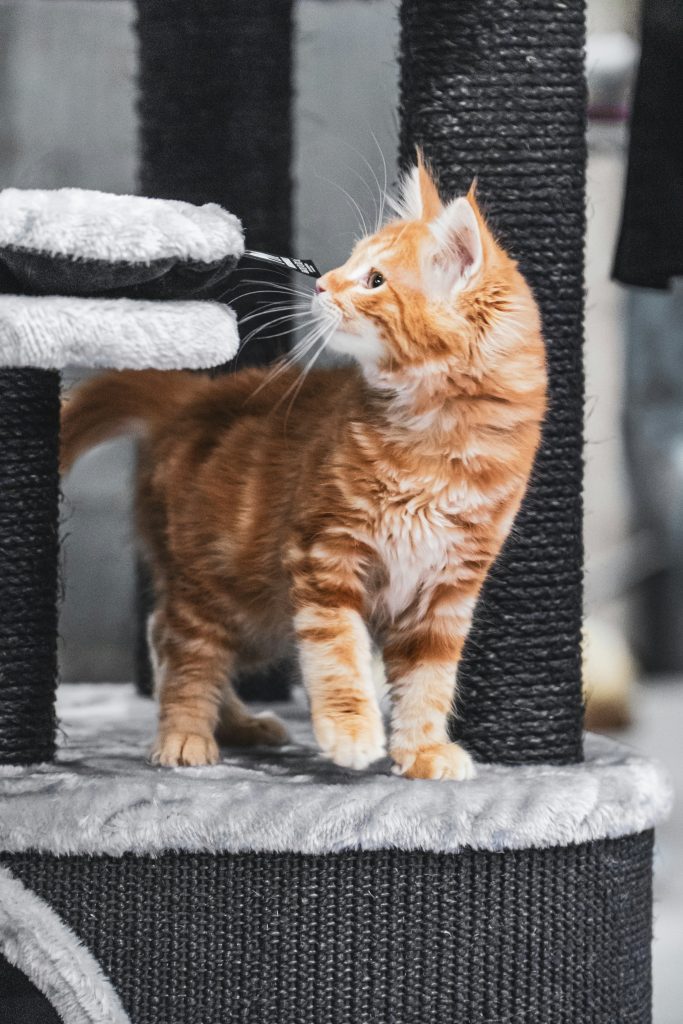
Cat trees provide a great opportunity for cats to engage in physical exercise. With various levels and platforms to jump on and scratch, cat trees encourage your furry friend to climb, leap, and stretch. This helps them stay active, maintains their muscle tone, and promotes overall physical health. Regular exercise is important for cats, especially for those who spend most of their time indoors, as it prevents obesity and related health issues.
Mental Stimulation
In addition to physical exercise, cat trees also provide mental stimulation for your feline companion. Cats are curious creatures by nature, and the different levels, platforms, and hideaway spaces on a cat tree offer endless opportunities for exploration and play. By encouraging your cat to engage with their environment in a mentally stimulating way, you can prevent boredom and keep their minds sharp and active.
Territorial Marking
Cats are territorial animals, and having a cat tree can help them establish their territory. By providing an elevated space that is exclusively theirs, cats can mark their territory and feel a sense of ownership. Scratching posts on a cat tree also serve as a way for cats to leave their scent and visually mark their territory. This helps them feel more secure and confident in their environment.
Vertical Space
Cats are natural climbers, and having access to vertical space is essential for their well-being. Cat trees provide the perfect solution, allowing cats to climb and perch at different heights. This not only satisfies their instinctual need for vertical exploration, but it also gives them a sense of security and control over their surroundings. Having a cat tree can prevent cats from feeling crowded or stressed in a small living space by providing them with their own personal “kingdom” to observe and oversee.
Choosing the Right Cat Tree
Size and Stability
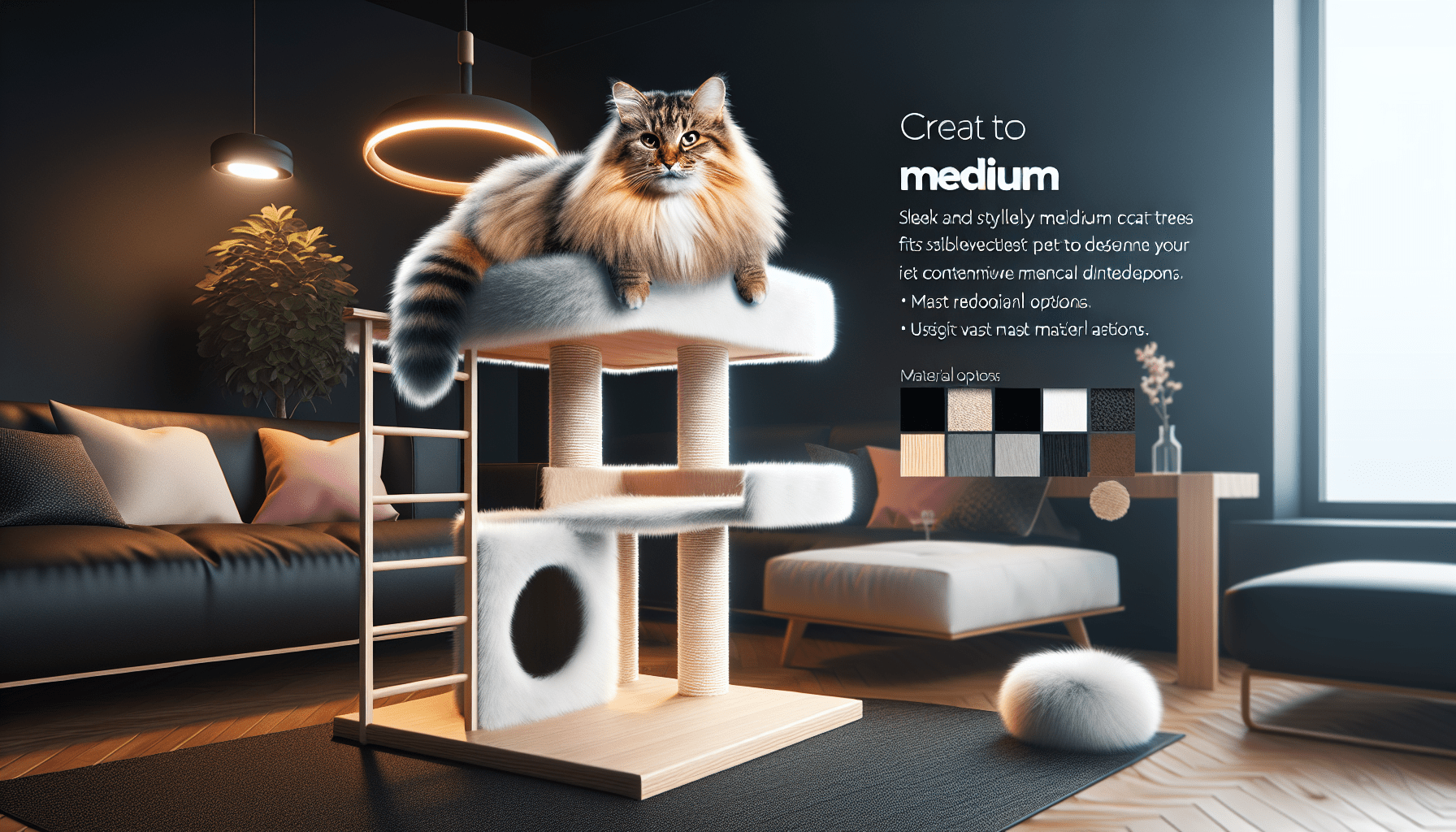
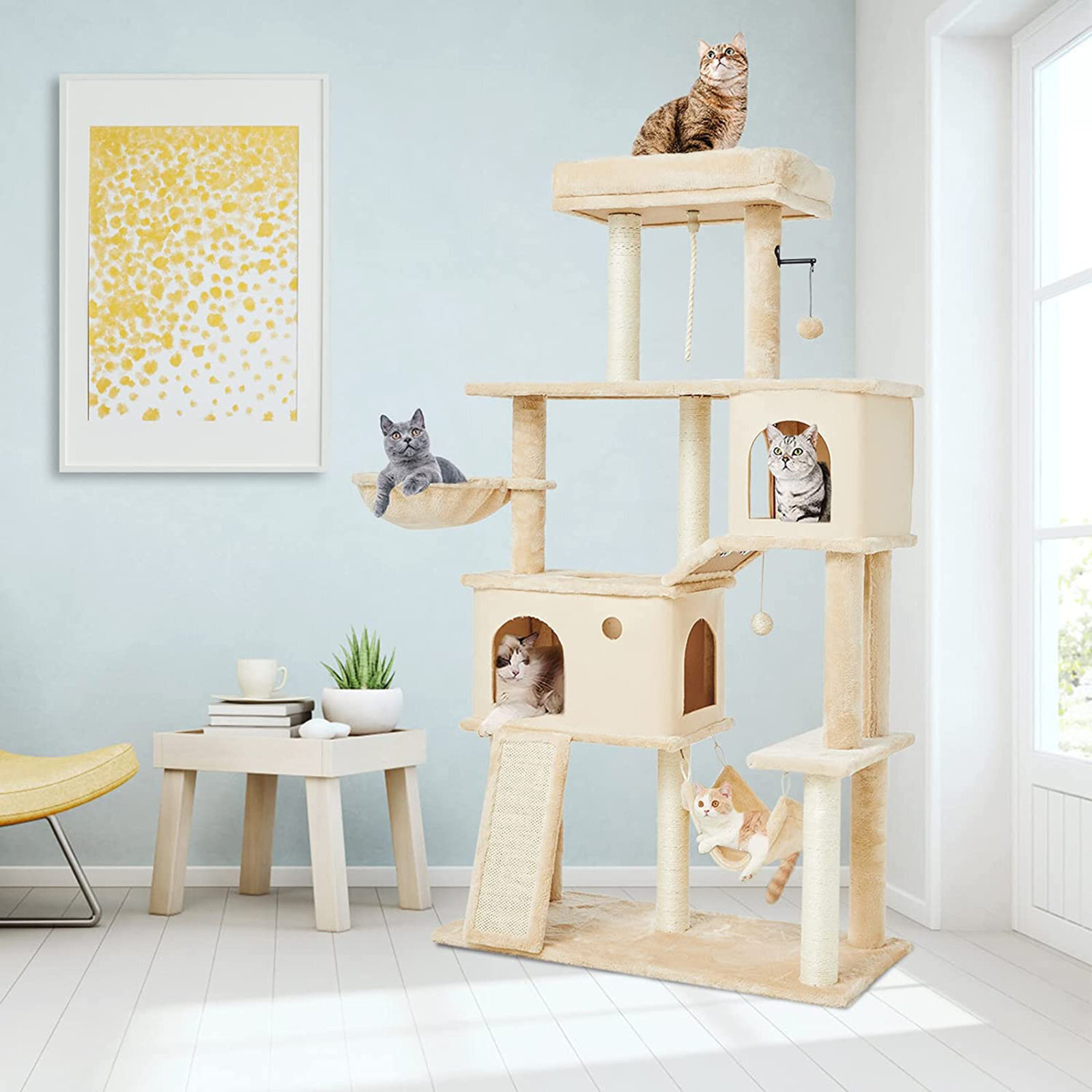
When choosing a cat tree, it is important to consider the size and stability. Make sure the cat tree is sturdy enough to support your cat’s weight and movements without wobbling or tipping over. Additionally, choose a cat tree that is appropriately sized for your cat, taking into account their size and weight. A taller cat tree with multiple platforms and perches is ideal for active and adventurous cats, while a smaller, more compact cat tree may be better suited for more timid or senior cats.
Scratching Posts
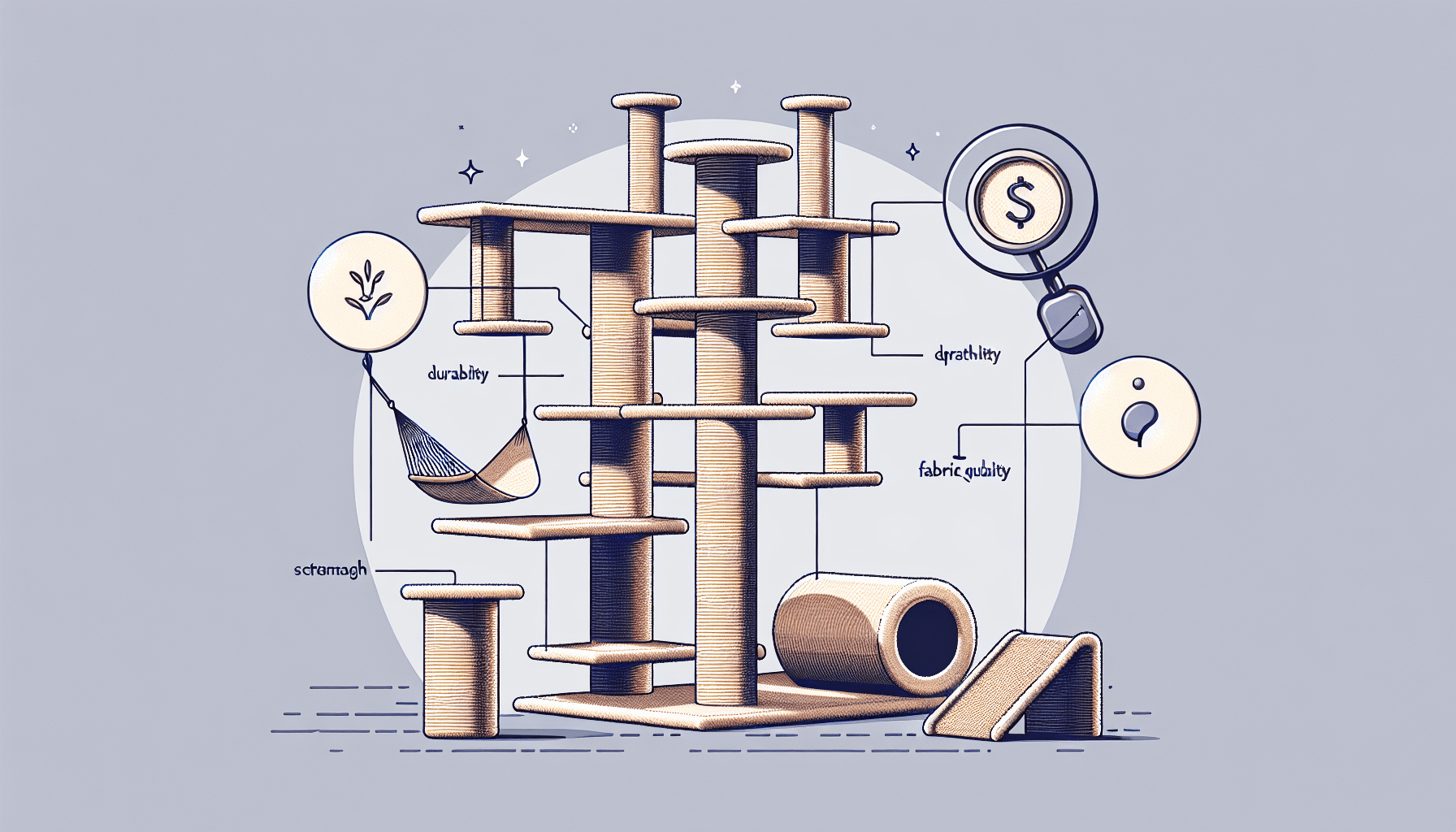
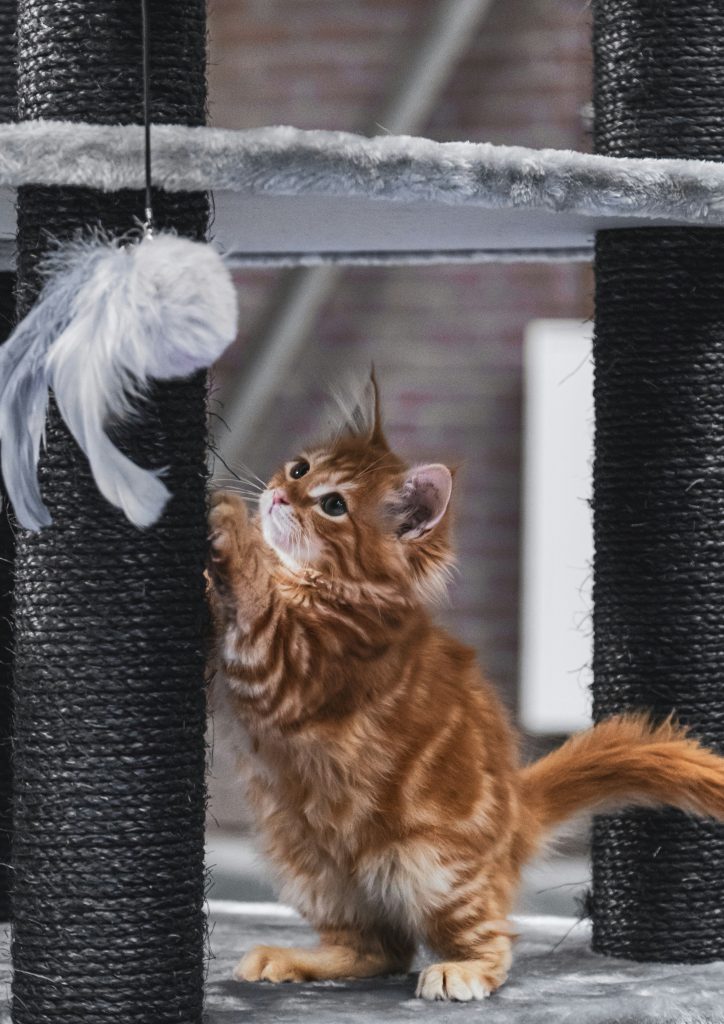
Scratching is a natural behavior for cats and is important for their claw health. Look for a cat tree that includes scratching posts made of durable materials like sisal or carpet. These scratching posts should be tall enough to allow your cat to fully stretch their body while scratching. By providing appropriate scratching surfaces on the cat tree, you can help redirect your cat’s scratching behavior away from your furniture and onto the designated posts.
Perches and Platforms
Cat trees with perches and platforms provide cats with comfortable resting spots and elevated vantage points. Look for cat trees that have a variety of platforms at different heights to cater to your cat’s preferences. These perches and platforms should be large enough to accommodate your cat comfortably, allowing them to rest, observe their surroundings, and feel safe.
Hideaway Spaces
Cats often seek out cozy, enclosed spaces where they can retreat and feel secure. When choosing a cat tree, consider one that includes hiding spots or enclosed areas such as cubbies or tunnels. These hideaway spaces provide cats with a sense of privacy and security, allowing them to take a calming break away from the hustle and bustle of the household.
Observing Your Cat’s Behavior
Curiosity and Exploration
Take note of your cat’s natural curiosity and desire to explore their environment. If you often find them climbing on furniture or attempting to reach high places, it’s a good indication that they would benefit from a cat tree. Observing your cat’s behavior can help you understand their preferences and determine the best cat tree features to meet their needs.
Scratching Furniture
If your cat has a habit of scratching your furniture, it’s important to address this behavior. A cat tree with scratching posts can help redirect their scratching behavior onto appropriate surfaces. By observing where your cat tends to scratch and providing a cat tree with strategically placed scratching posts, you can encourage them to use the cat tree instead of your furniture.
Preferred Sleeping Spots
Cats have their preferred sleeping spots, whether it’s a sunny window sill, a cozy corner, or a soft blanket. Take note of where your cat tends to nap or sleep and consider placing the cat tree in a location that replicates their preferred resting spots. This can make the cat tree more enticing and increase the likelihood of your cat using it for relaxation and sleep.
Vertical Climbing
Observe if your cat has a natural inclination to climb or perch on high surfaces. If they tend to jump onto bookshelves or climb curtains, it’s a good sign that they will enjoy the vertical space provided by a cat tree. By understanding your cat’s natural climbing tendencies, you can select a cat tree that accommodates their need for vertical exploration.
Introducing the Cat Tree
Location and Placement
Choosing the right location for your cat tree is crucial to ensure its acceptance and usage by your cat. Place the cat tree in an area that is easily accessible and where your cat spends a significant amount of their time. Ideally, position it near a window with a view, as cats love observing the outside world. Additionally, ensure that the cat tree is placed away from any noisy appliances or high-traffic areas, as cats appreciate a quiet and calming environment.
Gradual Introduction
Introduce the cat tree gradually to your cat to allow them to become familiar with it at their own pace. Start by placing treats or toys on the cat tree to encourage exploration. Allow your cat to approach and investigate the cat tree on their own terms, avoiding any forceful or overwhelming interactions. Give them time to adjust and become comfortable with the new addition to their environment.
Encouragement and Rewards
Once your cat starts using the cat tree, provide positive reinforcement to encourage continued usage. Praise and reward your cat with treats or affection whenever they interact with or climb onto the cat tree. This positive association will reinforce their behavior and increase the likelihood of them using the cat tree in the future.
Patience and Persistence
Remember that each cat is unique and may require different amounts of time to fully accept and utilize the cat tree. Be patient with your cat and give them time to adjust to the new addition. If your cat seems hesitant or uninterested initially, continue to provide gentle encouragement and monitor their behavior for any signs of progress or curiosity. With time and persistence, most cats will eventually embrace the cat tree as a part of their daily routine.
Special Considerations
Age and Mobility
Consider the age and mobility of your cat when choosing a cat tree. Kittens and young cats may benefit from a cat tree with lower platforms and easier access points, while more senior cats may prefer a cat tree with ramps or stairs to accommodate any mobility limitations. It’s important to choose a cat tree that is suitable for your cat’s age and physical abilities to ensure their safety and comfort.
Multi-Cat Households
If you have multiple cats in your household, consider their individual needs and personalities when selecting a cat tree. Some cats may prefer to share a cat tree and engage in interactive play, while others may prefer their own separate spaces. Ensure that the cat tree you choose has enough platforms, perches, and hideaway spots to accommodate multiple cats comfortably, promoting harmonious interactions within the household.
Personal Preferences
Just like humans, cats have their own unique preferences and personalities. Pay attention to your cat’s likes and dislikes when choosing a cat tree. Some cats may prefer taller structures with high perches, while others may prefer cat trees with more hiding spots. By selecting a cat tree that aligns with your cat’s personal preferences, you can increase the likelihood of them using and enjoying it.
Health Conditions
Consider any health conditions or physical limitations your cat may have when selecting a cat tree. Cats with arthritis or joint pain may benefit from cat trees with softer platforms or padded perches to provide additional comfort. Avoid cat trees with narrow or unstable surfaces that may cause discomfort or pose a risk to cats with certain health conditions. Consult with your veterinarian if you have any concerns about choosing a cat tree that suits your cat’s specific health needs.
Alternatives to Cat Trees
Cat Shelves or Wall-Mounted Perches
If a traditional cat tree is not suitable for your living space or your cat’s preferences, consider installing cat shelves or wall-mounted perches. These provide similar benefits as cat trees but take up less floor space. Cat shelves or wall-mounted perches can be placed at various heights on the walls, allowing cats to climb, perch, and observe their surroundings. They also add a decorative element to your home while giving your cat a designated area for play and relaxation.
Window Views and Ledges
Cats are naturally drawn to windows and enjoy watching the world outside. If you don’t have space for a cat tree or wall-mounted perches, make sure to create a window ledge or designated window area for your cat. Adding a comfortable bed or cushion by the window can provide your cat with a cozy spot to observe outdoor activities and enjoy the natural sunlight.
Cardboard Scratching Boxes
If your cat enjoys scratching but isn’t interested in using a cat tree’s scratching posts, consider providing them with cardboard scratching boxes. These boxes are inexpensive and can be easily replaced when worn out. Place these boxes strategically around your home, focusing on areas where your cat tends to scratch furniture. By offering an alternative scratching option, you can protect your furniture while satisfying your cat’s natural scratching instincts.
Interactive Toys and Puzzles
In addition to a cat tree, interactive toys and puzzles can further enhance your cat’s environment. Toys that encourage physical activity and mental stimulation, such as puzzle feeders or treat-dispensing toys, can keep your cat engaged and entertained. These toys provide an opportunity for play and mimic the mental stimulation that a cat tree offers. Rotate toys regularly to maintain your cat’s interest and prevent boredom.
Monitoring and Maintenance
Regular Cleaning
Cat trees can accumulate fur, dirt, and debris over time. Regularly clean the cat tree, including the platforms, perches, and hideaway spaces, to maintain a clean and hygienic environment for your cat. Use mild pet-safe cleaners and take care to fully dry any damp areas to prevent the growth of mold or bacteria. By incorporating regular cleaning into your cat tree maintenance routine, you can ensure the longevity and cleanliness of the structure.
Inspecting for Wear and Tear
Periodically inspect the cat tree for any signs of wear and tear. Check the stability of the structure, ensuring that all parts are secure and in good condition. Look for any frayed or loose ropes on scratching posts and replace them if necessary. By proactively identifying and addressing any potential issues, you can prevent accidents or injuries caused by a deteriorating cat tree.
Replacing or Repairing Parts
Over time, certain parts of the cat tree may become worn out or damaged. It is important to replace or repair these parts to maintain the functionality and safety of the cat tree. Most cat trees come with replacement parts and instructions for repairs. If needed, consult with the manufacturer or a professional to ensure proper replacement or repair methods. By keeping the cat tree in good condition, you can extend its lifespan and continue providing your cat with a stimulating and enjoyable environment.
Accessibility and Safety
Ensure that the cat tree is easily accessible and safe for your cat to use. Consider the height of the platforms and perches, ensuring that your cat can comfortably access and climb onto them without straining or jumping from a significant height. Additionally, check for any potential hazards or sharp edges that could cause injury to your cat. By regularly assessing the accessibility and safety of the cat tree, you can make adjustments or modifications as needed to prioritize your cat’s well-being.
Addressing Common Concerns
Fear of Heights
Some cats may be initially hesitant or fearful of heights. If your cat shows signs of fear or anxiety when introduced to the cat tree, take a gentle and patient approach. Start by placing the cat tree at a lower height or incorporating steps or ramps to ease their transition into elevated spaces. Gradually increase the height as your cat becomes more comfortable and gains confidence. Provide reassurance, positive reinforcement, and a calm environment to help alleviate any fear of heights.
Not Using the Cat Tree
If your cat is not showing interest in the cat tree, it may be necessary to reassess its features or placement. Consider whether the cat tree meets your cat’s preferences, such as the height of perches or the presence of hideaway spaces. Additionally, ensure that the cat tree is located in an area that is appealing and accessible to your cat. Experiment with moving the cat tree to different locations or adding enticing toys or treats to encourage their usage. Patience and persistence are key when it comes to introducing a cat to a new environment.
Transitioning from Other Furniture
If your cat has developed a habit of climbing or perching on other furniture, it may take time and effort to transition them to the cat tree. Gradually discourage your cat from using unwanted furniture by using deterrents such as double-sided tape or aluminum foil. At the same time, ensure that the cat tree offers an attractive alternative with comfortable platforms, scratching posts, and hiding spaces. With consistency and positive reinforcement, your cat will be more likely to choose the cat tree over other furniture.
Finding the Right Incentives
Each cat is motivated by different incentives. Some cats may be motivated by treats, while others may respond better to play or praise. Experiment with different incentives to encourage your cat to use the cat tree. For example, reward them with a favorite treat or engage in interactive play near the cat tree. Observe what motivates your cat the most and tailor your incentives accordingly. By finding the right incentives, you can effectively encourage your cat to use and enjoy the cat tree.
Creating an Enriched Environment
Combining Cat Furniture
Cat trees are not the only option for creating an enriched environment for your cat. Consider combining cat furniture such as scratching posts, cozy beds, and interactive toys to provide a variety of stimulation and comfort. By incorporating multiple elements into your cat’s environment, you can cater to their different needs and preferences, creating a diverse and engaging space for them to explore and enjoy.
Toys and Interactive Play
Toys play an important role in keeping your cat mentally and physically stimulated. Rotate your cat’s toys regularly to prevent boredom and maintain their interest. Interactive toys, such as wand toys or puzzle feeders, can provide additional mental and physical exercise. Engage in regular play sessions with your cat to foster a bond and create a positive association with their environment.
Cat-friendly Décor
Creating a cat-friendly home goes beyond providing cat trees and toys. Consider cat-friendly décor options such as wall-mounted shelves or perches, scratching posts disguised as furniture, or window perches for your cat to enjoy the view. Cat-friendly décor allows your cat to engage with their environment in a way that is both functional and aesthetically pleasing for your home.
Attention and Socialization
Cats are social animals and thrive on attention and social interaction. Dedicate regular playtime and bonding sessions with your cat to provide them with mental and emotional stimulation. Engage in gentle petting, grooming, or simply spending quality time together. By incorporating regular attention and socialization, you can enhance your cat’s overall well-being and create a fulfilling and enriched environment.
Final Thoughts on Cat Trees
Considering Your Cat’s Needs
When deciding whether to introduce a cat tree into your home, it is important to consider your cat’s individual needs and preferences. Observe their behavior, scratching tendencies, and desire for vertical space to determine if a cat tree would benefit them. Taking the time to understand your cat’s needs will help you make an informed decision about whether a cat tree is the right addition to their environment.
Enhancing Quality of Life
Cat trees can greatly enhance your cat’s quality of life by providing physical exercise, mental stimulation, and a sense of security. The various features of a cat tree cater to their natural instincts and help prevent behavioral issues caused by boredom or lack of stimulation. By investing in a cat tree, you are investing in your cat’s well-being and overall happiness.
Bringing the Outdoors Indoors
For indoor cats, a cat tree can be particularly beneficial in bringing a piece of the outdoors indoors. With various perches and platforms, cats can enjoy bird-watching or simply taking in the view from a higher vantage point. This connection to the outside world can alleviate any potential boredom or frustration associated with being confined to an indoor environment.
Evaluating the Benefits
When deciding whether to invest in a cat tree, evaluate the numerous benefits it offers. From physical exercise and mental stimulation to providing a sense of territory and vertical space, cat trees contribute to a holistic and enriching environment for your cat. Consider the specific needs and preferences of your cat, and choose a cat tree that aligns with their individual requirements.