If you have a cat, you’re probably familiar with how curious and adventurous they can be. However, getting them to actually use their cat tree can sometimes be a challenge. If you’re looking for ways to encourage your feline friend to explore and utilize their cat tree, you’ve come to the right place. In this article, we will provide you with some helpful tips and tricks to make the cat tree a more appealing and inviting space for your furry companion. So, get ready to create a haven of fun and relaxation for your beloved cat!

This image is property of pixabay.com.
Understanding the Importance of Cat Trees
Providing an outlet for natural instincts
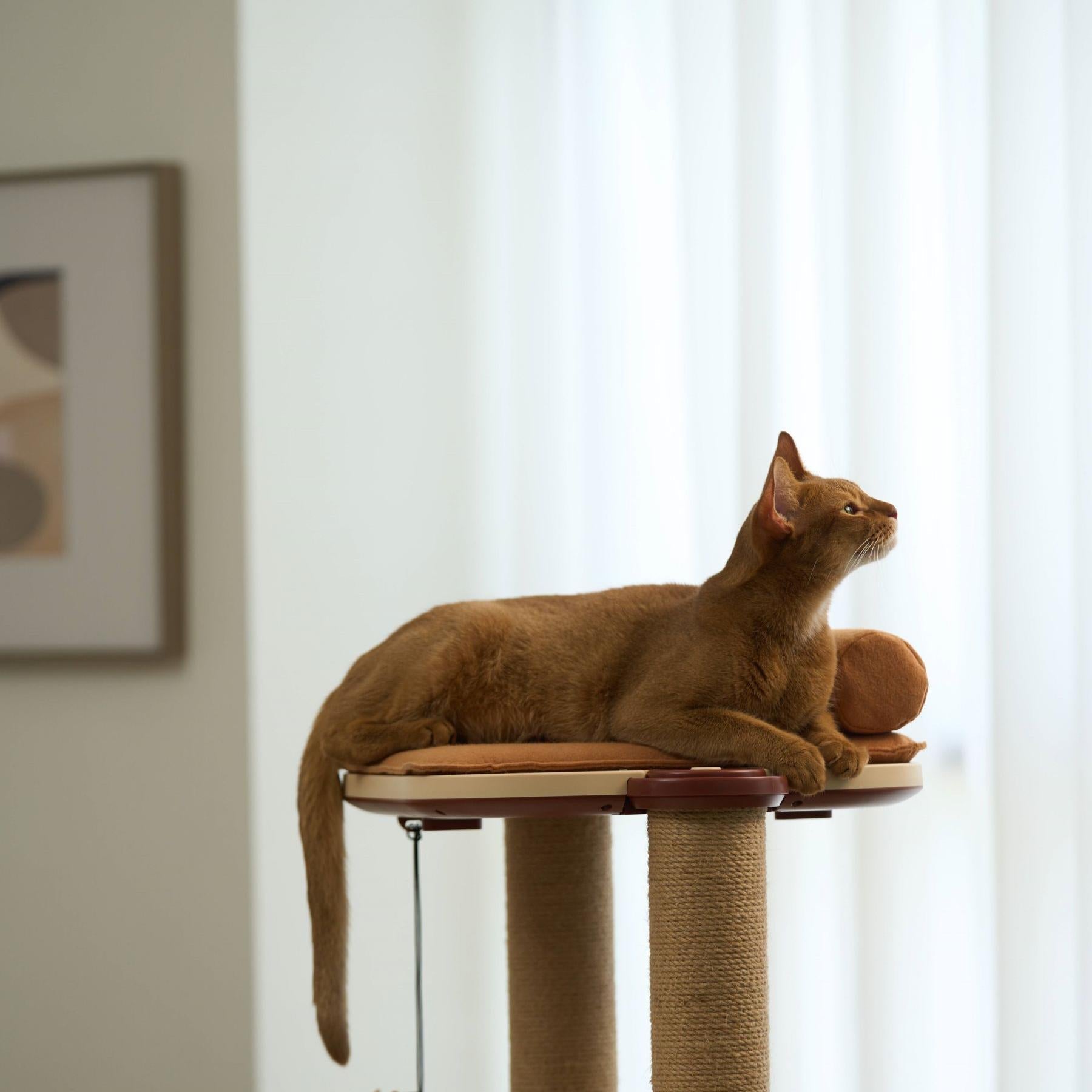
Cat trees are essential for cats as they provide an outlet for their natural instincts. Cats have an innate desire to climb and explore their surroundings, imitating their wild counterparts. By having a cat tree, you are giving your feline friend the opportunity to satisfy their climbing and perching instincts in a safe and controlled environment.
Promoting physical exercise
In addition to fulfilling their instinctual needs, cat trees also promote physical exercise for your furry friend. Climbing and jumping on different levels of the cat tree help cats to stretch their muscles, enhance their flexibility, and improve their overall physical well-being. Regular exercise on a cat tree can help prevent obesity and the associated health issues that come with it.
Creating vertical territory for cats
Cats are territorial animals, and providing them with a vertical territory is crucial for their mental and emotional well-being. Cat trees offer vertical spaces where cats can perch, observe their surroundings, and feel a sense of security. Having their own vertical territory helps cats feel more confident, reduces stress, and can even prevent territorial conflicts with other pets in the household.
Offering a safe and comfortable space
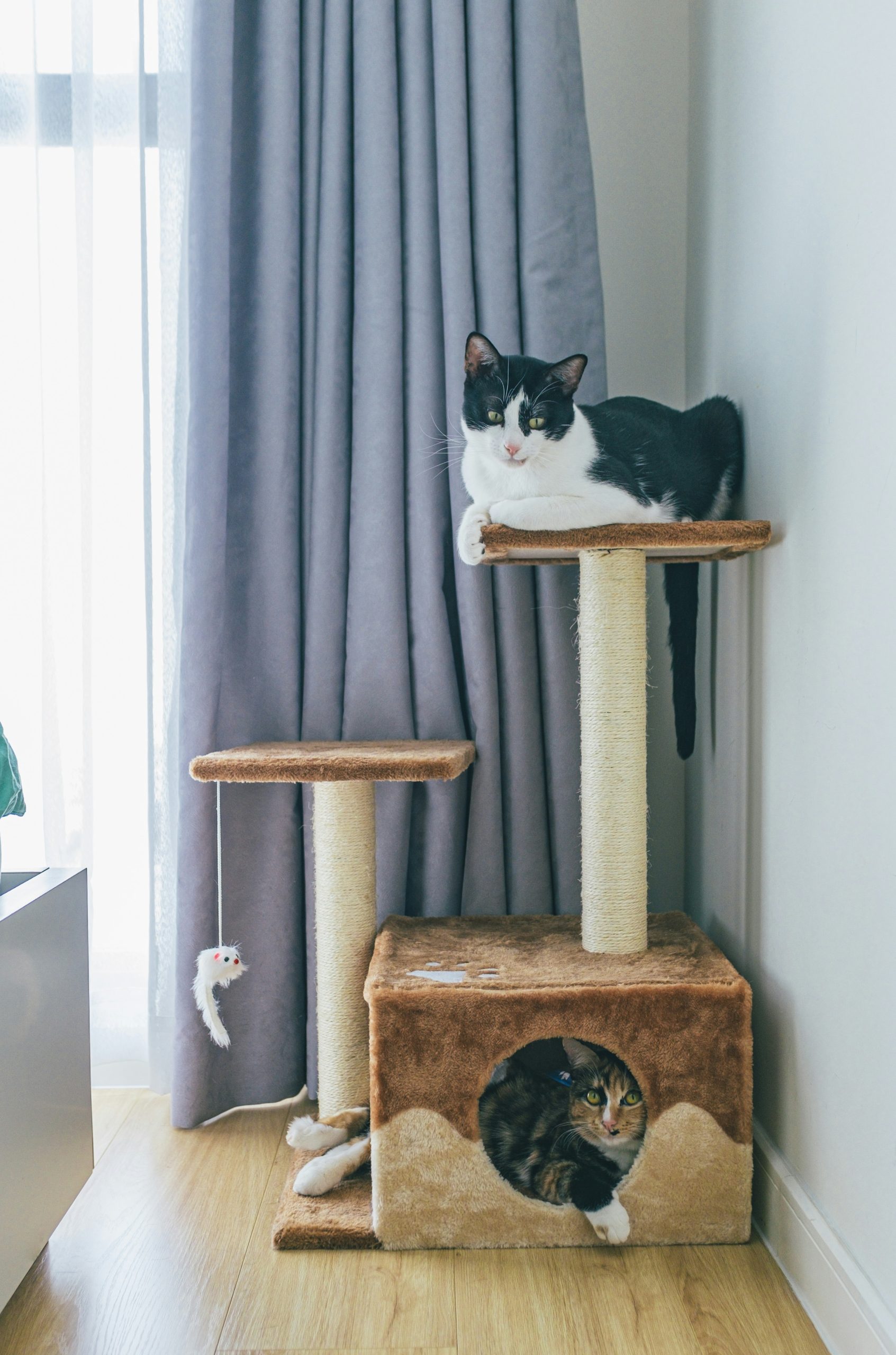
Cat trees also provide a safe and comfortable space for your cat to relax and rest. With cozy platforms, enclosed perches, and soft, plush bedding, cat trees offer a cozy haven for cats to curl up and take a nap. The elevated positions of the cat tree also allow cats to keep an eye on their environment, helping them feel secure and in control.
Choosing the Right Cat Tree
Considering the size and stability
When choosing a cat tree, you need to consider the size and stability of the tree. Make sure it is tall enough to provide adequate climbing opportunities and has a sturdy base to prevent tipping over. The cat tree should be able to comfortably accommodate your cat’s size and weight, allowing them to move freely without feeling cramped or unstable.
Opting for suitable materials
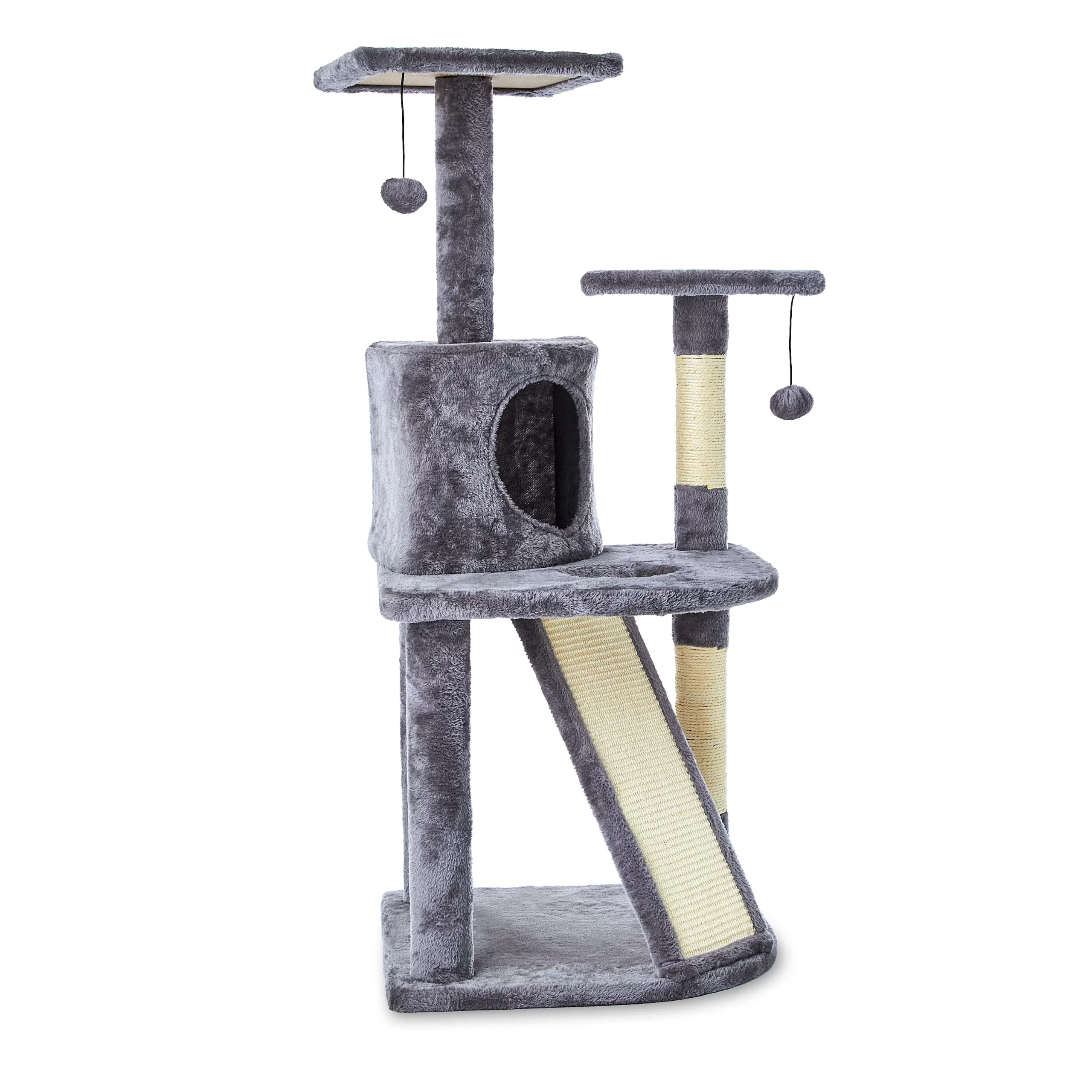
It is essential to opt for cat trees made from quality materials that are safe and durable. Look for cat trees made with sturdy wood or strong PVC pipes that can withstand the activities of an active cat. The platforms and perches should be covered with high-quality, pet-friendly carpeting or sisal rope for optimal comfort and scratching opportunities.
Evaluating the number and type of platforms
Consider the number and type of platforms the cat tree offers. Cats love variety, so a cat tree with multiple levels, platforms, and perches will provide more stimulation and options for exploration. Different types of platforms, such as enclosed perches, open platforms, and hammocks, cater to various preferences and offer unique resting spots for your cat.
Assessing scratching posts and other features
Scratching is a natural behavior for cats that helps them maintain healthy claws and mark their territory. Look for cat trees that come with built-in scratching posts or incorporate scratching surfaces like sisal rope or corrugated cardboard. Adequate scratching options will not only save your furniture but also keep your cat’s paws in optimal condition.

This image is property of pixabay.com.
Placement and Location
Selecting a high-traffic area
To encourage your cat to use the cat tree, it is essential to choose a high-traffic area in your home. Cats are social animals and prefer to be in the midst of the family action. Placing the cat tree in a room where you and your family spend most of your time will make it more inviting for your feline friend to explore and use.
Avoiding loud or busy spaces
While it is important to choose a high-traffic area, it is equally important to avoid loud or busy spaces. Cats appreciate a peaceful and quiet environment, so keep the cat tree away from areas with loud noises or excessive foot traffic. This will ensure that your cat feels safe and relaxed when using the cat tree.
Considering proximity to windows
Cats are natural observers, and they love to watch the world outside. Place the cat tree near a window, preferably one with a view of bird feeders or trees, to provide your cat with entertainment and mental stimulation. Watching birds and squirrels can be a great source of enrichment and keep your cat entertained for hours.
Keeping it away from food and litter areas
It is important to keep the cat tree separate from your cat’s food and litter areas. Cats have a strong instinct to keep their living and eating areas separate, so placing the cat tree away from these areas will help maintain a sense of hygiene and comfort. It will also prevent any potential accidents or messes from occurring near the tree.
Introducing the Cat Tree to Your Cat
Gradual introduction and positive association
To ensure a successful introduction, it is best to gradually introduce your cat to the new cat tree. Start by placing the cat tree in a familiar area and allow your cat to explore it at their own pace. Make the experience positive by offering treats, praise, or gentle strokes whenever your cat approaches or shows interest in the cat tree. This positive association will help your cat feel more comfortable and open to using the tree.
Placing treats or toys on the cat tree
Another way to entice your cat to explore the cat tree is by placing treats or toys on different levels or platforms. This will encourage them to climb and investigate the tree while being rewarded with a treat or engaging toy. As your cat becomes more familiar with the cat tree, gradually decrease the frequency of treats to avoid dependency.
Using pheromone sprays or catnip
Pheromone sprays, such as Feliway, can be used to create a calming environment and reduce any anxiety or stress your cat may have towards the new cat tree. Simply spray the pheromone spray on the cat tree or in the immediate surrounding area to help create a positive association. Additionally, sprinkling or spraying catnip on the cat tree can attract your cat and encourage them to explore and use the tree.
Providing encouragement and praise
Throughout the introduction process, it is important to provide constant encouragement and praise to your cat. Use a soothing and friendly tone of voice to reinforce positive behaviors, such as climbing or resting on the cat tree. Reward your cat with treats or a favorite toy whenever they successfully engage with the tree. With patience and positive reinforcement, your cat will gradually become more comfortable and start using the cat tree regularly.
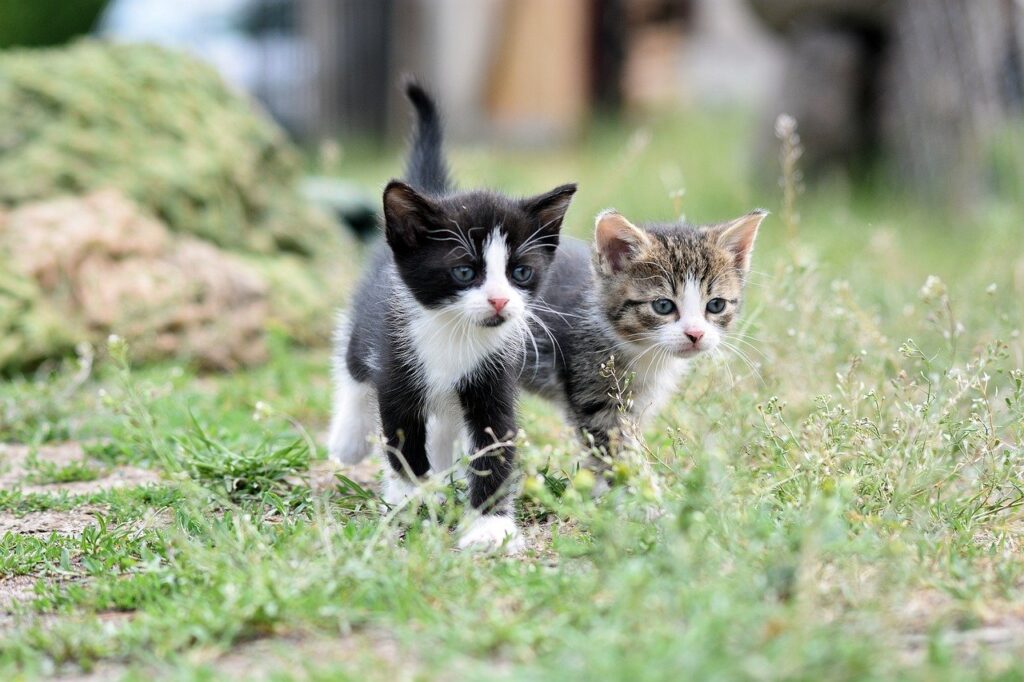
This image is property of pixabay.com.
Making the Cat Tree Attractive
Adding cozy and comfortable bedding
To make the cat tree even more inviting, add cozy and comfortable bedding to the platforms or perches. Cats love soft and plush materials, so providing them with a warm and cozy spot to rest will encourage them to spend more time on the cat tree. Choose bedding materials that are easily washable to maintain hygiene and freshness.
Incorporating interactive toys and dangling objects
Make the cat tree more interactive and engaging by incorporating toys and dangling objects. Attach toys or feathers to the branches or platforms of the cat tree to entice your cat to swat and play. Interactive toys that your cat can bat or chase will keep them entertained and stimulate their hunting instincts while on the tree.
Using enticing catnip or treats
Catnip and treats can be used as powerful motivators to attract your cat to the cat tree. Sprinkle catnip on different levels or rub it on the scratching posts to create an enticing scent that your cat can’t resist. You can also strategically place treats around the cat tree to encourage your cat to explore and discover them.
Rotating toys and accessories periodically
To prevent boredom and maintain your cat’s interest in the cat tree, it is important to rotate the toys and accessories periodically. Switching out toys or introducing new ones will keep the environment fresh and exciting for your cat. By providing variety, your cat will continue to be intrigued and engaged with the cat tree.
Creating a Multi-Level Environment
Positioning the cat tree near furniture or shelves
To create a multi-level environment, consider positioning the cat tree near other furniture or shelves in your home. This allows your cat to climb and jump from the cat tree to other elevated surfaces, maximizing their vertical space. Placing the cat tree near bookshelves or cabinets provides additional climbing opportunities and encourages exploration.
Adding perches or shelves at different heights
Expand your cat’s vertical territory by adding perches or shelves at different heights. This will provide additional resting spots and opportunities for your cat to survey their surroundings. Install wall-mounted shelves above or adjacent to the cat tree to create a connected network of elevated spaces that your cat can navigate.
Providing alternative vertical spaces like wall-mounted shelves
In addition to the cat tree, consider installing wall-mounted shelves as alternative vertical spaces for your cat. These shelves can be placed at various heights and angles, allowing your cat to navigate and explore an entire vertical wall. Wall-mounted shelves provide additional climbing and perching options, promoting physical exercise and mental stimulation.
Using cat climbing walls or staircases
For the ultimate multi-level environment, consider investing in cat climbing walls or staircases. These specially designed structures allow cats to navigate vertical spaces with ease. Cat climbing walls typically consist of sturdy, modular pieces that can be arranged to create a customized climbing experience. Staircases provide easy access to higher areas and make it convenient for cats to move between levels.
Cat Tree Maintenance and Cleaning
Regularly inspecting for loose parts or damage
To ensure the safety and longevity of your cat tree, it is important to regularly inspect it for any loose parts or damage. Check the stability of the tree, inspect the scratching posts for wear and tear, and ensure that all platforms and perches are securely attached. Address any issues promptly to prevent accidents or injuries.
Cleaning the cat tree regularly with pet-safe products
Cat trees can accumulate dirt, fur, and odor over time. Regular cleaning is necessary to maintain a clean and hygienic environment for your cat. Use pet-safe cleaning products or mild soap and warm water to clean the platforms, perches, and any other fabric or carpeted areas. Remove any stains or spots promptly to keep the cat tree looking fresh and appealing.
Replacing worn-out scratching posts or platforms
Over time, the scratching posts or platforms on your cat tree may become worn out or damaged. To ensure your cat continues to use the tree and fulfill their scratching needs, replace any worn-out parts promptly. Investing in replacement parts or a new cat tree if necessary will ensure your cat has a safe and sturdy environment to enjoy.
Trimming nails and providing alternative scratching options
Regular nail trimming is important for cats to maintain healthy claws and prevent them from damaging the cat tree. Trim your cat’s nails regularly to minimize the risk of them getting caught in the tree or causing damage. Additionally, provide alternative scratching options, such as scratching posts or mats, to redirect your cat’s scratching behavior away from the cat tree.
Encouraging Play and Interaction
Engaging in interactive play sessions near the cat tree
To encourage your cat to use the cat tree and engage in physical activity, incorporate interactive play sessions near the tree. Use toys on strings or wand toys to entice your cat to climb, jump, and swat at the toy. These play sessions not only provide exercise but also create positive associations with the cat tree.
Using toys that can be attached to the cat tree
Another way to encourage play and interaction with the cat tree is by using toys that can be attached to various levels or platforms. Toys that dangle or have feathers can be securely fastened to the cat tree, enticing your cat to play and explore. This interactive element will make the cat tree more appealing and engaging for your feline friend.
Playing gentle games of hide-and-seek
Cats love to engage in hide-and-seek games, and the cat tree can be an ideal setting for this kind of play. Hide behind the tree or use interactive toys to create a sense of anticipation and excitement for your cat. This type of play stimulates their natural hunting instincts and encourages exploration of the different levels and hiding spots on the tree.
Inviting other cats or pets to explore the tree
If you have multiple cats or other pets in your home, inviting them to explore the cat tree together can be a great way to encourage play and interaction. Encourage friendly interactions and play sessions between the animals while they are near or on the cat tree. This shared experience helps build positive associations with the tree and promotes a harmonious relationship among your pets.
Rewards and Positive Reinforcement
Rewarding the cat with treats or praise when using the cat tree
Rewarding your cat with treats or praise when they use the cat tree is an effective method to reinforce positive behavior. Whenever you observe your cat using the tree, offer them a tasty treat or verbal praise to let them know they are doing well. Making this a consistent practice will encourage your cat to continue using the cat tree.
Providing designated feeding or treat areas near the tree
Creating designated feeding or treat areas near the cat tree can further reinforce positive associations. Place your cat’s food bowl or a treat dispenser close to the tree so that your cat associates the tree with positive experiences like eating and receiving rewards. This serves as an added incentive for your cat to use the tree regularly.
Pairing the tree with positive experiences (e.g., feeding, playtime)
Pairing the cat tree with other positive experiences, such as feeding or playtime, can strengthen your cat’s association with the tree. For example, before mealtime or play sessions, engage with your cat near the tree or include the tree as part of the play area. This will create a positive connection between the cat tree and enjoyable activities, making your cat more inclined to use it.
Using clicker training or target training
Clicker training or target training can be used to train your cat to use the cat tree. By associating a clicking sound or a target stick with the desired behavior of climbing or resting on the tree, you can effectively guide and reward your cat’s progress. Clicker training or target training is a positive and rewarding method that can help reinforce your cat’s behavior and increase their confidence in using the cat tree.
Troubleshooting and Overcoming Challenges
Addressing fear or anxiety towards the cat tree
If your cat shows fear or anxiety towards the cat tree, it is important to address these emotions and gradually build their confidence. Start by placing the cat tree in a familiar and calm area of your home. Use positive reinforcement, treats, and praise to encourage your cat’s exploration and gradually increase their exposure to the cat tree. If the fear or anxiety persists, consult with a veterinarian or animal behaviorist for further guidance.
Gradually introducing heights and elevated spaces
Some cats may be hesitant to explore heights and elevated spaces initially. To overcome this challenge, gradually introduce your cat to the different levels of the cat tree. Start with the lower platforms and gradually encourage them to climb higher. Use treats or toys to make the process more enticing and rewarding. With patience and a gradual approach, your cat will become more comfortable with heights and elevated spaces.
Consulting with a veterinarian or animal behaviorist
If you are facing persistent challenges with your cat using the cat tree or if your cat exhibits extreme fear or aggression towards the tree, it may be beneficial to seek professional advice. Consulting with a veterinarian or certified animal behaviorist can help identify any underlying issues and provide specific recommendations to address your cat’s behaviors and make the cat tree a positive experience for them.
Modifying the cat tree to make it more appealing
In some cases, modifying the cat tree can make it more appealing and enticing for your cat. Consider adding additional toys, hiding spots, or incorporating different textures or materials to pique your cat’s interest. You can also try attaching familiar objects, such as clothing with your scent, to create a sense of familiarity and comfort. Experiment with different modifications to find what works best for your individual cat.
Encouraging Cats to Explore and Use the Cat Tree is an important aspect of cat ownership. By providing a cat tree that caters to your cat’s natural instincts, preferences, and needs, you are creating an enriching environment that promotes their physical and mental well-being. With proper introduction, maintenance, and positive reinforcement, your cat will soon embrace the cat tree as their own little sanctuary.