Are you a proud cat owner, looking to provide your feline friend with the perfect play area? Look no further! We have gathered some essential information regarding the supervision and usage guidelines of cat trees. Whether you are a new cat parent or have had cats for years, understanding the importance of supervising your furry friend and ensuring they utilize their cat tree correctly is crucial for their safety and entertainment. In this article, we will explore the dos and don’ts of cat tree usage, helping you create a harmonious and stimulating environment for your beloved pet. So, let’s dive into the world of cat trees and discover the secrets to keeping your cat content and active!
This image is property of www.aspcapro.org.
Choosing the Right Cat Tree
When it comes to choosing the right cat tree for your furry friend, there are a few factors to consider. First and foremost, you need to take the size of your cat into account. Some cat trees are designed for smaller cats, while others are more suitable for larger breeds. Make sure to check the weight and size limits of the cat tree before making a purchase.
Another important consideration is the space available in your home. Measure the area where you plan to place the cat tree to ensure that it will fit comfortably. You don’t want the tree to be too bulky or take up too much space in your living area. It’s also a good idea to consider the layout of your home and where the cat tree will best fit in with your existing furniture.
The construction of the cat tree is another crucial factor to consider. A sturdy and well-built cat tree will provide a safe and secure environment for your beloved pet. Look for cat trees made from high-quality materials, such as solid wood or durable PVC pipes. Avoid flimsy constructions that may wobble or collapse, as they can pose a risk to your cat’s safety.
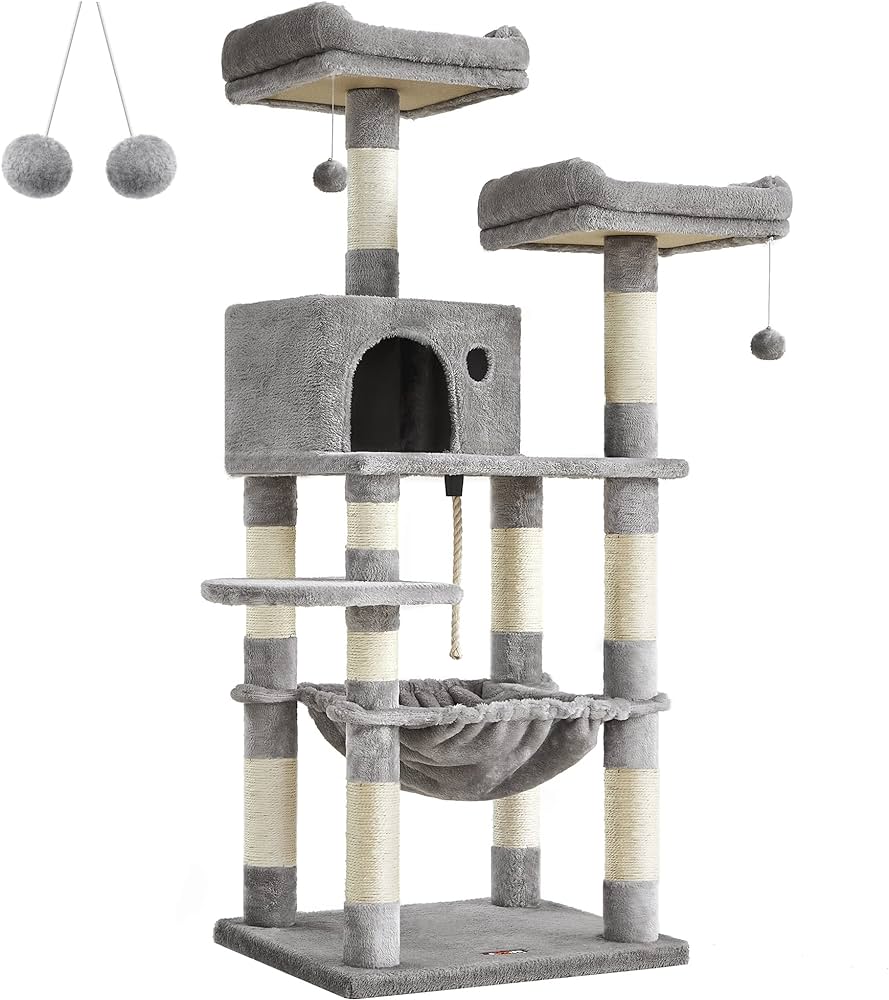
In addition to stability, it’s important to choose a cat tree that offers different levels and platforms. Cats love to climb, explore, and perch on varying heights. Look for a tree that has multiple platforms and levels to cater to your cat’s natural instincts. This will provide them with ample opportunities for exercise, play, and relaxation.
Lastly, consider your cat’s preferences when choosing a cat tree. Some cats love scratching posts, while others prefer hiding spots or cozy hammocks. Take into account your cat’s individual preferences and choose a tree that offers the features they enjoy the most. By selecting a cat tree that meets your cat’s needs, you’ll be providing them with a welcoming and enjoyable space of their own.
Placing the Cat Tree
Once you’ve chosen the perfect cat tree for your feline friend, it’s time to find the right location for it in your home. Consider selecting a location that has enough space for the cat tree, ensuring that your cat will have enough room to play, climb, and relax without feeling cramped.
It’s also important to place the cat tree away from any hazards. Avoid positioning it near sharp objects, delicate items, or breakable decorations that could be knocked over or damaged by your cat’s playful antics. Additionally, make sure the tree is placed away from any potential sources of danger, such as open windows, heating vents, or electrical outlets.
Take into consideration the noise levels in your home when choosing a location for the cat tree. Cats appreciate peace and quiet, so it’s best to avoid placing the tree in loud or busy areas. This will provide them with a calm and tranquil environment where they can fully enjoy their new perch.
Temperature is another important factor to consider when placing the cat tree. Cats are sensitive to changes in temperature, so it’s crucial to position the tree in an area that remains comfortable throughout the day. Avoid placing it near drafty windows or in direct sunlight, as extreme temperatures can make it an undesirable spot for your cat.
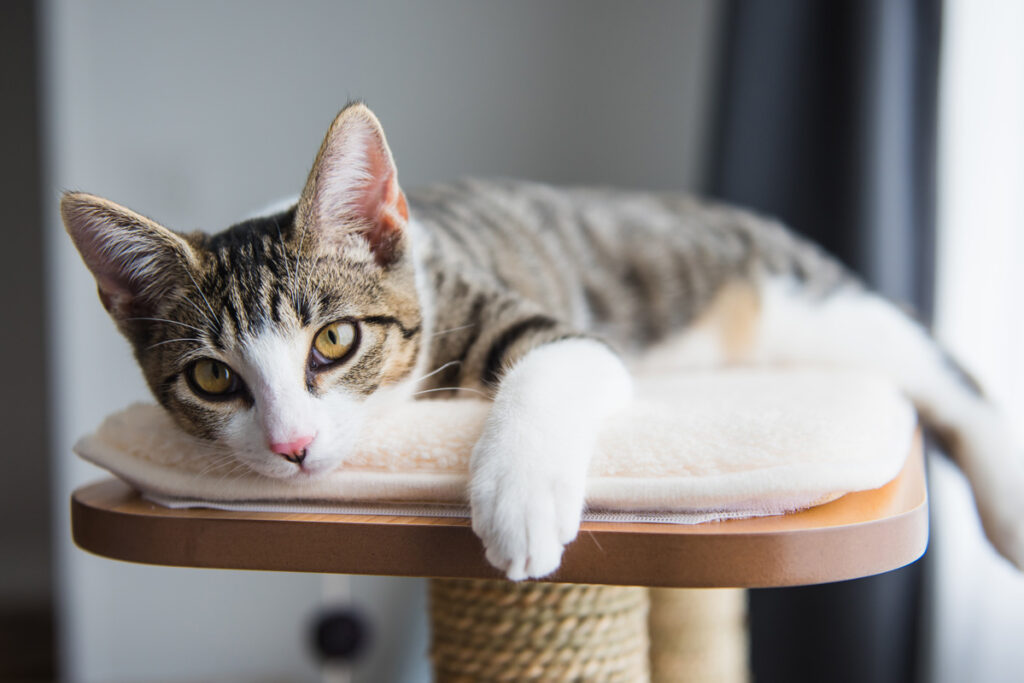
Lastly, consider placing the cat tree near a window for outdoor views. Cats are natural observers and enjoy watching birds, squirrels, and other outdoor activities. By positioning the cat tree near a window, you’ll provide your cat with a stimulating view and entertainment while they rest or play on their new tree.
This image is property of www.drelseys.com.
Introducing Your Cat to the Cat Tree
After you’ve placed the cat tree in an ideal location, it’s time to introduce your cat to their new kingdom. It’s important to allow your cat to explore the tree at their own pace. Cats are naturally curious creatures, and they’ll want to inspect their new environment on their terms. Give them the freedom to climb, jump, and investigate the different levels and platforms of the cat tree.
To encourage your cat to approach the tree, you can use treats or toys. Place some of their favorite treats or toys on different levels of the cat tree to entice them to explore. This positive reinforcement will help your cat associate the tree with rewards and create a positive experience.
Start by gently guiding your cat to the base of the tree. Offer praise and rewards when they make any progress, such as climbing a platform or scratching a post. It’s important to show them that the cat tree is a fun and rewarding place to be. Be patient with your cat as they adjust to their new surroundings and give them the time they need to become comfortable with the tree.
Supervising Cat Tree Usage
While the cat tree provides a fun and engaging space for your cat, it’s crucial to always supervise your cat when using it. Observing how your cat interacts with the tree will help you ensure their safety and well-being.
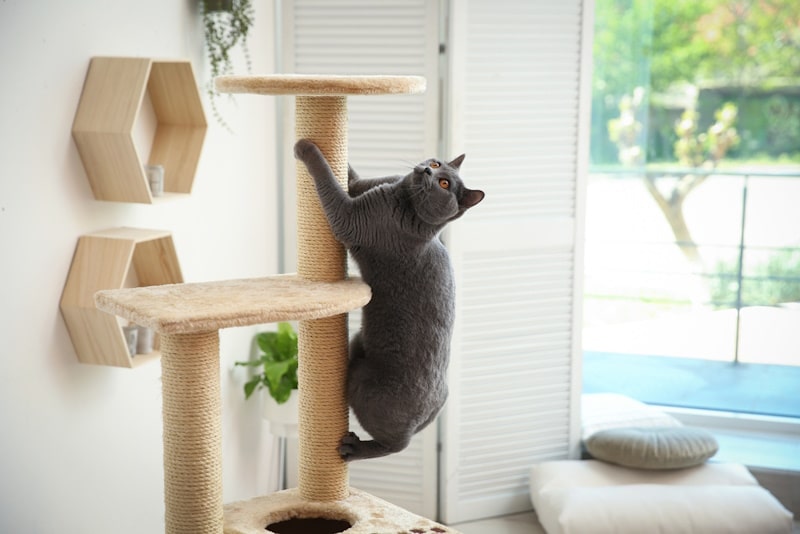
Pay attention to how your cat moves around the tree, how they balance on the platforms, and how they use the scratching posts. This will help you spot any potential issues, such as instability or discomfort. If you notice any signs of distress or discomfort, intervene promptly to prevent accidents or fights.
Regularly check the cat tree to ensure that it remains stable and secure. Cats can be quite active and may put the tree to the test with their acrobatics and playfulness. Tighten any loose parts and ensure that all screws or fasteners are secure. This will prevent the tree from wobbling or collapsing, keeping your cat safe during their adventures.
Keep an eye out for any signs that your cat may be experiencing discomfort or distress while using the cat tree. This could include excessive scratching, avoidance of certain platforms, or vocalization indicating distress. If you notice any of these signs, it’s important to address the issue promptly. You may need to make adjustments to the tree or consult a veterinarian for further guidance.
It’s also important to prevent any conflicts or accidents that may arise between multiple cats using the tree. Cats are territorial creatures, and disputes can occur when sharing space. If you have multiple cats, ensure there’s enough space on the tree for each cat to have their own perch or hiding spot to prevent conflicts. If necessary, consider providing additional cat trees or alternative vertical options to accommodate all of your feline friends.
This image is property of www.catster.com.
Maintaining and Cleaning the Cat Tree
To ensure your cat’s health and hygiene, it’s essential to regularly maintain and clean the cat tree. By doing so, you’ll prevent dirt, hair, and odor buildup, creating a clean and enjoyable environment for your cat.
Regularly inspect the cat tree for any loose parts or signs of wear and tear. Cats can put a lot of wear and tear on their tree, especially when utilizing scratching posts. Tighten any screws or fasteners as needed to maintain the tree’s stability. Replace any worn-out scratching posts or platforms to keep the tree in optimal condition.
Cleaning the cat tree should be a regular part of your cleaning routine. Use a pet-safe cleaning product or natural alternatives, such as a mixture of water and vinegar, to remove dirt and stains from the tree. Wipe down the platforms, scratching posts, and any other surfaces, ensuring that they are free from dirt, hair, and bacteria. This will help maintain a healthy and clean environment for your cat.
Safety Precautions
When it comes to your cat’s safety, there are a few precautions to keep in mind when using a cat tree. Check the tree for any sharp edges or protruding nails that could potentially harm your cat. Smooth any rough surfaces and cover any exposed nails or staples to prevent injuries.
Ensure that the cat tree is free from toxic materials. Some cat trees may be treated with chemicals or materials that can be harmful to your cat if ingested or inhaled. Look for cat trees that are made from pet-safe materials and avoid anything that may pose a health risk to your cat.
Avoid placing the cat tree near potential dangers like electrical cords or wires. Cats are curious creatures and may chew on cords, which can lead to electrical shocks or other injuries. Keep the tree away from any potential hazards to ensure your cat’s safety.
To provide added stability, consider securing the cat tree to a wall or floor. This will prevent any tipping or toppling accidents. Use mounting brackets or straps to secure the tree securely in place, ensuring that it can withstand your cat’s playful antics.
Lastly, remove any small or hazardous parts that could be swallowed. Cats may show interest in tiny objects or dangling strings, which can pose a choking hazard. Regularly inspect the tree for any loose parts or small objects that could be easily swallowed and remove them to prevent any accidents.
This image is property of www.outdoorbengal.com.
Cat Tree Alternatives
While cat trees are a popular choice for providing a vertical space for cats, there are also alternative options to consider. Wall-mounted shelves are a great alternative for cats who love to climb and explore. These shelves can be installed at varying heights, allowing your cat to jump and observe their surroundings from different vantage points.
Provide alternative scratching surfaces to cater to your cat’s needs. Some cats prefer scratching horizontally rather than vertically. Invest in a quality horizontal scratching board or mat to offer your cat a variety of scratching options. This will help redirect their scratching behavior and protect your furniture from potential damage.
In addition to climbing and scratching surfaces, consider adding window perches or cozy cat beds for elevated resting spots. Cats enjoy being high up, and these additions will provide them with comfortable places to relax and enjoy the view. Window perches allow cats to bask in the sunlight and observe outdoor activities, stimulating their natural instincts.
If you’re feeling creative, you can even create DIY cat furniture using repurposed materials. From cardboard boxes to old bookshelves, the options are endless. Not only will this provide your cat with a unique and personalized space, but it’s also an eco-friendly option that repurposes items you already have at home.
To keep your cat stimulated and prevent boredom, consider rotating different toys and furniture options. Cats can quickly lose interest in the same toys or furniture, so swapping them out periodically will keep things fresh and exciting. This will ensure that your cat remains mentally and physically stimulated, leading to happier and healthier feline companions.
When to Seek Professional Help
While most cats will easily adapt to a cat tree and enjoy using it, there are instances where seeking professional help may be necessary. If your cat displays unusual behavior, such as aggression, extreme fear, or excessive stress, it’s recommended to consult a veterinarian. They can assess your cat’s physical and mental health to determine if any underlying medical issues are contributing to the behavior.
If your cat refuses to use the cat tree despite your best efforts, professional assistance may be beneficial. A cat behaviorist can help identify any potential barriers preventing your cat from using the tree and provide guidance on how to overcome them. They can offer specialized advice and recommendations tailored to your cat’s specific needs.
Additionally, if you notice any issues with litter box usage, it’s important to seek advice from a professional. Cats can develop litter box aversion for various reasons, and it’s crucial to address the issue promptly to prevent any long-term problems. A veterinarian or cat behaviorist can help diagnose and resolve any litter box issues your cat may be experiencing.
This image is property of www.catster.com.
Conclusion
Choosing the right cat tree and ensuring its proper usage and maintenance is key to providing your cat with a happy and safe environment. By considering the size of your cat, the available space in your home, and your cat’s preferences, you can select a suitable tree that meets all their needs. Placing the cat tree in an ideal location, introducing your cat to it gradually, and supervising their usage will ensure a smooth transition and joyful experience for your furry friend.
Regular maintenance and cleaning of the cat tree will keep it in good condition and prevent any health risks. Adhering to safety precautions and providing alternatives when needed will enhance your cat’s safety and well-being. And if you encounter any behavioral issues that you are unable to resolve on your own, seeking professional help from a veterinarian or cat behaviorist is always a wise decision.
By following these guidelines, you can create a cat-friendly environment that promotes happiness, physical activity, and mental stimulation for your beloved feline companion. Providing them with a captivating cat tree or alternative vertical options will enrich their lives and deepen the bond between you and your furry friend.