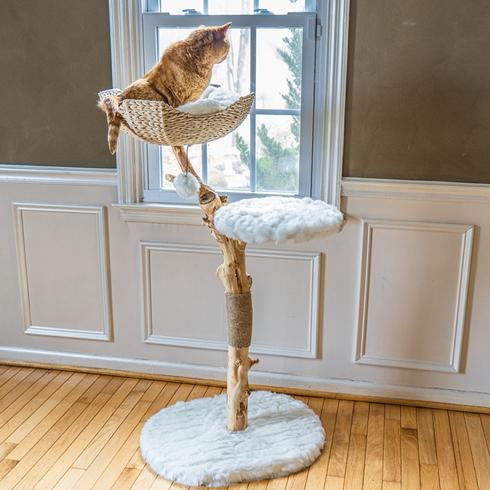
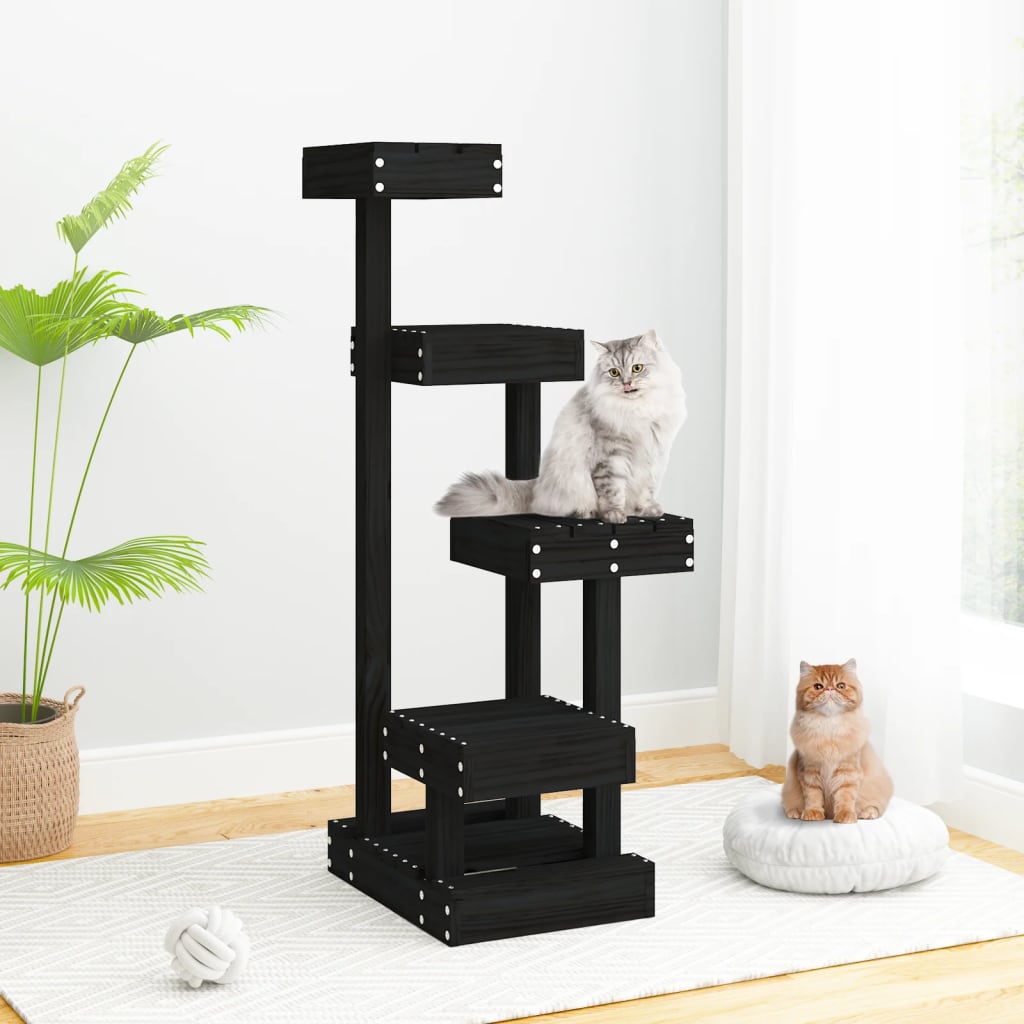
Imagine a world where two cats peacefully coexist on the same cat tree, basking in the warm sunlight filtering through the window. It sounds like a purrfectly harmonious scenario, but the question arises: Can two cats really share a cat tree? While it may seem like a challenge, with a few clever strategies and a touch of feline diplomacy, it is indeed possible for our furry friends to find common ground and enjoy their elevated perch together. So, let’s unravel the mysteries of feline cohabitation and discover how your cats can peacefully share a cat tree.
Can Two Cats Share A Cat Tree?
If you’re a cat owner with multiple feline companions, you may be wondering if it’s possible for your cats to share a cat tree. The answer is a resounding yes! Cats are known for their love of climbing and perching, and a cat tree provides the perfect place for them to indulge in these natural instincts. Not only can two cats share a cat tree, but there are also numerous benefits to be gained from this shared space. Let’s take a closer look at what a cat tree is, why cats need one, and the advantages of two cats sharing a cat tree.
What is a cat tree?
A cat tree, also known as a cat condo or cat tower, is a specially designed piece of furniture that is made for cats to climb, perch, scratch, and nap on. It typically consists of multiple levels, platforms, and perches, as well as various features like sisal scratching posts, dangling toys, and cozy hideaways. Cat trees come in a variety of sizes and designs, providing a range of options to suit both your cats’ preferences and your home’s space.
Why do cats need a cat tree?
Cats have a natural instinct to climb and perch in high places. In the wild, climbing trees allows them to escape from predators, observe their surroundings, and establish safe territories. By providing a cat tree, you are fulfilling their instinctual need for vertical exploration and creating a stimulating environment for them. A cat tree also offers a range of benefits for their physical and mental well-being.
Instinctual need for climbing
Climbing is a fundamental part of a cat’s natural behavior. It provides them with exercise, increases their agility, and helps them stretch and strengthen their muscles. By having a cat tree, you give your cats the opportunity to engage in this instinctual behavior and simulate the climbing experience they would find in the outdoors.
Need for a high vantage point
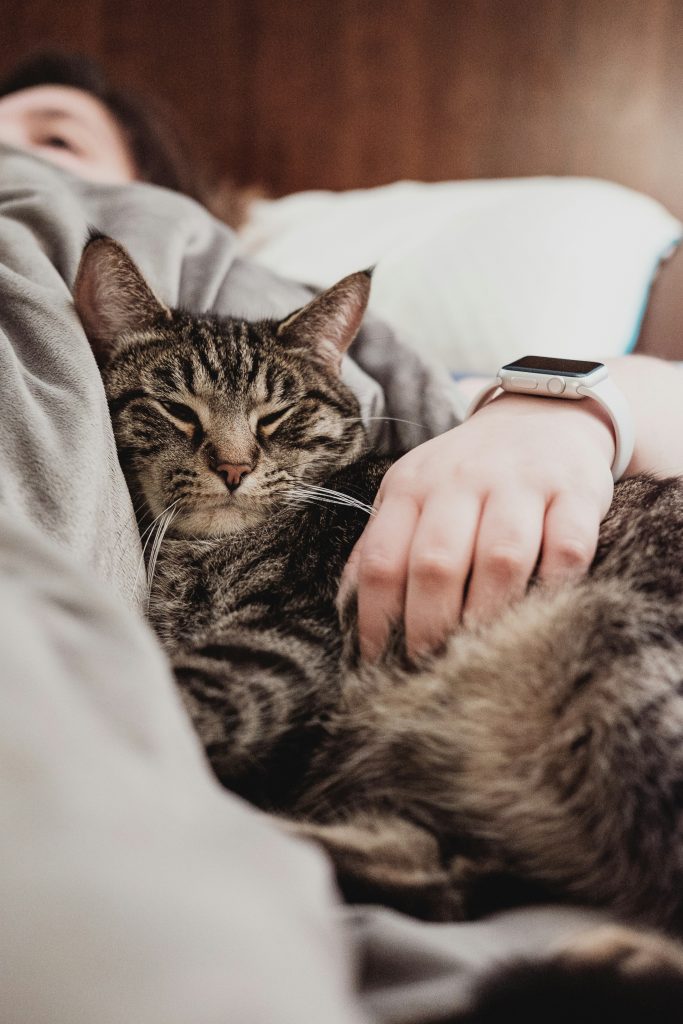
Cats are curious creatures that enjoy observing their surroundings. A cat tree allows them to have a high vantage point, giving them a sense of security and control. From the top of the cat tree, your cats can keep an eye on their surroundings, monitor household activities, and maintain a sense of dominance. It also offers them a cozy spot where they can relax and nap with a view.
Exercise and stimulation
Providing your cats with a cat tree encourages them to be more active and engage in regular exercise. Cats that have access to a cat tree are more likely to climb, jump, and play, which helps them burn off excess energy and maintain a healthy weight. In addition, the various levels and platforms of a cat tree offer opportunities for mental stimulation through exploration and problem-solving.
Benefits of two cats sharing a cat tree
Now that we understand what a cat tree is and why cats need one, let’s explore the advantages of two cats sharing a cat tree.
Promotes bonding between cats
Sharing a cat tree can help foster a sense of companionship and enhance the bond between your cats. Cats are social animals, and they often enjoy spending time together. Having a shared space where they can play, lounge, and interact can strengthen their relationship and provide them with a common ground to engage in mutual activities.
Saves space in the home
If you have multiple cats, a cat tree that accommodates both of them can help save space in your home. Instead of having multiple cat trees scattered throughout your living space, a single cat tree can provide a designated area for your cats to share. This can be particularly beneficial for smaller homes or apartments where space is limited.
Reduces furniture scratching
Cats have a natural instinct to scratch objects to mark their territory and maintain their claws. By providing a cat tree with built-in scratching surfaces, you give your cats an appropriate outlet for their scratching behavior. This can help redirect their attention away from your furniture and carpets, reducing the chances of them causing damage to your belongings.
Encourages exercise and play
Having two cats share a cat tree can also encourage them to engage in more exercise and play together. The multiple levels, perches, and dangling toys on the cat tree can stimulate their curiosity and entice them to chase, pounce, and swat at each other. This not only provides physical exercise but also promotes mental stimulation and socialization between your cats.
Considerations for choosing a cat tree for two cats
When selecting a cat tree for two cats to share, there are a few important considerations to keep in mind to ensure their comfort and safety.
Size and stability
Choose a cat tree that is large enough to accommodate both of your cats comfortably. Ensure that the structure is stable and sturdy, as multiple cats climbing and jumping on it can exert significant force. The cat tree should be able to withstand their weight and movements without tipping over or wobbling.
Number of perches and platforms
Look for a cat tree that offers multiple perches and platforms to accommodate both cats. Ideally, there should be enough space for both cats to rest, climb, and play simultaneously without feeling crowded or cramped. Consider the size and weight of your cats when selecting the appropriate size of perches and platforms.
Sufficient scratching surfaces
A cat tree for two cats should have enough scratching surfaces to cater to both of their needs. Cats have individual preferences for scratching post materials, so choose a cat tree that offers a variety of surfaces such as sisal rope, carpet, or corrugated cardboard. This ensures that each cat can utilize the scratching surfaces that they find most appealing.
Accessibility and ease of use
Ensure that the cat tree is accessible and easy for both cats to navigate. Look for ramps, stairs, or low platforms that make it easy for them to climb up and down the structure. If you have older cats or cats with mobility issues, consider a cat tree with multiple entry points to accommodate their needs.
Introducing two cats to a shared cat tree
Introducing two cats to a shared cat tree requires a gradual and patient approach to ensure a smooth transition. Follow these steps to help your cats acclimate to the shared space:
Gradual introduction and acclimation
Start by placing the cat tree in a neutral area where both cats are comfortable. Allow them to explore the cat tree at their own pace and get familiar with its scent and structure. You can encourage them to approach the cat tree by placing treats or toys on different levels to pique their interest.
Ensuring equal access and fairness
To prevent any potential conflict, make sure both cats have equal access to the cat tree. Cats can be territorial, so it’s important to ensure that they don’t feel like they need to compete for space. If necessary, temporarily separate the cats as they acclimate to the cat tree and gradually reintroduce them to the shared space once they feel more comfortable.
Monitoring their behavior
Observe your cats’ behavior when they are using the cat tree together. Pay attention to any signs of tension or aggression and intervene if necessary to prevent conflicts. It’s important to create a positive and peaceful environment where both cats feel safe and secure while using the cat tree.
Tips for maintaining harmony between cats using a cat tree
To maintain harmony between your cats while they share a cat tree, keep these tips in mind:
Provide multiple cat trees or alternative perches
If you have multiple cats that prefer their own space, consider providing additional cat trees or alternative perches in different areas of your home. This gives each cat the option to have their own dedicated space without feeling the need to compete for the shared cat tree.
Regularly clean and maintain the cat tree
Keep the cat tree clean and well-maintained to ensure your cats’ comfort and hygiene. Regularly remove any shedding fur, replace worn-out scratching surfaces, and clean the platforms and perches. A clean and fresh cat tree is more likely to be appealing to your cats and encourage their continued use.
Address any territorial or resource guarding issues
If you notice any signs of territorial behavior or resource guarding around the cat tree, it’s important to address these issues promptly. Consult with a veterinarian or a professional animal behaviorist to develop a plan to resolve any conflicts and create a harmonious environment for your cats.
Alternatives to a shared cat tree
While sharing a cat tree can be beneficial for your cats, there may be situations where individual cat trees or alternative options are more suitable. Consider these alternatives if sharing a cat tree isn’t ideal for your cats:
Individual cat trees
Some cats prefer their own space and may not feel comfortable sharing a cat tree. In such cases, providing individual cat trees allows each cat to have their own designated area for climbing, perching, and scratching.
Wall-mounted shelves
Wall-mounted shelves offer an alternative to traditional cat trees. They provide vertical space for your cats to climb and perch without taking up valuable floor space. Wall-mounted shelves can be customized and arranged to suit your cats’ preferences and your home’s layout.
Window perches
Window perches are another excellent option for cats who enjoy observing the outside world. These perches attach to windowsills and provide a cozy and elevated spot for your cats to relax and enjoy the view. Window perches can be used individually or in combination with a cat tree to offer your cats a variety of options.
Conclusion
Sharing a cat tree can be a wonderful experience for two cats. It promotes bonding, saves space in your home, reduces furniture scratching, and encourages exercise and play. When choosing a cat tree, consider the size, stability, and scratching surfaces to accommodate two cats comfortably. Introduce the cats gradually and monitor their behavior to ensure a harmonious sharing experience. If a shared cat tree isn’t suitable, individual cat trees, wall-mounted shelves, and window perches are great alternatives. Remember, each cat is unique, so observe their preferences and needs to create an environment that suits them best. With a well-chosen cat tree and a little guidance, your cats can happily share a space that satisfies their natural instincts and brings them joy.