Are you wondering if your cat can live happily without a cat tree? Many cat owners believe that having a cat tree is essential for their feline friend’s well-being, providing them with a place to climb, scratch, and relax. However, cats are adaptable creatures, and their need for a cat tree depends on various factors, such as their individual personality, living environment, and available alternatives. In this article, we will explore whether cats can thrive without a cat tree and provide you with some insight into alternative options to keep your cat entertained and content.
The Importance of a Cat Tree for Cats
If you are a cat owner, you know that your furry friend’s well-being is of utmost importance. One essential item that every cat owner should consider investing in is a cat tree. A cat tree serves as a multi-functional piece of furniture that provides exercise, stimulation, and a cozy space for relaxation. Let’s explore why a cat tree is so important for your feline companion.
Provides Exercise and Stimulation
Cats have a natural instinct to explore and climb. A cat tree offers the perfect opportunity for your cat to exercise and satisfy their innate climbing instinct. With various levels, platforms, and perches, a cat tree allows your cat to jump, climb, and play to their heart’s content. This physical activity helps to keep your cat fit and healthy, reducing the risk of obesity and related health issues.
Additionally, a cat tree provides mental stimulation for your feline friend. Cats love to observe their surroundings from an elevated position, and a cat tree provides the perfect vantage point. They can watch birds, squirrels, or simply keep an eye on their territory. This mental stimulation helps prevent boredom and can alleviate stress or anxiety in indoor cats.
Promotes Healthy Scratching Behavior
Cats have a natural instinct to scratch, which helps them maintain healthy claws and stretch their muscles. However, their scratching behavior can sometimes lead to damage to furniture and carpets. A cat tree solves this problem by providing designated scratching surfaces.
Cat trees often come with scratching posts or boards covered in materials such as sisal rope or fabric. These surfaces mimic the texture of tree bark and are irresistible to cats. By encouraging your cat to use the scratching surfaces on the cat tree, you can redirect their scratching behavior away from your furniture and onto a more appropriate surface.
Offers a Vertical Territory
Cats are territorial creatures, and in the wild, they establish their territory vertically by climbing trees. A cat tree mimics this natural behavior and offers a vertical territory for your cat. It provides them with their own personal space where they can perch, nap, or simply observe their surroundings.
Having a vertical territory is particularly important for indoor cats who may have limited access to outdoor areas. It allows them to feel secure and in control of their environment, reducing stress and potential behavior issues. A cat tree provides a sense of ownership and gives your cat a space to call their own.
Creates a Cozy Space for Relaxation
Cats are notorious for their love of napping in cozy spots. A cat tree offers multiple platforms and perches that provide comfortable and elevated resting spots for your cat. These elevated spaces are not only cozy but also offer a sense of security and privacy for your cat.
By having a designated resting spot on a cat tree, your feline friend can reduce their stress levels and feel safe in their own little retreat. The added height also allows them to keep an eye on their surroundings while still enjoying a peaceful slumber. A cat tree truly creates the perfect blend of comfort and security for your furry companion.
Alternative Options for Vertical Territory
While a cat tree is an excellent choice for providing vertical territory, there are alternative options available for cat owners who may have limited space or prefer a different style. Let’s explore some alternative options that can still fulfill your cat’s need for vertical territory.
Wall-Mounted Shelves
If space is a concern, wall-mounted shelves offer a fantastic solution. These shelves can be installed at different heights and angles, creating a vertical playground for your cat. Not only do they provide a space for climbing and perching, but they also add a decorative element to your home. Wall-mounted shelves allow your cat to explore their surroundings from a higher vantage point while conserving valuable floor space.
Cat Perches
Cat perches are elevated platforms that can be attached to windows or walls. They give your cat a place to relax and observe the outdoor world. Whether positioned near a sunny window or overlooking a bird feeder, cat perches provide entertainment and stimulation for your cat. They are easy to install and can be a great alternative to a traditional cat tree, especially for cats who prefer to be closer to windows.
Window Hammocks
If your cat loves to bask in the sun and watch the world go by, a window hammock might be the perfect option for them. These hammocks use suction cups to attach to windows, providing a comfortable and secure spot for your cat to lounge. Cat window hammocks not only offer a cozy place for relaxation, but they also provide a front-row seat to the outdoor environment. Your cat will appreciate the warmth of the sun and the entertainment of watching birds and squirrels.
Climbing Trees
For those cat owners with ample outdoor space, a climbing tree can be a wonderful addition to your cat’s environment. Climbing trees are specially designed structures that mimic the natural branches of a tree. They provide multiple platforms and scratching surfaces for your cat to explore and enjoy. With a climbing tree, your cat can indulge in their climbing instincts while enjoying the fresh air and freedom of the outdoors.
Considerations for Indoor vs. Outdoor Cats
When it comes to providing enrichment and vertical territory for your cat, there are important considerations to keep in mind based on whether your cat is primarily an indoor or outdoor cat. Let’s explore the different factors to consider for each type of cat.
Safety and Protection for Outdoor Cats
Outdoor cats have the luxury of having a vast and varied environment to explore. However, outdoor cats face certain risks and dangers that indoor cats may not encounter. It’s important to ensure that your outdoor cat has access to safe areas where they can climb, perch, and rest.
In addition to a cat tree or other vertical options, providing outdoor shelters and hiding spots can keep your cat protected from the elements, predators, and other hazards. Consider installing a cat enclosure or a secured outdoor space with perches, climbing structures, and resting areas.
Indoor Enrichment Activities for Indoor Cats
Indoor cats, on the other hand, need additional stimulation and enrichment since they don’t have the same access to natural climbing opportunities. To simulate the vertical territory that outdoor cats enjoy, it’s essential to create a cat-friendly environment inside your home.
Indoor cats can benefit greatly from the use of cat trees, wall-mounted shelves, perches, and other vertical options. These structures provide the necessary exercise, mental stimulation, and space to climb and explore. Additionally, indoor cats can benefit from various enrichment activities, such as interactive toys, puzzle feeders, and playtime with their owners.
Creating Vertical Space in Indoor Settings
Creating vertical space in indoor settings is crucial for your cat’s overall well-being. Luckily, there are numerous options available to cat owners, whether you prefer utilizing existing furniture, building DIY structures, or purchasing standalone cat trees. Let’s explore some of the ways you can create vertical space in your home.
Utilizing Existing Furniture
One of the easiest ways to create vertical space for your cat is by utilizing existing furniture. Cats love to explore high surfaces, such as bookshelves, cabinets, and window sills. Clear off a designated spot on a high shelf or create a comfortable perch near a window to give your cat a place to climb and relax. Be sure to make these areas safe and accessible for your cat, and consider using non-slip materials to prevent accidents.
DIY Cat Climbing Structures
If you’re a crafty cat owner and enjoy DIY projects, creating your own cat climbing structures can be a rewarding endeavor. With a few basic materials and some creativity, you can design and build custom climbing structures that cater to your cat’s specific preferences.
Consider using sturdy materials like plywood, sisal rope, and carpet to construct platforms, scratching surfaces, and tunnels. Incorporate different levels and perches to provide your cat with a range of climbing options. DIY cat climbing structures can be customized to match your home’s decor and offer a unique and personalized space for your cat.
Purchasing Standalone Cat Trees
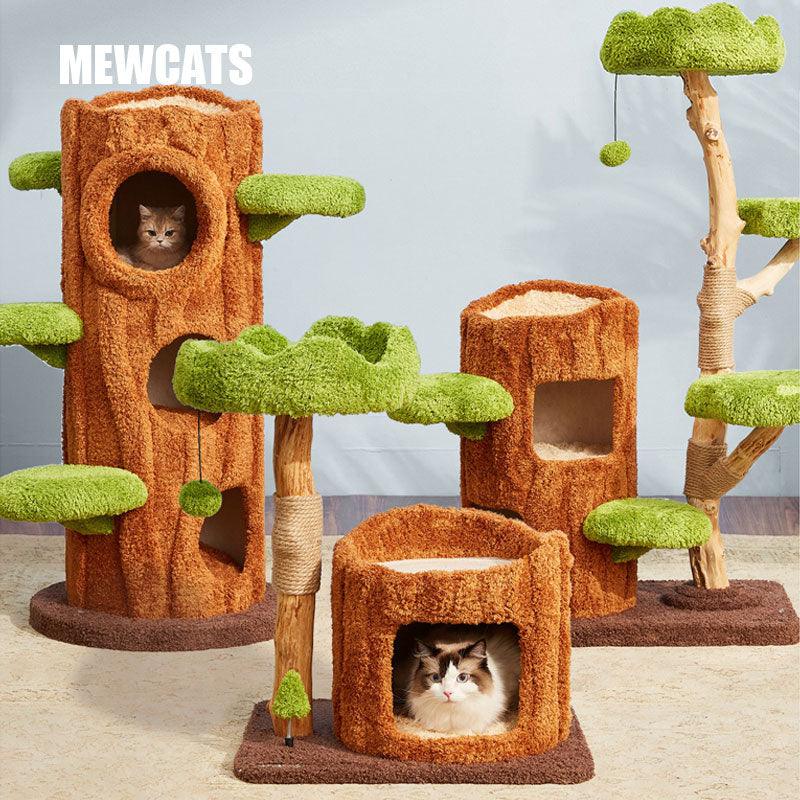
For those who prefer a quick and convenient solution, purchasing a standalone cat tree is an excellent option. Cat trees come in various sizes, styles, and designs to fit your cat’s needs and your home’s aesthetics. Look for cat trees that offer a combination of scratching posts, platforms, hiding spots, and perches.
When selecting a cat tree, consider your cat’s size and activity level. If you have multiple cats, choose a cat tree with enough space for all of them to comfortably climb and lounge. Remember to ensure that the cat tree is stable and sturdy to prevent accidents.
Using Woven Rope Installations
Woven rope installations, such as cat hammocks or wall-mounted climbing structures, provide a unique and stylish alternative to traditional cat trees. These installations use tension, hooks, and secure fastenings to create vertical spaces for your cat to climb and relax.
Woven rope installations offer a natural texture for scratching and climbing, and they add a decorative element to your home. Whether you install a cat hammock under a shelf or create a network of climbing ropes on a wall, you can provide your cat with an engaging and visually appealing vertical space.
Customizing Vertical Space with Cat Walkways
For the ultimate feline playground, consider installing cat walkways throughout your home. Cat walkways are elevated pathways that allow your cat to traverse the walls or ceilings, granting them access to various rooms or areas of your home. They provide a unique and engaging experience for your cat, allowing them to explore their environment from a different perspective.
Cat walkways can be customized to fit your home’s layout and can utilize materials like wood, shelves, and bridges. By creating a network of cat walkways, you can maximize your cat’s vertical space while adding an interesting architectural feature to your home.
Importance of Providing Scratching Surfaces
Cats have a natural instinct to scratch, and providing them with appropriate scratching surfaces is essential for their well-being. Scratching not only helps cats shed the outer layers of their claws but also allows them to stretch their muscles and mark their territory. Here are some different types of scratching surfaces to consider for your cat.
Scratching Posts and Boards
Scratching posts and boards are classic options for providing cats with an appropriate place to scratch. These surfaces are usually covered with sisal rope or fabric, which mimics the texture of tree bark. Scratching posts and boards come in various sizes and shapes, allowing you to find one that suits your cat’s preferences.
Place scratching posts or boards in areas where your cat spends a lot of time, such as near their bed or in a commonly used room. Encourage your cat to use these surfaces by gently guiding their paws and providing positive reinforcement when they scratch the appropriate area.
Cardboard Scratchers
Cardboard scratchers are another popular choice among cat owners. These scratchers are made from corrugated cardboard, which cats find irresistible. Cardboard scratchers come in various sizes and shapes, including flat pads, ramps, and even interactive designs.
Place cardboard scratchers throughout your home to provide multiple scratching options for your cat. Many cats enjoy stretching and scratching when they wake up from a nap, so consider placing a cardboard scratcher near their favorite resting spots.
Carpeted Areas
If your cat shows a preference for scratching on carpeted surfaces, consider providing designated carpeted areas for them to scratch. This can be as simple as using a small section of leftover carpeting or purchasing a carpeted scratching post or mat. The texture of the carpet will appeal to your cat’s natural instincts, and by providing an appropriate scratching surface, you can protect your carpets and furniture.
Sisal Rope or Fabric Surfaces
Sisal rope or fabric surfaces are commonly found on scratching posts and boards, but you can also incorporate them into custom-built cat climbing structures or wall-mounted scratching surfaces. The rough texture of sisal appeals to cats and provides an ideal surface for them to stretch and scratch.
When choosing a scratching surface, consider your cat’s preference for horizontal or vertical scratching. Some cats prefer to scratch while standing up, while others prefer scratching while lying down. Providing a variety of scratching surfaces will cater to your cat’s individual preferences and reduce the likelihood of destructive scratching behavior.
Enrichment Activities for Cats Without a Cat Tree
While a cat tree offers a multitude of benefits, it is not the only option for providing enrichment for your cat. If you are unable to have a cat tree or need additional activities to keep your cat engaged, there are various enrichment options available. Let’s explore some enrichment activities that don’t require a cat tree.
Interactive Toys
Interactive toys are a fantastic way to engage your cat’s natural hunting instincts and provide mental stimulation. Toys such as puzzle feeders, treat dispensers, and interactive balls or mice can keep your cat entertained for hours. These toys require your cat to use their problem-solving skills and physical agility to access treats or engage with the toy.
Rotate different interactive toys regularly to keep your cat’s interest and prevent boredom. Engaging your cat in playtime with interactive toys not only provides physical exercise but also helps in building a bond between you and your furry friend.
Puzzle Feeders
Puzzle feeders are not only great for providing enrichment but can also help slow down a cat’s eating pace. These feeders require your cat to mentally and physically work for their food. By hiding small portions of kibble or treats in different compartments or puzzles, you can turn mealtime into a stimulating and rewarding activity for your cat.
Puzzle feeders come in various shapes and designs, from simple treat balls to complex maze-like structures. Start with easy puzzles and gradually increase the difficulty level as your cat becomes more adept at solving them. Puzzle feeders are excellent tools for keeping indoor cats mentally stimulated and preventing overeating.
Hiding Spots and Boxes
Cats are notorious for their love of hiding in confined spaces. To provide mental stimulation and a sense of security, leave various hiding spots or boxes throughout your home. Cardboard boxes, cat tunnels, or fabric tents can all serve as cozy retreats for your cat.
Cats enjoy exploring and investigating new hiding spots, so consider rotating the locations of these spaces to keep things interesting. Ensure that the hiding spots are safe and easily accessible for your cat to avoid any accidents or entrapment.
Positive Reinforcement Training
Positive reinforcement training is not just for dogs; cats can also benefit from this type of training. Using treats, praise, and rewards, you can train your cat to perform various tricks and behaviors. This type of training stimulates your cat’s brain and strengthens the bond between you and your furry friend.
Start with simple commands, such as sit or high-five, and gradually progress to more complex tricks. Always use rewards or treats that your cat finds particularly enticing to ensure their motivation. Positive reinforcement training is a fun and engaging way to provide mental stimulation for your cat and reinforce desirable behaviors.
Playtime with Owners
One of the most crucial enrichment activities for cats is regular playtime with their owners. Engaging in interactive play sessions not only provides physical exercise but also strengthens the bond between you and your cat. Use toys such as wand teasers, feathers, or laser pointers to mimic prey-like movements and entice your cat to chase and pounce.
Play sessions should be short and frequent, as cats have short attention spans. Keep the play sessions positive and end on a high note with a reward or treat. Playtime with owners is an opportunity for you to bond with your cat and provide much-needed mental and physical stimulation.
Addressing Behavioral Issues
Cat trees and enrichment activities can play a significant role in addressing certain behavioral issues in cats. By providing appropriate outlets for exercise, mental stimulation, and scratching, you can prevent or redirect destructive behaviors. Let’s explore how cat trees and enrichment activities can address behavioral issues.
Redirecting Destructive Scratching Behavior
One of the most common behavioral issues in cats is destructive scratching. Cats naturally scratch to shed the outer layers of their claws and mark their territory. However, when they choose inappropriate surfaces, such as furniture or carpets, it can be frustrating for cat owners.
Cat trees and designated scratching surfaces, such as scratching posts or boards, provide an alternative outlet for your cat’s scratching behavior. Encourage your cat to use these surfaces by placing them near areas where they typically scratch. Redirect their attention to the appropriate surfaces and reward them when they use them instead of your furniture.
Preventing Boredom and Pent-up Energy
Cats are curious creatures that require mental and physical stimulation to prevent boredom and pent-up energy. Without appropriate outlets, cats may exhibit behaviors such as excessive meowing, destructive chewing, or even aggression. These behaviors are often signs that your cat needs more enrichment and interactive playtime.
Engaging your cat with a variety of enrichment activities, including cat trees, interactive toys, and puzzle feeders, can help prevent boredom and alleviate pent-up energy. Ensuring that your cat has ample opportunities to exercise, play, and explore will keep them mentally stimulated and reduce the likelihood of behavioral issues.
Providing Mental Stimulation
Cats are intelligent animals that thrive on mental stimulation. Without proper outlets for mental engagement, cats may become bored and may resort to unwanted behaviors. Providing cat trees, interactive toys, and puzzle feeders can offer the mental challenges and stimulation that your cat needs.
Rotate and introduce new toys and enrichment activities regularly to keep your cat’s mind active. Engage in playtime sessions where your cat has to use problem-solving skills, such as hunting and capturing toys or solving puzzles. By providing mental stimulation, you can keep your cat’s mind sharp and minimize behavioral issues.
Considerations for Multiple Cats
If you are a multi-cat household, it’s essential to consider the specific needs and dynamics of each cat. Providing enough vertical space, scratching options, and personal space for each cat can help prevent territorial disputes and promote a harmonious environment. Let’s explore some considerations for multiple cats.
Multi-Level Cat Trees
To accommodate multiple cats, consider investing in a multi-level cat tree. Multi-level cat trees offer enough space for each cat to have their own perch or resting spot. Cats can choose to be close to each other or retreat to different levels when they need personal space.
Ensure that the cat tree is sturdy and stable to support the weight of multiple cats simultaneously. Having a multi-level cat tree allows each cat to establish their own territory and reduces the likelihood of conflict over limited vertical space.
Separate Vertical Spaces
Another consideration for multiple cats is providing separate vertical spaces. Cats may have different preferences when it comes to climbing heights, perching spots, or scratching surfaces. By providing separate vertical spaces in different areas of your home, you can cater to each cat’s individual needs.
Consider having multiple cat trees, wall-mounted shelves, or perches strategically placed throughout your home. This way, each cat can find their own preferred spots without intruding on each other’s territory. Having separate vertical spaces promotes a sense of security and personal space for each cat.
Individual Scratching Options
Cats have personal preferences when it comes to scratching surfaces. Providing individual scratching options can help prevent competition or territorial disputes over a single scratching surface. Multiple scratching posts or boards placed in different areas of your home allow each cat to exercise their scratching behavior without encroaching on each other’s space.
Monitor your cats to understand their scratching habits and preferences. Some cats may prefer vertical scratching surfaces, while others may prefer horizontal ones. By providing a variety of scratching options, you can cater to each cat’s individual preferences and reduce the likelihood of conflicts.
Providing Personal Space
Even in a multi-cat household, it’s essential to provide personal space for each cat. Cats, like humans, need a place where they can retreat and relax without feeling threatened or overwhelmed. Ensure that each cat has access to their own bed, hiding spot, or elevated perch where they can escape to when they need some alone time.
Creating personal spaces for each cat can help prevent stress and aggression in multi-cat households. It allows each cat to establish their own territory and reduces the likelihood of territorial disputes or dominance issues.
Observing Your Cat’s Preferences
To ensure that you are meeting your cat’s needs adequately, it’s important to observe their preferences and behavior. Cats may have individual preferences when it comes to claw maintenance, climbing areas, and enrichment activities. By understanding your cat’s preferences, you can provide the appropriate options and tailor their environment to their liking.
Monitoring Claw Maintenance
Cats have different scratching preferences that can vary from individual to individual. Some cats may prefer to scratch vertically, while others may prefer horizontal surfaces. Observe your cat’s claw maintenance routine and note their preferred surfaces and angles.
By providing the appropriate scratching surfaces, whether it’s a scratching post, board, or a woven rope installation, you can cater to your cat’s individual preferences. This will also encourage your cat to use the appropriate surfaces and reduce the likelihood of destructive scratching behavior.
Noting Preferred Climbing Areas
Cats have different preferences when it comes to climbing and perching. Some cats may prefer to be up high, while others may be more grounded. Observe your cat’s climbing habits and note their preferred areas or surfaces.
By providing the appropriate options, such as cat trees, wall-mounted shelves, or window perches, you can cater to your cat’s climbing preferences. This ensures that your cat has a safe and comfortable space to enjoy their favorite activities and observe their surroundings.
Evaluating Response to Enrichment Activities
Another crucial aspect of observing your cat’s preferences is evaluating their response to enrichment activities. Cats may have differing interests and preferences when it comes to interactive toys, puzzle feeders, and playtime.
Rotate and introduce different enrichment activities regularly and note how your cat responds to each activity. Some cats may be more engaged with puzzle feeders, while others may prefer interactive toys or playtime with their owners. By evaluating your cat’s response, you can tailor their enrichment activities to their liking and keep them mentally stimulated.
Consulting with a Veterinarian
While this article provides a comprehensive guide on the importance of cat trees and enrichment activities, it’s important to consult with a veterinarian for professional advice. Your veterinarian can evaluate your cat’s specific needs and provide recommendations regarding enrichment, vertical space, and scratching options.
Professional Advice for Cat Enrichment
Veterinarians are well-versed in feline behavior and can provide valuable insights and guidance on cat enrichment. They can suggest specific enrichment activities, cat tree options, or other solutions based on your cat’s age, breed, and individual requirements.
Consulting with a veterinarian ensures that you are providing the best possible environment for your cat’s overall well-being. They can tailor recommendations to your cat’s specific needs and address any concerns or questions you may have.
Understanding Individual Cat Needs
Each cat is unique and has individual needs and preferences. A veterinarian can help you understand your cat’s specific requirements and provide guidance on how to meet them. Whether it’s determining the ideal scratching surface, identifying preferred climbing areas, or suggesting appropriate toys, a veterinarian can provide personalized recommendations.
A veterinarian can also evaluate your cat’s overall health and well-being, identifying any specific concerns or considerations that may impact their enrichment. By understanding your cat’s individual needs, you can ensure their environment is optimized for their happiness and health.
Addressing Unique Situations
If you have a cat with special needs or are facing unique situations, consulting with a veterinarian is essential. Cats with mobility issues, physical limitations, or medical conditions may require customized solutions when it comes to vertical space, scratching options, or enrichment activities.
A veterinarian can assess your cat’s unique situation and provide recommendations tailored to their specific needs. They can suggest modifications to existing structures, prescribe alternative activities, or provide referrals to specialists who can offer further assistance.
In conclusion, a cat tree is an invaluable addition to your cat’s environment. It provides exercise, stimulation, and a cozy space for relaxation. However, if a cat tree is not feasible, there are alternative options available, such as wall-mounted shelves, cat perches, window hammocks, and climbing trees. Whether you have an indoor or outdoor cat, providing vertical territory and enrichment activities is crucial for their well-being. Observe your cat’s preferences, consult with a veterinarian, and address any behavioral issues promptly. By understanding and meeting your cat’s needs, you can create a fulfilling and enriching environment that supports their physical and mental health.