Have you ever wondered how often you should replace a cat tree? As a cat owner, it’s important to provide your furry friend with a safe and comfortable environment. Cat trees offer a fantastic way for cats to exercise, play, and relax. However, just like any other piece of furniture, cat trees can wear down over time. In this article, we will explore the factors to consider when determining the lifespan of a cat tree and provide you with some helpful tips on when it might be time to replace it.
Factors to Consider
When it comes to determining when to replace your cat tree, there are several important factors to consider. These factors will help you assess the overall condition of your cat tree and make an informed decision about whether it’s time for a replacement.
Quality of the Cat Tree
The quality of the cat tree is an essential factor to consider when determining its lifespan. A well-built, sturdy cat tree is likely to last longer than one made from cheap materials or with poor construction. Look for a cat tree that is made from high-quality materials, such as solid wood and durable sisal rope.
Usage Frequency
The frequency at which your cat uses the tree will also impact its lifespan. If you have a highly active and playful cat that spends a lot of time climbing, scratching, and lounging on the tree, it may wear out more quickly than if you have a more low-key and less active cat. Consider the amount of time your cat spends on the tree and evaluate its current condition accordingly.
Number of Cats
If you have multiple cats, it’s important to factor in their collective usage of the cat tree. Sharing the tree among several cats can lead to more wear and tear, as well as increased strain on the structure. Take into account how many cats you have and how often they use the tree to determine if it’s time for a replacement.
Cat’s Behavior
The behavior of your cat can also impact the lifespan of the cat tree. If your cat tends to scratch excessively or engages in rough play, it may result in quicker wear and tear on the tree. Additionally, if your cat has a tendency to climb to high perches or jump onto platforms, it can put additional stress on the structure. Assess your cat’s behavior and evaluate if it’s contributing to the deterioration of the tree.
Environmental Factors
Environmental factors such as humidity, temperature, and sunlight exposure can affect the longevity of a cat tree. If the tree is placed in an area with high humidity or direct sunlight, it may cause the materials to degrade more quickly. Similarly, extreme temperatures can have a negative impact on the stability and durability of the tree. Consider the environment in which your cat tree is placed and how it may impact its lifespan.
Signs It’s Time to Replace
Now that you’ve considered the factors that can impact the lifespan of a cat tree, it’s important to recognize the signs that indicate it’s time for a replacement. By being able to identify these signs, you can ensure the safety and well-being of your cat.
Visible Wear and Tear
One of the most obvious signs that it’s time to replace your cat tree is visible wear and tear. This can include frayed or unraveling sisal rope, torn fabric or upholstery, and scratches or dents on the wood or other structural components. If the overall appearance of the cat tree is significantly deteriorated, it may be time to consider getting a new one.
Unstable Structure
A cat tree should provide stability and support for your cat. If you notice that the structure of the tree has become wobbly or unstable, it can pose a safety hazard for your cat. A weak or shaky cat tree may not be able to support the weight of your cat during climbing or jumping, increasing the risk of accidents or injuries. If your cat tree is no longer stable, it’s a clear indication that it needs to be replaced.
Damaged or Worn Out Platforms
Platforms are an essential part of a cat tree, providing a comfortable and secure space for your cat to rest and observe its surroundings. Over time, these platforms can become damaged or worn out from frequent use. If you notice any cracks, breaks, or sagging in the platforms of your cat tree, it’s a sign that they are no longer safe or comfortable for your cat. Replace the tree to ensure your cat has stable and secure resting areas.
Loose or Broken Scratching Posts
Scratching posts are an important feature of a cat tree as they allow your cat to fulfill its natural instinct to scratch and stretch. However, over time, these posts can become loose or break, making them ineffective for your cat’s scratching needs. If your cat tree has loose or broken scratching posts, it’s time to invest in a new tree to ensure your cat continues to have a designated area for scratching.
Frayed or Torn Sisal Rope
Sisal rope is commonly used on cat trees to provide a durable and textured surface for scratching. However, frequent use can cause the sisal rope to fray or tear, making it less effective for your cat’s scratching needs. If the sisal rope on your cat tree is significantly damaged, it’s a clear sign that your cat tree is in need of replacement.
Sagging Hammocks or Perches
Hammocks and perches are popular resting spots for cats on a cat tree. However, if you notice that these areas are sagging excessively or no longer provide proper support, it’s a warning sign that the tree is no longer safe or comfortable for your cat. Replace the tree to ensure your cat has stable and secure resting spots.
Stains or Odors
Stains or odors can be an indication of damage or deterioration of the cat tree. If you notice any unpleasant smells or noticeable stains on the tree, it may be a sign of mold, mildew, or other types of damage. A cat tree that has stains or odors should be replaced to maintain the cleanliness and hygiene of your home.
Health and Safety Considerations
A cat tree plays a crucial role in your cat’s overall health and safety. By providing a suitable environment for exercise, stimulation, and relaxation, a cat tree contributes to your cat’s physical and mental well-being. Consider these health and safety considerations when evaluating the condition of your cat tree.
Risk of Injury
An old or damaged cat tree can pose a risk of injury to your cat. Wobbly platforms, loose or broken components, and unstable structures can all lead to accidents and falls. It’s important to replace a cat tree that is no longer safe to use to prevent any potential injuries to your furry friend.
Hygiene and Cleanliness
A cat tree that is in disrepair may also be difficult to clean properly. Damaged surfaces and frayed materials can harbor dirt, dust, and bacteria, making it challenging to maintain proper hygiene. Regular cleaning and sanitization are essential for your cat’s health, so if your cat tree is difficult to clean due to damage, it’s time to consider replacing it.
Preventing Boredom and Stress
Cat trees provide much-needed mental stimulation for your feline companion. Cats need an environment that allows them to engage in natural behaviors, such as climbing, scratching, and perching. Old or worn-out cat trees may no longer provide these opportunities, leading to boredom and stress in your cat. By replacing the tree, you can ensure that your cat has a stimulating and enriching environment.
Tips to Extend the Cat Tree’s Lifespan
While cat trees do have a finite lifespan, there are several steps you can take to extend their longevity. By following these tips, you can keep your cat tree in good condition for as long as possible.
Regular Inspection and Maintenance
Make it a habit to regularly inspect your cat tree for any signs of wear and tear. By catching any issues early on, you can address them before they worsen. This includes checking for loose screws or connectors, tightening any wobbly components, and repairing or replacing any damaged parts. Additionally, giving your cat tree a routine cleaning can help prevent the build-up of dirt and bacteria, improving its overall lifespan.
Replacing Individual Components
Instead of replacing the entire cat tree, you can try replacing individual components that show significant wear and tear. This can include scratching posts, platforms, or even sisal rope. By replacing these parts, you can extend the lifespan of your cat tree without having to invest in a brand new one. Be sure to find components that are compatible with your existing cat tree to ensure proper fit and stability.
Providing Alternative Scratching Surfaces
In addition to your cat tree, consider providing alternative scratching surfaces for your cat. This can include scratching posts, scratching pads, or even cardboard boxes. By offering different options, you can distribute the scratching activity and reduce the wear and tear on the cat tree. This can help prolong its lifespan and keep your cat satisfied.
Proper Cleaning and Sanitization
Regular cleaning and sanitization are critical for maintaining the lifespan of your cat tree. Use a pet-safe cleaner to wipe down the surfaces and remove any dirt or bacteria. Clean the sisal rope with a soft brush to remove any hair or debris. By keeping your cat tree clean, you can prevent the build-up of odors, stains, and bacteria, ensuring that it remains safe and hygienic for your cat.
Average Lifespan of a Cat Tree
The average lifespan of a cat tree can vary depending on several factors. By understanding these factors, you can estimate how long your cat tree is likely to last and plan accordingly.
Depends on the Quality
The quality of the cat tree is perhaps the most significant factor in determining its lifespan. A high-quality cat tree made from durable materials is likely to last longer than a lower-quality tree. Look for sturdy construction, solid wood, and high-quality sisal rope when choosing a cat tree to ensure its longevity.
Varies Based on Usage
The frequency and intensity of use can impact how long a cat tree will last. If your cat(s) spend a lot of time on the tree, climbing, scratching, and playing, it may wear out more quickly. On the other hand, if your cat is more low-key and only occasionally uses the tree, it may last longer. Consider your cat(s) and their usage habits when estimating the lifespan of your cat tree.
Replacement Frequency Guidelines
As a general guideline, it is recommended to replace a cat tree every 2-5 years. However, this can vary depending on the factors mentioned above. If you notice significant wear and tear, instability, or other signs of deterioration, it’s best to err on the side of caution and replace the tree sooner rather than later. Regularly inspecting and evaluating the condition of your cat tree will help you determine when it’s time for a replacement.
Budget Considerations
When choosing a cat tree, it’s important to consider the budget implications. While investing in a high-quality, durable cat tree may seem like a significant expense upfront, it can actually be more cost-effective in the long run. Here’s why:
Investment in a Durable Cat Tree
By investing in a durable cat tree from the beginning, you can potentially save money in the long term. A well-built cat tree is likely to last longer and withstand the wear and tear of everyday use. While it may have a higher upfront cost, it can ultimately save you money by reducing the need for frequent replacements.
Benefits of Regular Replacement
Regularly replacing your cat tree when it shows signs of wear and tear can have several benefits. It ensures the safety and well-being of your cat by providing a stable and secure environment. Additionally, a new cat tree can offer fresh opportunities for play and exploration, preventing boredom and stimulating your cat’s mind. By prioritizing regular replacements, you are investing in your cat’s happiness and overall health.
Cost-Effective Maintenance
Proper maintenance can also help extend the lifespan of your cat tree and reduce the need for frequent replacements. By regularly inspecting and maintaining your cat tree, you can catch any issues early on and address them before they worsen. This can ultimately save you money by avoiding more significant repairs or replacements down the line.
Alternative Cat Enrichment Options
If you’re considering replacing your cat tree or want to provide additional enrichment for your feline friend, there are several alternative options to consider. These options can complement or serve as substitutes for a cat tree, depending on your cat’s preferences and needs.
Cat Condos and Towers
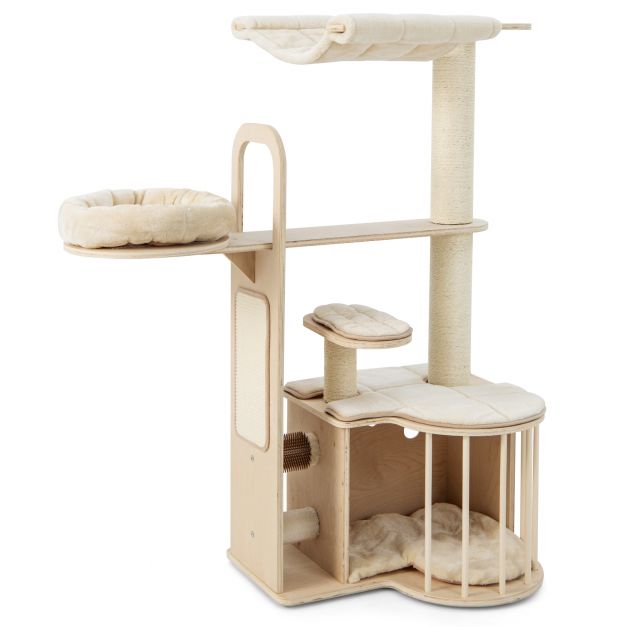
Cat condos and towers are similar to cat trees but often offer additional features such as enclosed hiding spots, multiple levels or platforms, and built-in scratching posts. These alternatives provide your cat with ample opportunities for play, exercise, and relaxation.
Scratching Posts and Pads
If your cat primarily uses the cat tree for scratching, consider investing in standalone scratching posts or scratching pads. These options can be placed throughout your home, giving your cat multiple designated areas for scratching. Choose sturdy posts or pads made from high-quality materials to ensure they withstand your cat’s scratching habits.
Interactive Toys and Puzzle Feeders
Interactive toys and puzzle feeders can help provide mental stimulation and keep your cat entertained. These toys engage your cat’s natural hunting instincts and encourage problem-solving. By offering a variety of interactive toys and puzzle feeders, you can keep your cat mentally engaged and prevent boredom.
Choosing the Right Cat Tree
When selecting a cat tree, it’s important to consider several factors to ensure it meets your cat’s needs and preferences. Here are some key considerations to keep in mind:
Considering Cat’s Needs and Preferences
Observe your cat’s behavior and preferences to understand what they enjoy in a cat tree. Some cats prefer high perches, while others may enjoy enclosed hiding spots. Consider your cat’s personality, activity level, and preferences to choose a cat tree that will cater to their specific needs.
Sizing and Stability
Ensure that the cat tree is suitable for your cat’s size and weight. It should be sturdy and stable enough to support your cat’s movements without wobbling or tipping over. Check the weight capacity of the tree and choose one that can comfortably accommodate your cat.
Material and Construction
Look for a cat tree made from high-quality materials such as solid wood, durable sisal rope, and sturdy platforms. Avoid cat trees with cheap, flimsy materials that may not withstand your cat’s activities. A well-constructed cat tree will not only last longer but also provide a safe and comfortable environment for your cat.
Multi-Level Design
Cats naturally love to climb and explore their surroundings from different heights. Choose a cat tree that offers multiple levels or platforms for your cat to jump, perch, and observe. A multi-level design provides ample opportunities for exercise and stimulation.
Additional Features
Consider any additional features that may enhance your cat’s experience on the tree. This could include hammocks, hiding spots, hanging toys, or even built-in scratching posts. By choosing a cat tree with these added features, you can provide a more enriching environment for your cat.
Importance of Environmental Enrichment
Environmental enrichment plays a vital role in promoting your cat’s physical and mental well-being. A cat tree is just one component of a cat’s enriched environment. By providing a stimulating and engaging environment, you can contribute to your cat’s overall happiness and health.
Promotes Physical and Mental Well-being
A cat tree offers opportunities for exercise, climbing, and scratching, which are all important for your cat’s physical and mental well-being. It helps them fulfill their natural instincts, engage in play, and burn off excess energy. By incorporating a cat tree into their environment, you provide them with a designated area for these activities.
Prevents Destructive Behavior
Cats have a natural urge to scratch and climb. Without appropriate outlets for these behaviors, they may resort to destructive behavior such as scratching furniture or scaling curtains. A cat tree provides a dedicated space for scratching, climbing, and perching, redirecting their instinctual behaviors away from your furniture and belongings.
Improves Overall Cat Happiness and Health
A well-enriched environment contributes to a cat’s overall happiness and well-being. By offering a cat tree and other enriching elements, you provide your cat with mental stimulation, exercise opportunities, and a sense of security. This can reduce stress, prevent behavior problems, and promote a healthier and happier cat.
Conclusion and Final Thoughts
Knowing when to replace a cat tree is crucial for maintaining the safety and well-being of your cat. By considering factors such as quality, usage frequency, number of cats, cat’s behavior, and environmental factors, you can assess the condition of your cat tree and determine if it’s time for a replacement.
Signs that it’s time to replace a cat tree include visible wear and tear, an unstable structure, damaged or worn out platforms, loose or broken scratching posts, frayed or torn sisal rope, sagging hammocks or perches, and the presence of stains or odors. These signs indicate that the cat tree is no longer safe or comfortable for your cat.
Health and safety considerations should guide your decision to replace a cat tree. An old or damaged cat tree can pose a risk of injury to your cat, may be difficult to clean properly, and can contribute to boredom and stress. Ensuring a safe and stimulating environment for your cat is essential for their overall happiness and health.
You can extend the lifespan of a cat tree by regularly inspecting and maintaining it, replacing individual components, providing alternative scratching surfaces, and practicing proper cleaning and sanitization. These tips can help prolong the life of your cat tree and reduce the need for frequent replacements.
The average lifespan of a cat tree can vary based on factors such as quality, usage, and replacement frequency guidelines. Investing in a durable cat tree, prioritizing regular replacements, and practicing cost-effective maintenance can all contribute to the longevity of the tree and be budget-conscious decisions.
If you decide to replace a cat tree or provide alternative enrichment options, consider cat condos and towers, scratching posts and pads, as well as interactive toys and puzzle feeders. These alternatives can provide your cat with engaging and stimulating options to meet their needs.
When choosing a cat tree, ensure it caters to your cat’s needs and preferences, is appropriately sized and stable, made from quality materials, features a multi-level design, and offers additional features that enhance their experience.
Finally, remember that environmental enrichment is crucial for your cat’s overall happiness and health. By providing a well-enriched environment, including a cat tree, you can promote physical and mental well-being, prevent destructive behavior, and improve your cat’s overall quality of life.