You’re a cat lover who’s wondering whether it’s acceptable to not have a cat tree for your feline friend. Well, great news! In this article, we’ll explore the question of whether a cat tree is essential for your cat’s well-being. From the pros and cons of having a cat tree to alternative options, we’ll help you navigate this seemingly important decision and ultimately determine what’s best for you and your beloved feline companion. So, fret not, we’ll guide you through the fascinating world of cat trees and give you a fresh perspective on what truly matters when it comes to your furry friend’s happiness.
Benefits of Cat Trees
Provides exercise opportunities
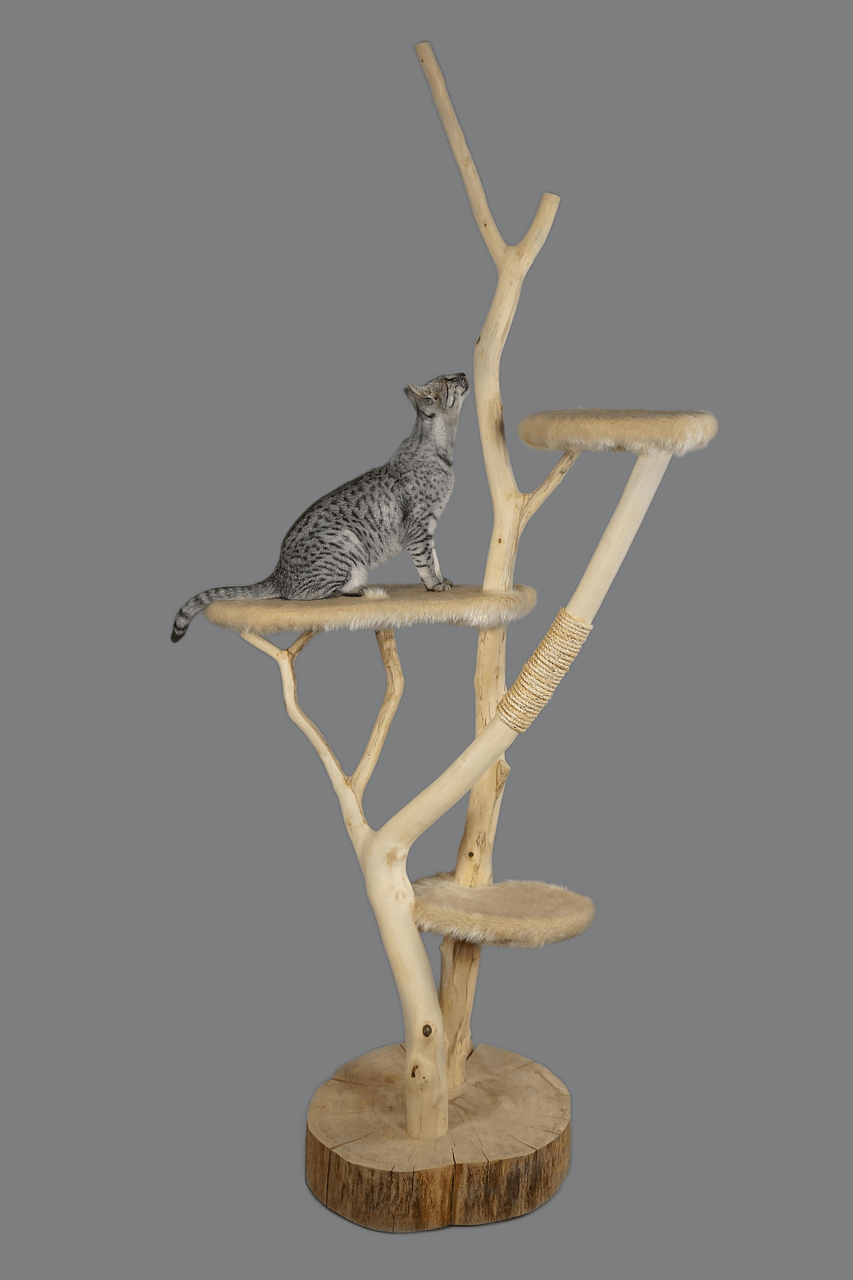
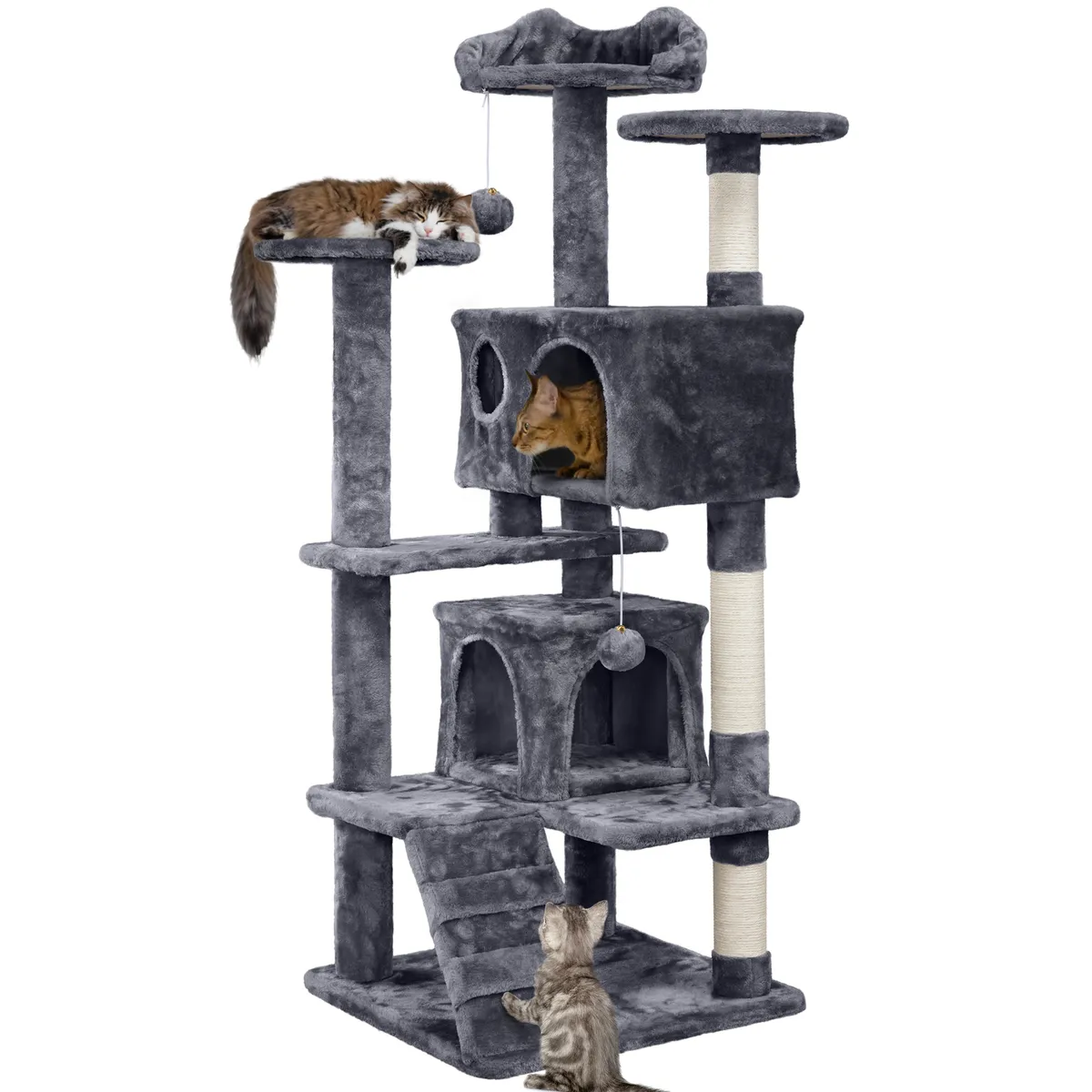
One of the primary benefits of having a cat tree is that it provides ample opportunities for exercise for your feline friend. Cats are natural climbers and love to explore their surroundings. With a cat tree, they can satisfy their innate instincts by climbing up and down various levels, jumping from platform to platform, and even using the built-in ramps and ladders. This physical activity helps keep their muscles toned, improves their agility, and aids in weight management. By providing an elevated space for your cat to play and exercise, a cat tree can contribute to their overall health and well-being.
Offers mental stimulation
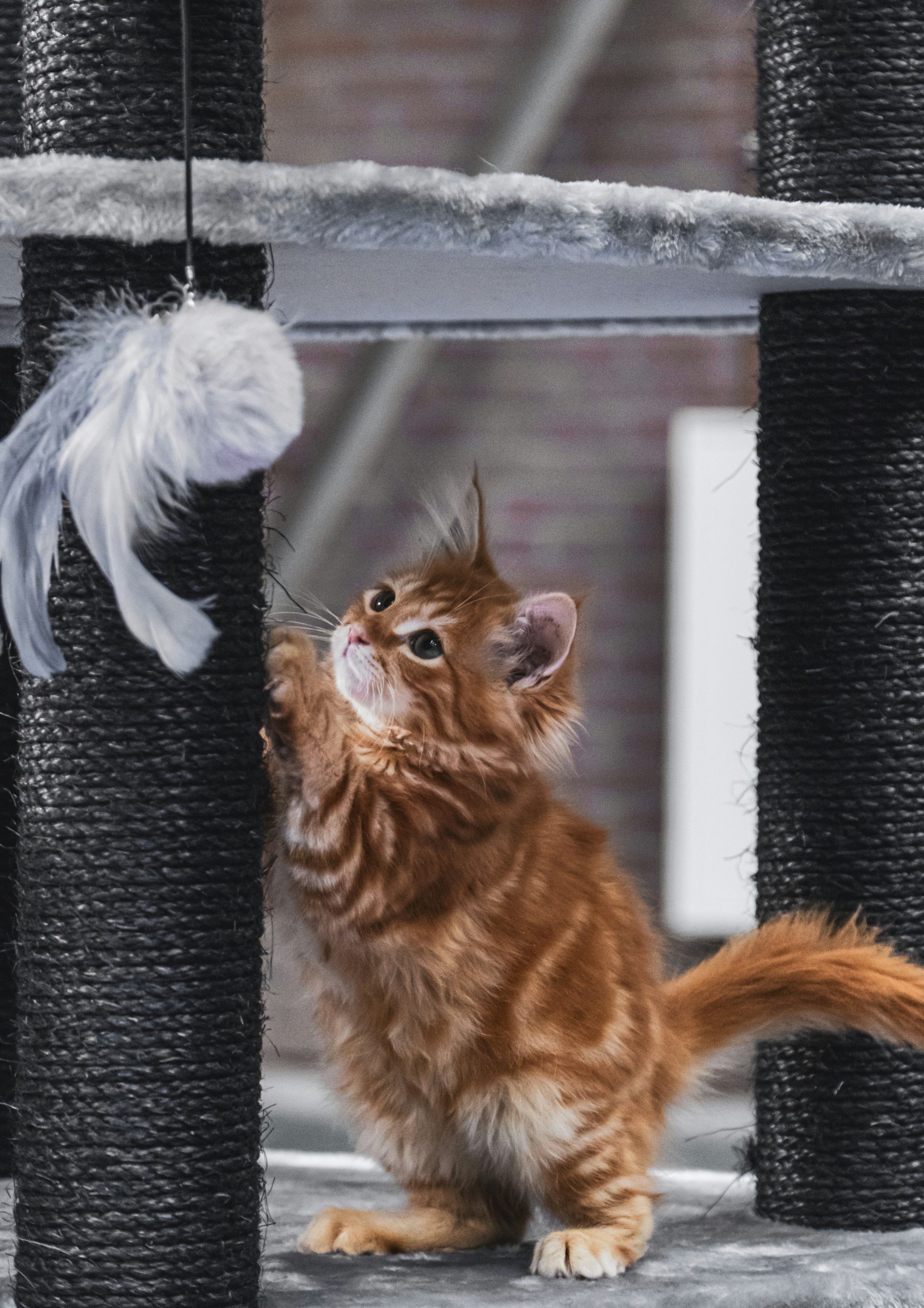
Cats are curious creatures that thrive on mental stimulation. There is nothing more boring for a cat than being confined to a small, monotonous space devoid of any form of entertainment. A cat tree can help alleviate boredom and provide much-needed mental stimulation for your furry friend. With multiple levels, scratching posts, and dangling toys, a cat tree offers endless opportunities for playtime and exploration. Your cat will be able to engage in activities that challenge their mind, such as climbing and balancing, which can help prevent behavioral issues that may arise out of boredom or frustration.
Promotes healthy scratching behavior
Cats have a natural instinct to scratch. It helps them stretch their muscles, maintain their claws, and mark their territory. While scratching is an inherent behavior, it can become problematic if it is directed towards your furniture or other household items. This is where a cat tree becomes invaluable. Cat trees often come equipped with scratching posts made of durable materials like sisal rope, which can withstand your cat’s scratching tendencies. By providing an alternative scratching surface, a cat tree can help divert your cat’s attention away from your prized possessions, saving both your furniture and your sanity.
Alternatives to Cat Trees
Scratching posts
One popular alternative to a cat tree is a standalone scratching post. These posts are designed specifically for cats to scratch and stretch. They come in various sizes and materials, such as sisal or carpet. Scratching posts are a great option for cat owners with limited space or those who prefer a more minimalistic aesthetic. While they may not offer the same level of vertical space and play opportunities as a cat tree, scratching posts can still fulfill your cat’s natural scratching instincts and provide a designated area for them to sharpen their claws.
Cat shelves
If you’re looking for a space-saving option that doubles as a stylish addition to your home decor, cat shelves may be the perfect alternative to a cat tree. Cat shelves are wall-mounted platforms that provide cats with elevated perches and climbing spaces. These shelves can be arranged in various configurations, allowing your cat to traverse throughout the room, observe their surroundings from a higher vantage point, and claim vertical territory. Cat shelves are a practical solution for cat owners who are short on floor space or prefer a more modern and sleek look.
Cat condos
For cat owners who want to provide their feline companions with a multi-functional play and rest area, cat condos are an excellent alternative to cat trees. Cat condos are large structures that typically consist of multiple levels, enclosed hideaways, scratching posts, and interactive toys. They offer a compact yet comprehensive space for your cat to climb, play, nap, and scratch to their heart’s content. Cat condos are designed to mimic the natural environment that cats crave, providing them with opportunities for exercise, mental stimulation, and relaxation, all in one convenient package.
Considerations for Not Having a Cat Tree
Limited space
While the benefits of cat trees are undeniable, it’s important to recognize that not every cat owner has the luxury of ample space in their home. If you find yourself in a small apartment or a house with limited floor space, it may not be feasible to accommodate a large cat tree. However, this does not mean that you cannot provide your cat with suitable alternatives discussed earlier, such as scratching posts, cat shelves, or cat condos. These options are designed to cater to the needs of cats in smaller living spaces, allowing them to engage in essential activities and enjoy their surroundings even in a limited area.
Financial constraints
Another consideration for not having a cat tree may be financial constraints. Cat trees come in various sizes and designs, with some being more elaborate and expensive than others. However, it’s important to remember that there are alternatives available at different price points. Scratching posts, for example, can be more affordable, while cat shelves or condos may require a higher initial investment but can be seen as a long-term investment in your cat’s well-being. Evaluate your budget and explore the different options to find the best fit for you and your furry companion.
Allergies or sensitivities to materials
Lastly, some individuals may have allergies or sensitivities to certain materials commonly used in cat trees, such as carpet or upholstery fabrics. While many cat trees now come with hypoallergenic or easily washable materials, it’s essential to consider your own health and well-being when choosing a cat tree or its alternatives. Explore options made from different materials, such as sisal rope or solid wood, which may be more suitable for those with allergies. Alternatively, opt for scratching posts or cat shelves that utilize materials that do not trigger your sensitivities.
In conclusion, while cat trees offer numerous benefits for your feline friend, there are alternative options available to cater to various circumstances and preferences. Whether it’s due to limited space, financial constraints, or allergies, being unable to have a cat tree doesn’t mean your cat’s needs and desires cannot be met. Explore the alternatives discussed, and choose the option that best suits your living situation and your cat’s unique personality. With the right choice, you can provide your beloved pet with the exercise, mental stimulation, and healthy scratching opportunities they need to lead a fulfilled and happy life.