If you’re a proud cat owner who wants to provide the ultimate playground for your furry friend, then you’re probably considering getting a cat tree. But before you go ahead and start assembling it, it’s important to think about where you’re going to place it. In this article, we’ll explore the potential hazards and obstacles you need to keep in mind to ensure a safe and enjoyable experience for both you and your feline companion. Whether it’s avoiding toppling mishaps or choosing the right location, we’ve got you covered. So let’s dive in and make sure your cat’s new tree is a purr-fect addition to your home!
Choosing a Safe Location
When choosing a location for your cat tree, there are a few factors to consider to ensure the safety and comfort of your feline friend. First, think about the size of your cat tree. Make sure it fits well in the designated space without overcrowding the area. A cramped and confined space may cause your cat to feel anxious or uncomfortable.
Next, find a stable surface to place the cat tree on. Avoid surfaces that may wobble or tip over easily, as this can pose a danger to your cat. Opt for solid and secure surfaces such as hardwood floors or sturdy carpeting.
It is also important to avoid placing the cat tree near high-traffic areas. Cats enjoy having a quiet and peaceful place to retreat to, so placing the tree away from busy hallways or loud rooms can help them feel more relaxed.
Lastly, ensure there is enough space around the cat tree. Cats love to climb and explore, so having room for them to move around and navigate the tree safely is crucial. Leave a generous amount of space around the tree to prevent any accidental falls or collisions.
Avoiding Potential Falls
Cat trees are designed to provide a safe and elevated space for your furry companion. However, to prevent any potential falls or accidents, it is important to consider the placement of the cat tree.
Firstly, avoid placing the cat tree near windows or open balconies. Cats have a natural curiosity and may be tempted to jump or lean on windowsills, which can lead to dangerous falls. Additionally, keep the tree away from steep staircases to prevent any tumbles down the stairs.
To ensure the stability and security of the cat tree, check for any loose parts or unstable platforms before allowing your cat to use it. Tighten any screws or bolts and ensure all components are securely attached.
Ensuring Accessibility and Comfort
To ensure that your cat will actually use the tree and find it comfortable, consider their age and mobility. Older cats or those with mobility issues may prefer trees with lower platforms or ramps for easier access. On the other hand, young and agile cats may enjoy tall trees with plenty of climbing opportunities.
Additionally, find a quiet and low-traffic area to place the cat tree. Cats typically prefer calm environments, so avoiding areas with frequent noise or disruptions will help them feel more at ease.
It’s important to provide multiple easy access points for your cat. This can include stairs, ramps, or even shelves positioned at different heights. This allows your cat to move freely and explore without feeling restricted.
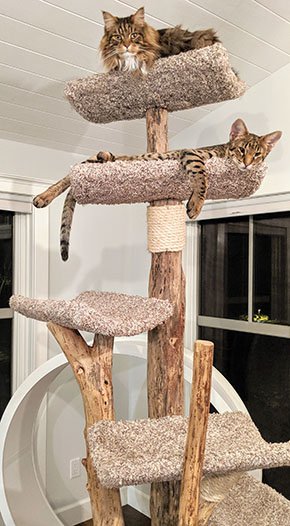
Lastly, ensure the cat tree has comfortable resting spots and perches. Cats enjoy lounging and observing their surroundings, so providing plush cushions or cozy hammocks will encourage them to spend more time on the tree.
Keeping the Environment Safe
While cat trees provide an excellent source of entertainment and comfort for your cat, it is important to keep the surrounding environment safe as well.
First and foremost, ensure that the tree is placed away from hazardous materials. Cats are known to be curious creatures and may chew on or ingest toxic substances. Keep the tree away from chemicals, plants, or any other potentially harmful objects.
Avoid placing the tree near electrical cords or outlets. Cats may be tempted to play with or chew on cords, which can lead to electric shocks or other injuries. Keep cords out of reach and secure them against the walls if necessary.
If your cat tree has any hanging toys or objects, make sure they are securely fastened to prevent choking hazards. Regularly inspect the tree for any potential dangers such as loose strings or small parts that could be swallowed.
To ensure ongoing safety, regularly inspect the cat tree for wear and tear. Look for any signs of damage such as frayed ropes, loose screws, or unstable platforms. Replace any worn-out parts or platforms to maintain the tree’s stability.
Considering Multi-Cat Household Dynamics
If you have multiple cats in your household, it’s important to consider their dynamics when choosing a cat tree. Providing multiple cat trees can help avoid territorial disputes as each cat will have their own designated space.
Consider the personalities and preferences of your cats when selecting cat trees. Some cats prefer enclosed spaces, while others enjoy open perches or scratching posts. Providing a variety of options can ensure each cat has their preferred resting spot.
Observe and monitor your cats’ interactions with the tree to prevent conflicts. Some cats may assert dominance over certain areas or platforms, which can lead to fighting or stress. Pay attention to their behavior and intervene if necessary to maintain a harmonious environment.
Securing the Cat Tree
To prevent any accidental tipping or instability, it is important to secure the cat tree properly.
Consider using anchor straps or wall brackets for extra stability, especially for tall or heavy cat trees. These can be attached to the wall or furniture to prevent any wobbling or toppling over.
Placing a non-slip mat or rug underneath the cat tree can also provide additional stability. This helps prevent the tree from sliding or shifting when your cat jumps or climbs on it.
Before allowing your cat to use the tree, ensure that it is securely assembled and tightened. Loose screws or unstable components can pose a danger to your cat’s safety, so regularly check and tighten all connections.
For added stability, consider using adhesive pads on the feet of the cat tree. These can help anchor the tree to the floor and prevent any unwanted movement or tipping.
Regular Maintenance and Inspection
To ensure the longevity and safety of the cat tree, regular maintenance and inspection are crucial.
Inspect the tree regularly for any signs of wear and tear. Check for loose screws or bolts and tighten them if necessary. Look for any fraying or damage to ropes, scratching posts, or other components.
If you notice any worn-out parts or platforms, it is important to replace them promptly. Worn-out surfaces may become unstable or uncomfortable for your cat, increasing the risk of accidents or injuries.
Periodically clean and disinfect the cat tree to maintain a hygienic environment. Use pet-friendly cleaning products and follow the manufacturer’s instructions. Regularly removing dirt, fur, and debris will help keep your cat tree in pristine condition.
Introducing the Cat Tree to Your Cat
Introducing the cat tree to your cat should be done gradually and positively to ensure they feel comfortable and secure using it.
Place the cat tree in an area that is familiar to your cat, such as their favorite room or near their regular resting spots. This will help them associate the tree with familiar surroundings and make it more inviting to explore.
Encourage your cat to explore the tree by using treats or toys. Place treats on different platforms or use interactive toys to engage their interest. Reward your cat with praise and affection when they show interest or use the tree.
Monitor your cat’s reaction and provide reassurance during the introduction process. Some cats may need more time to adjust, while others may take to the tree immediately. Be patient and allow your cat to explore at their own pace.
Training and Positive Reinforcement
To encourage your cat to use the cat tree regularly, positive reinforcement is key. Reward your cat with treats or praise when they use the tree, reinforcing the behavior and associating it with something positive.
Avoid punishment or negative reinforcement if your cat shows disinterest in the tree. This can create a negative association and deter them from using it altogether. Instead, focus on providing alternatives or making the tree more appealing by incorporating toys or hiding treats for added incentive.
Encourage play and interaction on the cat tree by using interactive toys or engaging your cat in play sessions. This helps to develop a positive association with the tree and makes it a fun and enjoyable space for your cat.
Seeking Professional Advice
If you have specific concerns or challenges regarding your cat tree, it is always a good idea to seek professional advice.
Consult with a veterinarian or cat behaviorist for expert guidance. They can provide recommendations on suitable cat trees based on your cat’s needs and preferences. They can also offer advice on placement in specific environments, taking into consideration factors such as the layout of your home or the temperament of your cat.
Address any specific concerns or challenges with the professional to ensure the safety and well-being of your cat. They can provide personalized guidance and solutions to help you create a safe and comfortable space for your furry friend.