If you’re a proud cat parent, you’ve probably wondered how many cat trees you should have per cat. After all, feline friends adore climbing and exploring, and having the right number of cat trees can keep them entertained and satisfied. In this article, we’ll delve into the fascinating world of cat trees, exploring the factors to consider when determining the ideal number of perches and scratching posts for your furry companion. So, get ready to create the ultimate feline playground and watch your beloved kitties frolic in pure bliss!
Importance of Cat Trees
Providing Vertical Space for Cats
Cat trees play a crucial role in providing vertical space for cats. Domestic cats are natural climbers and predators, and they have a strong instinct to explore their surroundings from a higher vantage point. By having a cat tree in your home, you are giving your feline friend the opportunity to indulge in its natural climbing instincts. This vertical space not only satisfies their curiosity but also gives them a sense of security and ownership over their territory.
Promoting Physical and Mental Exercise
In addition to providing vertical space, cat trees also promote physical and mental exercise. Cats are known for being agile and active animals, and a cat tree allows them to jump, climb, and explore in a safe and controlled environment. By engaging in these physical activities, cats can maintain a healthy weight, strengthen their muscles, and improve their overall balance and coordination. Furthermore, the various platforms, perches, and hideouts on a cat tree stimulate their mental abilities, providing them with mental stimulation and preventing boredom.
Creating a Sense of Territory
Cats are territorial animals, and having a cat tree in your home can help create a sense of territory for them. Cats mark their territory by scratching, rubbing, and spraying, and having a designated space like a cat tree allows them to establish their presence in a non-destructive manner. Providing a cat tree gives your feline companion a space to call its own, reducing territorial conflicts and promoting a harmonious and stress-free living environment.
Preventing Furniture Damage
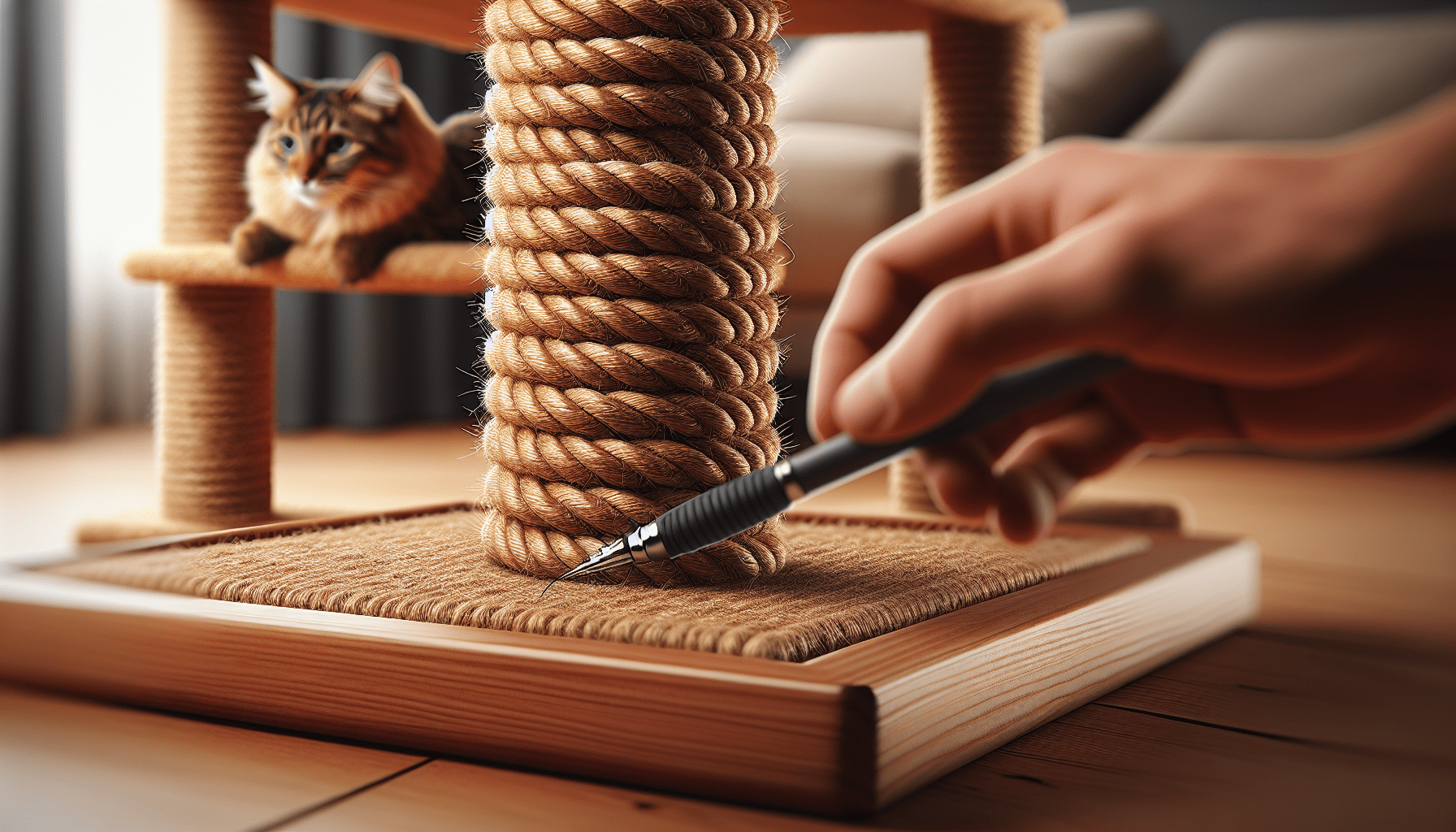
One of the biggest challenges faced by cat owners is furniture damage caused by scratching. Cats scratch to mark their territory, stretch their muscles, and remove the outer layer of their claws. Unfortunately, this innate behavior can wreak havoc on your furniture, leaving scratches and tears that can be expensive to repair or replace. By providing a cat tree with appropriate scratching surfaces such as sisal rope or cardboard, you can redirect your cat’s scratching behavior away from your furniture, saving you from unnecessary expenses and preserving your beloved pieces.
Factors to Consider
Number of Cats
When considering the number of cat trees you should have, it’s essential to take into account the number of cats in your household. Each cat should ideally have its own designated cat tree to ensure they have enough space to climb, play, and rest. Cats are known for their independent nature, and having multiple cat trees allows each feline to have its own territory and avoid potential territorial disputes.
Available Space
The amount of available space in your home is another crucial factor to consider when determining the number of cat trees you should have. Ideally, you should measure the dimensions of the area where you plan to place the cat trees to ensure they fit comfortably without overcrowding the room. It’s important to allow enough space for your cats to move around and explore the different levels and perches of the cat trees.
Cat’s Personality and Activity Level
Every cat has its own unique personality and activity level, which should also be taken into consideration. Some cats are more active and playful, while others may be more laid-back and prefer to observe their surroundings. By observing your cat’s behavior and preferences, you can determine the type and size of the cat tree that would best suit their needs. For example, an adventurous and energetic cat may benefit from a multi-level cat tree with various interactive features, while a shy and reserved cat may feel more comfortable with a smaller and compact cat tree.
Recommended Number of Cat Trees
One Cat: At Least One Cat Tree
If you have only one cat, it is recommended to have at least one cat tree in your home. This provides your solitary feline companion with a dedicated space to climb, play, and relax. A single cat tree will give your cat a sense of ownership over its territory, and it will also help prevent furniture damage as it can redirect their scratching behavior onto the cat tree.
Multiple Cats: One Cat Tree per Cat
For households with multiple cats, it is crucial to provide each cat with its own cat tree. This ensures that each feline has its own personal space, reducing the potential for territorial conflicts and promoting a peaceful coexistence among your furry friends. By having multiple cat trees, you are accommodating the individual needs and preferences of each cat, allowing them to have their own territory to climb, explore, and rest.
Different Types of Cat Trees
Floor-to-Ceiling Cat Trees
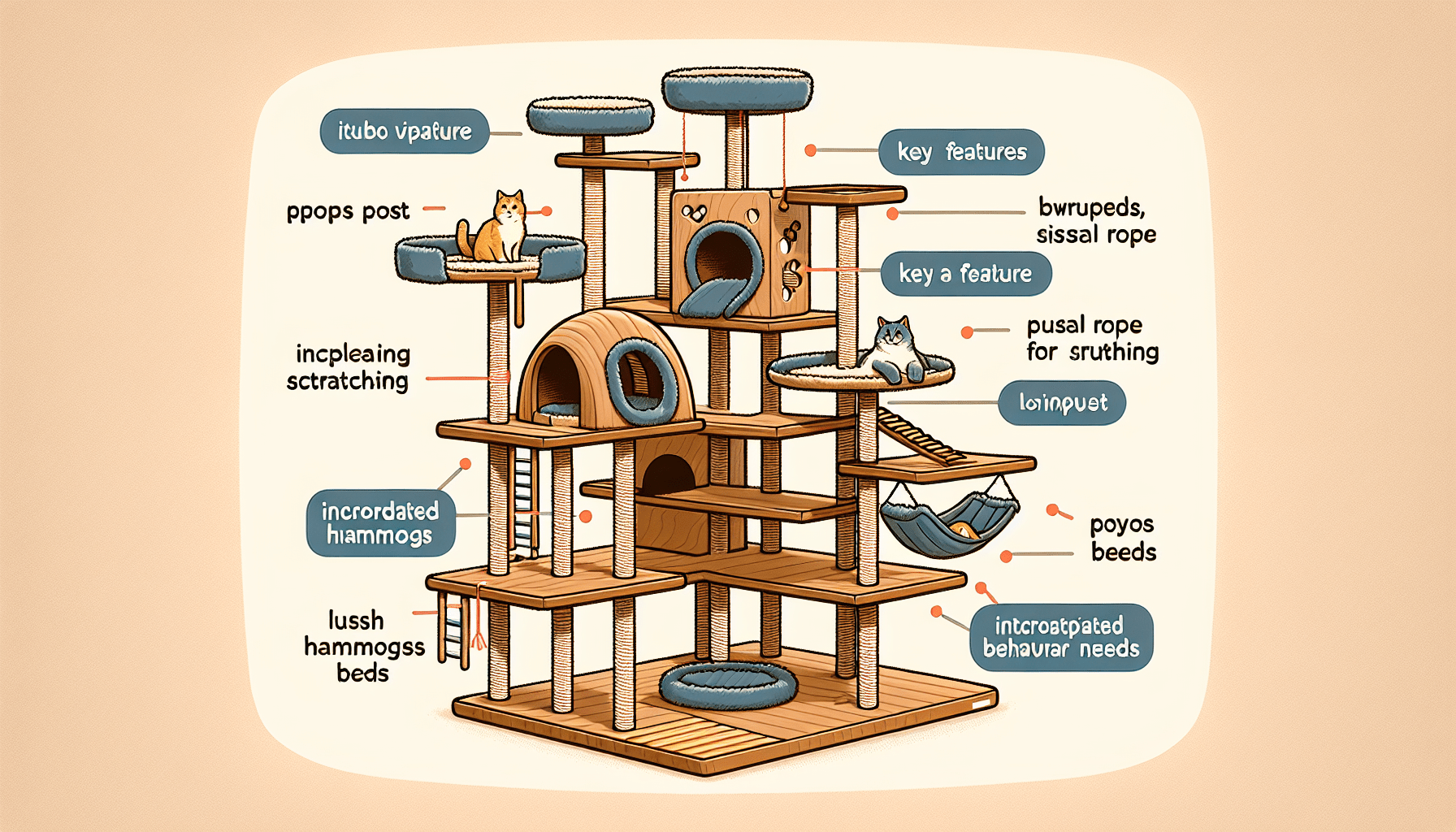
Floor-to-ceiling cat trees are tall structures that extend from the floor to the ceiling, offering cats ample climbing space. These cat trees usually consist of multiple levels, platforms, and perches, providing cats with vertical territory to explore and observe their surroundings. Floor-to-ceiling cat trees are ideal for homes with limited floor space but high ceilings, as they maximize the use of vertical space.
Wall-Mounted Cat Trees
Wall-mounted cat trees are an excellent option for homes with limited floor space or for those who prefer a more minimalist look. These cat trees are fixed to the walls and typically feature platforms, perches, and scratching surfaces. Wall-mounted cat trees not only provide vertical space for cats but also create a visually appealing and functional element in your living space.
Small and Compact Cat Trees
Small and compact cat trees are designed for those who have limited space or prefer a more discreet cat tree. These cat trees often consist of a single platform or perch, allowing cats to have a designated space to observe their surroundings. Despite their size, small and compact cat trees still provide cats with the opportunity to engage in vertical behavior and satisfy their climbing instincts.
Multi-Level Cat Trees
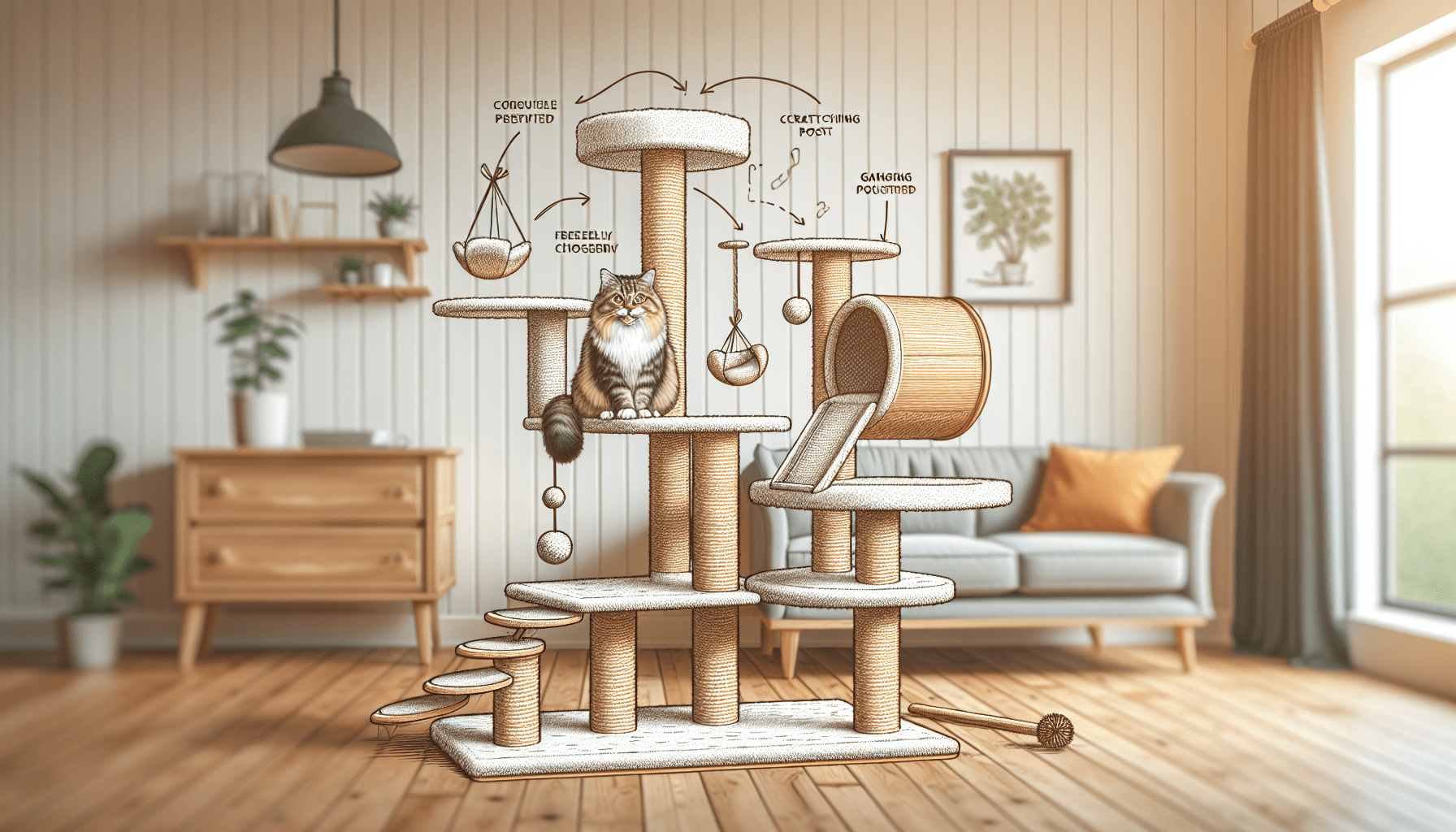
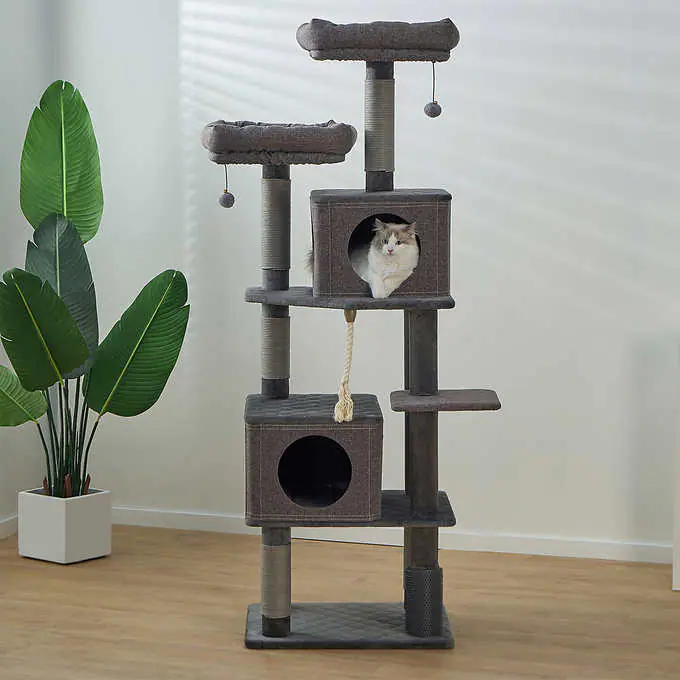
Multi-level cat trees are versatile structures that offer cats a combination of climbing, scratching, and resting options. These cat trees typically feature different levels, platforms, hideouts, and scratching surfaces, providing cats with a range of activities to engage in. Multi-level cat trees are suitable for both single and multiple cats, as they offer individual space as well as opportunities for social interaction.
Cat Tree Placement
Choosing a Quiet and Safe Location
When placing your cat tree, it’s essential to choose a quiet and safe location. Cats value their privacy and retreat to quieter areas when they want to relax or sleep. Avoid placing the cat tree near loud appliances, busy walkways, or areas with high foot traffic. Instead, opt for a quieter corner of the room where your cats can feel safe and undisturbed.
Access to Windows and Sunlight
Cats are naturally drawn to windows as they provide opportunities for visual stimulation and enjoying natural sunlight. When selecting the placement of your cat tree, try to position it near a window where your cats can observe the outside world and bask in the warmth of the sun. This not only adds to their overall enjoyment but also helps fulfill their instinctual need for sunlight and connection with the outside environment.
Avoiding Obstructed Pathways
Ensure that the placement of your cat tree does not obstruct any pathways or create any safety hazards. Cats enjoy exploring and perching in elevated spaces, and by obstructing their usual pathways, you may discourage them from using the cat tree. Additionally, make sure the cat tree is stable and secure to prevent any accidents or injuries while your cats are climbing and playing.
Considerations for Indoor Cats
Enhancing Environmental Enrichment
For indoor cats, environmental enrichment is crucial to prevent boredom and promote their overall well-being. Cat trees can be an excellent addition to their environment, as they provide mental stimulation, physical exercise, and the opportunity to engage in natural behaviors. By incorporating a cat tree into your indoor cat’s habitat, you are enhancing their quality of life and minimizing the negative effects of a confined space.
Providing Multiple Perches
Indoor cats often miss out on the experience of climbing trees or surveying their surroundings from high perches. By providing multiple perches on your cat tree, you are compensating for this lack of natural opportunities. Cats enjoy having options, so having various perches at different heights allows them to choose the spot that suits their mood or preference. This also prevents any potential territorial conflicts among indoor cats, as each cat can claim its own perch on the cat tree.
DIY Cat Trees
Materials and Tools Needed
If you are feeling creative and want a personalized touch, you can consider building your own cat tree. To build a DIY cat tree, you will need materials such as plywood, carpet, sisal rope, screws, a drill, and a saw. These materials are readily available at most hardware stores, and you can customize the design and dimensions to fit your specific requirements.
Step-by-Step Guide to Building a Cat Tree
Building a cat tree may sound intimidating, but with proper guidance, it can be a fun and rewarding project. Here is a step-by-step guide to help you build your own cat tree:
- Start by planning the design and dimensions of your cat tree based on the available space and your cat’s needs.
- Gather all the necessary materials and tools, ensuring that you have everything you need before you begin.
- Cut the plywood to the desired sizes for the base, levels, perches, and hideouts of your cat tree.
- Secure the plywood pieces together using screws and a drill, following your planned design.
- Attach carpet or other suitable covering to the surfaces where your cat will rest or climb using a staple gun or adhesive.
- Wrap sisal rope around selected areas of the cat tree to provide scratching surfaces for your cat.
- Attach any additional features such as toys or dangling strings to enhance your cat’s interactive experience.
- Once completed, place your DIY cat tree in a suitable location and observe your cat’s reaction and enjoyment.
Remember to prioritize safety throughout the construction process and ensure that all components are securely fastened to prevent any accidents or injuries.
Alternatives to Cat Trees
Cat Shelves and Wall-Mounted Platforms
If you have limited space or prefer a more subtle approach, cat shelves and wall-mounted platforms can serve as alternatives to traditional cat trees. These structures are mounted on walls and provide cats with elevated perches and walkways. Cat shelves and wall-mounted platforms offer flexibility in terms of placement and can create a visually appealing and functional vertical space for your feline companions.
Scratching Posts and Boards
While cat trees often include scratching surfaces, standalone scratching posts and boards can also be used as alternatives. Scratching posts are vertical structures covered in sisal rope or carpet, allowing cats to fulfill their scratching needs. Scratching boards are flat surfaces made of similar materials, which can be mounted on walls or placed on the floor. These alternatives provide a compact and targeted solution for cats who primarily seek scratching opportunities.
Cat Condos and Enclosures
For those looking for more comprehensive options, cat condos and enclosures can provide a multi-functional space for cats. Cat condos are large structures that often combine scratching surfaces, hiding spots, perches, and interactive features. These condos cater to cats’ climbing and playing instincts while also offering them a private and comfortable space. Cat enclosures, on the other hand, are outdoor or indoor enclosures designed to provide cats with safe access to the outdoors while keeping them protected from potential dangers.
Maintaining Cat Trees
Regular Cleaning
To ensure the longevity and hygiene of your cat tree, regular cleaning is essential. Use a vacuum or brush to remove any accumulated fur, dirt, or debris from the surfaces, perches, and scratching areas of the cat tree. For carpeted surfaces, a carpet cleaner or spot remover can be used to eliminate any stains or odors. Additionally, washing removable fabric covers or cushions in a gentle cycle will help keep them fresh and clean.
Inspecting for Wear and Tear
Over time, cat trees can experience wear and tear due to the constant climbing, scratching, and playing by your cats. It is important to inspect your cat tree regularly for any signs of damage or instability. Check for loose screws, weak joints, or any structural issues that may compromise the safety and stability of the cat tree. By identifying and addressing these issues promptly, you can prevent accidents and ensure the longevity of your cat tree.
Replacing Wearable Parts
Certain parts of a cat tree, such as scratching posts or carpeted surfaces, may endure more wear and tear than others. When these parts become excessively worn or damaged, it is important to replace them to maintain the functionality and appeal of the cat tree. Most cat trees offer the option to purchase replacement parts, making it easy to refresh and extend the lifespan of your cat tree.
Conclusion
Cat trees are not just a luxury for our feline friends but an important aspect of their overall well-being and happiness. By providing vertical space, promoting physical and mental exercise, creating a sense of territory, and preventing furniture damage, cat trees play a vital role in fulfilling cats’ natural instincts and needs.
When considering the number and type of cat trees, factors such as the number of cats, available space, and the cat’s personality and activity level should be taken into account. Providing each cat with its own designated cat tree is recommended, as it allows them to establish their own territory and reduces the potential for conflicts.
Different types of cat trees, such as floor-to-ceiling cat trees, wall-mounted cat trees, small and compact cat trees, and multi-level cat trees, offer a range of options to suit various homes and preferences. Proper placement of cat trees, choosing a quiet and safe location with access to windows and sunlight, and avoiding obstructed pathways, can enhance the cat’s enjoyment and use of the cat tree.
For indoor cats, cat trees contribute to environmental enrichment by providing mental stimulation and multiple perches. DIY cat trees offer a personalized touch, and alternative options like cat shelves, scratching posts, and cat condos cater to different preferences and space limitations.
Maintenance of cat trees through regular cleaning, inspection for wear and tear, and replacement of wearable parts ensures the longevity and functionality of the structures. By investing in a cat tree and caring for it appropriately, you are providing your beloved feline companions with a dedicated space to explore, play, relax, and thrive.