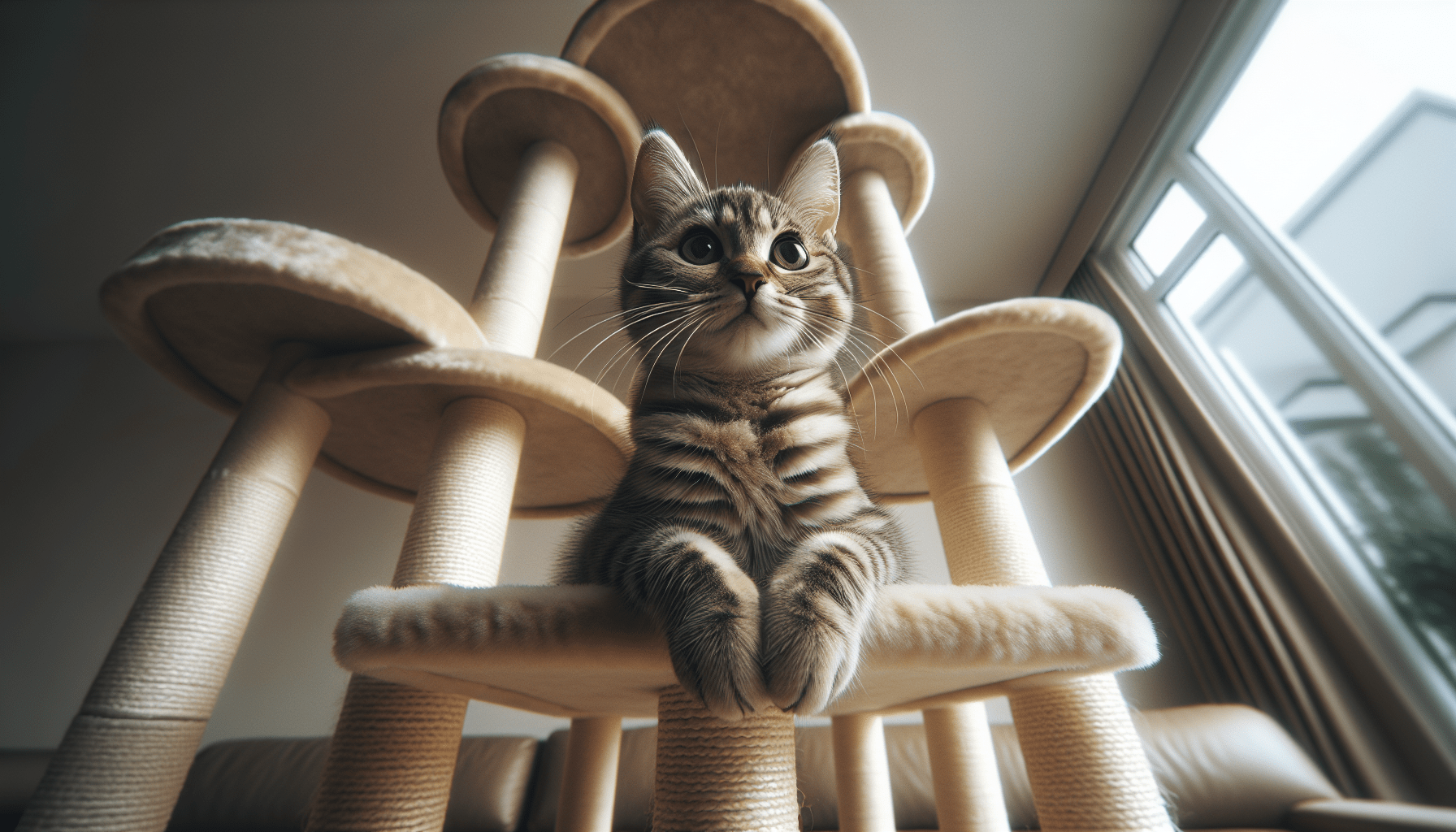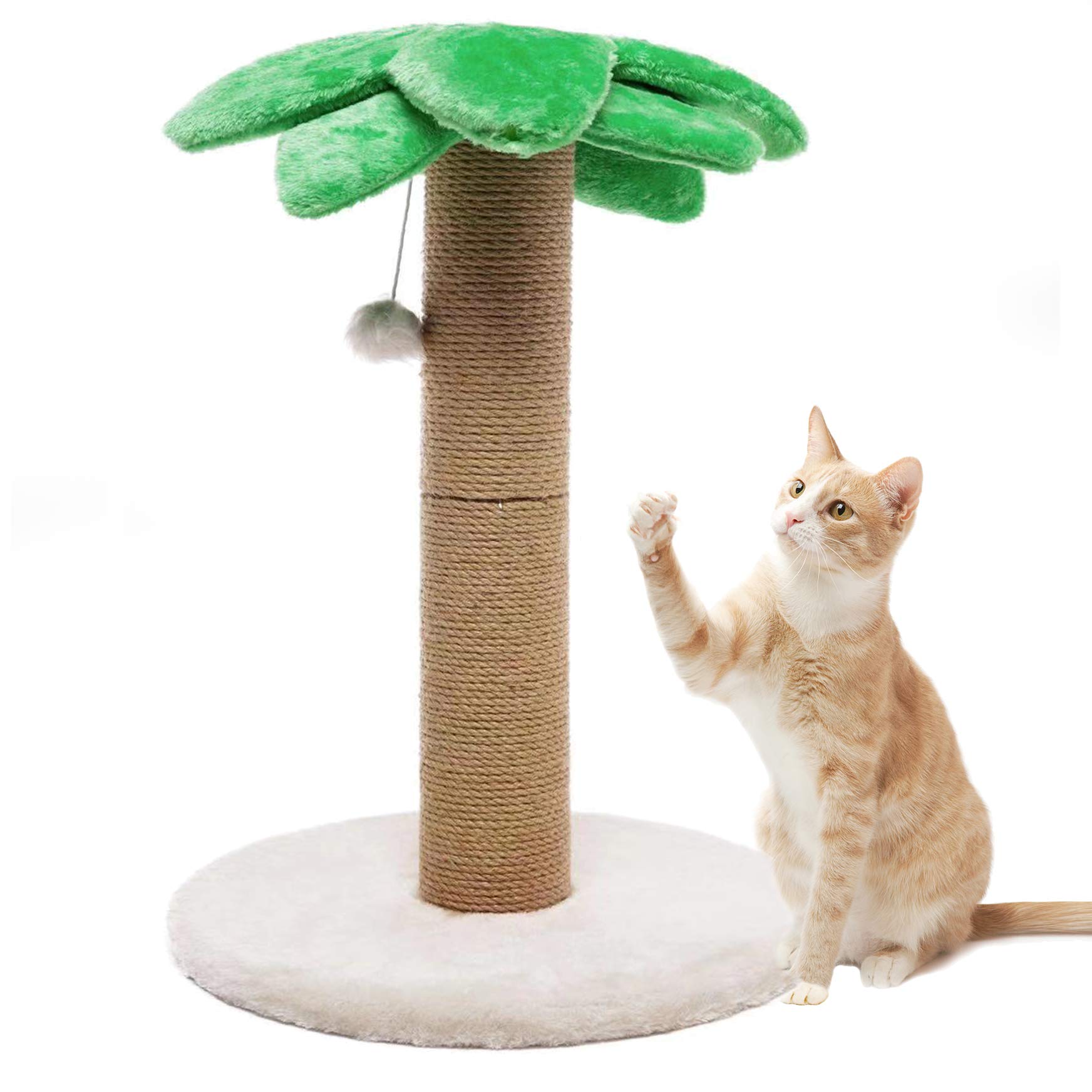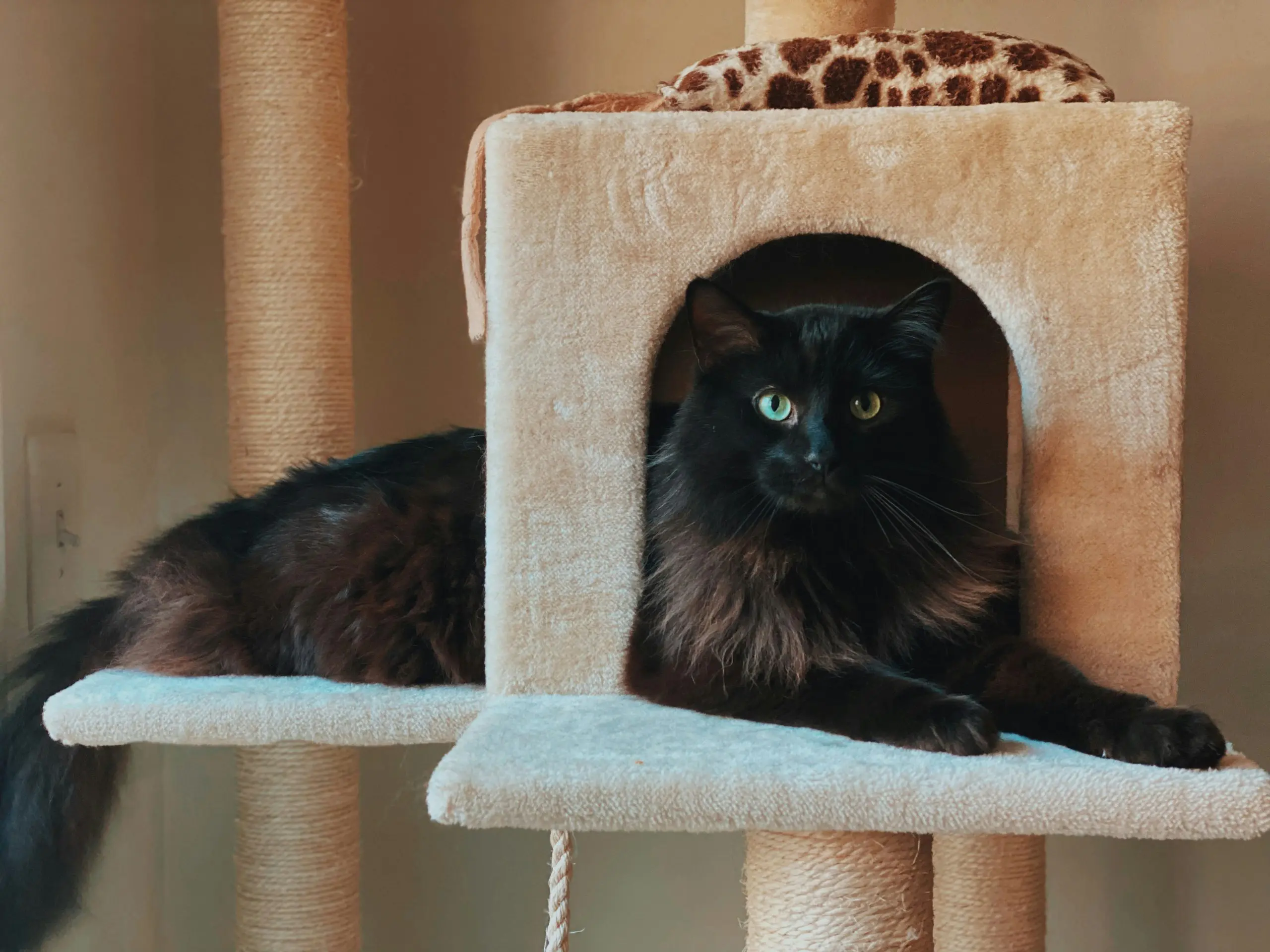
If you have a cat, you probably know how important it is for them to have a space of their own. A cat tree can be the perfect solution, providing them with a place to climb, scratch, and relax. But what do you do when your feline friend seems hesitant to give it a try? Don’t worry, we’ve got you covered! In this article, we’ll explore some helpful tips and tricks for familiarizing your cat with their new cat tree. From enticing toys to irresistible treats, we’ll guide you through the process of turning their hesitation into excitement. So sit back, relax, and let’s make that cat tree their new favorite spot!
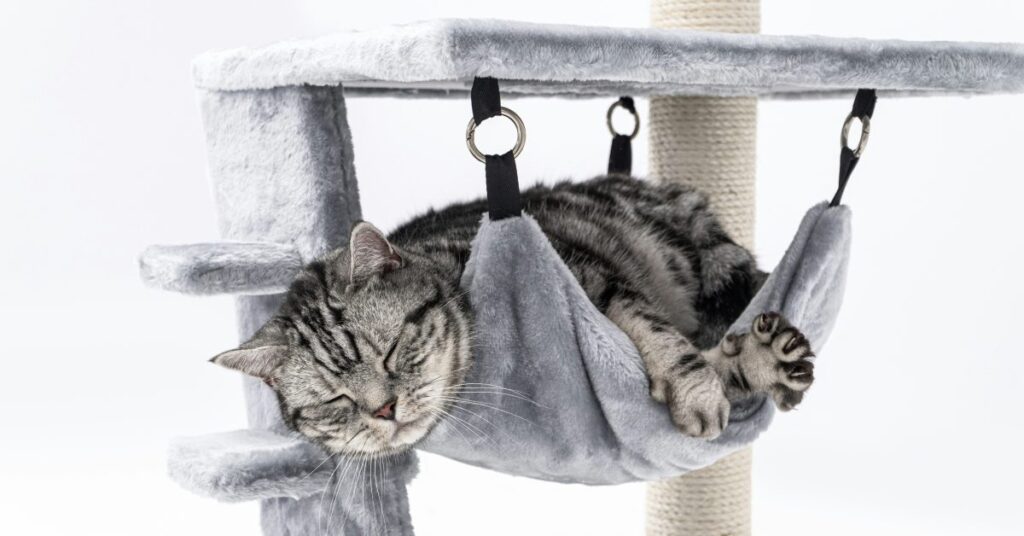
This image is property of www.comfortedkitty.com.
Why Familiarizing Cats with the Cat Tree is Important
Cats are natural climbers and scratchers, and providing them with a cat tree not only satisfies their instincts but also offers numerous benefits for both their physical and mental well-being. Familiarizing your cats with the cat tree is essential for creating a safe space, promoting exercise and play, and preventing destructive behavior. By understanding their natural behavior and choosing the right cat tree, you can ensure that your feline friends have a space they love and enjoy.
Understanding Cats’ Natural Behavior
Before delving into the importance of familiarizing cats with the cat tree, it is essential to understand their natural behavior. Cats have innate instincts, including climbing and perching, scratching and clawing, and territorial marking.
Climbing and Perching Instincts
Cats have a natural inclination to climb and perch in elevated areas. It stems from their wild ancestors who used trees as vantage points to hunt and avoid predators. This behavior is deeply ingrained in their DNA, making a cat tree an ideal solution to fulfill their climbing and perching instincts.
Scratching and Clawing Behavior
Another crucial aspect of a cat’s behavior is scratching and clawing. Cats scratch to shed the outermost layer of their claws, stretch their bodies, and mark their territory. By providing suitable surfaces for scratching, such as sisal-covered posts on the cat tree, you can prevent your cats from damaging your furniture and carpets.
Territorial Marking
Cats are territorial creatures and use scent marking to establish their territory. By rubbing their scent onto surfaces, they claim ownership and signal to other cats that this area belongs to them. Cat trees can be incorporated into this territorial marking behavior by using cat-friendly scents or sprays, creating a familiar and secure space for your feline friends.
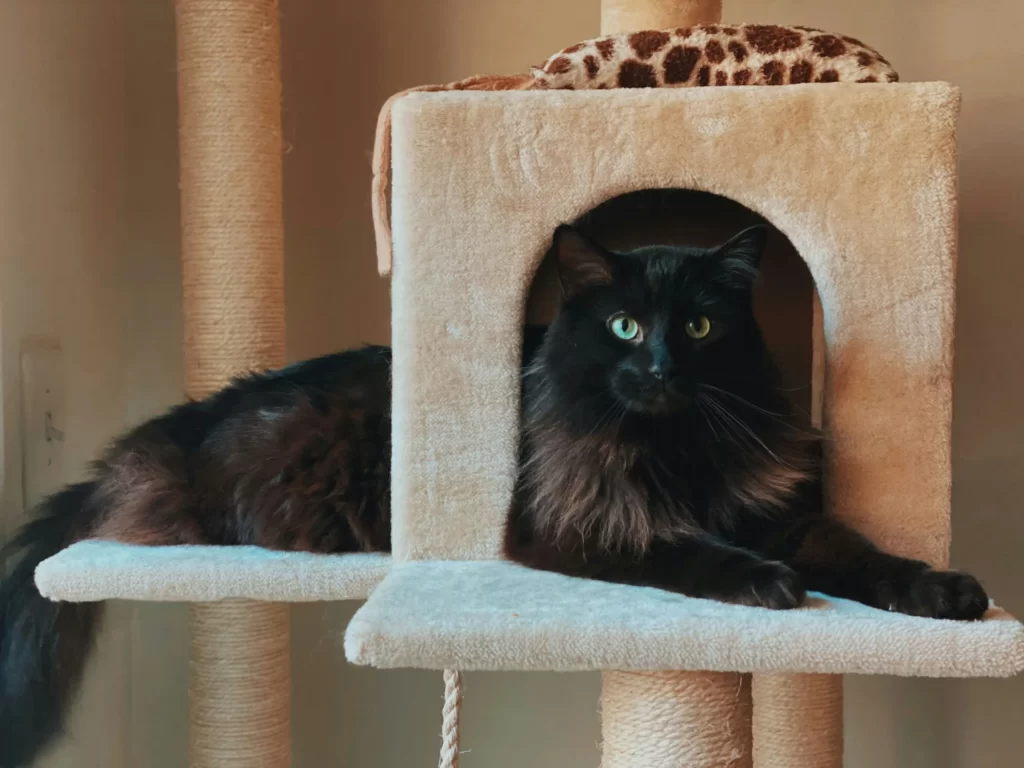
This image is property of www.comfortedkitty.com.
Choosing the Right Cat Tree
To ensure that your cats embrace and enjoy the cat tree, it is crucial to choose the right one that suits their needs and preferences. Consider the following factors when selecting a cat tree:
Considering Size and Weight
Take into account the size and weight of your cats when choosing a cat tree. Ensure that the platforms, perches, and hiding spots are large and sturdy enough to accommodate their size. A cat tree that is too small or unstable may cause discomfort or even accidents for your feline friends.
Evaluating Stability
Stability is paramount when selecting a cat tree. It should be constructed with high-quality materials and have a solid base that prevents toppling or wobbling. Stable cat trees not only ensure the safety of your cats but also give them the confidence to explore and use all the features of the tree.
Examining Material and Quality
Pay attention to the material and quality of the cat tree. Opt for sturdy materials like wood or strong PVC pipes that can withstand your cat’s scratching and climbing. The upholstery and covering materials should be durable and easy to clean, ensuring that the cat tree remains in good condition for a long time.
Analyzing Design and Features
Consider the design and features that will appeal to your cats. Look for cat trees with various levels, platforms, perches, hiding spots, and interactive toys. Cats love to explore and play, so a cat tree with engaging features will keep them entertained and encourage them to fully utilize the tree.
Introducing the Cat Tree
Once you have chosen the perfect cat tree for your feline companions, it is essential to introduce it to them gradually and positively. Here are some steps to facilitate the introduction process:
Placing the Cat Tree in a Suitable Location
Find an ideal location in your home to place the cat tree. Choose an area that is easily accessible, quiet, and provides a good view of the surroundings. Cats love observing their environment, so a spot near a window can be particularly enticing.
Creating a Positive Environment
Make the surrounding area of the cat tree inviting and comfortable. Add familiar bedding, blankets, or toys to make the space familiar and appealing. You can also consider providing a scratching post, litter box, or water bowl nearby to encourage your cats to spend more time on the cat tree.
Using Treats and Toys to Encourage Exploration
Entice your cats to explore the cat tree by using treats and toys. Scatter treats or place their favorite toys on the different platforms and perches to pique their curiosity. This positive reinforcement will create a positive association with the cat tree and motivate your cats to climb and explore.
Gradual Introduction and Positive Reinforcement
Introduce the cat tree gradually to avoid overwhelming your cats. Encourage them to climb a few levels at a time, providing praise and treats as they make progress. Gradually increase the height and complexity of the tree as they become more comfortable and confident. Positive reinforcement and patience are key in the familiarization process.
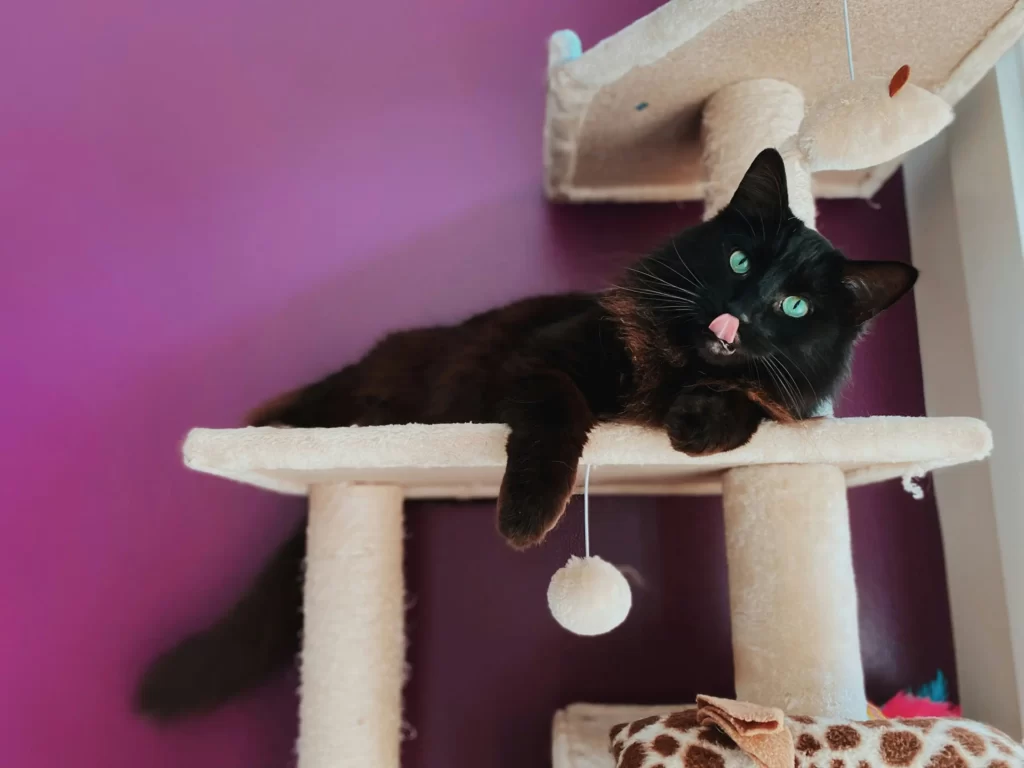
This image is property of www.comfortedkitty.com.
Encouraging Climbing and Perching
Once your cats have become familiar with the cat tree, it’s important to encourage them to climb and perch on it regularly. Here are some tips to promote climbing behavior:
Placing Lure or Toys on Upper Platforms
To entice your cats to climb higher, place enticing toys or lures on the upper platforms of the cat tree. The movement and sound of the toys will attract their attention and motivate them to explore higher levels. This will not only fulfill their need for vertical exploration but also provide mental stimulation and exercise.
Using Vertical Spaces for Vertical Exploration
Cats love vertical spaces, and cat trees offer them just that. Encourage your cats to explore the vertical components of the cat tree by providing easy and safe access to the different levels. Install ramps or staggered platforms to facilitate their movement and ensure they can navigate the tree comfortably.
Providing Comfortable Perching Spots
Ensure that the perching spots on the cat tree are comfortable and appealing to your cats. Cats enjoy elevated areas where they can relax and observe their surroundings. Provide soft bedding or cushions on the perches to make them cozy and inviting.
Positive Reinforcement for Climbing
Reward and praise your cats whenever they climb and perch on the cat tree. Positive reinforcement strengthens their association between the desired behavior and the pleasant outcome, encouraging them to repeat the behavior. Shower them with praise, affection, and treats to make climbing a positive and rewarding experience.
Promoting Scratching Behavior
In addition to climbing and perching, providing appropriate surfaces for scratching is vital for maintaining your cats’ physical and emotional well-being. Here’s how you can encourage scratching behavior on the cat tree:
Placing Scratching Posts or Surfaces on the Cat Tree
Incorporate scratching posts or surfaces into the design of the cat tree. Sisal-covered posts or tightly woven sisal mats are excellent choices that simulate tree bark and provide an enticing scratching surface for your cats. Place them strategically throughout the tree to encourage your cats to use them instead of your furniture or walls.
Using Catnip or Attractants
Catnip can be a powerful tool in attracting your cats to the scratching surfaces on the cat tree. Apply catnip or a cat-friendly attractant spray on the scratching posts or surfaces to make them more appealing. The scent will entice your cats to scratch and mark their territory, further reinforcing the positive association with the cat tree.
Redirecting Clawing Behavior
If you notice your cats scratching furniture or other inappropriate surfaces, gently redirect their behavior to the cat tree’s designated scratching areas. Use a firm but calm voice and gently guide their paws onto the appropriate surfaces. Positive reinforcement, such as treats or praise, will reinforce the desired behavior and help deter them from clawing other household items.
Regular Trimming of Nails
Regularly trim your cats’ nails to prevent them from becoming too sharp or causing damage. By keeping their nails at an appropriate length, you reduce their urge to scratch excessively. Trimming your cats’ nails also minimizes the risk of them getting stuck or injured while climbing on the cat tree.
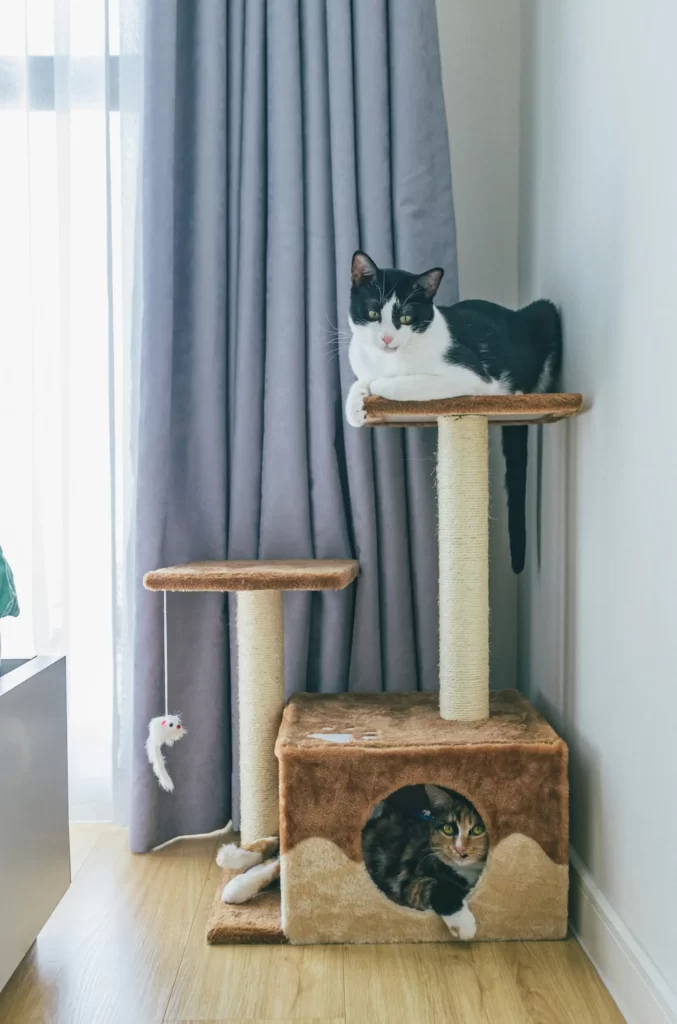
This image is property of www.comfortedkitty.com.
Making the Cat Tree a Territorial Marker
Cat trees can serve as effective tools for marking territory and creating a sense of ownership for your cats. Here are some ways to incorporate territorial marking into the cat tree:
Using Cat-friendly Scents or Sprays
To make the cat tree a more inviting and familiar space, use cat-friendly scents or sprays. These scents mimic the natural pheromones that cats release when they rub against surfaces, promoting a sense of security and ownership. Applying these scents on the cat tree will encourage your cats to spend more time there and view it as their territory.
Creating Scented Marking Posts
Introduce scented marking posts into the cat tree to encourage territorial marking. These posts can be wrapped in fabric or rope infused with catnip or other attractants. By rubbing against these scented posts, your cats will leave their scent, making the cat tree a central part of their territory.
Regular Cleaning and Maintenance
Maintaining cleanliness is critical in ensuring that the cat tree remains a desirable and appealing space for your cats. Regularly clean the surfaces, platforms, perches, and scratching posts to remove any accumulated cat hair, dirt, or odor. A clean cat tree will continue to be an attractive and well-utilized space.
Multiple Cat Trees for Multi-cat Households
If you have a multi-cat household, consider having multiple cat trees to avoid territorial conflicts. Cats are territorial by nature, and having separate cat trees allows each cat to establish their territory and alleviate any potential tensions. Having multiple cat trees also provides more climbing and perching options for your feline companions.
Ensuring Safety and Security
Ensuring the safety and security of your cats when using the cat tree is of utmost importance. Here are some measures to prioritize their well-being:
Checking Stability Regularly
Regularly inspect the cat tree for any signs of wear and tear or structural instability. Check the screws, platforms, perches, and overall stability of the tree. Tighten loose screws and repair or replace any damaged parts promptly to prevent accidents or injuries.
Securing the Cat Tree to a Stable Surface
For added stability, secure the cat tree to a stable surface or wall. This prevents tipping or wobbling, especially if your cat is particularly active or heavy. Anchoring the cat tree ensures a safe and secure environment for your cats to climb, explore, and play.
Removing Hazards and Potential Entanglements
Eliminate any potential hazards or entanglements that may pose risks to your cats. Remove strings, cords, or hanging elements that can become choking hazards. Additionally, ensure that there are no gaps or small spaces where your cats could get stuck or injured.
Monitoring Cat’s Behavior and Reactions
Observe your cats’ behavior and reactions while using the cat tree. Pay attention to any signs of discomfort, fear, or stress. Cats may display body language cues, such as flattened ears, hissing, or excessive scratching, when they feel threatened or anxious. Address any concerns and provide support or modifications to ensure their well-being.
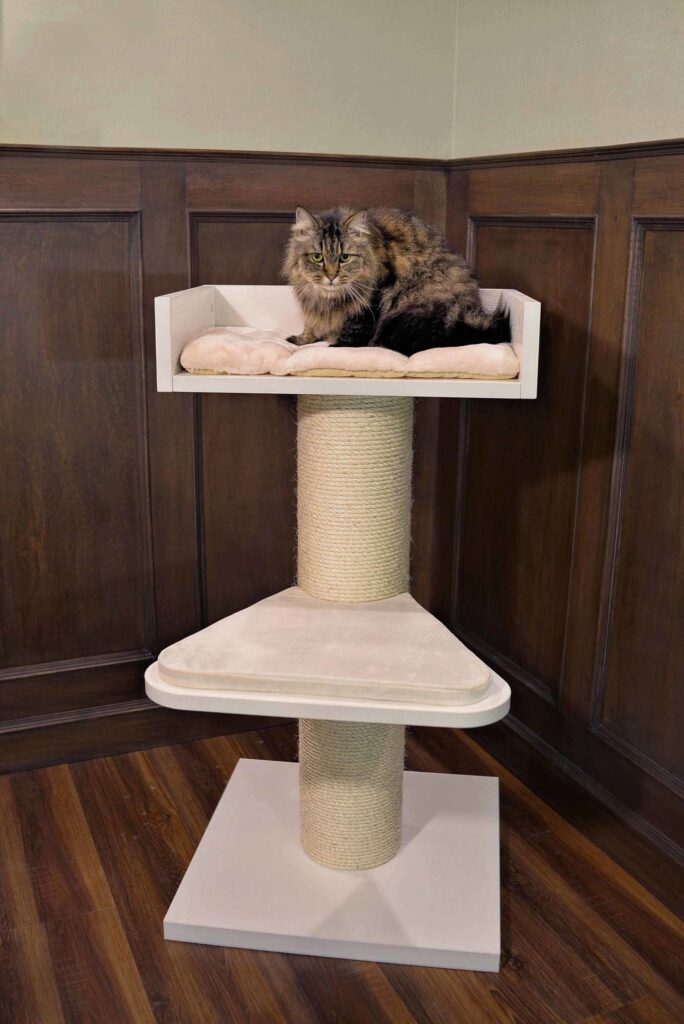
This image is property of www.petpalace.uk.
Troubleshooting Common Challenges
While the goal is to familiarize your cats with the cat tree successfully, it is common to encounter challenges along the way. Here are some common issues and potential solutions:
Fear or Avoidance of the Cat Tree
If your cats show fear or avoidance towards the cat tree, take a step back and reintroduce it gradually. Offer treats, play sessions, or favorite toys near the tree to create positive associations. Provide a calm and comforting environment to help alleviate their fears and build their confidence over time.
Aggression or Resource Guarding
In multi-cat households, aggression or resource guarding may occur near the cat tree. Provide separate cat trees or ensure there are multiple access points to prevent conflicts over territorial or resource-related issues. If aggression persists, consult with a veterinarian or animal behaviorist to address and manage the situation appropriately.
Inappropriate Elimination
In some cases, cats may urinate or defecate inappropriately on the cat tree or nearby areas. This behavior can be due to stress, anxiety, or an underlying medical condition. Make sure to keep the litter box clean and accessible, and consider consulting a veterinarian to rule out any medical issues. Addressing any potential stressors or anxieties through behavior modification techniques may also help resolve the issue.
Lack of Interest or Engagement
If your cats show little interest or engagement with the cat tree, try incorporating interactive toys or puzzles to make the tree more enticing. Rotate toys and reposition the cat tree in different locations to maintain their curiosity and engagement. Each cat has unique preferences, so experiment with different strategies until you find what captures their interest.
Conclusion
Familiarizing cats with the cat tree is crucial for their overall well-being and happiness. By fulfilling their natural climbing and perching instincts, providing surfaces for scratching, and allowing them to mark their territory, you create a harmonious and enriched cat-living environment. Choose the right cat tree, introduce it gradually, and encourage your cats to explore, climb, and play. With patience, positive reinforcement, and attention to their needs, your feline companions will embrace the cat tree as their own personal haven. Enjoy the benefits of a happy and fulfilled cat!